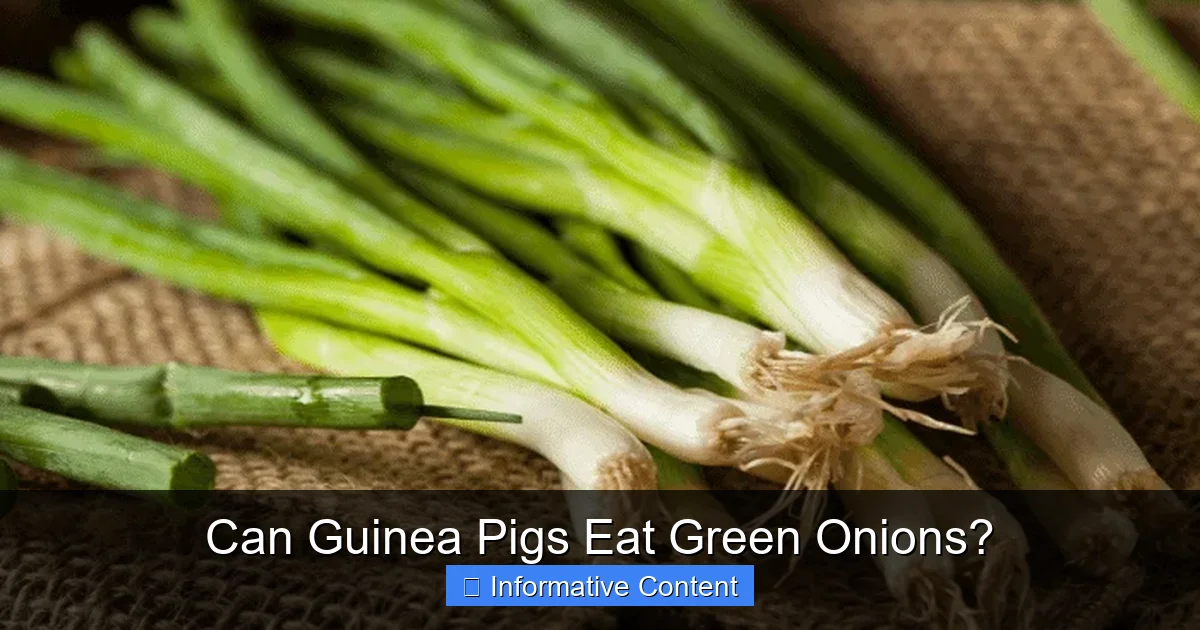
Green onions are unequivocally unsafe for guinea pigs. These popular vegetables contain compounds like thiosulphates and N-propyl disulphide, which are toxic to cavies and can lead to serious health issues, including hemolytic anemia and severe digestive upset. Always avoid feeding green onions to your beloved guinea pig to ensure their safety and well-being.
Ah, the joys of guinea pig ownership! These adorable, chatty little creatures bring so much happiness into our lives. As a loving pet parent, you’re constantly looking out for their well-being, and a huge part of that is making sure they eat a healthy and safe diet. It’s only natural to wonder which human foods are safe to share with your furry friend. You might be chopping up some green onions for your own meal and think, “Hmm, can guinea pigs eat green onions too? They look so fresh and green!”
This is a super common question, and it’s fantastic that you’re asking it! Many everyday vegetables that are perfectly healthy for humans can actually be quite dangerous for our small animal companions. Guinea pigs have unique digestive systems and nutritional needs, making them susceptible to harm from certain foods that seem innocent to us. So, let’s dive deep into the topic of green onions and your guinea pig’s diet to ensure your little one stays happy, healthy, and safe.
In this comprehensive guide, we’ll explore exactly why green onions are a no-go for guinea pigs, what harmful compounds they contain, what symptoms to watch out for if accidental ingestion occurs, and most importantly, what delicious and safe alternatives you *can* offer. Your guinea pig relies on you to make the right dietary choices, so let’s get you armed with all the information you need!
Contents
- Key Takeaways
- Quick Answers to Common Questions
- 📑 Table of Contents
- The Straight Answer: A Resounding No to Green Onions
- Unpacking the Danger: Why Green Onions are Toxic for Guinea Pigs
- Recognizing the Red Flags: Symptoms of Green Onion Poisoning
- A Pantry of Safe Delights: What Your Guinea Pig Can Enjoy
- Beyond Green Onions: Establishing a Healthy Guinea Pig Diet
- Emergency Protocol: What to Do if Ingestion Occurs
- Conclusion
- Frequently Asked Questions
- Why can’t guinea pigs process green onions like humans can?
- What are some safe green leafy vegetables for guinea pigs?
- Can guinea pigs die from eating green onions?
- How do I prevent my guinea pig from eating green onions?
- What are the common signs of toxicity in guinea pigs?
- Should I induce vomiting if my guinea pig eats green onions?
Key Takeaways
- Green Onions are Toxic: Green onions, and all members of the allium family, are unequivocally unsafe for guinea pigs and should never be offered.
- Harmful Compounds Present: These vegetables contain compounds like thiosulphates and N-propyl disulphide, which are highly toxic to guinea pigs and can cause serious health problems.
- Risk of Hemolytic Anemia: Ingestion can lead to hemolytic anemia, a condition where red blood cells are destroyed, impairing oxygen transport and potentially being fatal.
- Severe Digestive Upset: Even small amounts can cause significant gastrointestinal issues such as diarrhea, bloating, gas, and abdominal pain in sensitive guinea pig systems.
- No Nutritional Benefit: Green onions offer no beneficial nutrients that outweigh their significant health risks for guinea pigs. There are many safe and healthier alternatives.
- Immediate Vet Attention Needed: If your guinea pig accidentally eats green onions, contact your veterinarian immediately, as timely intervention can be crucial for their survival and recovery.
- Prioritize Safe Foods: Always stick to a diet primarily composed of high-quality hay, fortified guinea pig pellets, and a variety of vet-approved fresh vegetables and limited fruits.
Quick Answers to Common Questions
Can guinea pigs eat any part of a green onion?
No, all parts of a green onion, including the green leaves and the white bulb, are considered toxic to guinea pigs and should never be fed to them.
Are there any “onion family” plants safe for guinea pigs?
No, all members of the Allium family, which includes green onions, garlic, regular onions, chives, and leeks, are toxic to guinea pigs and should be completely avoided.
What’s the main danger of green onions for guinea pigs?
The main dangers are hemolytic anemia, which destroys red blood cells, and severe gastrointestinal distress, both of which can be life-threatening if left untreated.
How quickly do symptoms appear after eating green onions?
Symptoms can vary depending on the amount ingested, appearing anywhere from a few hours to several days after a guinea pig eats green onions. It’s crucial to act quickly regardless.
Is a small amount of green onion okay for guinea pigs?
No, even a very small amount of green onion can be harmful to guinea pigs due to their sensitive systems and inability to process the toxic compounds. It’s always best to avoid it entirely.
📑 Table of Contents
- The Straight Answer: A Resounding No to Green Onions
- Unpacking the Danger: Why Green Onions are Toxic for Guinea Pigs
- Recognizing the Red Flags: Symptoms of Green Onion Poisoning
- A Pantry of Safe Delights: What Your Guinea Pig Can Enjoy
- Beyond Green Onions: Establishing a Healthy Guinea Pig Diet
- Emergency Protocol: What to Do if Ingestion Occurs
- Conclusion
The Straight Answer: A Resounding No to Green Onions
Let’s cut right to the chase: can guinea pigs eat green onions? Absolutely not. Green onions, also known as spring onions or scallions, are a strict no-go for your guinea pig. They belong to the Allium family, which includes other common vegetables like onions, garlic, chives, and leeks. All members of this family are toxic to guinea pigs and many other pets, including dogs and cats.
Why the Firm “No”?
The reason for this strict prohibition isn’t because they’re simply indigestible or cause mild tummy upset. The compounds found in green onions can lead to serious, life-threatening health issues for your little cavy. It’s crucial for every guinea pig owner to understand this risk to protect their beloved pet.
A Common Misconception
It’s easy to assume that because something is a vegetable, it must be healthy for a herbivore like a guinea pig. However, this is a dangerous misconception. Guinea pigs have evolved to eat specific types of plant matter, and their bodies lack the necessary enzymes to safely process certain compounds found in plants that are harmless to humans. Green onions fall squarely into this category.
Unpacking the Danger: Why Green Onions are Toxic for Guinea Pigs
To truly understand why green onions are off-limits, it helps to know a little about the specific toxins they contain and how these affect a guinea pig’s delicate system. The primary danger comes from certain sulfur-containing compounds.
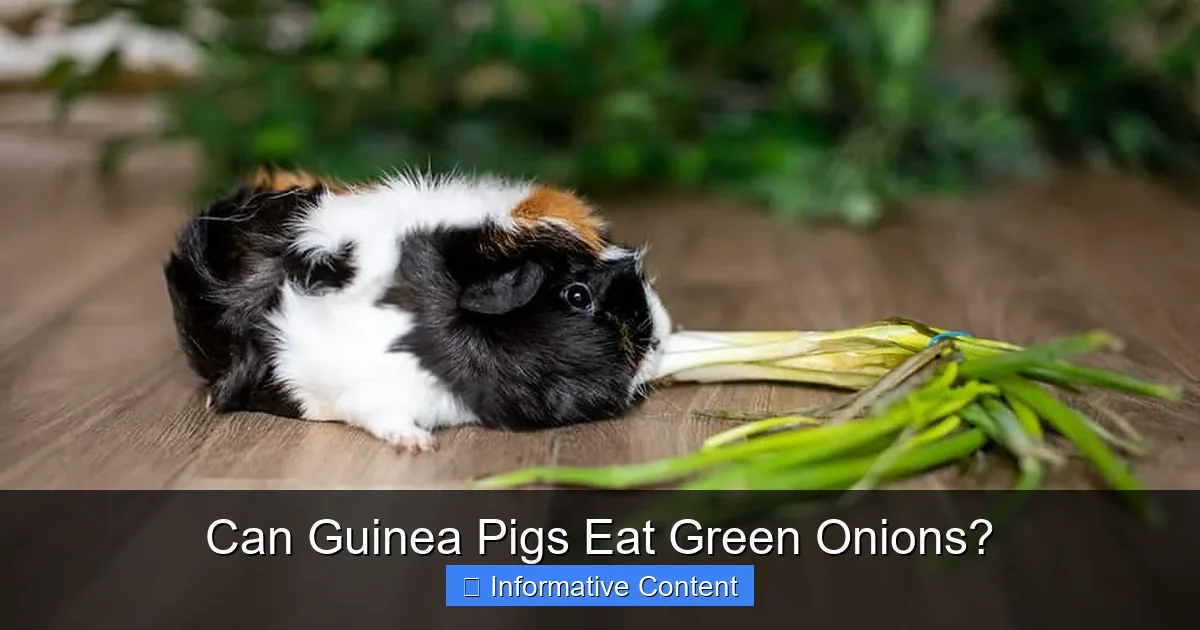
Visual guide about Can Guinea Pigs Eat Green Onions?
Image source: guineapighq.com
The Culprits: Thiosulphates and N-propyl Disulphide
Green onions contain compounds called thiosulphates and N-propyl disulphide. While these might sound like scientific jargon, what’s important to know is that they are highly toxic to the red blood cells of guinea pigs (and many other animals). Humans have an enzyme that can break down these compounds, making green onions safe for us to consume. Guinea pigs, however, do not possess this enzyme, making them extremely vulnerable.
Hemolytic Anemia: A Serious Threat
When a guinea pig ingests green onions, the thiosulphates and N-propyl disulphide attack their red blood cells. This process is called oxidative damage. It causes the red blood cells to rupture and be destroyed faster than the body can produce new ones. This condition is known as hemolytic anemia. Anemia means a reduction in healthy red blood cells, which are crucial for carrying oxygen from the lungs to the rest of the body’s tissues and organs.
- Consequences of Anemia: Without enough oxygen, a guinea pig’s organs cannot function properly. This can lead to extreme weakness, lethargy, organ damage, and if severe enough and left untreated, it can be fatal.
Gastrointestinal Distress
Beyond the systemic effects on red blood cells, green onions are also highly irritating to a guinea pig’s sensitive digestive tract. Even a small amount can cause significant gastrointestinal upset, leading to a range of uncomfortable and potentially dangerous symptoms:
- Diarrhea: Can lead to dehydration and electrolyte imbalance, which is very dangerous for small animals.
- Bloating and Gas: Guinea pigs cannot relieve gas like humans can, so bloating can be extremely painful and even life-threatening if it severely distends their abdomen.
- Abdominal Pain: You might notice your guinea pig hunching or being reluctant to move if they’re experiencing pain.
- Loss of Appetite: A guinea pig refusing to eat, especially hay, is always a serious concern and can quickly lead to other health issues like stasis.
Long-Term Consequences
Even if a guinea pig survives the initial toxic effects, repeated or even single exposure to green onions can have lasting consequences on their health. The damage to their blood cells and digestive system can take a long time to recover from, and in some cases, the effects might be permanent. It’s simply not worth the risk, no matter how small an amount you might be considering.
Recognizing the Red Flags: Symptoms of Green Onion Poisoning
Accidents can happen, and sometimes a curious guinea pig might get into something they shouldn’t. If you suspect your guinea pig has ingested green onions, it’s vital to know what signs to look for. Symptoms can appear anywhere from a few hours to several days after ingestion, depending on the amount consumed and the individual guinea pig’s sensitivity.
Digestive Symptoms
These are often among the first signs you might notice:
- Diarrhea: Loose, watery, or unusually soft stools.
- Vomiting (rare but possible): While guinea pigs typically cannot vomit, severe irritation *can* sometimes lead to retching or regurgitation.
- Bloating or a Hard Abdomen: Your guinea pig’s belly might look distended or feel firm to the touch.
- Loss of Appetite: Refusal to eat hay, pellets, or even favorite treats.
- Lack of Stool Production: If their digestive system is shutting down, they may stop producing droppings.
Anemia-Related Symptoms
These signs indicate the more serious blood cell damage:
- Lethargy and Weakness: Your guinea pig will be unusually tired, move slowly, or show a general lack of energy.
- Pale Gums or Mucous Membranes: Check their gums, inside of their eyelids, or the skin around their nose. If they are normally pink but now appear pale or whitish, it’s a strong indicator of anemia.
- Rapid Breathing or Difficulty Breathing: Their body is trying to compensate for the lack of oxygen by breathing faster.
- Increased Heart Rate: You might notice their heart beating faster than usual.
- Collapse: In severe cases, they might collapse due to extreme weakness or lack of oxygen.
General Distress Signs
These symptoms indicate your guinea pig is in pain or generally unwell:
- Hunched Posture: A guinea pig might hunch over or appear uncomfortable.
- Grinding Teeth (Bruxism): This can be a sign of pain or discomfort.
- Reluctance to Move or Be Handled: They might hide more or become withdrawn.
- Weight Loss: Due to not eating, they can quickly lose weight.
If you observe any of these symptoms after your guinea pig might have had access to green onions, contact your veterinarian immediately. Time is of the essence in treating toxicity.
A Pantry of Safe Delights: What Your Guinea Pig Can Enjoy
Now that we’ve covered what to avoid, let’s focus on all the wonderful, safe, and nutritious foods your guinea pig *can* eat! A balanced diet is the cornerstone of good health for your cavy.
The Foundation: Hay and Pellets
These two items should make up the bulk of your guinea pig’s diet:
- Unlimited High-Quality Hay: This is the most crucial part of their diet. Timothy hay is excellent, but orchard grass or oat hay are also good options. Hay provides essential fiber for digestion, helps wear down their continuously growing teeth, and keeps them busy and happy. Always ensure your guinea pig has access to fresh, clean hay 24/7.
- Fortified Guinea Pig Pellets: Choose a high-quality, plain guinea pig pellet specifically formulated for their needs. Look for pellets that are high in fiber and fortified with Vitamin C. Avoid colorful, “muesli” style mixes that contain seeds, nuts, or dried fruit, as these are often unhealthy and can lead to selective eating.
Fresh Veggies: Daily Essentials
About one cup of fresh, safe vegetables should be offered daily. Remember to introduce new veggies slowly and in small amounts to monitor for any digestive upset. Always wash vegetables thoroughly before feeding.
- Leafy Greens: Romaine lettuce (not iceberg, which has little nutritional value and can cause diarrhea), green leaf lettuce, red leaf lettuce, cilantro, parsley, basil, dandelion greens (ensure they’re pesticide-free). Kale and spinach are good but should be given in moderation due to their calcium content.
- Bell Peppers: Especially red, yellow, and orange varieties, as they are packed with Vitamin C – a vital nutrient guinea pigs cannot produce on their own.
- Carrots: A small piece (think a coin-sized slice) a few times a week as they are higher in sugar.
- Cucumber: A refreshing, watery treat in moderation.
- Zucchini: Another safe option to offer in small amounts.
- Celery: Offer in small pieces, removing any long, stringy fibers.
Fruits: Occasional Treats
Fruits are high in sugar and should only be offered as very small, infrequent treats (once or twice a week at most). Always remove seeds and pits.
- Apple: A small slice (no seeds).
- Berries: A few blueberries or a small piece of strawberry.
- Melon: A tiny piece of cantaloupe or watermelon (no rind).
Herbs: Small, Safe Additions
Many herbs are safe and enjoyable for guinea pigs in small quantities. Basil, dill, mint (plain, not peppermint or spearmint), and oregano can add variety to their diet.
Beyond Green Onions: Establishing a Healthy Guinea Pig Diet
Understanding what your guinea pig can’t eat is just one piece of the puzzle. Building a consistent, healthy diet is key to their long-term health and happiness. Remember, guinea pigs are herbivores with very specific nutritional requirements.
Understanding Their Nutritional Needs
- Vitamin C: Guinea pigs, like humans, cannot synthesize their own Vitamin C. This makes it crucial for their diet to include a daily source of this essential vitamin to prevent scurvy. Bell peppers are an excellent natural source, and fortified pellets also contribute.
- Fiber: Their digestive system relies heavily on a constant supply of fiber, primarily from hay, to function correctly. This prevents issues like gastrointestinal stasis.
- Dental Health: Their teeth grow continuously, so chewing tough, fibrous hay is vital to wear them down and prevent painful dental problems.
The Importance of Variety and Moderation
While we’ve given you a list of safe foods, remember that variety within the safe options is good, but moderation is even better. Overfeeding any single vegetable, even a safe one, can lead to digestive upset or nutritional imbalances. Always aim for a balanced mix of hay, pellets, and a selection of fresh vegetables.
Hydration is Key
Always ensure your guinea pig has access to fresh, clean water, typically in a sipper bottle with a metal spout. Check the bottle daily to make sure it’s not clogged and replace the water with fresh supply. Clean the bottle thoroughly a few times a week to prevent algae and bacteria buildup.
Emergency Protocol: What to Do if Ingestion Occurs
Despite our best efforts, sometimes accidents happen. If you suspect your guinea pig has eaten green onions, prompt action can make a significant difference in their outcome.
Act Quickly and Stay Calm
The first step is to remove any remaining green onions from their enclosure or immediate vicinity. Panicking won’t help your guinea pig, so try to remain calm and focused on what you need to do.
Observe and Monitor
Carefully watch your guinea pig for any of the symptoms discussed earlier. Note down what you observed, how much you think they ate (if you know), and when it happened. This information will be crucial for your vet.
Contact Your Veterinarian Immediately
Do not wait for symptoms to appear. Even if your guinea pig seems fine, contact your exotic veterinarian immediately for advice. They might recommend bringing your guinea pig in for examination and potentially treatment, such as activated charcoal to absorb toxins, or supportive care like IV fluids and medications to protect their organs and blood cells. Be prepared to go to an emergency vet if your regular clinic is closed.
Prevention is Always Best
The best approach is always prevention. Keep all human foods that are toxic to guinea pigs out of their reach. This includes storing them in secure containers, keeping them off counters where a curious guinea pig might explore during supervised playtime, and educating all family members about what foods are dangerous for your pet.
Always supervise your guinea pig during playtime outside their cage, especially if they are in an area where unsafe plants might be accessible. If you have children, teach them about safe foods for the guinea pig to prevent accidental feeding.
Conclusion
In conclusion, the answer to “can guinea pigs eat green onions?” is a definitive and absolute no. These seemingly harmless vegetables pose a serious threat to your guinea pig’s health due to the toxic compounds they contain, which can lead to severe conditions like hemolytic anemia and extreme digestive upset. Your guinea pig’s well-being relies entirely on the dietary choices you make for them.
Instead of risky foods like green onions, focus on providing a diet rich in unlimited high-quality hay, species-specific fortified pellets, and a variety of safe, fresh vegetables like bell peppers and leafy greens. Always supplement with a consistent source of Vitamin C and plenty of fresh water.
Being a responsible guinea pig owner means being proactive about their diet. If you ever find your guinea pig has ingested green onions, don’t hesitate – contact your veterinarian immediately. By understanding and adhering to safe feeding practices, you can ensure your adorable companion lives a long, healthy, and vibrant life, full of happy wheeks and playful popcorns, free from the dangers of inappropriate foods. Your guinea pig will thank you for it!
Frequently Asked Questions
Why can’t guinea pigs process green onions like humans can?
Guinea pigs lack specific enzymes that humans possess, which are necessary to break down the sulfur-containing compounds (like thiosulphates) found in green onions. This enzyme deficiency causes these compounds to become toxic, leading to red blood cell damage and digestive upset.
What are some safe green leafy vegetables for guinea pigs?
Safe green leafy vegetables for guinea pigs include romaine lettuce, green leaf lettuce, red leaf lettuce, cilantro, parsley, and basil. Kale and spinach can also be given in moderation, but always ensure they are fresh and thoroughly washed.
Can guinea pigs die from eating green onions?
Yes, consuming green onions can be fatal for guinea pigs. The hemolytic anemia and severe gastrointestinal issues caused by the toxins can lead to organ damage, extreme weakness, and ultimately death if prompt veterinary intervention is not sought.
How do I prevent my guinea pig from eating green onions?
To prevent accidental ingestion, always store green onions and other toxic foods securely out of reach. Supervise your guinea pig closely during playtime outside their cage, and educate all family members on which foods are dangerous for your pet.
What are the common signs of toxicity in guinea pigs?
Common signs of toxicity from green onions include lethargy, loss of appetite, diarrhea, pale gums, weakness, difficulty breathing, and a hunched posture. Any change in behavior or physical condition warrants immediate veterinary consultation.
Should I induce vomiting if my guinea pig eats green onions?
No, you should never attempt to induce vomiting in your guinea pig without direct instruction from a veterinarian. Guinea pigs are generally unable to vomit, and attempting to force it can cause more harm or aspiration. Contact your vet immediately for professional advice.