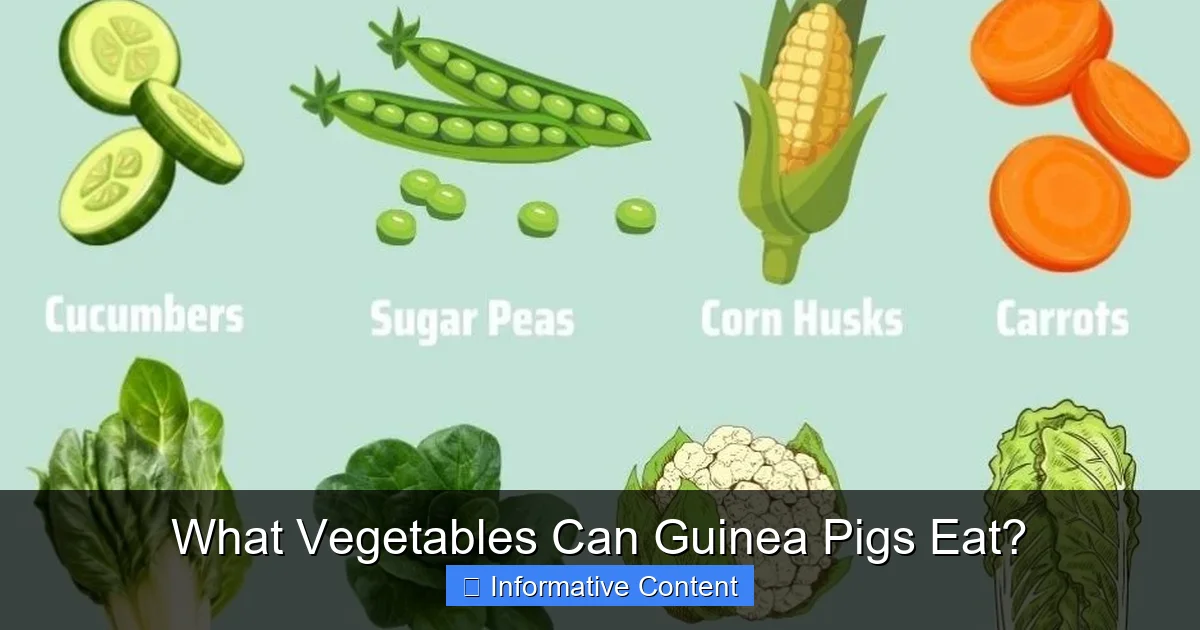
Feeding your guinea pig the right vegetables is crucial for their health, especially to provide essential Vitamin C. While hay is their primary food source, a daily portion of fresh, safe vegetables complements their diet, offering vital nutrients and hydration. Always remember to introduce new foods slowly and prioritize variety and moderation to keep your piggy happy and healthy.
Contents
- What Vegetables Can Guinea Pigs Eat?
- Key Takeaways
- Quick Answers to Common Questions
- 📑 Table of Contents
- The Cornerstone of Guinea Pig Health: Why Veggies Are Essential
- Daily Delights: The Best Vegetables for Your Guinea Pig
- Occasional Treats: Vegetables to Offer in Moderation
- Veggies to Absolutely Avoid: Dangerous Foods for Guinea Pigs
- How to Introduce and Serve Vegetables Safely
- Creating a Balanced Vegetable Diet for Your Guinea Pig
- Conclusion: Happy Eating, Happy Guinea Pig!
- Frequently Asked Questions
What Vegetables Can Guinea Pigs Eat?
Welcome, fellow guinea pig parent! If you’re here, you’re likely wondering about the best way to keep your adorable little furball happy and healthy, and that starts right in their food bowl. It’s wonderful that you’re looking into their diet, because what your guinea pig eats plays a massive role in their overall well-being. A balanced diet is truly the cornerstone of a long and joyful life for your cavy companion.
While hay is undoubtedly the most important part of a guinea pig’s diet, fresh vegetables come in a very close second. Think of them as nature’s multivitamin and hydration station for your piggy. But not all veggies are created equal when it comes to guinea pigs. Some are packed with beneficial nutrients, while others can be harmful or should only be given as rare treats. Navigating this can feel a bit like a maze, but don’t worry, we’re here to help you understand exactly what vegetables guinea pigs can eat safely and with great enjoyment.
This comprehensive guide will walk you through everything you need to know about feeding vegetables to your guinea pig. We’ll cover the daily essentials, the occasional indulgences, and the absolute no-gos. By the end, you’ll be a confident veggie-feeding pro, ready to prepare delicious and healthy meals for your beloved pet. So, let’s dive into the colorful world of guinea pig nutrition!
Key Takeaways
- Hay is King: Timothy hay or other grass hay should make up 80% of a guinea pig’s diet, providing essential fiber for digestion and dental health.
- Vitamin C is Crucial: Guinea pigs cannot produce their own Vitamin C, so it must be supplied daily through fresh vegetables like bell peppers or leafy greens.
- Prioritize Safe Veggies Daily: Offer a variety of safe, fresh vegetables every day, focusing on high Vitamin C options and leafy greens.
- Moderate Certain Veggies: Some vegetables, while safe, should be given in smaller amounts and less frequently due to high calcium, sugar, or oxalic acid content.
- Avoid Harmful Foods: Always know which vegetables and other foods are toxic or dangerous for guinea pigs to prevent serious health issues.
- Wash and Prepare Properly: Always wash vegetables thoroughly to remove pesticides and dirt, and cut them into manageable pieces to prevent choking.
- Introduce New Foods Slowly: When introducing a new vegetable, offer a small piece and monitor your guinea pig for any digestive upset before adding it to their regular rotation.
Quick Answers to Common Questions
Can guinea pigs eat lettuce?
Yes, guinea pigs can eat certain types of lettuce like romaine, green leaf, and red leaf lettuce daily. Avoid iceberg lettuce as it has little nutritional value and can cause diarrhea.
How much vegetables should a guinea pig eat daily?
A good general guideline is about one cup of mixed fresh vegetables per guinea pig per day, divided into two feedings.
Do guinea pigs need Vitamin C supplements if they eat vegetables?
If your guinea pig is eating a varied diet of fresh vegetables high in Vitamin C daily, a separate supplement is usually not necessary. Consult your vet if you’re concerned about their Vitamin C intake.
Can guinea pigs eat fruit?
Guinea pigs can eat certain fruits like small pieces of apple or berries as very occasional treats due to their high sugar content. Fruits should never be a daily staple like vegetables.
What is the most important food for a guinea pig?
The most important food for a guinea pig is unlimited access to fresh, high-quality hay (like Timothy hay), which should make up about 80% of their diet.
📑 Table of Contents
- The Cornerstone of Guinea Pig Health: Why Veggies Are Essential
- Daily Delights: The Best Vegetables for Your Guinea Pig
- Occasional Treats: Vegetables to Offer in Moderation
- Veggies to Absolutely Avoid: Dangerous Foods for Guinea Pigs
- How to Introduce and Serve Vegetables Safely
- Creating a Balanced Vegetable Diet for Your Guinea Pig
- Conclusion: Happy Eating, Happy Guinea Pig!
The Cornerstone of Guinea Pig Health: Why Veggies Are Essential
You might already know that guinea pigs are herbivores, meaning they eat only plants. Their digestive systems are quite sensitive and specifically designed to process fibrous plant matter. While unlimited access to fresh, high-quality hay (like Timothy hay) forms the bulk of their diet and is essential for their digestion and ever-growing teeth, fresh vegetables add a critical layer of nutrition that hay alone cannot provide.
Vitamin C: The Lifesaver Guinea Pigs Can’t Make
One of the most vital reasons to include a daily serving of fresh vegetables is Vitamin C. Just like humans, guinea pigs cannot produce their own Vitamin C. This means they must get it from their diet. A lack of Vitamin C can lead to a serious condition called scurvy, which can cause joint pain, lethargy, poor coat quality, and even be fatal. Many fresh vegetables are fantastic natural sources of this essential vitamin. Supplying adequate Vitamin C daily is a non-negotiable part of caring for your guinea pig.
Hydration and Variety
Beyond Vitamin C, vegetables also provide much-needed hydration. Guinea pigs often don’t drink a lot of water directly from their bottles, so getting extra fluids from juicy vegetables is very beneficial. Plus, offering a variety of safe vegetables adds interest and enrichment to their daily routine. Imagine eating the same thing every day – boring! A varied diet keeps your guinea pig engaged and ensures they get a broad spectrum of vitamins, minerals, and antioxidants.
Daily Delights: The Best Vegetables for Your Guinea Pig
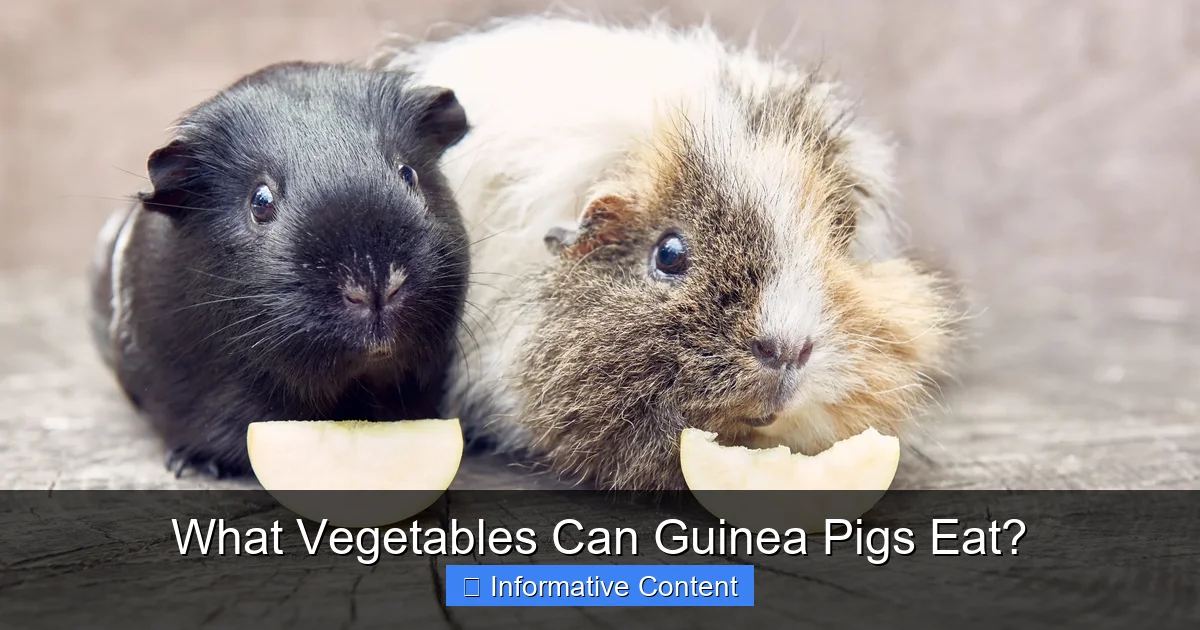
Visual guide about What Vegetables Can Guinea Pigs Eat?
Image source: cdn.mos.cms.futurecdn.net
When it comes to daily feeding, the goal is to offer a mix of vegetables that are high in Vitamin C, low in calcium (to prevent bladder stones), and not too high in sugar. A good rule of thumb is about one cup of fresh vegetables per guinea pig per day, split into two feedings. Always wash vegetables thoroughly under cold water before serving them to remove any pesticides or dirt.
High Vitamin C Heroes
These vegetables are champions when it comes to Vitamin C and are perfect for daily feeding.
- Bell Peppers (All Colors): Red, yellow, and orange bell peppers are fantastic! They are very high in Vitamin C and relatively low in calcium. Green bell peppers are also good, but have slightly less Vitamin C. They are crunchy and many guinea pigs absolutely love them.
- Parsley (Small Amounts): While very high in Vitamin C, parsley is also higher in calcium and oxalic acid, so it should be given in smaller amounts a few times a week rather than daily. A small sprig is plenty.
- Broccoli (Small Amounts of Florets): Broccoli contains good Vitamin C, but can cause gas in some guinea pigs. Offer tiny florets and monitor your pet. It’s best given in moderation.
- Brussels Sprouts (Small Amounts): Like broccoli, these are good in small quantities but can cause gas. Offer tiny pieces sparingly.
Leafy Green Goodness
Leafy greens are a cornerstone of a healthy guinea pig diet. They offer a good mix of vitamins and fiber.
- Romaine Lettuce: This is an excellent choice for daily feeding. It’s hydrating and provides good nutrients without being too high in calcium.
- Green Leaf Lettuce: Similar to romaine, it’s a great daily option.
- Red Leaf Lettuce: Another safe and healthy choice for regular feeding.
- Cilantro: Many guinea pigs adore cilantro! It’s generally safe for daily feeding in moderate amounts.
- Dandelion Greens: If you can find pesticide-free dandelion greens (from your own yard, not sprayed!), they are a fantastic, nutrient-rich treat. Wash them very well.
Other Safe and Beneficial Vegetables
These can also be part of the daily mix, offering variety and different nutrients.
- Cucumber: Very hydrating and low in calories, cucumber is a great addition, especially in hot weather. It’s low in nutrients compared to other veggies, so don’t let it replace more nutrient-dense options.
- Zucchini: Similar to cucumber, zucchini is hydrating and safe in moderation.
- Carrots (Small Amounts): While guinea pigs often love carrots, they are high in sugar and calcium. Offer a small slice or two a few times a week, not daily.
- Celery: Cut celery into small pieces and remove the stringy parts to prevent choking. It’s mainly water and fiber.
Occasional Treats: Vegetables to Offer in Moderation
Some vegetables are perfectly safe for your guinea pig but should only be given in smaller quantities and less frequently. This is often due to higher calcium content, which can contribute to bladder stones, or higher sugar levels.
Higher Calcium & Oxalate Veggies
While necessary for bone health, too much calcium can lead to urinary tract issues like bladder stones in guinea pigs. Oxalic acid can also cause problems if consumed in excess.
- Spinach: High in calcium and oxalates. Offer a small leaf once or twice a week.
- Kale: Also high in calcium. A small piece a few times a week is fine.
- Mustard Greens: Good source of Vitamin C but high in calcium. Give sparingly.
- Beet Greens: High in oxalates and calcium. Very occasional treat.
- Swiss Chard: Similar to beet greens, best offered rarely.
Higher Sugar & Starch Veggies
These can be enjoyed occasionally but in small amounts to avoid weight gain and digestive upset.
- Tomatoes: The fruit of the tomato plant is safe, but avoid the stem and leaves, which are toxic. Tomatoes are acidic and high in sugar, so offer a small slice once or twice a week.
- Corn (Fresh, on the cob): A small amount of fresh corn can be a fun treat, but it’s starchy and high in sugar. Remove it from the cob to prevent choking. Very occasional.
- Pumpkin/Squash: Can be given in small amounts as an occasional treat. Make sure it’s raw and fresh, not cooked or seasoned.
Veggies to Absolutely Avoid: Dangerous Foods for Guinea Pigs
This section is extremely important. There are many common vegetables that are toxic or very unhealthy for guinea pigs. Feeding these can lead to serious illness or even death. Always double-check if you are unsure about a new food.
The “Never Feed” List
- Onions, Garlic, Leeks, Chives: All members of the allium family are toxic to guinea pigs and can cause blood disorders.
- Potatoes (Raw or Cooked), Potato Skins, Sweet Potatoes: High in starches and solanine, a toxic compound. They are difficult for guinea pigs to digest.
- Rhubarb: Contains high levels of oxalic acid, which is toxic to guinea pigs.
- Avocado: High in fat and can cause digestive issues.
- Iceberg Lettuce: While not directly toxic, iceberg lettuce is mostly water and has very little nutritional value. It can also cause diarrhea due to its high water content. Stick to darker leafy greens.
- Cabbage: Can cause severe gas and bloating, which is very painful and dangerous for guinea pigs.
- Mushrooms: Fungi are generally not safe for guinea pigs and can be toxic.
- Processed or Cooked Vegetables: Guinea pigs should only eat fresh, raw vegetables. Cooked or seasoned foods are unsuitable and can be harmful.
- Any part of a plant that is not listed as safe: When in doubt, leave it out. For example, tomato leaves and stems are toxic, even though the fruit is safe in moderation.
How to Introduce and Serve Vegetables Safely
Bringing new foods into your guinea pig’s diet requires a bit of strategy to avoid upsetting their sensitive digestive system.
Step-by-Step Introduction
- Start Small: When introducing a new vegetable, offer only a tiny piece.
- One at a Time: Introduce one new vegetable at a time over a few days. This way, if your guinea pig has a bad reaction (like soft stools or gas), you’ll know exactly which food caused it.
- Monitor Closely: Watch your guinea pig’s stools and behavior for 24-48 hours after introducing a new food. If everything seems normal, you can gradually increase the portion size or frequency.
- Variety is Key: Once a food is accepted, incorporate it into a rotation with other safe vegetables. Don’t stick to just one or two types.
Preparation Pointers
- Wash Thoroughly: Always wash all vegetables under cold running water to remove pesticides, dirt, and bacteria.
- Chop Appropriately: Cut vegetables into small, bite-sized pieces to prevent choking. Long, stringy items like celery should be cut short, and the strings removed.
- Remove Seeds: For bell peppers, remove the seeds before feeding.
- Serve Fresh: Only offer fresh vegetables. Never give anything wilted, moldy, or rotten. Remove any uneaten fresh food after a few hours to prevent spoilage and bacterial growth.
- Room Temperature: Serve vegetables at room temperature, not straight from the fridge.
Creating a Balanced Vegetable Diet for Your Guinea Pig
Building a healthy daily menu for your guinea pig is about balance, variety, and understanding their nutritional needs.
The Daily Plate
Aim for about one cup of mixed fresh vegetables per guinea pig, divided into two feedings (morning and evening).
* Foundation: The majority should be high-Vitamin C, low-calcium options like bell peppers (all colors) and hydrating items like romaine or green leaf lettuce, or cucumber.
* Leafy Green Rotation: Rotate through various safe leafy greens (e.g., romaine, green leaf, red leaf, cilantro) to provide different nutrients and prevent overconsumption of any single compound.
* Small Additions: Add a small amount of a ‘moderate’ vegetable a few times a week (e.g., a tiny piece of carrot, a small sprig of parsley, a bit of kale).
Example Daily Menu (for one guinea pig)
* Morning: Quarter of a bell pepper (any color) + a few leaves of romaine lettuce.
* Evening: A small slice of cucumber + a small handful of cilantro or red leaf lettuce.
* Throughout the week: Rotate in a tiny piece of carrot, a small sprig of parsley, or a small floret of broccoli a few times.
Listen to Your Piggy
Every guinea pig is an individual. Some might have sensitive tummies and react poorly to certain foods, even if they are generally safe. Pay attention to their preferences and any changes in their stool. If a certain veggie consistently causes soft stools, gas, or a lack of appetite, it’s best to remove it from their diet.
Conclusion: Happy Eating, Happy Guinea Pig!
Providing your guinea pig with a varied and appropriate diet of fresh vegetables is one of the most rewarding parts of being a guinea pig owner. Not only are you ensuring they get all the essential nutrients they need, especially that crucial Vitamin C, but you’re also adding joy and enrichment to their daily lives. Seeing them happily munching on a colorful array of veggies is truly a delight!
Remember the golden rules: hay first, then fresh, safe vegetables daily. Prioritize variety, introduce new foods slowly, and always know which vegetables guinea pigs can eat and which to avoid. With a little care and attention to their diet, your furry friend will thrive, staying energetic, healthy, and full of life for years to come. Here’s to many happy, healthy meal times with your beloved guinea pig!
Frequently Asked Questions
What vegetables are best for guinea pigs every day?
For daily feeding, focus on vegetables high in Vitamin C and low in calcium, such as bell peppers (all colors), romaine lettuce, green leaf lettuce, and cilantro. These provide essential nutrients without overdoing calcium or sugars.
Why can’t guinea pigs eat iceberg lettuce?
Iceberg lettuce is primarily water and offers very little nutritional value for guinea pigs. Its high water content can also lead to diarrhea and digestive upset, so it’s best to stick to more nutritious leafy greens.
Are carrots good for guinea pigs?
While guinea pigs often love carrots, they are high in sugar and calcium, making them suitable only as an occasional treat. A small slice or two a few times a week is sufficient, rather than daily feeding.
What happens if a guinea pig doesn’t get enough Vitamin C?
If a guinea pig doesn’t get enough Vitamin C, they can develop scurvy. Symptoms include lethargy, joint pain, poor coat quality, loss of appetite, and a weakened immune system. It can be fatal if left untreated.
Should I wash vegetables before giving them to my guinea pig?
Yes, absolutely! Always wash all vegetables thoroughly under cold running water before feeding them to your guinea pig. This removes any pesticides, dirt, or bacteria that could be harmful to your pet.
Can guinea pigs eat vegetable scraps from my kitchen?
It depends on the scrap. Only give your guinea pig fresh, clean scraps from safe vegetables you would eat yourself, ensuring they are not moldy, cooked, or seasoned. Never give them onion or garlic scraps, potato peels, or anything from the “avoid” list.