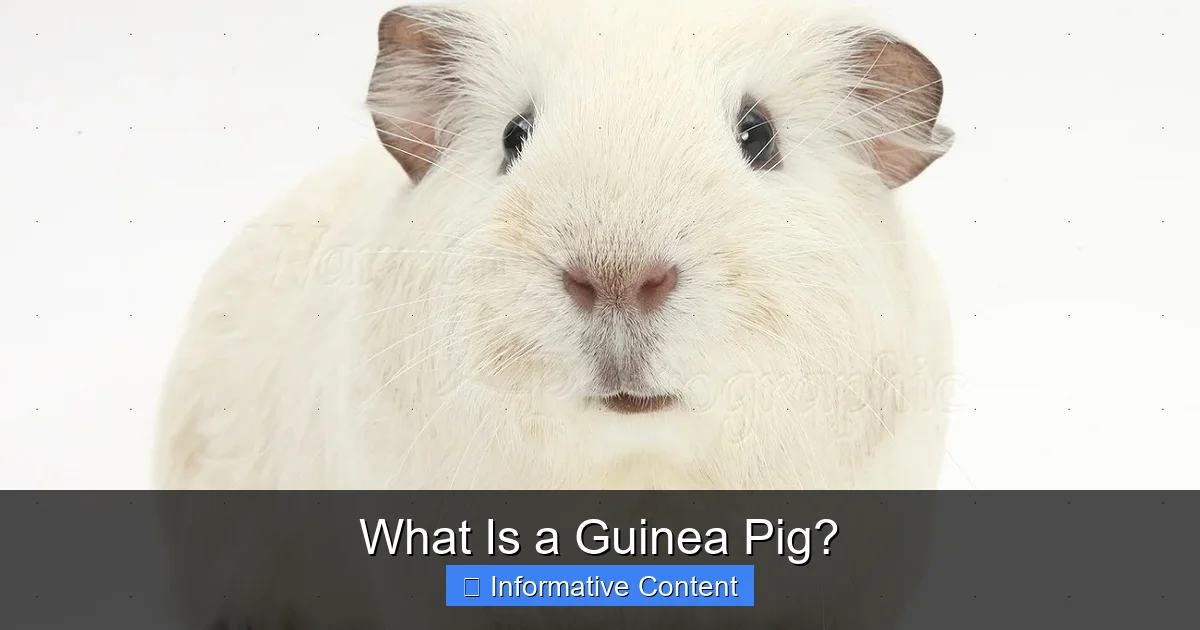
What is a guinea pig? A guinea pig is a delightful, small rodent known for its docile nature, charming vocalizations, and affectionate personality. Originating from the Andes Mountains, these social creatures thrive on companionship, fresh hay, and a diet rich in vitamin C. Understanding their specific needs for housing, diet, and interaction is key to providing a happy, healthy home for these wonderful pets.
Contents
- What Is a Guinea Pig?
- Key Takeaways
- Quick Answers to Common Questions
- 📑 Table of Contents
- Understanding What Is a Guinea Pig: Origins and Characteristics
- The Personality and Behavior of a Guinea Pig
- Caring for Your Guinea Pig: Habitat and Health
- Common Misconceptions and Interesting Facts About Guinea Pigs
- Are Guinea Pigs the Right Pet for You?
- Frequently Asked Questions
What Is a Guinea Pig?
Have you ever found yourself utterly captivated by those tiny, furry creatures with the endless appetite for hay and the most adorable “wheeks” you’ve ever heard? If so, you’re likely thinking about a guinea pig! These charming, gentle rodents have won the hearts of countless pet owners around the globe, becoming cherished members of families big and small. But beyond their undeniable cuteness, what exactly is a guinea pig, and what makes them such unique and wonderful companions?
In this comprehensive guide, we’re going to dive deep into the world of guinea pigs. We’ll explore their fascinating origins, uncover their distinctive personalities, break down their specific care requirements, and debunk some common myths. Whether you’re a seasoned guinea pig enthusiast or just beginning to ponder the possibility of welcoming one (or two!) into your life, get ready to learn everything you need to know about these delightful creatures. Prepare to be enchanted by the quirks, charms, and surprising complexities of what is a guinea pig!
Key Takeaways
- Sociable & Affectionate: Guinea pigs are highly social animals that thrive on companionship, preferring to live in pairs or small groups. They can form strong bonds with their human caregivers.
- Distinctive Communication: These vocal creatures communicate through a variety of sounds, including their famous “wheek” of excitement, purrs of contentment, and chirps.
- Strict Dietary Needs: Guinea pigs are herbivores requiring a constant supply of fresh hay for digestion and dental health, supplemented with specially formulated pellets and fresh vegetables rich in Vitamin C.
- Essential Vitamin C: Unlike most mammals, guinea pigs cannot produce their own Vitamin C, making daily dietary supplementation crucial to prevent scurvy and other health issues.
- Specific Housing Requirements: They need spacious cages with plenty of room to roam, separate areas for sleeping and eating, and absorbent bedding.
- Relatively Long Lifespan: With proper care, a guinea pig can live between 5 to 7 years, requiring a significant commitment from their owners.
- Active & Playful: Despite their small size, guinea pigs are active and curious. They enjoy exploring, playing with toys, and having daily floor time outside their cage.
Quick Answers to Common Questions
Do guinea pigs bite?
Guinea pigs are generally docile and rarely bite. They typically only bite if they are very scared, in pain, or startled. With gentle handling and a secure environment, biting is uncommon.
Can guinea pigs live alone?
While a guinea pig can survive alone, they are highly social animals and thrive on companionship. It’s almost always recommended to keep guinea pigs in pairs or small groups of the same sex to ensure their emotional well-being.
What do guinea pigs eat besides hay?
Beyond unlimited fresh hay, guinea pigs need a small amount of high-quality guinea pig pellets (fortified with Vitamin C) and a daily cup of fresh vegetables like romaine lettuce, bell peppers, cilantro, or parsley.
How long do guinea pigs live?
With proper care, a guinea pig typically lives for 5 to 7 years. Some individuals may live even longer, making them a significant long-term commitment.
Do guinea pigs need a lot of space?
Yes, guinea pigs need a surprisingly large cage. For two guinea pigs, a minimum of 7.5 square feet of unbroken floor space is recommended, as they are active and need room to roam and explore.
📑 Table of Contents
Understanding What Is a Guinea Pig: Origins and Characteristics
To truly understand what is a guinea pig, we need to journey back in time and across continents to their ancestral homeland. These aren’t just any rodents; they come with a rich history and a suite of unique physical and behavioral traits that set them apart.
A Glimpse into Their Wild Past
Despite their common name, guinea pigs are neither pigs nor are they from Guinea! Their scientific name, Cavia porcellus, offers a clue to their true identity. They belong to the Caviidae family, which are South American rodents, and their closest wild relatives are various species of cavies. Originating from the Andes Mountains in South America, particularly in regions now part of Peru, Bolivia, and Ecuador, guinea pigs have a long history of interaction with humans, dating back thousands of years.
Ancient Andean civilizations, such as the Inca, domesticated guinea pigs not only as a food source but also for religious ceremonies. Over time, European explorers brought them back to the Old World, where their gentle nature and appealing appearance quickly made them popular exotic pets among the wealthy, including royalty. Today’s domesticated guinea pig is far removed from its wild ancestors, having been selectively bred for a wide array of colors, coat types, and temperaments.
Physical Attributes: What Makes Them Unique?
When you see a guinea pig, several physical characteristics immediately stand out. They are typically stocky, robust rodents with short legs, a compact body, and no visible tail. Their average size ranges from 8 to 12 inches (20-30 cm) in length and they weigh between 1.5 to 3 pounds (700-1200 grams), with males usually being larger than females.
One of the most captivating aspects of a guinea pig is its fur. You’ll find an astonishing variety of coat types, each with its own charm:
- Smooth-coated (American/English): Short, sleek, and easy to maintain.
- Abyssinian: Characterized by rosettes or swirls of hair, giving them a perpetually “bad hair day” look that’s incredibly endearing.
- Peruvian: Known for their incredibly long, flowing hair that can reach the ground if not regularly trimmed.
- Silkie (Sheltie): Similar to Peruvians but with hair that flows backward from the head, creating a glamorous mane.
- Texel: A curly-haired version of the Silkie, with soft, spiraled locks.
- Coronet: A smooth-coated guinea pig with a distinctive rosette on its forehead, like a crown.
Their teeth are another remarkable feature. Like all rodents, guinea pigs have continuously growing incisors. This is why a constant supply of hay and safe chew toys is crucial for their dental health, preventing painful overgrowth.
Lifespan and Growth
With proper care, a guinea pig typically lives for 5 to 7 years, though some can live even longer. This makes them a significant long-term commitment. They grow fairly quickly, reaching their adult size by about 6-8 months of age. Understanding their lifespan is a key part of answering “what is a guinea pig?” as it highlights the responsibility involved in pet ownership.
The Personality and Behavior of a Guinea Pig
Beyond their physical traits, what truly defines what is a guinea pig is their charming personality and unique behaviors. These are not quiet, reclusive animals; they are interactive, social, and full of character!
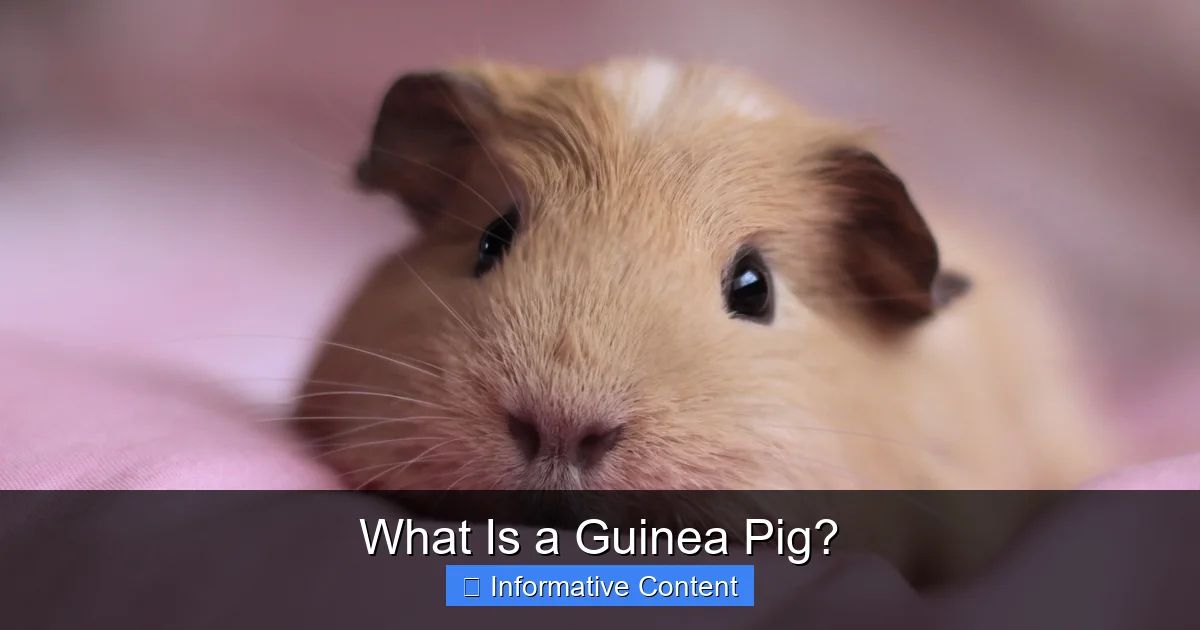
Visual guide about What Is a Guinea Pig?
Image source: eskipaper.com
Social Butterflies (or Piglets!)
Guinea pigs are highly social creatures. In the wild, they live in herds, and this innate need for companionship translates directly to their lives as pets. A lone guinea pig can become lonely, depressed, and withdrawn, even with significant human interaction. It’s almost always recommended to keep guinea pigs in pairs or small groups (of the same sex to prevent unwanted pregnancies, or a neutered male with females). They will groom each other, play together, and provide comfort, enriching each other’s lives immensely.
They can also form incredibly strong bonds with their human companions. Many guinea pigs love to be held, petted, and even sit on laps for extended periods, especially once they feel safe and secure. They learn to recognize their owners’ voices and footsteps, often “wheeking” with excitement when they sense you approaching.
The Language of Guinea Pigs: Wheeks, Purrs, and More
One of the most endearing aspects of what is a guinea pig is their diverse vocal repertoire. They are incredibly communicative and will let you know exactly how they’re feeling:
- Wheeking: This is arguably their most famous sound – a loud, high-pitched whistle, often heard when they anticipate food, see their owner, or are excited about something.
- Purring: A low, rumbling sound indicating contentment. If they purr quickly, it might mean slight annoyance or uncertainty.
- Rumbling: A deeper, vibrating purr often heard during courtship or when asserting dominance.
- Chirping: A rare sound, similar to a bird’s chirp, believed to indicate distress or excitement, often when they feel threatened or are looking for a lost companion.
- Teeth Chattering: A sign of anger or agitation, warning others to back off.
- Squeals/Shrieks: Usually indicates pain, fear, or extreme unhappiness.
Observing and learning their unique language is a rewarding part of owning a guinea pig and helps solidify your understanding of what is a guinea pig.
Playful Personalities and Daily Routines
Guinea pigs are generally docile and rarely bite, making them excellent pets for families with gentle children. They enjoy routines and will often anticipate daily activities like feeding time or floor time. You might observe them “popcorning” – a sudden, joyful leap into the air, often accompanied by a twist, indicating extreme happiness and excitement. They also love to explore, hide in tunnels, and chew on safe toys. Daily “floor time” outside their cage in a supervised, guinea pig-proofed area is essential for their physical and mental well-being.
Caring for Your Guinea Pig: Habitat and Health
Understanding what is a guinea pig also means grasping their specific care needs. Providing the right environment, diet, and healthcare is paramount to their happiness and longevity.
The Perfect Abode: Setting Up Their Home
Space is key for guinea pigs. Despite their small size, they need a surprisingly large cage to thrive. A cage that is at least 7.5 square feet for two guinea pigs is a good starting point, but bigger is always better. C&C (cubes and coroplast) cages are popular options because they are customizable and provide ample space.
Inside the cage, you’ll need:
- Bedding: Absorbent and safe bedding is crucial. Options include fleece liners (which require daily spot cleaning and regular washing), paper-based bedding, or kiln-dried pine shavings. Avoid cedar or untreated pine shavings, as they contain harmful oils.
- Hidey Houses: Guinea pigs are prey animals and need multiple places to hide and feel secure. Provide several tunnels, igloos, or fabric hideaways.
- Food & Water: A heavy ceramic bowl for pellets and fresh vegetables, and a sipper bottle for water.
- Hay Rack: A separate rack or feeder to keep hay clean and easily accessible.
- Litter Box (Optional): Some guinea pigs can be litter-trained, making cleanup easier.
Place the cage in a quiet, draft-free area of your home, away from direct sunlight or extreme temperatures. They do best in temperatures between 65-75°F (18-24°C).
A Balanced Diet: What to Feed Your Guinea Pig
Diet is perhaps the most critical aspect of what is a guinea pig care. Their digestive system is designed for a high-fiber diet, and they have a unique nutritional requirement for Vitamin C.
- Unlimited Hay: This is the foundation of their diet. Timothy hay (or orchard hay for allergic owners) should be available 24/7. It aids digestion and, crucially, helps grind down their continuously growing teeth, preventing painful dental issues.
- Pellets: A small amount (about 1/8 to 1/4 cup per guinea pig per day) of high-quality, plain guinea pig pellets (not rabbit pellets) fortified with Vitamin C. Look for brands that list hay as the first ingredient.
- Fresh Vegetables: About one cup of fresh, leafy green vegetables daily per guinea pig. Good options include romaine lettuce, bell peppers (high in Vitamin C), cilantro, parsley, and small amounts of kale or spinach. Introduce new veggies slowly.
- Fruit (Treats): Fruits should be given sparingly as treats due to their high sugar content. Small pieces of apple, berries, or melon are fine occasionally.
- Vitamin C Supplementation: Since guinea pigs cannot synthesize their own Vitamin C, daily supplementation is vital. This can be achieved through fresh bell peppers, dark leafy greens, or a small amount of a Vitamin C tablet specifically formulated for guinea pigs. Never add it to their water, as it quickly degrades and can make the water taste unappealing.
- Fresh Water: Always available in a clean sipper bottle.
Health and Hygiene: Keeping Them Thriving
Regular health checks are part of responsible guinea pig ownership. Keep an eye out for changes in appetite, activity level, coat condition, or droppings, as these can be early signs of illness. Common health issues include respiratory infections, dental problems, skin mites, fungal infections, and urinary tract infections.
Grooming is also essential. Long-haired breeds require daily brushing to prevent mats. All guinea pigs need their nails trimmed regularly (every 2-4 weeks) and may occasionally need a butt bath if their hindquarters get soiled. Regular veterinary check-ups with a vet experienced in exotic animals are highly recommended.
Enrichment and Exercise: Happy Piggies are Active Piggies
What is a guinea pig without its playful spirit? They need mental and physical stimulation. Provide tunnels, chew toys (like untreated wood blocks or hay-based toys), and safe areas for daily supervised floor time. This helps prevent boredom, promotes exercise, and strengthens their bond with you. Avoid exercise balls, as they are dangerous and can cause spinal injuries for guinea pigs.
Common Misconceptions and Interesting Facts About Guinea Pigs
There are many things people assume about guinea pigs that aren’t quite accurate. Let’s clear up some common misunderstandings and share some fascinating tidbits.
Not Actually Pigs, Not From Guinea
As mentioned earlier, the name “guinea pig” is a misnomer. They are rodents, not pigs, and they originate from South America, not the country of Guinea in West Africa. The “pig” part of their name might refer to the pig-like grunting sounds they sometimes make or their stocky build. The “guinea” part is more of a mystery, with theories ranging from being sold for a guinea coin to being brought to Europe via Guinea.
Their Unique Vitamin C Requirement
This cannot be stressed enough: guinea pigs are one of the few mammals (along with humans and some primates) that cannot produce their own Vitamin C. This makes them highly susceptible to scurvy if their diet is deficient. Symptoms of scurvy can include lethargy, joint swelling, reluctance to move, and rough coat, and it can be fatal if untreated. This vital nutritional need is a defining characteristic of what is a guinea pig.
They Have Excellent Hearing and Smell
While their eyesight isn’t particularly strong (they see best in peripheral vision and have some color perception), guinea pigs compensate with highly developed senses of hearing and smell. They can hear frequencies far beyond human range, which is why they often react to sounds you might not even notice. Their keen sense of smell helps them identify food, other guinea pigs, and their surroundings.
Pop Culture Appearances
Guinea pigs have occasionally starred in popular culture! From being the subject of scientific experiments (hence their use in the phrase “guinea pig” for a test subject) to appearing in movies like Disney’s “G-Force,” these little creatures have made their mark beyond the pet cage.
Are Guinea Pigs the Right Pet for You?
Before bringing a guinea pig into your home, it’s crucial to consider if you can meet their needs. Understanding what is a guinea pig fully involves understanding the commitment required.
Time and Commitment
Guinea pigs require daily attention. This includes feeding, changing water, spot cleaning their cage, providing fresh hay, and daily interaction (lap time, floor time). Regular full cage cleaning is also needed, typically once or twice a week, depending on the bedding type. Given their 5-7 year lifespan, this is a long-term commitment.
Financial Considerations
While the initial cost of a guinea pig itself might be low, the ongoing expenses can add up. Consider the cost of a spacious cage, bedding, unlimited hay, high-quality pellets, fresh vegetables, toys, and potential veterinary bills. Investing in a good setup from the start and maintaining a healthy diet can save on vet costs down the line, but emergencies can happen.
Family Fit
Guinea pigs are generally gentle and make wonderful pets for families. They are less demanding than a dog or cat but more interactive than a fish. They can be a great way to teach children responsibility and empathy, but always ensure children interact with them gently and under adult supervision. Their social nature means they thrive with interaction, so a family that has time to spend with them is ideal.
In conclusion, what is a guinea pig? It’s much more than just a small, furry rodent. It’s a social, communicative, and affectionate companion with unique needs and a delightful personality. With proper care, a spacious and stimulating environment, a balanced diet, and plenty of love, a guinea pig can bring immense joy and enrichment to your life. They truly are fascinating creatures, deserving of thoughtful consideration and dedicated care.
Frequently Asked Questions
What is the average daily care routine for a guinea pig?
A typical daily routine involves providing fresh hay, refilling their water bottle, refreshing their pellet bowl, and offering a cup of fresh vegetables. You should also spot clean their cage and provide some supervised floor time and interaction.
Can guinea pigs be litter trained?
While not all guinea pigs can be fully litter trained, many can be encouraged to use a specific area of their cage as a “bathroom,” especially if you place a hay rack above a small litter box, as they often relieve themselves while eating.
Are guinea pigs good pets for children?
Yes, guinea pigs can make excellent pets for children due to their docile nature and relatively easy handling. However, adult supervision is always necessary to ensure gentle interaction and that the child understands the pet’s needs and proper care.
What are common signs of illness in a guinea pig?
Common signs of illness in a guinea pig include lethargy, loss of appetite, changes in droppings, discharge from the eyes or nose, labored breathing, limping, or a rough, unkempt coat. Any change in their normal behavior warrants a visit to an exotic vet.
Do guinea pigs need to chew a lot?
Absolutely! Guinea pigs’ teeth grow continuously, so constant chewing on hay and safe chew toys is vital. This process helps wear down their teeth, preventing painful overgrowth and dental issues.
What does “popcorning” mean for a guinea pig?
“Popcorning” is a delightful behavior where a guinea pig makes sudden, happy leaps and jumps into the air, often accompanied by a twist or kick. It’s a clear sign of joy, excitement, and overall contentment.