Taking care of a guinea pig is a rewarding experience that requires dedication to their unique needs. Providing a spacious cage, a diet rich in hay, fresh vegetables, and Vitamin C, and regular handling are foundational steps. Consistent attention to their health, daily enrichment, and a clean living environment will ensure your little cavy thrives and brings joy for years to come.
Contents
- How to Take Care of a Guinea Pig?
- Key Takeaways
- Quick Answers to Common Questions
- 📑 Table of Contents
- Creating the Perfect Home: Housing and Environment
- Fueling Their Health: Diet and Nutrition
- Health and Hygiene: Grooming and Veterinary Care
- Beyond Basics: Socialization, Enrichment, and Companionship
- Safety First: Protecting Your Guinea Pig
- Conclusion: A Rewarding Journey
- Frequently Asked Questions
How to Take Care of a Guinea Pig?
Welcome, future or current guinea pig parent! If you’re wondering how to take care of a guinea pig, you’ve come to the right place. These adorable, chatty little creatures, often called cavies, make wonderful pets with their distinct personalities and endearing “wheeks” and “purrs.” They are relatively easy to care for once you understand their specific needs, but make no mistake, they require a significant commitment of time and resources. They aren’t just for kids; they thrive with dedicated adult care.
Caring for a guinea pig means providing a safe, clean, stimulating environment, a balanced diet, and plenty of love and attention. Unlike some other small pets, guinea pigs are social animals who love interaction and companionship. They can live 5-7 years, sometimes even longer, so preparing for this long-term responsibility is key. This comprehensive guide will walk you through everything you need to know about how to take care of a guinea pig, ensuring your furry friend lives a happy, healthy, and fulfilling life.
Let’s dive into the exciting world of guinea pig care, covering everything from setting up their perfect home to keeping them healthy and entertained. Get ready to become the best guinea pig parent you can be!
Key Takeaways
- Spacious Housing is Crucial: Guinea pigs need a large cage (at least 7.5 square feet for one, more for pairs) with solid flooring, appropriate bedding, and hidey houses for security.
- Diet is Paramount: A guinea pig’s diet must consist of unlimited fresh hay, daily fresh leafy greens, a small amount of high-quality guinea pig pellets, and a reliable source of Vitamin C.
- Daily Interaction and Enrichment: Regular gentle handling, supervised floor time, and a variety of safe toys are essential for their mental and physical well-being.
- Grooming and Health Checks: Routine nail trims, occasional fur brushing (especially for long-haired breeds), and daily health checks are necessary to catch potential issues early. Regular vet visits are also important.
- Vitamin C is Non-Negotiable: Guinea pigs cannot produce their own Vitamin C, making daily dietary supplementation through fresh vegetables or a supplement critical to prevent scurvy.
- Cleanliness Prevents Illness: Spot cleaning the cage daily and thorough weekly cleanings are vital to prevent respiratory infections, bumblefoot, and other health problems.
- Companionship Matters: Guinea pigs are highly social animals and thrive when kept in pairs or small groups, providing them with essential interaction and preventing loneliness.
Quick Answers to Common Questions
How often should I clean my guinea pig’s cage?
You should spot clean your guinea pig’s cage daily, removing soiled bedding and droppings, and perform a full, thorough cleaning once a week, washing the entire cage and accessories.
What is the most important part of a guinea pig’s diet?
Unlimited fresh hay is the most important part of a guinea pig’s diet, as it’s crucial for their dental health and digestive system.
Do guinea pigs need Vitamin C?
Yes, guinea pigs absolutely need a daily source of Vitamin C, as they cannot produce it themselves and are prone to scurvy without it.
Can guinea pigs live alone?
While technically possible, guinea pigs are highly social animals and thrive much better when kept in pairs or small groups of the same sex to provide essential companionship.
How long do guinea pigs typically live?
With proper care and nutrition, guinea pigs typically live for 5 to 7 years, though some can live even longer.
📑 Table of Contents
Creating the Perfect Home: Housing and Environment
The first step in knowing how to take care of a guinea pig properly is setting up their living space. A well-designed cage is the foundation of their well-being.
Cage Size and Type
Guinea pigs need space – a lot of it! The common pet store cages are often far too small. For one guinea pig, the absolute minimum cage size should be 7.5 square feet (30″ x 36″). For two guinea pigs, you’ll need at least 10.5 square feet (30″ x 50″). Bigger is always better, especially for multiple cavies. C&C cages (Cube & Coroplast) are popular as they are modular, easy to clean, and can be customized to provide ample space. Look for cages with solid, non-wire bottoms to protect their delicate feet from bumblefoot.
Bedding Choices
Selecting the right bedding is crucial for cleanliness, comfort, and health. Avoid cedar and pine shavings, as they contain harmful phenols that can cause respiratory issues.
- Fleece Liners: These are a popular, eco-friendly, and cost-effective option in the long run. They are absorbent, comfortable, and reusable. You’ll need to layer them over an absorbent material like U-Haul moving pads or puppy pads. They require daily spot cleaning and regular washing.
- Paper-Based Bedding: Brands like Carefresh or CritterCare are soft, absorbent, and safe. They are excellent at odor control but can be expensive and require frequent changing.
- Aspen Shavings: If you prefer wood shavings, aspen is a safe choice as it does not contain harmful phenols. However, it’s less absorbent than paper bedding and may not control odors as well.
Regardless of the type, ensure a deep layer (2-3 inches) for burrowing and comfort.
Cage Accessories
Your guinea pig’s home should be more than just a box. Include essential items:
- Water Bottles: Always provide fresh, clean water in a drip-proof water bottle. Check it daily to ensure it’s not clogged. Having a backup bottle is a good idea.
- Food Bowls: Heavy ceramic bowls are best, as they are hard to tip over and easy to clean. Provide separate bowls for pellets and fresh vegetables.
- Hay Rack/Bag: Guinea pigs need unlimited hay, so a dispenser that keeps hay clean and accessible is important.
- Hidey Houses: Guinea pigs are prey animals and need safe, dark places to retreat. Provide at least one hidey per guinea pig, such as igloos, wooden houses, or fleece tunnels.
- Toys: Safe toys like cardboard tubes, small wooden chew toys, and even crumpled paper balls provide enrichment.
Cage Location and Cleaning
Place the cage in a quiet, draft-free area away from direct sunlight and extreme temperatures. Guinea pigs are sensitive to heat and can suffer from heatstroke. A consistent temperature between 65-75°F (18-24°C) is ideal.
When it comes to how to take care of a guinea pig’s environment, cleanliness is paramount.
- Daily: Spot clean soiled areas, replace dirty bedding, replenish hay, fresh water, and food.
- Weekly: Thoroughly clean the entire cage. Remove all bedding, wash the cage bottom with pet-safe cleaner or diluted white vinegar, and replace with fresh bedding. Wash all accessories.
This routine helps prevent respiratory infections, bumblefoot, and other health issues.
Fueling Their Health: Diet and Nutrition
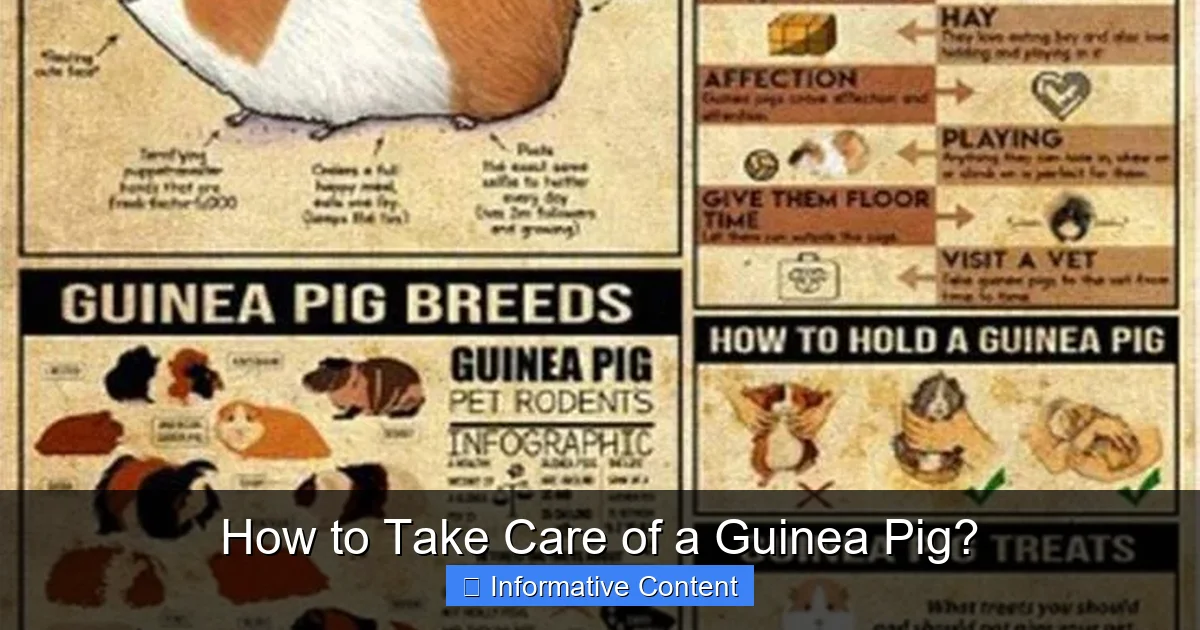
Visual guide about How to Take Care of a Guinea Pig?
Image source: i.pinimg.com
The cornerstone of how to take care of a guinea pig and ensure a long, healthy life is their diet. They have specific dietary needs, especially regarding Vitamin C.
Unlimited Hay
Hay is the most critical component of a guinea pig’s diet. It should be available 24/7. Timothy hay, orchard grass, or botanical hay are excellent choices.
- Why it’s essential: Hay wears down their continuously growing teeth, preventing dental problems. It’s also vital for their digestive system, providing essential fiber.
- Recommendation: Offer a variety of hays to encourage eating and provide different nutrients.
High-Quality Pellets
Offer a small amount (about 1/8 to 1/4 cup per day for an adult) of high-quality, plain guinea pig pellets. Look for pellets that are Timothy hay-based, fortified with Vitamin C, and do not contain seeds, nuts, or sugary additives. Avoid “mixes” with colorful pieces, as these are often unhealthy fillers.
Fresh Vegetables and Fruit
Daily fresh vegetables are crucial for essential vitamins, minerals, and hydration, especially Vitamin C.
- Good choices: Leafy greens like romaine lettuce, green leaf lettuce, red leaf lettuce, bell peppers (all colors – they are high in Vitamin C!), cilantro, parsley, and small amounts of cucumber or carrots. Introduce new vegetables slowly.
- Avoid: Iceberg lettuce (low nutritional value), cabbage, broccoli, cauliflower (can cause gas), starchy vegetables like potatoes, and rhubarb (toxic).
- Fruits: Offer very sparingly (once or twice a week as a treat) due to their high sugar content. Small pieces of apple, berries, or orange are acceptable.
Aim for about one cup of fresh veggies per guinea pig per day. Wash all produce thoroughly.
Vitamin C Supplementation
Guinea pigs cannot produce their own Vitamin C, just like humans. This makes daily supplementation absolutely critical to prevent scurvy, a painful and often fatal condition.
- Best sources: Fresh bell peppers (especially red and yellow), kale, parsley, and oranges.
- Supplements: If your guinea pig isn’t getting enough Vitamin C from vegetables, you can use a high-quality guinea pig-specific Vitamin C supplement. Vitamin C drops in water are generally not recommended as the Vitamin C degrades quickly, and it can deter them from drinking. Chewable Vitamin C tablets are often a better option.
Always consult with a vet before starting any new supplement regimen.
Health and Hygiene: Grooming and Veterinary Care
Knowing how to take care of a guinea pig includes being proactive about their health and grooming needs. Regular checks can catch problems early.
Daily Health Checks
Spend a few minutes each day observing your guinea pig. Look for:
- Appetite and Water Intake: Are they eating and drinking normally? A sudden decrease can be a sign of illness.
- Droppings: Are they firm, oval, and plentiful? Diarrhea or lack of droppings is a red flag.
- Eyes and Nose: Should be clear, bright, and free of discharge.
- Breathing: Should be quiet and effortless. Wheezing, sneezing, or labored breathing needs immediate attention.
- Activity Level: Are they active and alert? Lethargy is a concern.
Grooming Essentials
- Nail Trimming: Guinea pig nails grow continuously and need trimming every 2-4 weeks. Use small animal nail clippers. Be careful to avoid cutting the quick (the pink part), which is painful and will bleed. If you’re unsure, ask your vet or a groomer to show you how.
- Fur Brushing: Short-haired guinea pigs need occasional brushing to remove loose hair. Long-haired breeds, like Peruvians or Silkies, require daily brushing to prevent mats and tangles. Consider trimming long fur around their rear to keep it clean.
- Bathing: Guinea pigs rarely need baths. Only bathe them if they are very dirty and can’t clean themselves. Use a small animal shampoo and ensure they are thoroughly dried afterward to prevent hypothermia. Focus only on the soiled areas.
- Ear and Teeth Checks: Gently check their ears for excessive wax or mites. Periodically check their front teeth to ensure they are even and not overgrown. Overgrown molars can only be seen by a vet.
Common Health Issues and Vet Visits
Guinea pigs are prone to certain health problems.
- Respiratory Infections: Common and serious. Symptoms include sneezing, wheezing, discharge from eyes/nose, lethargy. Require immediate vet attention.
- Dental Problems: Often caused by an improper diet (not enough hay). Symptoms include drooling, difficulty eating, weight loss.
- Scurvy: Due to Vitamin C deficiency. Symptoms include swollen joints, lethargy, poor appetite, rough coat. Preventable with proper diet.
- Skin Mites/Fungus: Can cause itching, hair loss, and skin irritation.
- Urinary Tract Infections (UTIs) / Bladder Stones: Symptoms include painful urination, blood in urine, hunched posture.
It is essential to have an exotic veterinarian for your guinea pig. Schedule an initial check-up when you first get your pet and annual check-ups thereafter. Any sign of illness warrants a prompt vet visit, as guinea pigs often hide symptoms until they are very ill.
Beyond Basics: Socialization, Enrichment, and Companionship
How to take care of a guinea pig isn’t just about physical needs; their mental and emotional well-being are just as vital.
The Importance of Companionship
Guinea pigs are herd animals and thrive in the company of their own kind. Keeping a single guinea pig can lead to loneliness, depression, and health issues.
- Pairs or Groups: The best option is to keep them in same-sex pairs or small groups. Two females (sows) or two neutered males (boars) often get along well. Mixing genders requires neutering the males to prevent unwanted pregnancies.
- Introducing Guinea Pigs: Introductions should be done slowly and in neutral territory to prevent territorial disputes.
A human companion, no matter how dedicated, cannot fully replace the companionship of another guinea pig.
Handling and Bonding
Regular, gentle handling helps build trust and bond with your guinea pig.
- Start Young: Begin handling them when they are young, if possible.
- Support Their Body: Always support their entire body, especially their rear end, as they can injure their spine if dropped or held improperly.
- Gentle Approach: Approach them calmly and speak softly. Offer treats to encourage interaction.
- Lap Time: Many guinea pigs enjoy lap time, especially if they have a cozy towel to burrow into. This is a great opportunity for cuddles and health checks.
Over time, your guinea pig will learn to recognize your voice and scent and may even “wheek” with excitement when you approach.
Enrichment and Playtime
To keep your guinea pig happy and engaged, provide daily enrichment.
- Floor Time: Supervised floor time outside their cage for at least an hour a day is essential. Set up a secure, guinea pig-proof area (using pet playpens or baby gates) where they can explore, run, and “zoomie.”
- Toys: Offer a variety of safe toys:
- Cardboard tubes (from toilet paper or paper towels) – great for chewing and tunneling.
- Small wooden chew toys specifically designed for small animals.
- Hay-stuffed paper bags or empty tissue boxes for foraging.
- Fleece tunnels or soft balls.
- Foraging Opportunities: Hide small treats or pieces of vegetables around their cage or play area to encourage natural foraging behaviors.
Mental stimulation prevents boredom and promotes physical activity, both crucial for their overall health.
Safety First: Protecting Your Guinea Pig
A significant part of how to take care of a guinea pig involves ensuring their environment is safe and free from hazards.
Temperature Sensitivity
Guinea pigs are very sensitive to temperature extremes.
- Heat: They can easily suffer from heatstroke if temperatures exceed 75-80°F (24-27°C). Provide cooling tiles, frozen water bottles wrapped in towels, and ensure good ventilation during warm weather.
- Cold: Keep them away from drafts and cold temperatures below 60°F (15°C).
Predators and Other Pets
Guinea pigs are prey animals. Keep them safe from potential predators, including cats, dogs, and even ferrets. Even if your other pets are generally friendly, their natural instincts can be unpredictable. Always supervise interactions, or better yet, keep them separated.
Toxic Plants and Substances
Be vigilant about what your guinea pig has access to. Many common houseplants are toxic. Ensure their play area is free of:
- Toxic plants (e.g., lilies, daffodils, ivy, peace lily, philodendron).
- Household chemicals, cleaning products, and human medications.
- Small objects they could choke on.
- Electrical cords.
Always research plants before allowing your guinea pig near them.
Conclusion: A Rewarding Journey
Learning how to take care of a guinea pig is a journey filled with love, commitment, and countless heartwarming moments. These wonderful little creatures bring so much joy with their endearing personalities, funny antics, and communicative squeaks. By providing a spacious, clean home, a meticulously balanced diet rich in hay and Vitamin C, regular health checks, and plenty of social interaction and enrichment, you are setting your guinea pig up for a long, healthy, and happy life.
Remember, taking care of a guinea pig is a responsibility, but it’s one that comes with immense rewards. The bond you build with your cavy through consistent care and gentle attention will be truly special. Embrace the “wheeks,” the popcorning, and the endless delight of these charming little pets, and you’ll find they enrich your life in ways you never expected. Happy guinea pig parenting!
Frequently Asked Questions
What are the signs of a happy guinea pig?
A happy guinea pig will often “popcorn” (jump in the air), “zoomie” around their cage or play area, purr contentedly when petted, and have bright, alert eyes. They will also eagerly wheek for food and exhibit curious, playful behavior.
What vegetables are best for guinea pigs?
Excellent vegetables for guinea pigs include bell peppers (especially red and yellow, for Vitamin C), romaine lettuce, green leaf lettuce, cilantro, and parsley. Offer a variety daily, but introduce new foods slowly.
How can I tell if my guinea pig is sick?
Signs of illness in a guinea pig can include lethargy, loss of appetite, changes in droppings, sneezing, wheezing, discharge from eyes or nose, dull coat, or hunched posture. Any significant change in behavior or appearance warrants an immediate vet visit.
What kind of bedding is safest for guinea pigs?
Fleece liners and paper-based beddings like Carefresh or CritterCare are considered safest for guinea pigs. Aspen shavings are also an acceptable wood option, but avoid cedar and pine due to harmful phenols.
Do guinea pigs need toys?
Yes, guinea pigs benefit greatly from toys and enrichment to prevent boredom and encourage physical and mental stimulation. Safe options include cardboard tubes, wooden chew toys, and foraging toys.
How much space does a single guinea pig need?
A single guinea pig needs a minimum cage size of 7.5 square feet (approximately 30″ x 36″). For two guinea pigs, at least 10.5 square feet (30″ x 50″) is recommended, as bigger is always better for these active animals.