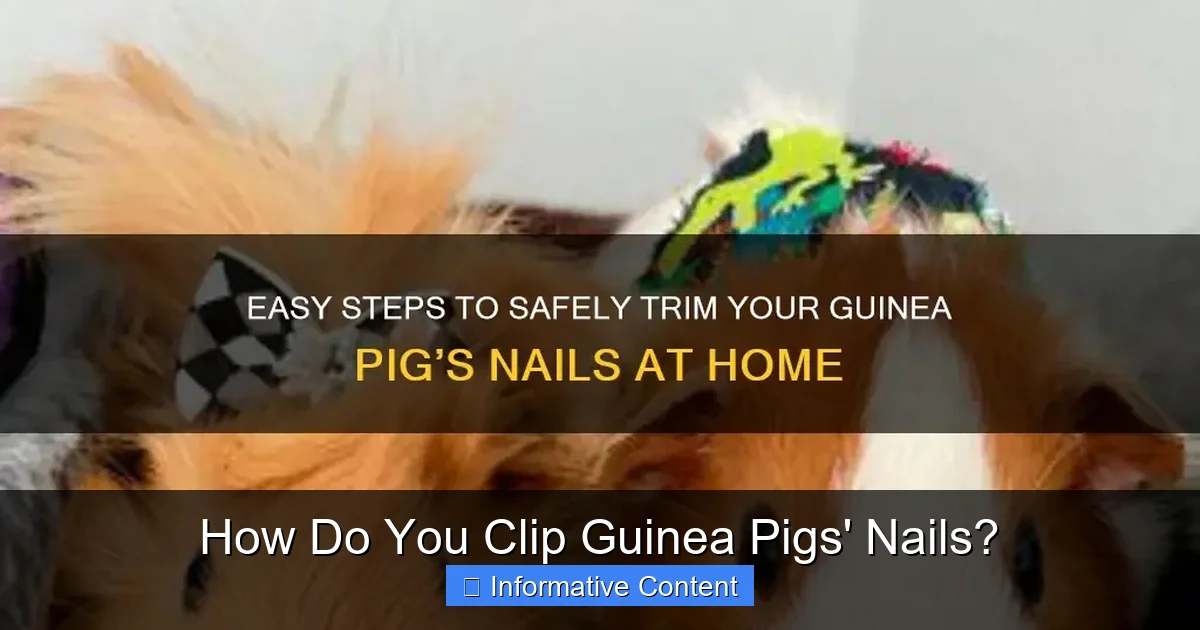
Learning how to clip guinea pigs’ nails is an essential part of responsible pet ownership, preventing discomfort and health issues. This guide will walk you through gathering the right tools, understanding nail anatomy, and mastering a gentle, safe clipping technique. With patience and practice, you can confidently maintain your guinea pig’s nail health at home.
Contents
- How Do You Clip Guinea Pigs’ Nails?
- Key Takeaways
- Quick Answers to Common Questions
- 📑 Table of Contents
- Why Nail Care Matters for Your Guinea Pig
- Gathering Your Guinea Pig Nail Clipping Toolkit
- Understanding Your Guinea Pig’s Nails (The “Quick” Explained)
- A Step-by-Step Guide to Clipping Your Guinea Pig’s Nails
- Maintaining Nail Health Between Trims
- Conclusion
- Frequently Asked Questions
- How can I make nail clipping less stressful for my guinea pig?
- Are there special considerations for guinea pigs with dark nails?
- My guinea pig wiggles a lot. How can I hold them still for nail clipping?
- What if my guinea pig’s nails are very long and curled?
- Can I use human nail clippers on my guinea pig?
- When should I consider taking my guinea pig to a vet for nail clipping?
How Do You Clip Guinea Pigs’ Nails?
Bringing a guinea pig into your home is a joyous experience, filled with adorable purrs, happy wheeks, and endless entertainment. As a responsible guinea pig parent, you’re committed to providing the best care possible, which includes everything from a balanced diet and a spacious cage to regular health checks. Among these vital care tasks, learning how to clip guinea pigs’ nails stands out as one of the most important – and for many, one of the most daunting.
It’s completely normal to feel a little nervous about trimming your guinea pig’s nails for the first time. After all, those tiny paws hold such delicate little creatures, and the thought of accidentally hurting them can be intimidating. However, nail care is non-negotiable for their comfort and health. Overgrown nails can lead to pain, difficulty walking, infections, and even serious foot problems. But don’t you worry! This comprehensive guide will demystify the process, offering clear, step-by-step instructions, practical tips, and reassurance to help you master the art of guinea pig nail clipping. Let’s make nail trims a calm, positive, and easy part of your guinea pig’s routine!
Key Takeaways
- Regular Nail Checks are Crucial: Inspect your guinea pig’s nails weekly to monitor growth and determine when a trim is needed, typically every 2-4 weeks.
- Use the Right Tools: Invest in high-quality, small animal nail clippers designed for guinea pigs, and always have styptic powder on hand for emergencies.
- Understand the “Quick”: Be aware of the pink blood vessel and nerve (the quick) inside each nail. Only clip the clear, dead tip to avoid pain and bleeding.
- Gradual and Gentle Approach: If your guinea pig has dark nails, clip tiny slivers at a time until you see a small black dot, indicating the quick is near.
- Positive Reinforcement is Key: Make nail clipping a calm experience by offering treats, speaking softly, and taking breaks if your guinea pig becomes stressed.
- Seek Professional Help if Unsure: Don’t hesitate to ask your vet or a professional groomer for a demonstration or to perform the clipping if you’re uncomfortable.
Quick Answers to Common Questions
How often should I clip my guinea pig’s nails?
Guinea pigs typically need their nails clipped every 2-4 weeks, depending on their individual growth rate and activity levels. Regular weekly checks will help you determine the exact frequency.
What type of clippers are best for guinea pig nails?
Small animal nail clippers, specifically designed for pets like guinea pigs, cats, or ferrets, are best. Scissor-style clippers are often preferred for their precision.
What is the “quick” and why is it important to avoid cutting it?
The “quick” is the sensitive part of the nail that contains blood vessels and nerves. Cutting into the quick is painful for your guinea pig and will cause bleeding, so it’s crucial to only trim the dead tip of the nail beyond it.
What should I do if I accidentally cut the quick?
If you accidentally cut the quick, immediately apply styptic powder (or cornstarch) to the bleeding nail and gently apply pressure until the bleeding stops. Reassure your guinea pig with soothing words and a treat.
Can my guinea pig’s nails be worn down naturally?
While some rough surfaces like unglazed ceramic tiles or rocks in their cage can help with natural wear, it’s rarely enough to negate the need for regular manual clipping. You will still need to know how do you clip guinea pigs’ nails.
📑 Table of Contents
Why Nail Care Matters for Your Guinea Pig
Just like our own nails, guinea pigs’ nails grow continuously. Unlike some animals that naturally wear down their nails on rough surfaces, most domesticated guinea pigs live in environments that don’t provide enough natural abrasion. This means their nails need regular trimming by their human companions to prevent a host of problems. Understanding why this is so important is the first step in learning how do you clip guinea pigs’ nails effectively.
The Dangers of Overgrown Nails
Imagine trying to walk or run with shoes that are far too long, constantly bending your toes backward. That’s a bit like what an overgrown nail feels like for your guinea pig. When nails become too long, they curl under, making it difficult for your guinea pig to stand and walk properly. This can lead to:
- Pain and Discomfort: The nails can press into the paw pads, causing soreness and tenderness.
- Difficulty Moving: Your guinea pig might struggle to walk, run, or even stand comfortably, affecting their ability to exercise and explore.
- Pododermatitis (Bumblefoot): This is a serious condition where the pressure from overgrown nails leads to sores, inflammation, and infection on the paw pads. It can be very painful and require veterinary treatment.
- Injuries: Long nails can get caught on cage bedding, toys, or fabric, potentially tearing the nail or even the toe.
- Altered Gait: To compensate for long nails, guinea pigs may shift their weight, leading to strain on their joints and spine over time.
Proper nail care, therefore, is not just cosmetic; it’s a fundamental part of maintaining your guinea pig’s overall health and well-being.
Recognizing When to Clip
So, how do you know when it’s time to clip your guinea pig’s nails? Regular visual inspection is key. Aim to check your guinea pig’s nails at least once a week. On average, guinea pigs need their nails clipped every 2-4 weeks, but this can vary depending on their age, activity level, and individual nail growth rate.
Look for these signs:
- Curling: The nails start to curve downward or even sideways.
- Hitting the Ground: When your guinea pig stands on a flat surface, their nails touch or extend past the paw pad.
- Difficulty Walking: Your guinea pig seems clumsy, walks gingerly, or shifts their weight unusually.
- Discomfort: They might resist being handled or show signs of pain when their paws are touched.
When you spot any of these indicators, it’s definitely time to consider how do you clip guinea pigs’ nails and get the job done.
Gathering Your Guinea Pig Nail Clipping Toolkit
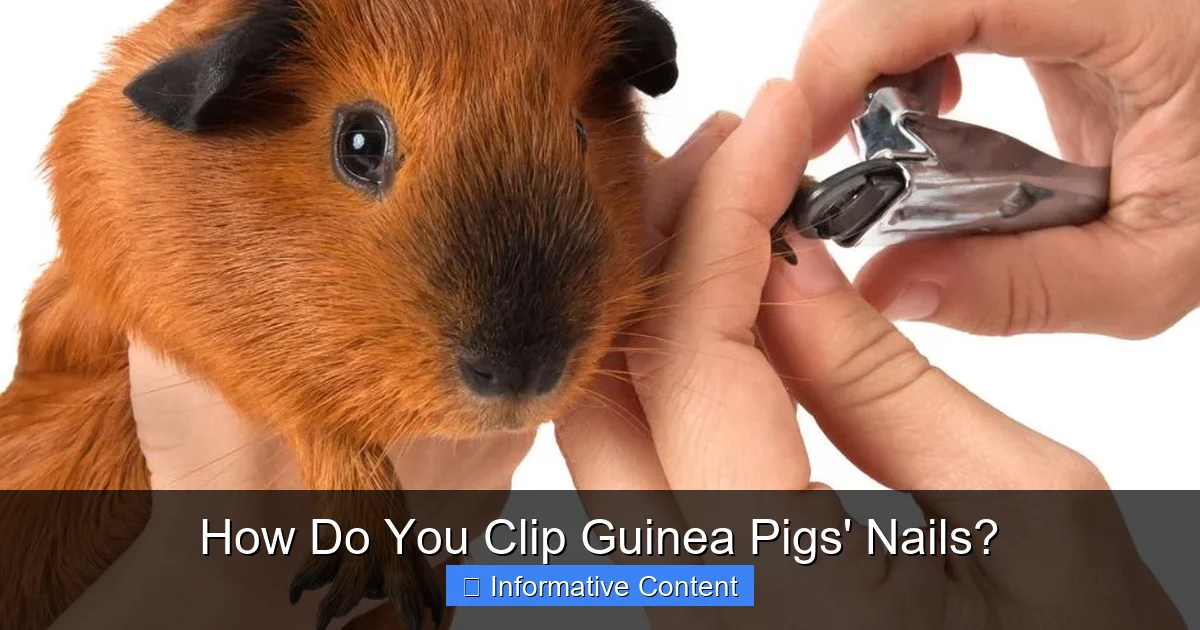
Visual guide about How Do You Clip Guinea Pigs’ Nails?
Image source: moreguineapigs.com
Before you even think about picking up your guinea pig, it’s crucial to have all your supplies ready and within arm’s reach. A well-prepared workspace helps ensure a smooth and stress-free experience for both you and your furry friend.
Choosing the Right Nail Clippers
This is perhaps the most important tool in your arsenal. Don’t use human nail clippers! They can crush the delicate guinea pig nail, causing pain and splintering.
Here are the best options:
- Small Animal Nail Clippers: These are specifically designed for small pets like guinea pigs, ferrets, and cats. They often have a scissor-like or guillotine design. Many guinea pig owners find the scissor-style clippers easier to use for precision.
- Sharpness Matters: Ensure your clippers are sharp. Dull clippers can crush the nail rather than cut it cleanly. Replace them regularly if they become blunt.
Other Essential Supplies
Having these items prepared will make the process much safer and more efficient:
- Styptic Powder or Cornstarch: This is a non-negotiable item. Even with the utmost care, accidents happen, and you might accidentally nick the quick (the sensitive part of the nail). Styptic powder immediately stops bleeding. If you don’t have styptic powder, cornstarch can work in a pinch, though it’s less effective.
- Treats: Small, favorite treats (like a piece of bell pepper or a small pea flake) are fantastic for positive reinforcement. Reward your guinea pig before, during, and especially after clipping to create a positive association.
- Towel or Blanket: A soft towel can be used to gently wrap your guinea pig, making them feel secure and potentially limiting wiggling. It also provides a non-slip surface and can catch any clipped nails.
- Good Lighting: A well-lit area is critical for clearly seeing the nail and, most importantly, the quick.
- Magnifying Glass (Optional): If your eyesight isn’t perfect, a magnifying glass can help you see the quick more clearly, especially on dark nails.
With your toolkit assembled, you’re now ready to understand the anatomy of those little nails before diving into how do you clip guinea pigs’ nails.
Understanding Your Guinea Pig’s Nails (The “Quick” Explained)
Before making any cuts, it’s vital to understand what you’re actually clipping. Guinea pig nails, much like our own, have a living part and a dead part. The key to successful and pain-free nail trimming lies in knowing the difference.
Anatomy of a Guinea Pig Nail
Each guinea pig nail consists of two main parts:
- The Nail Plate: This is the hard, outer shell you see and feel. It’s made of keratin and is similar to our fingernails. The tip of this plate is the part you want to trim.
- The Quick: This is the sensitive part of the nail, located inside the nail plate. The quick contains blood vessels and nerves. If you cut into the quick, it will be painful for your guinea pig and will bleed.
For guinea pigs with clear or light-colored nails, the quick is relatively easy to spot. It appears as a pinkish or reddish area extending partway down the nail. The tip beyond the quick will be clear or white. You should only cut the clear or white part of the nail.
Dealing with Dark Nails
Clipping dark nails can be a bit more challenging because the quick isn’t visible through the pigmentation. This is where extra caution and a different technique come into play. Many guinea pigs, especially those with darker fur, have dark nails.
When dealing with dark nails, you’ll need to:
- Use Good Lighting: Position a strong light source directly behind or under the nail. Sometimes, this can help reveal a faint outline of the quick.
- Clip in Small Increments: Instead of trying to find the quick, clip tiny, thin slivers off the very tip of the nail. After each tiny clip, look at the cut surface.
- Watch for the “Dot”: As you get closer to the quick, you’ll start to see a small, dark circle or dot appear in the center of the clipped nail surface. This indicates you are very close to the quick, and you should stop clipping that nail.
- Stay Conservative: If in doubt, clip less rather than more. It’s better to clip a tiny bit, wait a week, and clip again than to cut into the quick.
The Importance of Gradual Trimming
If your guinea pig’s nails are severely overgrown, the quick will have grown longer along with the nail. This means you can’t just cut back to where the quick would normally be on a healthy nail in one go. You’ll need to trim a small amount every few days or once a week. Over time, the quick will gradually recede, allowing you to trim the nails back to a healthier length. This gradual approach is key when learning how do you clip guinea pigs’ nails that are very long.
A Step-by-Step Guide to Clipping Your Guinea Pig’s Nails
Now that you understand the anatomy and have your tools ready, let’s go through the actual process of how do you clip guinea pigs’ nails. Remember, patience and a calm demeanor are your best allies.
Preparation and Setup
- Choose a Quiet Time: Select a time when your household is calm and free from distractions.
- Set Up Your Workspace: Lay out your towel on a table or on your lap. Have your clippers, styptic powder, and treats within easy reach. Ensure you have excellent lighting.
- Bring Your Guinea Pig: Gently pick up your guinea pig and bring them to your prepared workspace. Talk to them softly to reassure them.
Holding Your Guinea Pig Safely
How you hold your guinea pig is critical for both their safety and your ability to clip effectively. There are a few common positions:
- The “Burrito” Hold: Gently wrap your guinea pig in a towel, leaving one paw exposed at a time. This can make them feel secure and prevent wiggling.
- Lap Hold: Sit down and place your guinea pig on your lap, facing away from you. Use one hand to support their body and gently extend a paw.
- Underarm Hold: Some owners find it effective to hold the guinea pig gently under their arm, with their head facing away from you, exposing their feet.
The goal is to keep them still and comfortable while clearly exposing their nails. Speak to them in soothing tones throughout.
The Clipping Technique (Light vs. Dark Nails)
Once your guinea pig is secure and you have a clear view of a paw:
- Isolate a Paw: Gently hold one paw, using your thumb and forefinger to slightly extend the toes and expose the nails.
- Identify the Quick (for Light Nails): Look for the pink quick inside the nail. You want to cut only the clear, dead tip beyond the quick. Aim to cut at a slight angle, following the natural curve of the nail.
- For Dark Nails: Remember to clip tiny slivers. Clip a very small piece, then check the cut surface. If it’s still white or clear, clip another tiny sliver. Stop when you see a small, dark dot appear in the center of the nail, indicating you are close to the quick.
- Make a Quick, Confident Cut: Once you’ve identified where to cut, make a swift, clean cut with your sharp clippers. Hesitation can cause the nail to splinter.
- Repeat for All Nails: Work your way through all four paws, one nail at a time. If your guinea pig gets stressed, take a break, offer a treat, and try again later. It’s better to do it in multiple sessions than to push them too far.
- Reward Generously: After each paw, or after the entire process, offer a special treat and plenty of praise. This helps build a positive association with nail clipping.
What to Do If You Clip Too Much (The Quick)
Even experienced owners can sometimes nick the quick. Don’t panic! It will bleed, but it’s usually not serious if handled promptly.
- Apply Styptic Powder: Immediately apply a generous amount of styptic powder directly to the bleeding nail. You can dip the nail into the powder or press a small amount onto the tip.
- Apply Pressure: Gently apply pressure to the nail for a few moments until the bleeding stops.
- Monitor: Keep an eye on the nail for a few minutes to ensure the bleeding doesn’t restart. Avoid letting your guinea pig run around vigorously immediately after, as this might dislodge the clot.
- Reassure Your Pet: Your guinea pig might be startled or even squeak, but usually, the pain is momentary. Offer comfort and a treat once the bleeding is stopped.
Having styptic powder on hand gives you confidence when learning how do you clip guinea pigs’ nails, knowing you can manage an accident.
Making it a Positive Experience
Clipping nails doesn’t have to be a dreaded event. Here are tips to make it more positive:
- Start Young: If you have a young guinea pig, start getting them used to having their paws handled early on, even if they don’t need a trim yet.
- Handle Paws Often: Gently touch and massage their paws regularly. This desensitizes them to the sensation.
- Short Sessions: Especially at first, only do one or two nails at a time if your guinea pig is squirmy. Build up to all nails in one session.
- Praise and Treats: Lavish praise and provide small, delicious treats frequently throughout the process.
- Stay Calm: Your guinea pig can pick up on your stress. If you’re calm and confident, they are more likely to be too.
- Team Effort: If you have a partner or family member, one person can hold the guinea pig while the other clips. This can make it much easier.
Maintaining Nail Health Between Trims
Nail clipping is a periodic task, but you can take steps to promote healthy nail growth and potentially extend the time between trims.
Regular Checks are Key
As mentioned, weekly checks are the best way to stay on top of nail growth. Make it a routine – perhaps during weekly cage cleaning or cuddle time. Early detection of long nails means shorter, easier trims. If you consistently check, you’ll feel more confident about how do you clip guinea pigs’ nails when the time comes.
Environmental Enrichment for Natural Wear
While not a complete substitute for clipping, certain elements in your guinea pig’s environment can help wear down their nails naturally:
- Rough Surfaces: Include a few smooth, unglazed ceramic tiles or flat rocks in their cage. Walking over these can help abrade the nail tips.
- Tunnels and Hideaways: Encourage activity and movement over varied surfaces.
- Outdoor Time (Supervised): If you have a safe, predator-free outdoor run with a concrete or paved area, supervised time on these surfaces can help. Always ensure they are protected from extreme temperatures and dangers.
These enrichments contribute to overall paw health and might reduce the frequency of needing to clip your guinea pig’s nails.
When to Seek Professional Help
Sometimes, despite your best efforts, you might feel uncomfortable or unable to clip your guinea pig’s nails yourself. And that’s perfectly okay!
Consider seeking professional help if:
- You’re Too Nervous: Your stress can transfer to your guinea pig, making the experience unpleasant for both of you.
- Your Guinea Pig is Extremely Uncooperative: Some guinea pigs are naturally more wiggly or anxious. A vet tech or professional groomer has experience handling difficult cases.
- Nails are Severely Overgrown: If the nails are very long and curled, and the quick has grown out significantly, a vet can safely trim them back and advise on a plan for gradual reduction.
- You Experience Repeated Bleeding: If you consistently cut the quick, it might be beneficial to have a professional demonstrate the technique or handle the trims.
Your veterinarian or a reputable small animal groomer can usually perform nail trims for a small fee. Don’t feel guilty about seeking help; your guinea pig’s well-being is the top priority. They can also answer any lingering questions about how do you clip guinea pigs’ nails safely.
Conclusion
Learning how do you clip guinea pigs’ nails is a fundamental skill for any guinea pig owner. While it might seem intimidating at first, with the right tools, a clear understanding of nail anatomy, and a patient, gentle approach, you’ll soon become a pro. Remember to check their nails regularly, prioritize safety by having styptic powder on hand, and make the experience as positive as possible with treats and soothing words.
Your guinea pig relies on you for all their needs, and maintaining healthy nail length is crucial for their comfort, mobility, and overall quality of life. By incorporating regular nail trims into your routine, you’re not just preventing problems; you’re actively contributing to a happier, healthier, and more comfortable life for your cherished companion. So, take a deep breath, gather your supplies, and confidently embark on your guinea pig nail clipping journey – your little friend will thank you for it!
Frequently Asked Questions
How can I make nail clipping less stressful for my guinea pig?
To make nail clipping less stressful, start handling your guinea pig’s paws regularly from a young age. Use lots of positive reinforcement with treats and praise, keep sessions short, and maintain a calm demeanor yourself, as guinea pigs can sense your anxiety.
Are there special considerations for guinea pigs with dark nails?
Yes, dark nails make it harder to see the quick. It’s recommended to clip tiny slivers at a time, looking for a small, dark dot in the center of the clipped surface, which indicates you are close to the quick. Good lighting is also essential.
My guinea pig wiggles a lot. How can I hold them still for nail clipping?
A gentle “burrito wrap” in a soft towel can help secure a wiggly guinea pig, making them feel safer and limiting movement. You can also try holding them on your lap facing away from you, using your arm to support their body while extending one paw at a time.
What if my guinea pig’s nails are very long and curled?
If the nails are severely overgrown, the quick will likely have grown longer too. You’ll need to trim a small amount every few days or once a week. This gradual process encourages the quick to recede, allowing you to eventually trim the nails to a healthier length.
Can I use human nail clippers on my guinea pig?
No, you should never use human nail clippers on guinea pigs. They are designed differently and can crush or splinter the delicate guinea pig nail, causing pain and potential injury. Always use small animal specific clippers.
When should I consider taking my guinea pig to a vet for nail clipping?
Consider taking your guinea pig to a vet or professional groomer if you are too nervous, if your guinea pig is extremely uncooperative, if their nails are severely overgrown, or if you consistently have trouble and accidentally cut the quick. It’s always best to prioritize your pet’s comfort and safety.