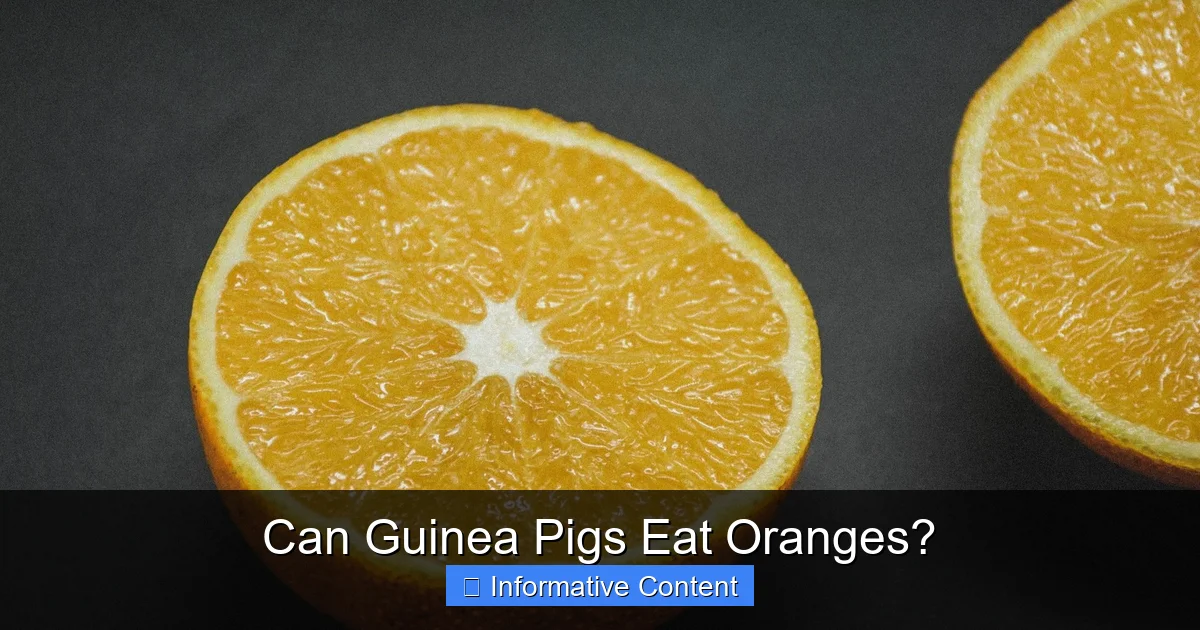
Yes, guinea pigs can eat oranges, but only in very small, infrequent amounts. While oranges provide essential Vitamin C, their high sugar content and acidity can lead to digestive upset and other health issues if overfed. Always remove the peel and seeds, and introduce any new fruit cautiously to ensure your guinea pig’s well-being.
Oh, the adorable little squeaks and excited wiggles! If you’re a guinea pig parent, you know that sound means one thing: snack time! And as you peel a juicy orange for yourself, a thought might pop into your head, “Can my guinea pig eat oranges too?” It’s a common question, and it’s wonderful that you’re thinking about your furry friend’s diet. After all, their health and happiness largely depend on what goes into their tiny tummies.
Guinea pigs have unique dietary needs, vastly different from our own. They can’t just eat anything we do, and introducing new foods without proper knowledge can lead to serious health issues. So, let’s dive deep into the world of citrus and cavies to uncover the truth about feeding oranges to your beloved guinea pig. We’ll explore the benefits, the potential risks, and most importantly, how to offer them safely if you choose to.
Contents
- Key Takeaways
- Quick Answers to Common Questions
- 📑 Table of Contents
- The Short Answer: Can Guinea Pigs Eat Oranges?
- Nutritional Benefits of Oranges for Guinea Pigs
- Potential Risks and Downsides of Feeding Oranges
- How to Safely Offer Oranges to Your Guinea Pig
- What Parts of the Orange Are Safe (or Unsafe)?
- A Well-Balanced Diet: Oranges in Context
- Conclusion
- Frequently Asked Questions
- Are oranges good for guinea pigs with scurvy?
- Can baby guinea pigs eat oranges?
- What are the signs of digestive upset from eating too many oranges?
- Can I give my guinea pig orange juice?
- Are other citrus fruits like grapefruit or lemons safe for guinea pigs?
- How can I ensure my guinea pig gets enough Vitamin C without oranges?
Key Takeaways
- Oranges are an occasional treat: Guinea pigs can eat oranges, but they should only be offered as a very rare and small treat due to their high sugar and acidity levels.
- Vitamin C is beneficial: Oranges are a good source of Vitamin C, which guinea pigs cannot produce on their own, making it a valuable nutrient for preventing scurvy.
- Beware of sugar and acidity: The high sugar content can lead to obesity and dental problems, while the acidity can cause digestive upset like gas, bloating, and diarrhea.
- Preparation is crucial: Always remove the orange peel and all seeds before offering any orange flesh to your guinea pig. The peel can contain pesticides and is difficult to digest, and seeds are choking hazards.
- Portion control is key: A tiny piece, no bigger than your thumbnail, once or twice a month, is sufficient. Overfeeding can lead to serious health issues.
- Observe your guinea pig: After introducing a new food like orange, always monitor your guinea pig for any signs of digestive upset or discomfort.
- Diversify treats: While oranges offer Vitamin C, many other vegetables (like bell peppers) provide this nutrient with less sugar and acidity, making them better daily options.
Quick Answers to Common Questions
Is orange peel safe for guinea pigs?
No, orange peel is not safe for guinea pigs. It is tough, difficult to digest, and can contain harmful pesticides or waxes.
How much orange can a guinea pig eat?
A guinea pig can eat a very small piece of orange flesh, about the size of your thumbnail, once or twice a month at most.
Can oranges cause diarrhea in guinea pigs?
Yes, oranges can cause diarrhea in guinea pigs due to their high sugar content and acidity, especially if given in large amounts or too frequently.
What is the best source of Vitamin C for guinea pigs?
Bell peppers (especially green, yellow, or red) are excellent daily sources of Vitamin C for guinea pigs, offering high amounts with less sugar and acidity than fruit.
Do guinea pigs like oranges?
Many guinea pigs enjoy the taste of oranges, but their preference doesn’t necessarily mean it’s good for them in large quantities.
📑 Table of Contents
The Short Answer: Can Guinea Pigs Eat Oranges?
Yes, guinea pigs can eat oranges, but there’s a big emphasis on “occasionally” and “in very small amounts.” It’s not a staple food, or even a regular treat, but more of a rare delight. Think of it like a human having a tiny piece of rich chocolate cake – delicious, but definitely not an everyday item!
Yes, But With Caveats
Oranges are well-known for their high Vitamin C content, which is fantastic for guinea pigs because, just like humans, they cannot produce their own Vitamin C. A deficiency can lead to a serious condition called scurvy, which causes lethargy, painful joints, and a rough coat. So, in theory, providing Vitamin C through oranges sounds like a great idea!
However, oranges come with a few downsides that make them less than ideal for frequent feeding. Their high sugar content and acidity are the main culprits. While a little sugar is fine, too much can lead to obesity, dental problems, and digestive upset. The acidity can also irritate a guinea pig’s sensitive digestive system, causing discomfort.
The Importance of Moderation
When it comes to feeding oranges, moderation isn’t just a suggestion; it’s a strict rule. A tiny piece, perhaps a quarter of an inch square, once or twice a month at most, is the general recommendation. This small amount allows them to benefit from the Vitamin C without being overwhelmed by the sugar and acidity. Always remember that oranges should be treated as a very special treat, not a regular part of their diet.
Nutritional Benefits of Oranges for Guinea Pigs

Visual guide about Can Guinea Pigs Eat Oranges?
Image source: fourpawcity.com
Even with the warnings, oranges do offer some positive nutritional aspects that can benefit your guinea pig when given correctly. Let’s look at why they might be considered a treat in the first place.
A Burst of Vitamin C
This is the number one reason why anyone considers feeding oranges to their guinea pig. As we mentioned, guinea pigs are unable to synthesize their own Vitamin C (ascorbic acid). They must obtain it through their diet. Scurvy is a very real threat to cavies who don’t get enough of this vital nutrient. Symptoms include a rough coat, lethargy, loss of appetite, swelling around joints, and difficulty moving. A healthy guinea pig needs around 10-30 mg of Vitamin C daily, increasing to 30-50 mg for pregnant, young, or ill pigs. While oranges certainly contain Vitamin C, other vegetables like bell peppers offer even more with fewer downsides, making them a much better daily source.
Antioxidants and Immune Support
Beyond Vitamin C, oranges also contain other antioxidants. These compounds help to fight off free radicals in the body, which are molecules that can cause cellular damage and contribute to aging and disease. By providing antioxidants, oranges can offer a small boost to your guinea pig’s immune system, helping them stay healthy and ward off illnesses. However, this benefit is also present in many other safer vegetables, often in higher concentrations relative to their sugar content.
Hydration Help
Oranges, like many fruits, have a high water content. This can contribute to your guinea pig’s daily hydration, especially if they aren’t big drinkers from their water bottle. However, offering a fresh, clean water supply is always the primary way to ensure hydration, and relying on fruits for this isn’t ideal due to their other components.
Potential Risks and Downsides of Feeding Oranges
While the benefits sound good, the risks associated with oranges often outweigh them, especially if not managed carefully. Understanding these risks is crucial for responsible pet ownership.
High Sugar Content: A Sweet Problem
Oranges are relatively high in natural sugars. While natural, sugar is still sugar. Guinea pigs have a delicate digestive system that isn’t designed to process large amounts of sugar. Overfeeding sugary fruits can lead to several problems:
- Obesity: Excess calories from sugar can quickly lead to weight gain, putting a strain on their tiny bodies and contributing to other health issues.
- Dental Problems: Sugary foods can contribute to dental issues, particularly if sticky residues remain on their teeth. Guinea pigs’ teeth grow continuously, and a proper diet of hay helps wear them down. Sugary treats do not contribute to this essential process.
- Digestive Imbalance: Too much sugar can disrupt the delicate balance of beneficial bacteria in a guinea pig’s gut, leading to an overgrowth of bad bacteria. This can result in painful gas, bloating, and diarrhea.
Acidity: Upsetting Delicate Systems
Oranges are citrus fruits, meaning they are acidic. While we might enjoy a tangy orange, a guinea pig’s digestive system is far more sensitive. High acidity can:
- Cause Mouth Sores: The acid can irritate the delicate tissues in and around your guinea pig’s mouth, potentially leading to sores or discomfort.
- Lead to Digestive Upset: The stomach and intestines can become irritated, leading to gas, bloating, discomfort, and loose stools or diarrhea. In severe cases, persistent diarrhea can lead to dehydration and other serious health problems.
Digestive Distress: Gas, Bloating, and Diarrhea
This is a common and concerning issue with overfeeding many types of fruits, including oranges. Guinea pigs are hindgut fermenters, meaning their digestion relies on a precise balance of gut flora to break down fibrous foods. Anything that disrupts this balance, like too much sugar or acid, can cause:
- Gas: Painful buildup of gas in the digestive tract.
- Bloating: A visibly distended abdomen, often accompanied by pain and lethargy.
- Diarrhea: Loose or watery stools, which can quickly lead to dehydration and be life-threatening for a small animal like a guinea pig.
If you notice any of these symptoms after feeding oranges or any new food, stop immediately and consult with a vet experienced in exotic animals.
Choking Hazards: Peels and Seeds
The non-flesh parts of an orange pose their own unique dangers:
- Orange Peel: The rind of an orange is tough, fibrous, and very difficult for a guinea pig to chew and digest. It can also be a choking hazard. Furthermore, orange peels often contain pesticides or wax coatings that are toxic to guinea pigs, even after washing.
- Seeds: Orange seeds are a clear choking hazard due to their size and hard texture. They may also contain trace amounts of cyanide, which is toxic, although the amount is usually very small. It’s simply not worth the risk.
Pesticides and Waxes
As mentioned, unless you’re feeding organic, home-grown oranges, store-bought fruits often come with a layer of pesticides or food-grade waxes on their peels. These chemicals are not safe for your guinea pig to ingest, making proper preparation and choosing organic options even more critical.
How to Safely Offer Oranges to Your Guinea Pig
If, after understanding the risks, you still wish to offer your guinea pig a tiny taste of orange, here’s how to do it as safely as possible. Remember, this is a very infrequent treat.
Choose the Right Orange
Opt for organic oranges if possible, to minimize exposure to pesticides and waxes. If organic isn’t an option, thoroughly wash the orange under running water and even scrub it gently with a vegetable brush before peeling.
Preparation is Key
This step cannot be stressed enough.
- Wash Thoroughly: Even if you plan to discard the peel, washing the entire orange helps prevent transferring contaminants to the flesh during peeling.
- Peel Completely: Remove all the orange peel. No white pith should remain on the flesh you offer your guinea pig.
- Remove All Seeds: Carefully inspect the segment and remove every single seed. Even a tiny seed can be a choking hazard.
- Discard Pith and Membranes: While not as dangerous as the peel or seeds, the stringy white pith and fibrous membranes can be difficult for some guinea pigs to digest. It’s best to offer only the juicy, soft flesh.
Portion Control: Less is More
This is where most people make mistakes. We’re talking tiny amounts. A piece no larger than your thumbnail, or about a quarter of an inch square, is plenty for one guinea pig. Imagine dividing an orange segment into 4-6 tiny pieces – that’s the kind of portion we’re aiming for.
Frequency: An Occasional Treat
Oranges should be given very infrequently. Once or twice a month at most is a good guideline. Some owners prefer to avoid them altogether, opting for safer Vitamin C sources. This low frequency helps prevent the accumulation of sugar and acid in their system.
Introducing New Foods
When introducing any new food, including oranges, always follow these steps:
- Start Small: Offer the absolute tiniest piece first.
- Observe: For the next 24-48 hours, carefully watch your guinea pig for any signs of digestive upset – loose stools, lethargy, reduced appetite, or discomfort.
- Gradual Introduction: If there are no adverse reactions, you can offer that tiny piece again in a few weeks. Do not increase the portion size or frequency quickly.
- If in Doubt, Leave it Out: If your guinea pig shows any negative reaction, or if you’re simply unsure, it’s always best to err on the side of caution and remove oranges from their diet. There are plenty of other safe and healthier treats.
What Parts of the Orange Are Safe (or Unsafe)?
To reiterate and clarify, let’s break down each part of the orange.
The Orange Flesh: The Preferred Part
This is the only part of the orange that is potentially safe for your guinea pig to eat. It’s where the Vitamin C and other beneficial nutrients are found. It should be soft, juicy, and free from any other parts of the fruit. Even then, remember the small portion and infrequent feeding rules.
The Peel: A Firm No
Absolutely, positively no orange peel for your guinea pig. As discussed, it’s tough, hard to digest, a choking hazard, and very likely to contain harmful pesticides or waxes. Always discard the peel.
Seeds and Pith: Avoid at All Costs
No seeds. No pith (the white stringy stuff). Seeds are choking hazards and potentially toxic. The pith is fibrous and difficult to digest. Stick to just the soft, juicy flesh, and ensure it’s completely seed-free.
A Well-Balanced Diet: Oranges in Context
Understanding where oranges fit into a guinea pig’s overall diet is key to their long-term health. Oranges are a tiny fraction of what they should be eating.
The Foundation: Hay, Pellets, and Water
The absolute cornerstone of a guinea pig’s diet is unlimited, high-quality hay (like Timothy hay). Hay is crucial for their digestive health and for wearing down their continuously growing teeth. Without enough hay, guinea pigs can suffer from serious dental and digestive problems.
Alongside hay, they need a small amount of high-quality, plain guinea pig pellets (fortified with Vitamin C). Avoid mixes with seeds, nuts, or dried fruits, as these are often unhealthy fillers. Fresh, clean water should always be available in a sipper bottle, changed daily.
Daily Fresh Vegetables
A variety of fresh, guinea pig-safe vegetables should be offered daily. These provide essential vitamins, minerals, and hydration. Good daily options include:
- Leafy greens like romaine lettuce, green leaf lettuce, or red leaf lettuce (avoid iceberg, which has little nutritional value and can cause diarrhea).
- Bell peppers (especially green, yellow, or red) are excellent sources of Vitamin C and can be given daily.
- Small amounts of carrots, cucumber, celery (without strings), and zucchini.
- Herbs like parsley and cilantro in moderation.
These vegetables provide much of the Vitamin C your guinea pig needs without the high sugar and acidity of fruits.
Fruit as an Occasional Treat
Fruits, including oranges, should be considered very infrequent treats due to their sugar content. They offer variety and some nutrients, but should never make up a significant portion of the diet. Think of them as a tiny bonus, not a necessity.
Other Safe Fruit Options
If you’re looking for other fruit treats, always remember the “moderation and tiny portions” rule. Some other safe options, also to be given sparingly, include:
- Apples (without seeds or core)
- Blueberries
- Strawberries
- Melon (cantaloupe, watermelon – without rind or seeds)
Again, always research specific portion sizes and preparation methods for each fruit.
Conclusion
So, can guinea pigs eat oranges? Yes, they *can*, but it’s a qualified yes. While oranges offer a valuable dose of Vitamin C that cavies need, their high sugar and acidity levels necessitate extreme caution and strict moderation. A tiny, seedless, peel-free piece, offered very rarely, is the safest approach.
Ultimately, your guinea pig’s health is paramount. Their diet should primarily consist of unlimited hay, high-quality pellets, and a daily selection of fresh, guinea pig-safe vegetables – particularly those rich in Vitamin C like bell peppers. Fruits, including oranges, are best reserved as an occasional, small treat, and it’s perfectly fine to skip them altogether in favor of healthier options. Always introduce new foods slowly, observe your pet carefully, and consult with a vet if you have any concerns about their diet or health. Your little furry friend will thank you with happy purrs and popcorns for a healthy, balanced diet!
Frequently Asked Questions
Are oranges good for guinea pigs with scurvy?
While oranges provide Vitamin C, which is essential for preventing and treating scurvy, they are not the primary or best treatment. A vet will usually recommend specific Vitamin C supplements or highly concentrated vegetable sources for a pig suffering from scurvy, as oranges’ sugar and acidity can cause other problems.
Can baby guinea pigs eat oranges?
It’s generally best to avoid giving oranges to baby guinea pigs. Their digestive systems are even more delicate than adults, and the high sugar and acidity could cause significant upset. Stick to hay, pellets, and safe, basic vegetables for young cavies.
What are the signs of digestive upset from eating too many oranges?
Signs of digestive upset from too many oranges include lethargy, gas, bloating (a distended belly), reduced appetite, and most commonly, soft stools or diarrhea. If you notice these symptoms, stop feeding oranges and consult your vet.
Can I give my guinea pig orange juice?
No, you should never give your guinea pig orange juice. It is highly concentrated in sugar and acid, lacking the fiber of the whole fruit, and would almost certainly lead to severe digestive issues. Guinea pigs should only drink fresh, plain water.
Are other citrus fruits like grapefruit or lemons safe for guinea pigs?
No, other citrus fruits like grapefruit, lemons, or limes are generally not recommended for guinea pigs. They are even more acidic and often have higher sugar content than oranges, posing greater risks to their sensitive digestive systems.
How can I ensure my guinea pig gets enough Vitamin C without oranges?
The best way to ensure your guinea pig gets enough Vitamin C is through daily servings of fresh, safe vegetables like bell peppers (green bell peppers are particularly high in Vitamin C), parsley, kale, and small amounts of kiwi. High-quality guinea pig pellets also contain fortified Vitamin C, but it degrades over time, so fresh veggies are crucial.