When it comes to the question, “Can guinea pigs eat mushrooms?”, the answer is a resounding no. Mushrooms, whether wild or store-bought, pose significant health risks to guinea pigs, ranging from mild digestive upset to severe toxicity. It’s always best to stick to a diet of hay, fresh, approved vegetables, and a small amount of fortified pellets to ensure your beloved pet stays healthy and happy.
When you have a guinea pig, you naturally want to give them the very best. Part of that means understanding their unique dietary needs and knowing what foods are safe and beneficial, and which ones are not. It’s a common curiosity for many pet parents to wonder about various human foods, and one that often pops up is, “Can guinea pigs eat mushrooms?”
It’s a valid question, especially since some mushrooms are perfectly safe for human consumption and even considered a healthy food source. You might be picturing your little cavy nibbling on a small piece of a mushroom, perhaps a button mushroom or a slice of cremini. But before you even consider offering this fungi to your furry friend, it’s crucial to understand the definitive answer and why it’s so important for their health and safety. Let’s dive deep into why mushrooms and guinea pigs simply don’t mix.
Contents
- Key Takeaways
- Quick Answers to Common Questions
- 📑 Table of Contents
- Understanding Your Guinea Pig’s Unique Dietary Needs
- Why the Question “Can Guinea Pigs Eat Mushrooms?” is So Important
- The Dangers: Why Guinea Pigs Cannot Eat Mushrooms
- What to Do If Your Guinea Pig Eats a Mushroom
- Safe and Healthy Alternatives to Mushrooms for Your Guinea Pig
- Conclusion: The Definitive Answer to “Can Guinea Pigs Eat Mushrooms?”
- Frequently Asked Questions
- Are all mushrooms toxic to guinea pigs?
- Can I give my guinea pig a tiny piece of mushroom as a treat?
- What vegetables are safe to feed my guinea pig daily?
- My guinea pig ate a mushroom and seems fine. Should I still worry?
- Why are guinea pigs so sensitive to certain foods?
- Where can I find a reliable list of safe foods for guinea pigs?
Key Takeaways
- Mushrooms are a “No-Go”: Absolutely do not feed any type of mushroom, wild or cultivated, to your guinea pig due to potential toxicity and digestive upset.
- Unknown Toxicity Risk: While some mushrooms are edible for humans, their effects on a guinea pig’s unique digestive system are largely unknown and potentially dangerous.
- Lack of Nutritional Benefit: Mushrooms offer no essential nutritional value to guinea pigs that isn’t readily available and safer in other approved foods.
- Digestive Sensitivity: Guinea pigs have very sensitive digestive systems, and foods outside their natural diet can cause serious gastrointestinal issues.
- Stick to the Basics: The safest and healthiest diet for a guinea pig consists primarily of timothy hay, fresh leafy greens, other approved vegetables, and high-quality guinea pig pellets.
- Act Fast if Ingested: If your guinea pig accidentally eats a mushroom, contact your veterinarian immediately for guidance, even if they don’t show symptoms.
Quick Answers to Common Questions
Can guinea pigs eat mushrooms from the grocery store?
No, even store-bought mushrooms like button or cremini are not safe for guinea pigs due to potential toxicity and digestive upset. It’s best to avoid all types.
What happens if a guinea pig eats a mushroom?
If a guinea pig eats a mushroom, they can experience symptoms ranging from mild digestive upset (diarrhea, gas) to severe poisoning (lethargy, tremors, organ damage), depending on the mushroom type and amount ingested. Veterinary attention is crucial.
Are wild mushrooms more dangerous for guinea pigs than cultivated ones?
Yes, wild mushrooms pose an even greater danger because many species are highly toxic and can be fatal. However, even cultivated mushrooms are not safe and should be avoided.
Do mushrooms offer any nutritional benefits for guinea pigs?
No, mushrooms do not offer any essential nutritional benefits to guinea pigs that cannot be safely and more effectively obtained from their staple diet of hay, approved vegetables, and fortified pellets.
What should I do if my guinea pig accidentally eats a mushroom?
If your guinea pig accidentally eats a mushroom, contact your veterinarian immediately. Do not wait for symptoms to appear, and follow your vet’s instructions carefully.
📑 Table of Contents
- Understanding Your Guinea Pig’s Unique Dietary Needs
- Why the Question “Can Guinea Pigs Eat Mushrooms?” is So Important
- The Dangers: Why Guinea Pigs Cannot Eat Mushrooms
- What to Do If Your Guinea Pig Eats a Mushroom
- Safe and Healthy Alternatives to Mushrooms for Your Guinea Pig
- Conclusion: The Definitive Answer to “Can Guinea Pigs Eat Mushrooms?”
Understanding Your Guinea Pig’s Unique Dietary Needs
Before we talk specifically about mushrooms, it’s essential to grasp the fundamental dietary requirements of a guinea pig. These adorable creatures are obligate herbivores, meaning their diet must consist entirely of plant matter. But not just any plant matter will do! Their digestive systems are finely tuned for specific types of roughage and nutrients.
The Cornerstone of a Guinea Pig’s Diet: Hay
The most critical component of a guinea pig’s diet, by far, is an unlimited supply of high-quality hay, such as timothy hay. Hay isn’t just a snack; it’s vital for their digestive health. The fiber in hay keeps their gastrointestinal tract moving smoothly, preventing issues like stasis. Moreover, guinea pigs’ teeth grow continuously, and chewing hay helps wear them down naturally, preventing painful dental problems. Without ample hay, a guinea pig can quickly become very ill.
Fresh Vegetables and Vitamin C
Beyond hay, guinea pigs need a daily serving of fresh, appropriate vegetables. These provide essential vitamins and minerals. One of the most critical nutrients for guinea pigs is Vitamin C. Unlike most animals, guinea pigs cannot produce their own Vitamin C and must obtain it from their diet. This is why foods like bell peppers, leafy greens (like romaine lettuce, parsley, or cilantro), and small amounts of other veggies are so important.
Pellets and Water
A small amount of high-quality, fortified guinea pig pellets rounds out their diet. Look for pellets specifically formulated for guinea pigs, high in fiber, and fortified with Vitamin C. Fresh, clean water should always be available, preferably in a sipper bottle, and changed daily. Treats should be given sparingly and only if they are known to be safe.
Why the Question “Can Guinea Pigs Eat Mushrooms?” is So Important
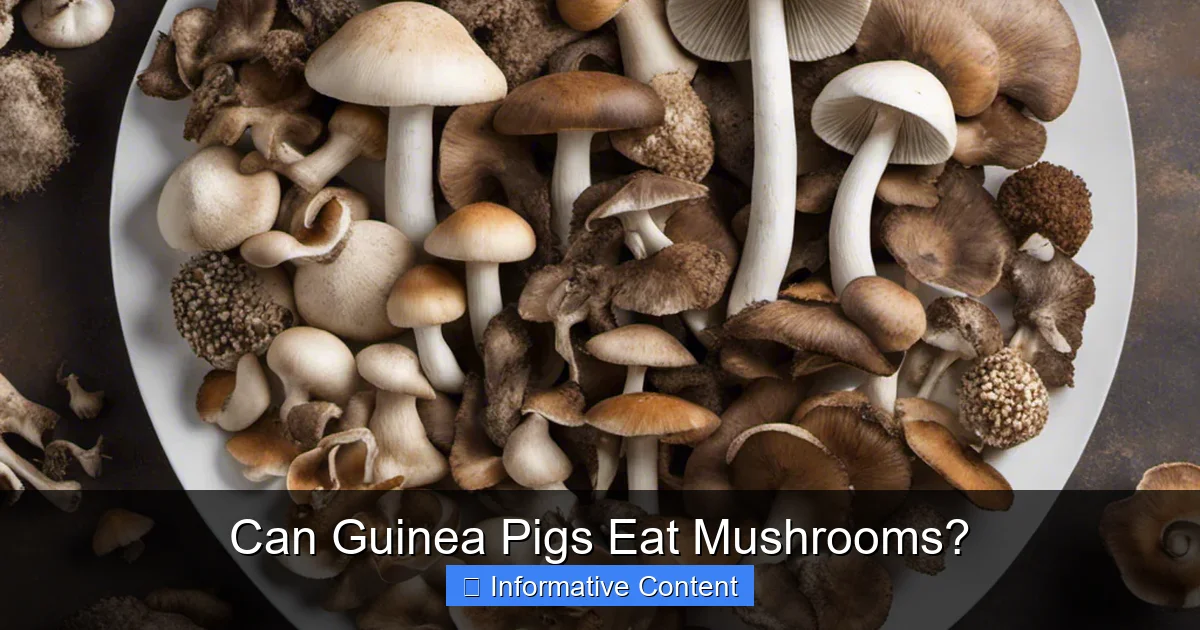
Visual guide about Can Guinea Pigs Eat Mushrooms?
Image source: cdn.shopify.com
Given their sensitive digestive systems and specific nutritional needs, introducing any new food item requires careful consideration. When it comes to fungi, the stakes are even higher. The question “can guinea pigs eat mushrooms?” isn’t just about whether they *can*, but whether they *should*, and the answer leans heavily towards a definitive “no.”
The Unpredictable Nature of Mushrooms
Mushrooms are a fascinating and diverse group of organisms, but their diversity is precisely what makes them so risky. There are thousands of different species of mushrooms in the world. While some are edible for humans, many are poisonous, and even within edible species, there can be variations in compounds that might be harmless to humans but toxic to a small animal like a guinea pig.
Lack of Research on Guinea Pig Digestion of Mushrooms
Perhaps one of the biggest reasons to avoid feeding guinea pigs mushrooms is the glaring lack of scientific research on the topic. There’s simply not enough known about how a guinea pig’s unique digestive system processes the various compounds found in different types of mushrooms. Without this knowledge, offering any mushroom to a guinea pig is essentially a gamble with their health. Veterinarians and animal experts universally advise against it because the risks far outweigh any potential, unproven benefits.
The Dangers: Why Guinea Pigs Cannot Eat Mushrooms
So, let’s be crystal clear: guinea pigs should not eat mushrooms. But what exactly are the dangers? Understanding these risks can help reinforce why this particular food item is off-limits.
Potential Toxicity and Poisoning
The most significant danger associated with feeding mushrooms to guinea pigs is the risk of poisoning. Even mushrooms considered safe for humans can contain compounds that are toxic to guinea pigs. Their metabolism is different, and what might be an innocuous substance for us could be harmful or even fatal for them. Symptoms of mushroom poisoning in small animals can include:
- Vomiting (though guinea pigs rarely vomit, this can manifest as retching or extreme discomfort)
- Diarrhea
- Lethargy or weakness
- Loss of appetite
- Abdominal pain
- Tremors or seizures
- Liver or kidney damage
- In severe cases, death
These symptoms can appear quickly or develop over several hours, making it difficult to pinpoint the cause without veterinary intervention.
Digestive Upset and Gastrointestinal Issues
Even if a mushroom isn’t outright toxic, it can still cause significant digestive upset in a guinea pig. Their guts are highly sensitive and rely on a delicate balance of bacteria to function properly. Introducing an unfamiliar or unsuitable food like mushrooms can disrupt this balance, leading to:
- Bloating
- Gas
- Diarrhea or soft stools
- Abdominal discomfort
- Reduced appetite
These issues, while seemingly minor, can quickly escalate in a small animal like a guinea pig and lead to serious conditions like gastrointestinal stasis, which is life-threatening.
Wild Mushrooms vs. Store-Bought Mushrooms
Some people might think that store-bought mushrooms, like button or cremini mushrooms, are safer than wild ones. While wild mushrooms certainly carry a higher risk of being deadly poisonous due to misidentification, even cultivated mushrooms from the grocery store are not safe for guinea pigs. The potential for unknown compounds, the lack of research, and the sensitivity of a guinea pig’s digestive system mean that *all* types of mushrooms should be avoided. Don’t take chances with your pet’s health.
What to Do If Your Guinea Pig Eats a Mushroom
Accidents happen, and sometimes, despite your best efforts, your guinea pig might sneak a bite of something they shouldn’t. If you suspect or know that your guinea pig has eaten any part of a mushroom, whether from your garden or dropped from the kitchen, it’s crucial to act immediately.
Contact Your Veterinarian (or Emergency Vet)
Do not wait for symptoms to appear. The very first thing you should do is contact your veterinarian or an emergency animal clinic if it’s after hours.
- Explain exactly what happened: what kind of mushroom (if you know), how much they might have eaten, and when.
- Follow their instructions carefully. They may advise you to bring your guinea pig in immediately for examination and treatment.
Observe Your Guinea Pig Closely
While you’re waiting for vet advice or on your way to the clinic, observe your guinea pig for any changes in behavior or physical symptoms. Note anything unusual, such as lethargy, changes in breathing, diarrhea, or reluctance to eat. This information will be vital for your vet.
Do Not Induce Vomiting
Never try to make your guinea pig vomit unless specifically instructed by a vet. Guinea pigs are not prone to vomiting, and attempting to induce it can cause more harm than good, potentially leading to choking or aspiration.
Safe and Healthy Alternatives to Mushrooms for Your Guinea Pig
Instead of risking your guinea pig’s health with mushrooms, focus on providing them with a diverse diet of approved and beneficial foods. There are plenty of delicious and safe options that your guinea pig will love and that contribute positively to their health.
Approved Vegetables
These form the bulk of your guinea pig’s fresh food intake:
- Leafy Greens: Romaine lettuce, green leaf lettuce, red leaf lettuce, cilantro, parsley, dill, mint, small amounts of kale or spinach (due to calcium content).
- Bell Peppers: Especially red, yellow, and orange varieties, as they are high in Vitamin C. Green bell peppers are also good.
- Carrots: In moderation due to sugar content, but a good source of Vitamin A.
- Cucumber: High in water, can be a refreshing treat.
- Celery: Cut into small pieces to prevent choking.
Small Amounts of Fruit (as occasional treats)
Fruits are generally higher in sugar, so they should be given very sparingly, no more than once or twice a week.
- Apple (no seeds)
- Blueberries
- Strawberries
- Melon (cantaloupe, watermelon – no seeds)
Always introduce new foods slowly and in small quantities to monitor for any adverse reactions. And remember, fresh, clean water and unlimited timothy hay are the absolute staples that should never be neglected.
Conclusion: The Definitive Answer to “Can Guinea Pigs Eat Mushrooms?”
To reiterate, the definitive answer to “Can guinea pigs eat mushrooms?” is a resounding and unequivocal NO. There are no safe mushrooms for guinea pigs, whether they are cultivated from the grocery store or found in the wild. The potential risks of toxicity, digestive upset, and the lack of scientific information about their safety for cavies far outweigh any perceived benefit.
As responsible guinea pig owners, our priority is to ensure their health, safety, and well-being. This means sticking to a diet that is known to be beneficial and avoiding foods that pose even a slight risk. Focus on providing your beloved guinea pig with an abundance of fresh timothy hay, a variety of safe, Vitamin C-rich vegetables, and high-quality pellets. By doing so, you’ll ensure your furry companion lives a long, happy, and healthy life, free from the dangers that can arise from unsuitable foods like mushrooms. Keep your guinea pig safe by keeping mushrooms off their menu, always!
Frequently Asked Questions
Are all mushrooms toxic to guinea pigs?
While not every single mushroom might cause immediate death, the vast majority are considered potentially toxic or at least harmful to guinea pigs. Due to the lack of research and the unpredictable nature of fungi, it’s safest to assume all mushrooms are dangerous for them.
Can I give my guinea pig a tiny piece of mushroom as a treat?
No, absolutely not. Even a tiny piece of mushroom can be enough to cause adverse reactions in a sensitive guinea pig. It’s not worth the risk, especially when there are so many safe and healthy treats available.
What vegetables are safe to feed my guinea pig daily?
Daily safe vegetables for guinea pigs include unlimited timothy hay, leafy greens like romaine lettuce, green leaf lettuce, cilantro, parsley, and small amounts of bell peppers (especially red, yellow, orange for Vitamin C).
My guinea pig ate a mushroom and seems fine. Should I still worry?
Yes, you should still worry and contact your veterinarian immediately. Symptoms of mushroom poisoning can sometimes be delayed, and internal damage might be occurring even if external signs aren’t visible yet. Early intervention is key.
Why are guinea pigs so sensitive to certain foods?
Guinea pigs have very specialized digestive systems designed to process high-fiber plant matter. Their gut flora is delicate, and introducing unusual or unsuitable foods can easily disrupt this balance, leading to serious health issues.
Where can I find a reliable list of safe foods for guinea pigs?
You can find reliable lists of safe guinea pig foods from reputable sources such as your veterinarian, well-known guinea pig rescue organizations, or trusted pet care websites that cite veterinary experts. Always cross-reference information if unsure.