
Feeding mango to your guinea pig is generally acceptable in very small, infrequent amounts as an occasional treat. While mango offers beneficial vitamins and antioxidants, its high sugar content and acidity can pose health risks if overfed. Always prioritize fresh hay, guinea pig pellets, and a variety of safe vegetables in their daily diet, and introduce any new fruit cautiously.
Bringing home a guinea pig is an exciting adventure! These adorable, chatty little creatures quickly become cherished members of the family. As a responsible pet parent, one of the most common questions you’ll find yourself asking is, “What can my guinea pig eat?” Their diet is crucial for their health and happiness, primarily consisting of fresh hay, high-quality pellets, and a daily array of fresh vegetables. But what about fruits? The world of human fruits can be a bit of a minefield when it comes to guinea pigs. Today, we’re going to dive into a popular, juicy question: “Can guinea pigs eat mango?”
Mango, often called the “king of fruits,” is beloved by humans for its sweet, tropical flavor and vibrant color. It’s packed with vitamins and a delightful texture. However, what’s good for us isn’t always good for our furry friends. Guinea pigs have unique dietary needs and sensitivities, and their digestive systems are quite delicate. Understanding the nutritional profile of mango, its potential benefits, and, more importantly, its risks, is key to making an informed decision about whether or not to offer this exotic fruit to your beloved cavy. Let’s explore everything you need to know to keep your guinea pig safe and healthy.
Contents
- Key Takeaways
- Quick Answers to Common Questions
- 📑 Table of Contents
- The Guinea Pig Diet Essentials: A Quick Recap
- Understanding Mango: Nutritional Breakdown
- Can Guinea Pigs Eat Mango? The Verdict and How Much
- Preparing Mango for Your Guinea Pig: Safety First!
- Introducing New Foods: The Golden Rules
- Potential Risks of Overfeeding Mango
- When to Avoid Mango for Your Guinea Pig
- Alternative Fruits and Treats for Guinea Pigs
- Bringing it All Together: The Guinea Pig and Mango
- Frequently Asked Questions
- Is mango high in Vitamin C, which guinea pigs need?
- Can young guinea pigs or babies eat mango?
- What should I do if my guinea pig eats too much mango?
- Are there any specific types of mango that are safer for guinea pigs?
- Can mango cause diarrhea in guinea pigs?
- What are some better daily fruit alternatives for guinea pigs than mango?
Key Takeaways
- Occasional Treat Only: Mango should only be offered to guinea pigs as a very small, infrequent treat, not a regular part of their diet due to its high sugar content.
- Nutritional Benefits: Mango provides Vitamin C, Vitamin A, and antioxidants, which can support immune health and overall well-being in moderation.
- Potential Risks: Overfeeding mango can lead to digestive upset (diarrhea), weight gain, and dental problems due to its high sugar and acidity. It also contains calcium, which should be monitored.
- Proper Preparation: Always remove the skin and pit, as these can be choking hazards and may contain substances harmful to guinea pigs. Offer only the soft, ripe flesh.
- Small Portions are Key: A piece no larger than your thumbnail, once or twice a month, is a safe starting point. Introduce it slowly and observe your guinea pig for any adverse reactions.
- Hydration Bonus: Mango has a high water content, contributing to hydration, but this should not replace fresh water availability.
- Individual Sensitivity: Every guinea pig is different. Some may tolerate mango better than others, while some may show signs of discomfort or simply not like it.
Quick Answers to Common Questions
Can guinea pigs eat mango skin?
No, guinea pigs should not eat mango skin. It is tough to digest, may contain pesticides, and can be a choking hazard. Always peel the mango before offering the flesh.
Can guinea pigs eat the mango pit (seed)?
Absolutely not. The mango pit is hard and poses a severe choking risk. Some fruit pits also contain trace amounts of toxic compounds. Always remove the pit completely.
How much mango can a guinea pig eat?
A guinea pig can eat a very small piece of mango, no larger than your thumbnail, once or twice a month as an occasional treat. Portion control is crucial due to its high sugar content.
What are the benefits of mango for guinea pigs?
Mango provides Vitamin C, Vitamin A, and antioxidants, which are beneficial for guinea pig health. However, these benefits are outweighed by the risks if mango is given in excess.
What are the risks of feeding too much mango to guinea pigs?
Too much mango can lead to digestive upset (diarrhea), weight gain, dental problems due to high sugar and acidity, and potentially contribute to urinary issues due to calcium content.
📑 Table of Contents
- The Guinea Pig Diet Essentials: A Quick Recap
- Understanding Mango: Nutritional Breakdown
- Can Guinea Pigs Eat Mango? The Verdict and How Much
- Preparing Mango for Your Guinea Pig: Safety First!
- Introducing New Foods: The Golden Rules
- Potential Risks of Overfeeding Mango
- When to Avoid Mango for Your Guinea Pig
- Alternative Fruits and Treats for Guinea Pigs
- Bringing it All Together: The Guinea Pig and Mango
The Guinea Pig Diet Essentials: A Quick Recap
Before we talk about mango, it’s always a good idea to remind ourselves of the core components of a healthy guinea pig diet. This foundation ensures they get all the necessary nutrients, especially Vitamin C, which guinea pigs cannot produce on their own.
Hay, Pellets, and Veggies: The Daily Must-Haves
The vast majority of your guinea pig’s diet should be made up of high-quality, fresh timothy hay or orchard grass. This isn’t just filler; hay is vital for their digestive health and helps wear down their continuously growing teeth. Think of it as their main course, available 24/7.
Next up are guinea pig-specific pellets, fortified with Vitamin C. Avoid muesli-style mixes, as guinea pigs can be picky and leave essential nutrients behind. A small amount of pellets daily provides balanced nutrition.
Finally, a generous serving of fresh, safe vegetables every day is crucial. Bell peppers, leafy greens like romaine lettuce (avoid iceberg!), cucumber, and carrots (in moderation) are excellent choices. These provide essential vitamins, minerals, and hydration.
Understanding Mango: Nutritional Breakdown
Mango is a tropical fruit known for its rich flavor and impressive nutritional content. But how do these nutrients stack up for a guinea pig? Let’s break it down.
Key Nutrients in Mango
- Vitamin C: Mangoes are a good source of Vitamin C, which is absolutely essential for guinea pigs. As mentioned, they can’t synthesize it themselves, making dietary sources critical to prevent scurvy.
- Vitamin A: Important for vision and immune function, mangoes contain beta-carotene, which the body converts to Vitamin A.
- Antioxidants: Mangoes are rich in various antioxidants, which help protect cells from damage and support overall health.
- Fiber: Contains dietary fiber, which aids in digestion.
- Water Content: Mangoes are about 83% water, contributing to hydration.
The Downside: Sugar, Acidity, and Calcium
While the vitamins sound great, there are some significant caveats. Mangoes are quite high in natural sugars. For a small animal like a guinea pig, even a little sugar can be a lot. High sugar intake can lead to weight gain, digestive upset (like diarrhea), and even contribute to dental problems over time.
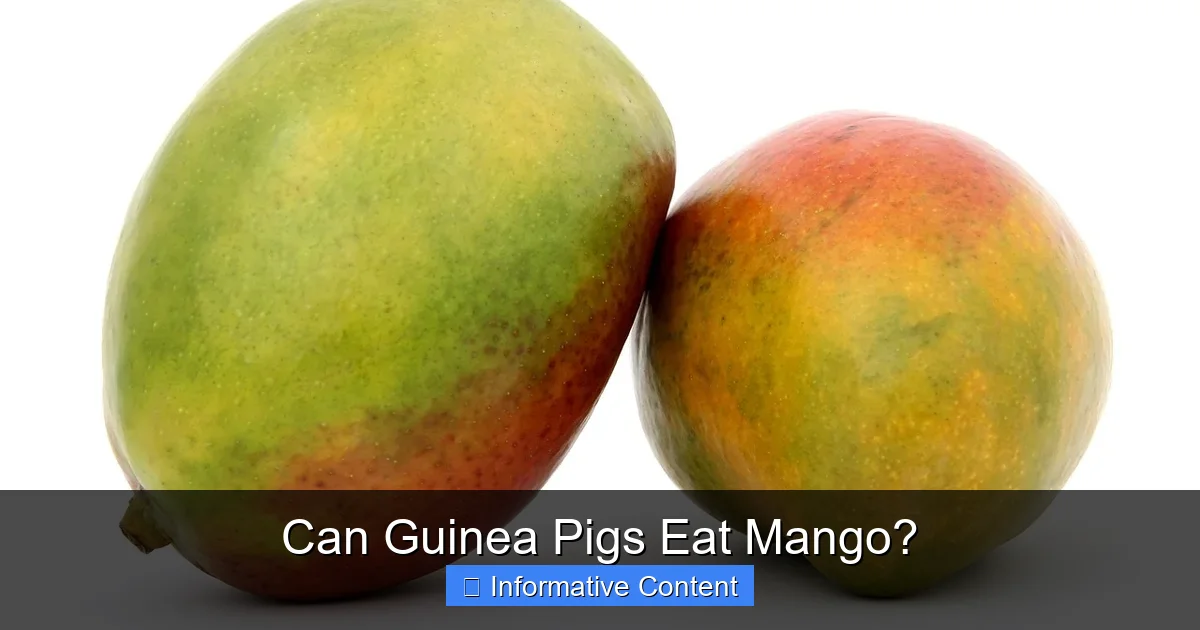
Visual guide about Can Guinea Pigs Eat Mango?
Image source: furrytips.com
Mangoes are also relatively acidic. While a tiny bit might be fine, too much acidity can irritate a guinea pig’s sensitive mouth and digestive tract. Furthermore, mangoes contain calcium. While calcium is necessary, too much can contribute to bladder stones or sludge in guinea pigs, especially those prone to urinary issues. This is why moderation is so important.
Can Guinea Pigs Eat Mango? The Verdict and How Much
So, can guinea pigs eat mango? The short answer is yes, but with a strong emphasis on moderation and caution. Mango should be considered a rare treat, not a regular fruit in their diet.
Portion Size is Paramount
When it comes to feeding mango, think tiny. A piece no larger than your thumbnail is sufficient. For a guinea pig, this is a significant treat due to its concentrated sugar. Imagine eating a whole candy bar versus a tiny piece; the impact is vastly different. A small sliver is enough to provide a taste and a tiny boost of vitamins without overwhelming their system.
Frequency: How Often is Too Often?
Because of its high sugar and acidity, mango should only be offered once or twice a month at most. It’s a special treat, not a daily or even weekly addition. Introducing it gradually and observing your guinea pig’s reaction is crucial. If you notice any signs of digestive upset, such as soft stools or diarrhea, stop feeding mango immediately and consult your vet.
Preparing Mango for Your Guinea Pig: Safety First!
Proper preparation is just as important as portion control when offering any new food to your guinea pig. Mishandling can turn a potentially safe treat into a dangerous one.
Removing the Skin and Pit
Never feed your guinea pig mango skin. The skin can be tough, difficult to digest, and may have been treated with pesticides. It could also pose a choking hazard. Similarly, the large pit (seed) in the center of the mango is a definite no-go. It’s too hard, can be a choking hazard, and some fruit pits contain trace amounts of cyanide, which is toxic. Always remove both the skin and the pit thoroughly.
Flesh Only, Please!
Only the soft, ripe, orange-yellow flesh of the mango should be given to your guinea pig. Make sure it’s fresh and clean. Wash the mango thoroughly before cutting to prevent transferring any contaminants from the skin to the flesh.
Small Cubes or Thin Slices
Once peeled and pitted, cut a very small portion of the flesh into tiny, bite-sized cubes or thin slivers. This prevents choking and makes it easier for your guinea pig to consume. Remember, we’re talking about a piece the size of your thumbnail!
Introducing New Foods: The Golden Rules
Whenever you introduce a new food, even one considered generally safe in moderation, it’s wise to follow these guidelines.
One at a Time
Introduce only one new food at a time. This way, if your guinea pig has an adverse reaction, you’ll know exactly what caused it. Don’t introduce mango and a new type of lettuce on the same day.
Start Small and Observe
Offer a tiny piece of mango and then wait 24-48 hours. Watch for any changes in your guinea pig’s behavior, appetite, or stool consistency. If everything seems normal, you can offer it again in a couple of weeks.
Monitor Digestion
Loose stools, diarrhea, or a lack of appetite are all signs that a food might not agree with your guinea pig. If you see any of these, discontinue the food immediately and ensure your guinea pig has plenty of fresh hay and water. If symptoms persist, contact your veterinarian.
Potential Risks of Overfeeding Mango
While a small amount of mango as a treat is generally safe, overfeeding can lead to several health issues for guinea pigs.
Digestive Upset
The high sugar and water content in mango can easily upset a guinea pig’s delicate digestive system, leading to diarrhea. This can quickly cause dehydration and be very dangerous for small animals.
Weight Gain and Obesity
Excessive sugar intake directly contributes to weight gain. Obese guinea pigs are at higher risk for other health problems, including bumblefoot, heart issues, and difficulty grooming.
Dental Problems
Sugary and acidic foods are not good for guinea pig teeth, which are designed to grind fibrous hay. Over time, too much sugar can contribute to dental issues.
Urinary Issues
As mentioned, mango contains calcium. While not extremely high, if your guinea pig is already prone to urinary stones or bladder sludge, even moderate calcium from treats can exacerbate the problem. It’s crucial to balance their overall calcium intake.
Choking Hazard
If not prepared correctly (i.e., leaving the skin or pit on, or serving too large a piece), mango can be a choking hazard.
When to Avoid Mango for Your Guinea Pig
There are certain situations where you should definitely steer clear of feeding mango to your guinea pig:
- If your guinea pig has a history of urinary stones or bladder sludge: The calcium content, even in small amounts, might be too much.
- If your guinea pig is overweight or diabetic: The high sugar content is detrimental.
- If your guinea pig is recovering from an illness or has a sensitive digestive system: Stick to bland, veterinarian-approved foods.
- If your guinea pig has never had it before and you’re unsure: Always introduce new foods with extreme caution or consult your vet first.
- If your guinea pig is a baby (under 6 months): Their digestive systems are still developing and are more sensitive. It’s best to wait until they are older before introducing fruits.
Alternative Fruits and Treats for Guinea Pigs
If you’re looking for other safe treats for your guinea pig, there are plenty of options that might be even better suited due to lower sugar or higher Vitamin C content.
Excellent Fruit Choices (in Moderation)
- Bell Peppers (especially red, yellow, orange): These are fantastic! High in Vitamin C and relatively low in sugar. Can be given daily in small amounts.
- Strawberries: Very high in Vitamin C but also contain sugar. A small piece once or twice a week is fine.
- Blueberries: Good source of antioxidants, but also contain sugar. A few berries occasionally.
- Apples (without seeds): Moderate sugar, good fiber. Small slice, no seeds.
Always remember that fruits should only make up a tiny percentage of their overall diet. Vegetables should always take precedence when it comes to fresh produce.
Bringing it All Together: The Guinea Pig and Mango
So, after all this information, what’s the final word on guinea pigs and mango? The consensus is clear: mango can be a delightful, but rare, treat for your guinea pig. It’s not a dietary staple and should never replace their essential hay, pellets, and daily vegetables. When offered, it must be in tiny portions, meticulously prepared, and given infrequently.
Think of mango as a special surprise, like a tiny dessert for your furry friend. Its rich flavor and texture can add a little excitement to their life, but its nutritional profile, particularly its sugar content, makes it unsuitable for regular consumption. Always prioritize your guinea pig’s health and well-being by sticking to their core diet and introducing any new food with care and observation. If you ever have doubts or concerns, a quick call to your veterinarian is always the best course of action. Your guinea pig relies on you to make the best dietary choices for them, ensuring they live a long, happy, and healthy life.
Frequently Asked Questions
Is mango high in Vitamin C, which guinea pigs need?
Yes, mango is a good source of Vitamin C, which is an essential nutrient for guinea pigs as they cannot produce it themselves. However, the high sugar content of mango means it’s not the best primary source of Vitamin C and should only be given as a rare treat.
Can young guinea pigs or babies eat mango?
It’s generally best to avoid feeding mango to young guinea pigs or babies (under 6 months old). Their digestive systems are still developing and are much more sensitive to new and sugary foods. Stick to their basic diet of hay, pellets, and safe, well-tolerated vegetables.
What should I do if my guinea pig eats too much mango?
If your guinea pig eats too much mango, monitor them closely for signs of digestive upset like diarrhea, lethargy, or loss of appetite. Ensure they have plenty of fresh hay and water. If symptoms are severe or persist, contact your veterinarian immediately for advice.
Are there any specific types of mango that are safer for guinea pigs?
No, all varieties of ripe mango have similar nutritional profiles regarding sugar, acidity, and vitamins. The key is proper portion control and preparation (peeling and pitting), regardless of the mango type.
Can mango cause diarrhea in guinea pigs?
Yes, mango can cause diarrhea in guinea pigs, especially if given in too large a portion or too frequently. Its high sugar and water content can disrupt their delicate digestive balance, leading to loose stools or full-blown diarrhea.
What are some better daily fruit alternatives for guinea pigs than mango?
While fruits should always be minimal, bell peppers (especially red, yellow, orange) are an excellent daily option for Vitamin C with much less sugar. Other occasional fruit treats like small pieces of strawberry or blueberry are generally preferable to mango due to a better balance of nutrients and lower sugar content when considering treats.