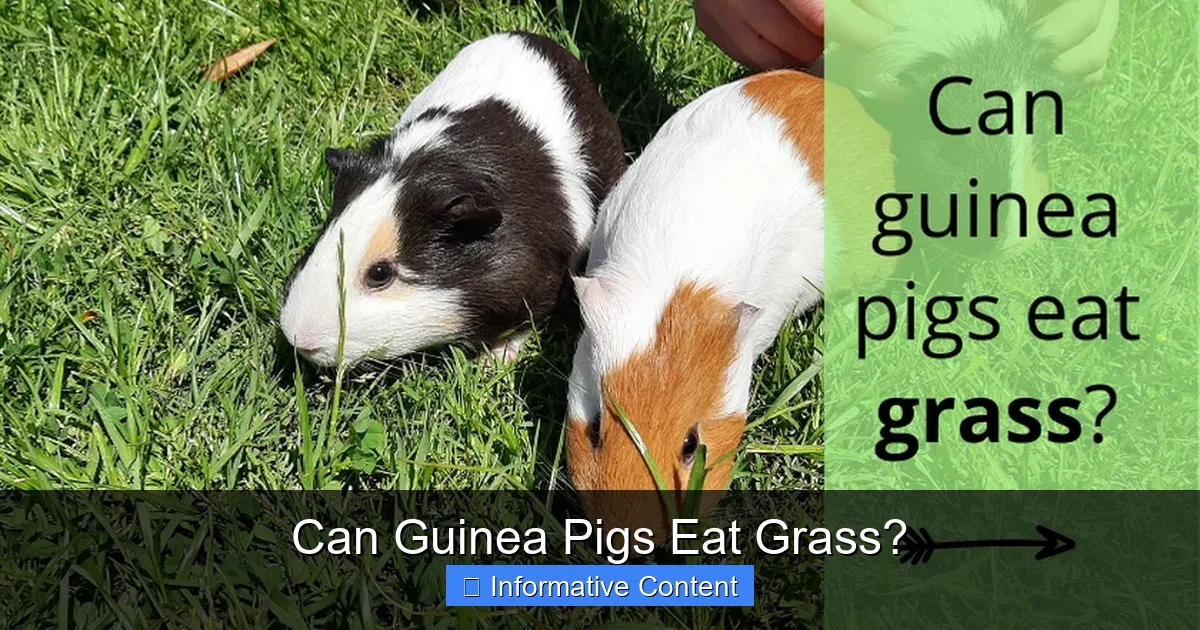
Yes, guinea pigs can eat grass, and it offers significant health benefits, mirroring their natural diet. Fresh, pesticide-free grass is an excellent source of fiber, vitamins, and minerals, crucial for dental wear and overall well-being. However, it’s vital to introduce it gradually, identify safe varieties, and always ensure it hasn’t been treated with chemicals or frequented by other animals, to prevent digestive upset or exposure to toxins. When offered responsibly, grass can be a delightful and nutritious addition to your cavy’s diet.
Contents
- Can Guinea Pigs Eat Grass?
- Key Takeaways
- Quick Answers to Common Questions
- 📑 Table of Contents
- The Foundation of a Guinea Pig’s Diet: Hay and Grass
- The Nutritional Benefits of Fresh Grass for Guinea Pigs
- Identifying Safe Grasses and What to Avoid
- How to Safely Introduce and Feed Grass to Your Guinea Pig
- Important Precautions and Potential Risks When Feeding Grass
- Conclusion: The Green Light for Grass, with Caution
- Frequently Asked Questions
- Is grass a good source of Vitamin C for guinea pigs?
- Can guinea pigs get worms from eating grass?
- What’s the difference between feeding grass and feeding hay?
- Can baby guinea pigs eat grass?
- My guinea pig got diarrhea after eating grass. What should I do?
- Should I wash grass before feeding it to my guinea pig?
Can Guinea Pigs Eat Grass?
As a loving guinea pig parent, you’re always striving to provide the best possible diet for your furry friend. You know that hay is king, fresh veggies are vital, and pellets offer a nutritional boost. But what about that lush green carpet covering our yards – can guinea pigs eat grass? It’s a common question, and one that often sparks curiosity, especially when you see your little cavy eagerly munching on a stray blade if given the chance.
The good news is, the answer is a resounding yes! Guinea pigs can eat grass, and it’s actually quite beneficial for them. In their natural habitat, wild cavies would spend their days grazing on various grasses and plants. So, offering fresh, safe grass to your pet is a wonderful way to connect them with their ancestral diet and provide a host of health advantages. However, like all good things in life, there are crucial caveats and safety considerations that every owner must understand before turning their guinea pig loose on the lawn.
This comprehensive guide will delve into everything you need to know about feeding grass to your guinea pig. We’ll explore the nutritional benefits, identify safe types of grass, explain how to introduce it properly, highlight potential risks to avoid, and offer practical tips to ensure your cavy enjoys this natural treat safely. Get ready to learn how to make fresh grass a delightful and healthy addition to your guinea pig’s daily meals!
Key Takeaways
- Yes, Guinea Pigs Can Eat Grass: Fresh grass is a natural and beneficial part of a guinea pig’s diet, mimicking what they would consume in the wild.
- Excellent Nutritional Benefits: Grass provides essential fiber for digestion, vitamins (like Vitamin C), minerals, and helps wear down their continuously growing teeth.
- Safety First: Only feed grass that is completely pesticide-free, herbicide-free, and free from animal waste. Never offer grass from roadsides or chemically treated lawns.
- Introduce Gradually: sudden dietary changes can cause digestive upset. Start with small amounts and slowly increase the quantity over several days or weeks.
- Identify Safe Varieties: Common lawn grasses like orchard grass, timothy grass, and rye grass are generally safe. Avoid ornamental grasses or those of unknown origin.
- Not a Hay Replacement: While beneficial, fresh grass should complement, not replace, an unlimited supply of high-quality hay, which remains the cornerstone of their diet.
- Monitor for Changes: Always observe your guinea pig for any signs of discomfort, diarrhea, or changes in appetite after introducing new foods, including grass.
Quick Answers to Common Questions
Can guinea pigs eat grass every day?
Yes, once your guinea pig is accustomed to it, a small daily portion of safe, fresh grass can be a beneficial part of their diet. It complements their hay and vegetables.
Is all lawn grass safe for guinea pigs?
No, definitely not. Only grass that is 100% free of pesticides, herbicides, fertilizers, and animal waste is safe. Most commercial lawns or roadside grass are unsafe.
What should I do if my guinea pig eats treated grass?
If you suspect your guinea pig has eaten chemically treated grass, contact your veterinarian immediately. This can be a life-threatening emergency.
Can guinea pigs eat dried grass?
Yes, dried grass is essentially hay! High-quality hay (like timothy or orchard hay) forms the bulk of a guinea pig’s diet and should be available at all times.
How much grass can I give my guinea pig?
After gradual introduction, a small handful (roughly a cup) per day is a good amount for one guinea pig. Always ensure they still consume plenty of hay.
📑 Table of Contents
- The Foundation of a Guinea Pig’s Diet: Hay and Grass
- The Nutritional Benefits of Fresh Grass for Guinea Pigs
- Identifying Safe Grasses and What to Avoid
- How to Safely Introduce and Feed Grass to Your Guinea Pig
- Important Precautions and Potential Risks When Feeding Grass
- Conclusion: The Green Light for Grass, with Caution
The Foundation of a Guinea Pig’s Diet: Hay and Grass
Understanding the cornerstone of a guinea pig’s diet is key to appreciating why grass fits in so well. These adorable creatures are hindgut fermenters, meaning their digestive system is designed to process large amounts of fibrous plant matter. This process relies heavily on a constant supply of fiber to keep their gut moving and prevent serious health issues like gastrointestinal stasis.
Why Hay is Non-Negotiable
For domesticated guinea pigs, an unlimited supply of high-quality hay (such as timothy hay, orchard hay, or meadow hay) forms the bulk – about 80% – of their diet. Hay is not just filler; it’s packed with essential fiber, which is vital for:
- Digestive Health: The long strands of fiber keep their delicate digestive system constantly working, preventing blockages and maintaining a healthy gut flora.
- Dental Health: Guinea pigs’ teeth grow continuously throughout their lives. Chewing hay helps wear down their molars and incisors naturally, preventing painful dental spurs and malocclusion. Without adequate hay, dental problems are almost inevitable.
So, where does fresh grass come into this picture? Think of grass as a fresh, greener, and often more nutrient-rich version of hay. It provides similar benefits, but with the added perks of hydration and certain vitamins that can diminish during the hay-drying process.
Grass: A Natural and Beneficial Supplement
Because guinea pigs are natural grazers, grass is perfectly suited to their digestive system. When you consider the natural diet of their wild ancestors, grass isn’t just a treat; it’s a primary food source. Therefore, when you ask, “can guinea pigs eat grass?”, you’re tapping into their evolutionary roots. Introducing fresh grass responsibly can greatly enhance their diet, offering variety and a different texture that they often relish. It complements hay by providing fresh fiber, but importantly, it does not replace it. Hay must always be available.
The Nutritional Benefits of Fresh Grass for Guinea Pigs
Beyond just mimicking their wild diet, feeding fresh grass to your guinea pig offers a wealth of nutritional and health benefits that contribute significantly to their overall well-being. These advantages underscore why it’s so great that guinea pigs can eat grass, provided it’s safe.
Fiber for a Healthy Gut
Just like hay, grass is an excellent source of dietary fiber. This roughage is crucial for maintaining a healthy gastrointestinal tract. A diet rich in fiber helps prevent common guinea pig ailments such as GI stasis, which can be life-threatening. The fiber in grass also contributes to the formation of healthy droppings, which is a good indicator of digestive health.
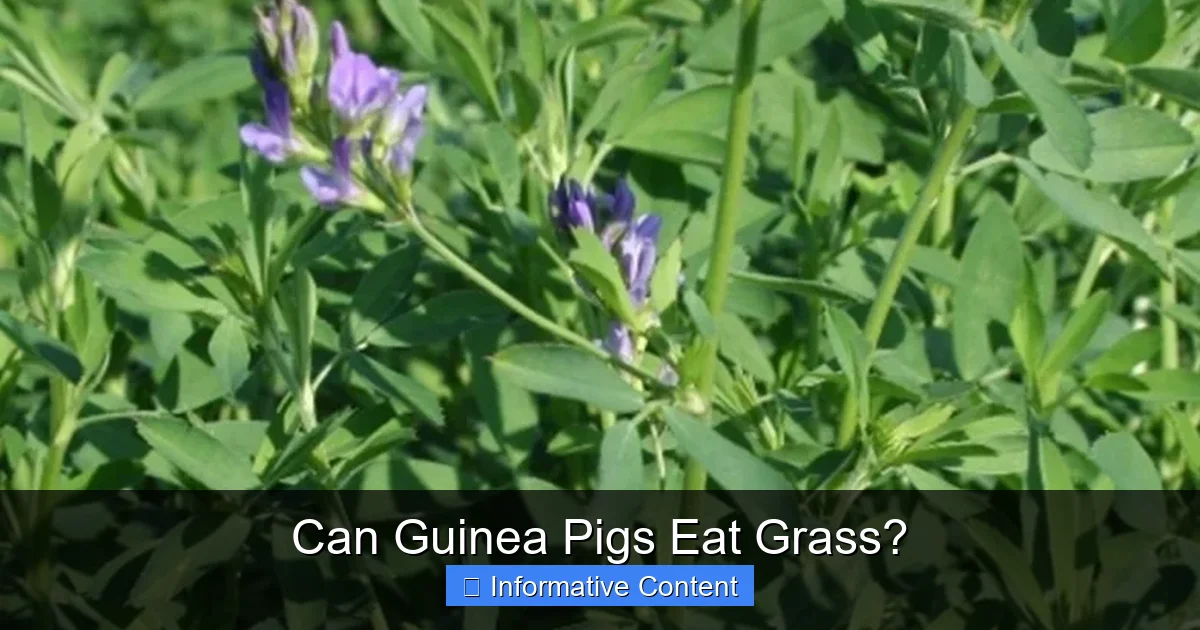
Visual guide about Can Guinea Pigs Eat Grass?
Image source: guineapigfoods.com
Essential Dental Wear
This is one of the most critical benefits. Guinea pigs’ teeth grow constantly, about 2-3 mm per week! Continuous chewing on fibrous foods like grass and hay is essential to grind down their teeth evenly. The silica content in grass, along with its fibrous texture, acts like natural sandpaper, helping to keep those molars at a healthy length and preventing painful dental issues that require veterinary intervention.
Rich in Vitamins and Minerals
Fresh grass is a living food, meaning it retains more of its natural vitamins and minerals compared to dried hay. It’s a good source of:
- Vitamin C: Guinea pigs cannot synthesize their own Vitamin C and must get it from their diet. While grass isn’t as high in Vitamin C as bell peppers, it contributes to their daily intake, which is vital for immune function and preventing scurvy.
- Vitamins A and K: Important for vision, skin health, blood clotting, and bone health.
- B Vitamins: Essential for metabolism and energy production.
- Minerals: Contains beneficial minerals like calcium (though moderation is key), potassium, and phosphorus.
Natural Hydration
Fresh grass contains a significant amount of water. While it doesn’t replace the need for fresh drinking water, it contributes to your guinea pig’s daily hydration, especially useful during warmer months or for guinea pigs who might not drink as much water directly from a bottle.
Mental Stimulation and Enrichment
Allowing your guinea pig to graze on grass, even if it’s just a small pile in their enclosure, offers mental stimulation and enrichment. The act of foraging is natural for them, engaging their instincts and providing a pleasant activity that can reduce boredom and stress.
Identifying Safe Grasses and What to Avoid
Now that we’ve established that guinea pigs can eat grass and why it’s so good for them, the most important step is ensuring you’re offering the *right kind* of grass. Not all green stuff is created equal, and some common lawn features can be highly dangerous.
Safe Grass Varieties
When selecting grass for your guinea pig, stick to common, untreated lawn grasses. These include:
- Timothy Grass: Often found in hay blends, timothy grass is an excellent choice.
- Orchard Grass: Another popular hay variety and safe for fresh consumption.
- Rye Grass: Generally safe, but ensure it hasn’t been chemically treated.
- Fescue: Most fescue varieties are fine, though some types can harbor a fungus that is toxic to horses; for guinea pigs, common lawn fescue is usually safe.
- Bermuda Grass: Can be fed in moderation.
The key here is simplicity. If it looks like typical lawn grass that grows naturally without human intervention, it’s generally a good candidate.
What Grasses and Plants to Absolutely Avoid
This is where safety becomes paramount. Never feed your guinea pig grass or plants if you are unsure of their type or origin.
- Chemically Treated Grass: This is the biggest danger. Any grass that has been treated with pesticides, herbicides, fertilizers, or other chemicals is toxic. This includes most commercially maintained lawns.
- Roadside Grass: Grass near roadsides is often contaminated with exhaust fumes, oil, and other pollutants. It’s highly unsafe.
- Grass from Dog Parks or Areas with High Animal Traffic: While the grass itself might be safe, it can be contaminated with parasites or bacteria from other animals’ waste.
- Ornamental Grasses: Many decorative grasses grown in gardens (e.g., Pampas grass, fountain grass) are not suitable for consumption and can be toxic.
- Weeds and Other Garden Plants: While some weeds are safe (like dandelions, in moderation), many common garden plants are toxic to guinea pigs. Always research a plant thoroughly before offering it. Examples of toxic plants include foxglove, lilies, ivy, rhubarb leaves, and many more. When in doubt, leave it out.
- Moldy or Wilted Grass: Always offer fresh, vibrant green grass. Moldy or rotting grass can cause digestive upset and introduce harmful bacteria.
When collecting grass, ensure you are 100% confident it’s from a clean, safe, and chemical-free area. A good rule of thumb: if you wouldn’t eat it yourself after a quick rinse, don’t offer it to your guinea pig.
How to Safely Introduce and Feed Grass to Your Guinea Pig
So, you’ve identified a safe source, and you know guinea pigs can eat grass. Now comes the practical part: how do you introduce it without upsetting their sensitive digestive system? Gradual introduction is key.
The Golden Rule: Introduce Gradually
A sudden change in diet can cause digestive upset, soft stools, or even diarrhea in guinea pigs. Their gut flora needs time to adjust to new foods. Here’s a step-by-step guide for introducing grass:
- Start Small: Begin with a tiny pinch of fresh grass – literally just a few blades. Offer it once a day.
- Observe and Monitor: For the next 24-48 hours, closely watch your guinea pig’s droppings. Are they normal? Is your guinea pig behaving as usual? Any signs of soft stools, diarrhea, or lethargy mean you should stop offering grass and consult your vet if symptoms persist.
- Slowly Increase: If all goes well, gradually increase the amount over several days, or even a week or two. Don’t rush it. A small handful is a good daily portion for one guinea pig once they are accustomed to it.
- Frequency: Once accustomed, you can offer a small portion of grass daily or a few times a week, depending on availability.
Best Practices for Feeding Grass
- Wash Thoroughly: Even from a safe source, always rinse grass under cold water to remove any dirt, insects, or environmental dust. Pat it dry with a paper towel or let it air dry.
- Offer Fresh: Grass should always be offered fresh. Don’t leave large piles of grass in the cage to wilt or rot, as this can attract pests and cause digestive issues. Remove any uneaten grass after a few hours.
- Supplement, Don’t Replace: Remember, grass is a supplement. It does not replace their daily unlimited hay supply, daily fresh vegetables, or a small amount of fortified pellets.
- Consider a Designated “Grazing Area”: If you have a secure, fenced, and untreated lawn, supervised outdoor grazing can be a wonderful experience for your guinea pig on sunny days. Ensure they are protected from predators, direct sun, and escape. Always use a secure run with a top.
- Avoid Wet Grass (Initial Stages): Some sources suggest avoiding very wet grass, especially during initial introduction, as it might contribute to bloat in some sensitive cavies. Once accustomed, moderate dew-kissed grass is usually fine, but avoid large quantities of soaking wet grass.
Growing Your Own Safe Grass Patch
For ultimate peace of mind, consider growing your own guinea pig-safe grass patch in a pot or designated area. This gives you complete control over soil, fertilizers, and pest management. You can use common grass seeds like timothy or orchard grass. This also works well for apartment dwellers or those without access to a safe outdoor area.
Important Precautions and Potential Risks When Feeding Grass
While guinea pigs can eat grass with great benefit, ignoring the risks can lead to serious health problems. Being vigilant and knowledgeable about potential dangers is crucial for responsible pet ownership.
Pesticide and Herbicide Contamination
This is arguably the most significant risk. Many lawns are treated with chemicals to kill weeds or pests. These substances are highly toxic to guinea pigs and can cause severe illness, neurological damage, or even death. Always verify that any grass you offer is 100% free of chemical treatments. If you’re unsure, do not risk it.
Parasites and Bacteria
Grass collected from areas frequented by other animals (wildlife, dogs, cats) can carry parasites (like giardia or worms) or harmful bacteria (like E. coli or salmonella) through their feces. Even if you don’t see visible droppings, microscopic traces can be present. Always collect grass from areas that are clean and exclusively for your pets, or grow your own.
Digestive Upset and Bloat
Introducing too much grass too quickly, or feeding moldy/wilted grass, can lead to digestive upset. Symptoms include:
- Soft Stools or Diarrhea: A common sign of dietary imbalance.
- Bloat: A serious, potentially life-threatening condition where gas builds up in the digestive tract. Symptoms include a distended abdomen, lethargy, loss of appetite, and pain. If you suspect bloat, seek immediate veterinary attention.
This is why the gradual introduction and monitoring of your guinea pig’s health are absolutely essential. Always ensure your guinea pig has access to plenty of water when introducing new foods.
Choking Hazard (Rare)
While rare, exceptionally long strands of tough grass could theoretically pose a choking risk. It’s best to offer grass in manageable lengths, perhaps tearing longer blades into smaller pieces, especially for younger or very elderly guinea pigs.
Heatstroke During Outdoor Grazing
If you allow your guinea pig to graze outdoors, be extremely cautious about temperature. Guinea pigs are highly susceptible to heatstroke. Always provide ample shade, fresh water, and monitor them closely, especially on warm days. Never leave them unattended. A temperature above 75°F (24°C) can be dangerous.
Conclusion: The Green Light for Grass, with Caution
So, can guinea pigs eat grass? Absolutely, yes! When sourced safely and introduced properly, fresh grass is a fantastic addition to your guinea pig’s diet, offering a wealth of nutritional benefits, supporting dental health, and providing natural enrichment. It taps into their innate grazing behaviors and enhances their overall well-being.
However, the emphasis must always be on *safety and moderation*. Never compromise on the source of your grass. Ensure it’s completely free from chemicals, pesticides, and contaminants from other animals. Introduce it slowly, observe your guinea pig closely, and remember that grass supplements, but does not replace, their unlimited supply of high-quality hay.
By following these guidelines, you can confidently offer your beloved guinea pig the joy and health benefits of fresh, green grass. Watching them happily munch on a natural treat is incredibly rewarding, knowing you’re providing them with a little piece of their wild heritage in a safe and loving home. Happy grazing to your happy cavies!
Frequently Asked Questions
Is grass a good source of Vitamin C for guinea pigs?
While fresh grass contains some Vitamin C, it’s not as concentrated as in other guinea pig-safe vegetables like bell peppers. It contributes to their overall intake but shouldn’t be relied upon as their sole source.
Can guinea pigs get worms from eating grass?
Yes, if the grass is collected from an area frequented by other animals (like dogs, cats, or wildlife), it can be contaminated with parasites or their eggs, potentially leading to worm infestations or other illnesses. Always choose a clean, private source.
What’s the difference between feeding grass and feeding hay?
Grass is fresh and contains more water and living nutrients, while hay is dried grass. Both are excellent sources of fiber and essential for dental wear. Hay is the primary dietary component, with fresh grass serving as a beneficial supplement.
Can baby guinea pigs eat grass?
Young guinea pigs (weaned and eating solid food) can be introduced to grass, but with even greater caution and smaller amounts than adult guinea pigs. Their digestive systems are more delicate, so introduce new foods very slowly.
My guinea pig got diarrhea after eating grass. What should I do?
Stop feeding grass immediately. Ensure your guinea pig has unlimited access to plain timothy hay and fresh water. Monitor their condition closely. If diarrhea persists, if your guinea pig becomes lethargic, or stops eating, contact your veterinarian promptly.
Should I wash grass before feeding it to my guinea pig?
Yes, it’s highly recommended to thoroughly rinse any fresh grass under cold water before offering it to your guinea pig. This helps remove dirt, small insects, and any environmental dust, making it safer for consumption.