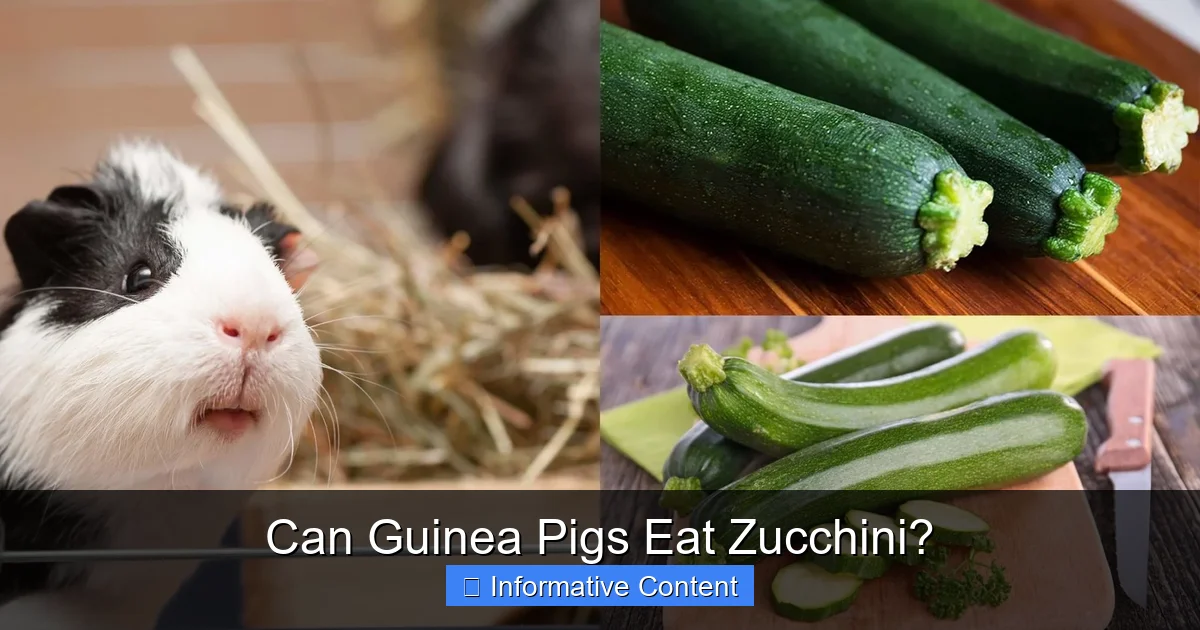
Yes, guinea pigs can eat zucchini, but only in moderation as an occasional treat. Zucchini offers good hydration and some vitamins, like Vitamin C, which is vital for cavies. However, too much can lead to digestive upset or contribute to mineral imbalances, so careful preparation and portion control are key to keeping your furry friend happy and healthy.
Contents
- Can Guinea Pigs Eat Zucchini?
- Key Takeaways
- Quick Answers to Common Questions
- 📑 Table of Contents
- The Short Answer: Can Guinea Pigs Eat Zucchini?
- Nutritional Benefits of Zucchini for Guinea Pigs
- Potential Risks and Downsides of Feeding Zucchini
- How to Safely Prepare and Serve Zucchini to Your Guinea Pig
- Introducing Zucchini to Your Guinea Pig’s Diet
- Balancing Zucchini with a Well-Rounded Guinea Pig Diet
- Conclusion: Zucchini as a Safe, Occasional Treat
- Frequently Asked Questions
Can Guinea Pigs Eat Zucchini?
Hello, fellow guinea pig parents! If you’re like me, you’re always looking for new ways to spoil your furry little friends, especially when it comes to their diet. We know how much joy they get from munching on fresh veggies, and it’s natural to wonder about every fruit and vegetable that passes through our kitchen. Today, we’re going to dive into a common question: “Can guinea pigs eat zucchini?”
It’s a great question, as zucchini is a popular, versatile vegetable enjoyed by humans worldwide. With its mild flavor and crisp texture, it seems like a promising candidate for our cavies’ snack list. But before we toss a slice into their enclosure, it’s essential to understand the full picture – the benefits, the potential risks, and the best way to serve it up safely. Let’s make sure our little companions stay as healthy and happy as possible!
Your guinea pig’s diet is incredibly important for their overall health and longevity. A well-balanced diet, rich in hay and fresh vegetables, is the foundation for a vibrant life. So, let’s explore whether zucchini can find a safe and beneficial spot in that carefully planned diet.
Key Takeaways
- Zucchini is Safe in Moderation: Guinea pigs can safely consume zucchini, but it should always be offered as an occasional treat, not a staple part of their daily diet.
- Nutrient-Rich Treat: Zucchini is a good source of hydration and contains beneficial vitamins and minerals like Vitamin C, Vitamin A, and potassium, all important for guinea pig health.
- Beware of Overfeeding: Giving too much zucchini can lead to digestive upset, such as diarrhea, due to its high water content. It also contains some calcium and phosphorus, which need to be balanced in their overall diet.
- Proper Preparation is Crucial: Always wash zucchini thoroughly to remove pesticides. Cut it into small, manageable pieces to prevent choking, and offer the skin and flesh, but avoid the seeds (though generally harmless, it’s a good precaution).
- Introduce Gradually: When first offering zucchini, start with a tiny piece and monitor your guinea pig for any signs of digestive upset or unusual behavior.
- Balance is Key: Zucchini should complement a diet rich in fresh hay, high-quality pellets, and a variety of other safe fresh vegetables, never replacing essential components.
Quick Answers to Common Questions
Can guinea pigs eat zucchini skin?
Yes, guinea pigs can safely eat zucchini skin. It contains beneficial fiber and nutrients, just make sure to wash it thoroughly before serving.
Are zucchini seeds safe for guinea pigs?
While zucchini seeds are not considered toxic, it’s generally best to remove larger, mature seeds before feeding to avoid any potential choking hazards or digestive issues, especially with smaller guinea pigs.
How often can I feed my guinea pig zucchini?
Zucchini should be an occasional treat, offered no more than 2-3 times per week, in small portions. It should not be a daily staple in their diet.
Can baby guinea pigs eat zucchini?
It’s generally best to wait until baby guinea pigs are a bit older, around 4-6 months, before introducing new vegetables like zucchini. Always start with very tiny amounts and monitor closely.
What happens if a guinea pig eats too much zucchini?
If a guinea pig eats too much zucchini, its high water content can lead to digestive upset, such as soft stools or diarrhea. Always stick to recommended portion sizes and frequencies.
📑 Table of Contents
- The Short Answer: Can Guinea Pigs Eat Zucchini?
- Nutritional Benefits of Zucchini for Guinea Pigs
- Potential Risks and Downsides of Feeding Zucchini
- How to Safely Prepare and Serve Zucchini to Your Guinea Pig
- Introducing Zucchini to Your Guinea Pig’s Diet
- Balancing Zucchini with a Well-Rounded Guinea Pig Diet
- Conclusion: Zucchini as a Safe, Occasional Treat
The Short Answer: Can Guinea Pigs Eat Zucchini?
Good news, guinea pig enthusiasts! The direct answer to “can guinea pigs eat zucchini?” is a resounding **yes, they can!** However, and this is a crucial “however,” zucchini should only be offered in moderation as an occasional treat. It’s not a vegetable that should form a large part of their daily intake, but rather a small, enjoyable addition to their varied diet.
Think of zucchini as a delicious, healthy snack, not a main course. Just like humans enjoy a small dessert or a special appetizer, your guinea pig can enjoy a little bit of zucchini every now and then. The key phrase here is “in moderation.” This means small portions, and not every single day. We’ll get into the specifics of how much and how often a little later on. But for now, you can rest assured that this popular summer squash is generally safe for your guinea pig to enjoy!
Why Moderation is Key
Even though zucchini is safe, its high water content can lead to digestive upset, like soft stools or diarrhea, if given in excessive amounts. Their delicate digestive systems are very sensitive to sudden changes or too much of any single new food. We want happy bellies, not upset ones! So, while it’s safe, remember that moderation is your best friend when it comes to feeding zucchini to your guinea pig.
Nutritional Benefits of Zucchini for Guinea Pigs

Visual guide about Can Guinea Pigs Eat Zucchini?
Image source: vetguru.com
Now that we know guinea pigs can eat zucchini, let’s explore why it can be a beneficial addition to their diet in small amounts. Zucchini is more than just water; it packs some good nutrients that can support your piggy’s health.
Packed with Hydration
One of the most immediate benefits of zucchini is its high water content. Zucchini is approximately 95% water! This makes it an excellent source of hydration for your guinea pig, especially on warmer days or if they aren’t drinking enough water from their bottle. Good hydration is essential for overall bodily functions, including kidney health and proper digestion. It helps keep things moving smoothly through their system.
Vitamin C Powerhouse (Well, Kind Of!)
Guinea pigs, just like humans, cannot produce their own Vitamin C. This makes it an absolutely critical nutrient that they must get from their diet. A deficiency in Vitamin C can lead to scurvy, a serious and potentially fatal condition for guinea pigs. While zucchini isn’t as high in Vitamin C as, say, bell peppers, it does contribute to their daily intake. Every little bit helps! Including a variety of foods that offer Vitamin C is a great strategy, and zucchini can be one of them.
Other Vitamins and Minerals
Beyond Vitamin C and hydration, zucchini offers a few other goodies:
- Vitamin A: Important for vision, immune function, and healthy skin. Zucchini contains carotenoids, which the body converts into Vitamin A.
- Potassium: An essential electrolyte that helps with nerve function, muscle contractions, and maintaining fluid balance.
- Vitamin B6 (Pyridoxine): Involved in metabolism and nervous system function.
- Folate (Vitamin B9): Important for cell growth and function.
- Fiber: Although in smaller amounts compared to other vegetables, the fiber in zucchini contributes to digestive health, helping to regulate bowel movements.
These nutrients, even in small quantities, add to the overall nutritional diversity of your guinea pig’s diet. Remember, the goal is a varied diet, and zucchini can play a small, positive role in that variety.
Potential Risks and Downsides of Feeding Zucchini
While zucchini offers some lovely benefits, it’s equally important to be aware of the potential risks and downsides. Responsible pet ownership means understanding both sides of the coin when introducing new foods. When considering “can guinea pigs eat zucchini,” we must also think about what could go wrong if not fed properly.
Digestive Upset and Diarrhea
This is perhaps the most significant risk associated with overfeeding zucchini. Its extremely high water content, while beneficial for hydration in small doses, can quickly lead to loose stools or outright diarrhea if given too much. Guinea pigs have very sensitive digestive systems, and any sudden influx of water-rich food can disrupt the delicate balance of their gut flora. Diarrhea can lead to dehydration and other serious health issues, so it’s something to avoid at all costs.
Pesticide Contamination
Zucchini, like many fruits and vegetables, can be exposed to pesticides during cultivation. These chemicals can be very harmful to your guinea pig. This isn’t a unique risk to zucchini, but it’s a critical consideration for *any* fresh produce you feed your pets. Always thoroughly wash your zucchini before offering it to your guinea pig, even if it’s organic. A good rinse under running water is usually sufficient to remove surface residues.
Calcium and Phosphorus Balance
Guinea pigs are prone to bladder stones and urinary tract issues, often linked to an imbalance of calcium and phosphorus in their diet. While zucchini isn’t excessively high in calcium, it does contain some. When feeding any vegetable, especially those with moderate calcium, it’s vital to consider the overall calcium-to-phosphorus ratio in your guinea pig’s entire diet. Aim for a ratio where calcium is slightly higher than or equal to phosphorus (ideally 1.5:1 or 2:1 calcium to phosphorus). Too much calcium, especially without adequate phosphorus, can contribute to stone formation. Since zucchini has a relatively balanced ratio, it’s generally less of a concern than some high-calcium greens, but still something to keep in mind within the broader diet.
Potential for Choking
While zucchini is relatively soft, larger pieces could still pose a choking hazard, especially for enthusiastic eaters or smaller guinea pigs. Always cut zucchini into small, manageable pieces to ensure your guinea pig can chew and swallow it safely.
By understanding these potential risks, you can take proactive steps to mitigate them and ensure that feeding zucchini remains a safe and enjoyable experience for your guinea pig.
How to Safely Prepare and Serve Zucchini to Your Guinea Pig
So, you’re ready to let your guinea pig try zucchini! That’s wonderful! But before you do, let’s make sure you know exactly how to prepare and serve it safely. Proper preparation is just as important as knowing that guinea pigs can eat zucchini in the first place.
Step 1: Wash It Thoroughly!
This step is non-negotiable for *any* fresh produce you give your guinea pig. Whether it’s from your garden, a farmer’s market, or the grocery store, always wash the zucchini thoroughly under cool running water. This helps remove any dirt, bacteria, or pesticide residues that might be on the skin. You don’t need fancy veggie washes; just good old water and a gentle rub will do the trick.
Step 2: Choose the Right Part
The good news is that guinea pigs can eat both the skin and the flesh of the zucchini. The skin actually contains some beneficial fiber and nutrients.
- Skin: Safe and nutritious.
- Flesh: Soft and easily digestible.
- Seeds: While not considered toxic, it’s generally a good practice to scoop out the seeds, especially if they are large. Smaller, immature seeds usually aren’t an issue, but removing larger ones eliminates any potential concerns about digestibility or choking.
Step 3: Cut into Small, Manageable Pieces
This is crucial to prevent choking. Cut the zucchini into small, bite-sized pieces or thin strips. Think of sizes that are easy for your guinea pig to pick up, chew, and swallow without struggling. A small cube or a thin coin slice is usually perfect. Remember, we want them to enjoy their snack, not wrestle with it!
Step 4: Portion Control is Key!
This is where moderation comes into play. For an adult guinea pig, a safe serving size of zucchini is generally about a **1-inch cube or 2-3 small coin-sized slices**.
- Frequency: Offer zucchini no more than **2-3 times a week**. It’s an occasional treat, not a daily staple.
- Start Small: Especially if it’s their first time trying zucchini, start with an even smaller amount (e.g., half a 1-inch cube) to see how they react.
Never offer an entire slice or a large chunk of zucchini. Always err on the side of giving too little rather than too much.
Step 5: Introduce New Foods Slowly
We’ll cover this in more detail in the next section, but it bears repeating: introduce zucchini slowly. Their delicate digestive systems need time to adjust to new foods.
By following these simple preparation and serving guidelines, you can ensure that feeding zucchini to your guinea pig is a safe and enjoyable experience for both of you.
Introducing Zucchini to Your Guinea Pig’s Diet
Introducing any new food to your guinea pig’s diet requires a bit of caution and observation. While we’ve established that guinea pigs can eat zucchini, the way you introduce it is just as important as the fact that it’s safe. Slow and steady wins the race when it comes to their digestive health.
The Gradual Approach
When you first offer zucchini, start with a very small amount. We’re talking about a tiny, pea-sized piece. This isn’t about giving them a full snack; it’s about testing the waters. Give them this tiny piece and then wait.
Monitor for Any Changes
After offering the small piece of zucchini, keep a close eye on your guinea pig for the next 12-24 hours. What are you looking for?
- Stool consistency: Check their poops. Are they still firm and well-formed? Or have they become soft, watery, or even led to diarrhea? This is the most important indicator.
- Appetite: Are they still eating their hay and pellets normally?
- Behavior: Do they seem lethargic, uncomfortable, or gassy? Are they rumbling their tummy or looking hunched?
If you notice any negative changes, discontinue feeding zucchini immediately. It might mean that particular guinea pig is sensitive to it, or you simply gave them too much too soon.
If All Goes Well…
If your guinea pig shows no adverse reactions after the initial tiny piece, you can try offering a slightly larger portion the next time, perhaps a day or two later. Again, stick to the recommended serving size (a 1-inch cube or 2-3 small slices) and frequency (2-3 times a week). Never increase the portion or frequency too quickly.
Individual Preferences
Just like people, guinea pigs have individual tastes! Some may absolutely adore zucchini, while others might turn up their nose at it. Don’t be discouraged if your piggy isn’t interested. There are plenty of other safe and healthy vegetables they can enjoy. Never force them to eat something they don’t seem to like. The goal is to offer variety and see what they enjoy.
Introducing zucchini slowly helps you understand your guinea pig’s unique response to it and ensures that this new treat is a positive addition to their diet.
Balancing Zucchini with a Well-Rounded Guinea Pig Diet
Understanding that guinea pigs can eat zucchini is just one piece of the puzzle. The bigger picture involves integrating it into a comprehensive, balanced diet that meets all their nutritional needs. Zucchini, like all treats, should complement, not dominate, their meals.
Hay: The Foundation of Their Diet
The absolute most important component of your guinea pig’s diet is **fresh, high-quality hay**. This should be available to them 24/7. Hay provides essential fiber for their digestive system, helps wear down their continuously growing teeth, and keeps them busy and happy. Timothy hay is a popular choice for adult guinea pigs, but orchard grass and oat hay are also excellent options. Zucchini, or any vegetable, should never, ever replace hay.
High-Quality Pellets
In addition to hay, guinea pigs should receive a small portion of **high-quality guinea pig pellets** daily. Choose pellets that are specifically formulated for guinea pigs, high in fiber, and fortified with Vitamin C. Avoid muesli-style mixes with seeds and dried fruits, as these can lead to selective eating and nutritional imbalances.
A Rainbow of Fresh Vegetables
After hay and pellets, a variety of fresh vegetables forms the third pillar of their diet. This is where zucchini fits in! Your guinea pig should get a daily serving of fresh veggies, typically about one cup per adult guinea pig. This cup should be a mix of various safe vegetables, offering a wide spectrum of nutrients.
- Daily Staples: Leafy greens like romaine lettuce, green leaf lettuce, and bell peppers (especially red and yellow for Vitamin C) are great daily options.
- Occasional Treats (like Zucchini!): Vegetables like zucchini, cucumber, carrots, parsley, cilantro, and small amounts of fruit (like apple slices or berries) should be given sparingly due to their sugar content or other considerations.
The key is variety! Offering a diverse range of safe vegetables ensures your guinea pig gets all the vitamins and minerals they need. Think about balancing high-calcium greens with lower-calcium options.
Fresh Water
Always provide fresh, clean water in a sipper bottle, changed daily. While zucchini helps with hydration, it doesn’t replace the need for constant access to water.
By keeping these dietary guidelines in mind, you can ensure that the occasional zucchini treat enhances your guinea pig’s diet without compromising its overall balance and nutritional integrity. A healthy guinea pig is a happy guinea pig!
Conclusion: Zucchini as a Safe, Occasional Treat
So, can guinea pigs eat zucchini? Absolutely! It’s a safe and potentially beneficial treat when given correctly. Zucchini offers good hydration, a dash of Vitamin C, and other essential nutrients that contribute to your guinea pig’s overall well-being. It can be a lovely addition to their varied diet, adding both interest and nutritional diversity.
However, as we’ve discussed, the key lies in moderation, careful preparation, and close observation. Always wash your zucchini thoroughly, cut it into small, manageable pieces, and offer it as an occasional treat (2-3 times a week) in small portions. Watch for any signs of digestive upset, especially when introducing it for the first time. Remember, every guinea pig is an individual, and what one loves and tolerates well, another might not.
Ultimately, providing a balanced diet with unlimited fresh hay, high-quality pellets, and a diverse selection of safe, fresh vegetables is paramount. Zucchini fits perfectly into the “occasional treat” category, bringing a touch of refreshing goodness to your beloved cavy’s meal plan. Always prioritize your pet’s health and consult with a vet experienced in exotic animals if you have any concerns about their diet or health. Happy snacking to your adorable guinea pigs!
Frequently Asked Questions
Is zucchini high in sugar for guinea pigs?
No, zucchini is relatively low in sugar compared to many other fruits and vegetables. This makes it a better treat option than high-sugar items, but moderation is still important due to its water content.
Can zucchini cause gas in guinea pigs?
While generally not a primary cause of gas, feeding too much of any watery vegetable like zucchini can potentially lead to digestive discomfort or gas in sensitive guinea pigs if their system isn’t used to it or if given in excessive amounts. Introduce it slowly to observe your pet’s reaction.
Do I need to cook zucchini for my guinea pig?
No, you should never cook zucchini for your guinea pig. Guinea pigs should only eat raw, fresh vegetables. Cooking changes the nutritional profile and can make the vegetable harder for them to digest or even create harmful compounds.
What other squashes can guinea pigs eat?
Similar to zucchini, guinea pigs can enjoy other types of squash in moderation, such as yellow squash or spaghetti squash. Always remove seeds and tough skin, and introduce any new squash gradually while monitoring your guinea pig’s reaction.
Can guinea pigs eat zucchini flowers?
Yes, guinea pigs can safely eat zucchini flowers! They are a delightful and safe treat, but again, offer them in moderation and ensure they are free from pesticides.
Why is Vitamin C important for guinea pigs when feeding zucchini?
Vitamin C is crucial for guinea pigs because, like humans, they cannot produce it internally and must get it from their diet. Zucchini contains some Vitamin C, contributing to their daily intake and helping prevent conditions like scurvy, which is vital for their overall health.