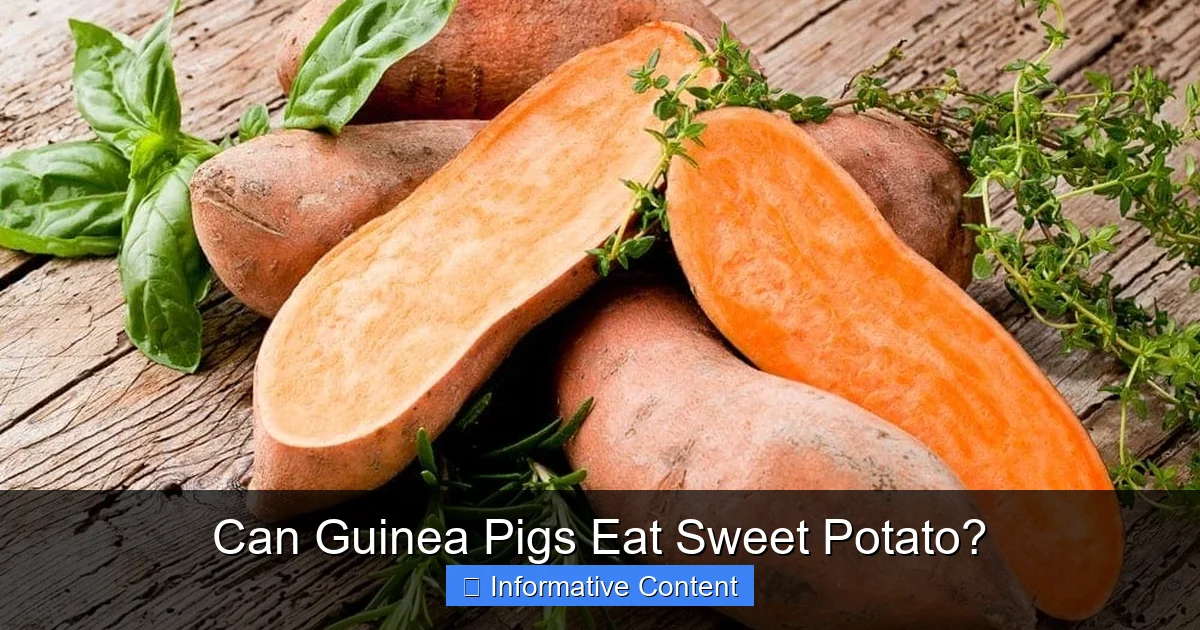
Yes, guinea pigs can eat sweet potato, but only in strict moderation and always raw. While sweet potatoes offer beneficial vitamins like C and A, their high sugar and calcium content necessitate careful portion control to prevent digestive upset or health issues. Always introduce new foods slowly and observe your guinea pig’s reaction.
Welcome, fellow guinea pig parents! If you’re like me, you’re always on the lookout for exciting new treats and healthy additions to your beloved piggy’s diet. It’s natural to want to spoil our little fluffballs with variety, and often, we find ourselves eyeing the fresh produce in our own kitchens, wondering what’s safe for their tiny tummies. One common question that pops up in many guinea pig communities is, “Can guinea pigs eat sweet potato?”
The world of guinea pig nutrition can sometimes feel like navigating a maze. With so many fruits and vegetables available, it’s crucial to know which ones are beneficial, which are harmful, and how to serve them properly. Sweet potatoes, with their vibrant color and reputation as a healthy human food, seem like a strong contender. But what’s true for us isn’t always true for our small, sensitive cavies. Let’s dig deep into the sweet potato debate and uncover the facts to ensure your guinea pig stays happy and healthy.
Contents
- The Great Sweet Potato Debate: Can Piggies Partake?
- Nutritional Powerhouse? What Sweet Potatoes Offer Your Guinea Pig
- The Dark Side of Sweet Potatoes: Potential Risks for Guinea Pigs
- Serving Sweet Potato Safely: Best Practices for Your Cavy
- Alternative Veggies: A Rainbow of Safe Choices for Your Guinea Pig
- Listening to Your Piggy: Observing for Reactions
- Conclusion: Sweet Potato as an Occasional, Thoughtful Treat
- Key Takeaways
- Quick Answers to Common Questions
- Frequently Asked Questions
- Are there any specific health benefits of sweet potato for guinea pigs?
- What are the main risks of feeding too much sweet potato to guinea pigs?
- How should I prepare sweet potato for my guinea pig?
- My guinea pig loves sweet potato. Can I give it more often?
- What should I do if my guinea pig eats too much sweet potato by accident?
- Are there better, safer alternatives to sweet potato for guinea pigs?
The Great Sweet Potato Debate: Can Piggies Partake?
The short answer to “Can guinea pigs eat sweet potato?” is yes, they can, but with significant caveats. Sweet potatoes are not toxic to guinea pigs, which is a relief! However, just because a food isn’t poisonous doesn’t mean it’s suitable for regular consumption. For our furry friends, sweet potato falls into the “occasional treat” category, much like a delicious dessert for us – enjoyed sparingly.
Understanding why it’s an occasional treat boils down to its nutritional profile. While sweet potatoes boast some fantastic vitamins, they also come with a high sugar content and a moderate level of calcium, both of which can be problematic for guinea pigs if overfed. Our goal as piggy parents is to provide a balanced diet rich in hay, fortified pellets, and a variety of safe, fresh vegetables daily. Sweet potato needs to fit into this diet thoughtfully and cautiously.
Nutritional Powerhouse? What Sweet Potatoes Offer Your Guinea Pig
Despite the need for moderation, sweet potatoes do bring some valuable nutrients to the table that can benefit your guinea pig when offered correctly. These root vegetables are packed with good stuff, but it’s the balance that matters.
Vitamin C: The Essential Nutrient
Guinea pigs, unlike many other mammals, cannot produce their own Vitamin C. This makes dietary Vitamin C absolutely crucial for their health, preventing conditions like scurvy. Sweet potatoes are a decent source of Vitamin C. A 100-gram serving (which is far too much for a guinea pig) contains approximately 2.4 mg of Vitamin C. While not as high as bell peppers or leafy greens, it still contributes to their daily needs.
Vitamin A: For Vision and Immunity
Sweet potatoes are famous for their vibrant orange color, which comes from beta-carotene. Beta-carotene is a precursor to Vitamin A, an essential nutrient for good vision, immune function, and healthy skin and coat. Providing a little Vitamin A can support these vital bodily functions.
Fiber: Aiding Digestion
Like many vegetables, sweet potatoes contain dietary fiber. Fiber is incredibly important for a guinea pig’s digestive system, helping to keep things moving smoothly and preventing issues like stasis. However, too much of any new food, even fibrous ones, can cause digestive upset, especially in sensitive individuals.
Other Micronutrients
Beyond the big hitters, sweet potatoes also offer small amounts of other beneficial vitamins and minerals, including potassium, manganese, and some B vitamins. These micronutrients play various roles in overall health, from nerve function to energy metabolism. So, in small doses, sweet potato can contribute a little nutritional diversity.
The Dark Side of Sweet Potatoes: Potential Risks for Guinea Pigs
While sweet potatoes offer some nutritional perks, it’s equally important to be aware of the potential downsides that necessitate strict portion control. Ignoring these risks could lead to health problems for your furry friend.
High Sugar Content: A Sweet Problem
This is perhaps the biggest concern when it comes to feeding sweet potatoes to guinea pigs. Sweet potatoes, despite their “healthy” reputation, are quite high in natural sugars. Guinea pigs have sensitive digestive systems that are not designed to process large amounts of sugar.
Too much sugar can lead to:
- Digestive Upset: Diarrhea, bloating, and gas are common symptoms of an upset stomach in guinea pigs, often triggered by sugary foods.
- Obesity: Regular consumption of high-sugar foods can quickly lead to weight gain, which puts a strain on their tiny bodies and can lead to other health issues.
- Dental Problems: While not as direct as sticky sugary candies, a diet consistently high in sugar can contribute to overall poor dental health in the long run.
Calcium Content: A Double-Edged Sword
Calcium is an essential mineral for strong bones and teeth. However, guinea pigs are prone to developing bladder stones and sludgy urine if they consume too much calcium, especially if they are not adequately hydrated. Sweet potatoes contain a moderate amount of calcium. While not as high as some leafy greens like kale or spinach, it’s still enough to warrant caution when combined with other calcium-rich foods in their diet. It’s about overall balance.
Oxalates: A Less Common Concern (But Still Present)
Sweet potatoes contain oxalates, though typically in lower amounts compared to foods like spinach or rhubarb. Oxalates can bind with calcium to form calcium oxalate crystals, which can contribute to bladder stones. While sweet potatoes aren’t usually a primary concern for oxalate content, it’s another reason why moderation is key, especially if your guinea pig is prone to stone formation.
Digestive Sensitivity
Any new food, even a safe one, can potentially cause digestive upset in a guinea pig. Their delicate gut flora can be easily disrupted. Introducing sweet potato too quickly or in too large a quantity can lead to discomfort, changes in stool consistency, or even refusal to eat, which is always a serious sign in guinea pigs.
Serving Sweet Potato Safely: Best Practices for Your Cavy
So, you’ve decided to let your guinea pig try a little sweet potato. Excellent! But how do you ensure it’s done safely and responsibly? There are specific steps you need to follow to minimize risks and maximize enjoyment.
Preparation is Paramount: Raw and Peeled
The absolute golden rule for serving sweet potato to guinea pigs is to *always serve it raw*. Cooked sweet potato, whether boiled, baked, or roasted, is a no-go. Cooking alters the texture and nutrient profile, making it much harder for their digestive systems to process and potentially causing severe gastrointestinal upset.
Here’s the breakdown for safe preparation:
- Wash Thoroughly: Always start by washing the sweet potato under cold running water to remove any dirt or pesticide residues.
- Peel the Skin: The skin of a sweet potato is tough and can be difficult for a guinea pig to digest. It also might contain more oxalates than the flesh. Always peel the sweet potato completely before offering it.
- Remove Any Sprouts or Green Parts: Just like regular potatoes, sweet potatoes can develop sprouts or green areas, especially if left in light. These parts can contain solanine, a toxic compound. Always cut these away and discard them.
- No Leaves or Stems: While some potato leaves are edible for humans, sweet potato leaves and vines are generally considered unsafe for guinea pigs. Stick to the root vegetable’s peeled flesh.
Portion Size and Frequency: Less is More
When it comes to sweet potato, a tiny amount goes a long way. Think of it as a small, occasional treat.
- Portion Size: A piece no larger than a 1-inch cube is typically sufficient for one guinea pig. This might seem small, but remember their tiny size and sensitive digestive systems.
- Frequency: Sweet potato should be offered no more than once or twice a week, and even then, only as a small part of their overall treat allowance. It should never replace their staple hay or daily fresh vegetables.
Think of it this way: if you’re already feeding other sugary treats or calcium-rich greens on the same day, you might want to skip the sweet potato to avoid an overload.
Introduction Protocol: Slow and Steady
Whenever you introduce a new food to your guinea pig, do so slowly and carefully.
- Start with a Tiny Nibble: Offer a minuscule piece, smaller than your recommended 1-inch cube, as a first test.
- Monitor for Reactions: Over the next 24-48 hours, carefully observe your guinea pig for any signs of digestive upset, such as soft stools, diarrhea, bloating, lethargy, or loss of appetite.
- Gradual Increase (If Safe): If there are no adverse reactions, you can gradually increase the portion to the recommended 1-inch cube over a few sessions. If you see any negative signs, stop feeding sweet potato immediately.
Alternative Veggies: A Rainbow of Safe Choices for Your Guinea Pig
While sweet potato can be a fun occasional treat, it’s essential to remember that variety is the spice of life for guinea pigs, too! There are so many other safe and highly beneficial vegetables that can be offered more regularly. These alternatives help ensure a balanced diet without the higher sugar and calcium concerns of sweet potato.
Leafy Greens for Daily Nutrition
These should form a significant part of your guinea pig’s daily fresh vegetable intake.
- Romaine Lettuce: Excellent source of hydration and fiber.
- Green Leaf Lettuce: Similar to romaine, very safe.
- Red Leaf Lettuce: Good alternative.
- Cilantro: Many guinea pigs absolutely adore cilantro, and it’s a good source of Vitamin C.
- Parsley: Another popular herb, rich in Vitamin C, but slightly higher in calcium, so moderate.
- Dill: A gentle and fragrant herb, often enjoyed.
Avoid iceberg lettuce as it has very little nutritional value and can cause diarrhea.
Colorful Veggies for Variety and Vitamins
These can be offered daily or several times a week, depending on their nutritional profile.
- Bell Peppers (especially green, yellow, and red): A fantastic source of Vitamin C and usually a huge hit with cavies. Green bell peppers are slightly lower in sugar and calcium.
- Cucumber: High in water, great for hydration, but low in nutrients, so best offered alongside more nutrient-dense options.
- Carrots: Another root vegetable, like sweet potato, carrots are also high in sugar. Offer them in moderation, similar to sweet potato (small piece, a few times a week).
- Zucchini: A good source of hydration and generally well-tolerated.
- Broccoli Stems (not florets): The stems are often enjoyed and provide fiber. The florets can cause gas in some guinea pigs.
By providing a wide array of safe vegetables, you ensure your guinea pig receives a broad spectrum of nutrients, keeping them healthy and happy.
Listening to Your Piggy: Observing for Reactions
Your guinea pig is a unique individual, and what works for one might not work for another. This is why keen observation is one of the most important tools in a guinea pig parent’s arsenal. When you introduce any new food, especially something like sweet potato, pay close attention to your piggy’s behavior and health.
Signs of Digestive Distress
Keep an eye out for any of these symptoms after introducing sweet potato or any new food:
- Loose or Diarrhea Stools: This is a clear sign that something isn’t agreeing with their digestive system.
- Bloating: Your guinea pig’s abdomen might appear distended or feel hard to the touch.
- Lethargy: A sudden decrease in activity or energy levels.
- Loss of Appetite: Refusing to eat hay, pellets, or even their favorite treats is a serious red flag.
- Changes in Urination: If you notice cloudy urine, or your guinea pig is straining to urinate, it could indicate calcium issues.
- Pain or Discomfort: Teeth grinding, hunching, or crying out can signal pain.
If you observe any of these symptoms, discontinue the new food immediately and contact your veterinarian, especially if symptoms persist or worsen. Prompt veterinary attention is crucial for guinea pigs, as their health can decline rapidly.
Positive Reactions
On the flip side, you’ll also want to notice positive reactions! If your guinea pig enthusiastically munches on the sweet potato and shows no adverse effects, then you’ve found another safe occasional treat to add to their approved list. Every guinea pig has their preferences, and finding out what they enjoy (within safe parameters) is part of the fun of pet ownership.
Conclusion: Sweet Potato as an Occasional, Thoughtful Treat
In summary, the answer to “Can guinea pigs eat sweet potato?” is a cautious yes. It’s a treat, not a staple, and definitely not an everyday food. When offered correctly—raw, peeled, in a tiny portion (a 1-inch cube), and only once or twice a week—it can provide a small boost of Vitamin C and A, along with a delicious experience for your furry friend.
Always prioritize a diet rich in high-quality hay, fortified guinea pig pellets, and a daily selection of safe, low-sugar, and balanced fresh vegetables. Introduce any new food slowly, monitor your guinea pig for adverse reactions, and when in doubt, consult with a veterinarian experienced in exotic pets. By following these guidelines, you can ensure your guinea pig enjoys a varied, nutritious, and safe diet, keeping them popcorning with joy for years to come. Happy feeding!
Key Takeaways
- Moderation is Key: Sweet potato should be an occasional treat, not a staple, due to its high sugar and calcium content.
- Serve Raw Only: Cooked sweet potato is difficult for guinea pigs to digest and can cause digestive issues. Always offer it raw.
- No Skin, Leaves, or Stems: Only the peeled flesh of the sweet potato is safe for guinea pigs. The skin can be tough to digest, and the leaves/stems may be toxic.
- Rich in Vitamin C and A: Sweet potatoes are a good source of these essential vitamins, which support immunity and vision in guinea pigs.
- High Sugar Content: The natural sugars in sweet potato can lead to obesity and digestive upset if fed too frequently or in large amounts.
- Calcium Concerns: While calcium is essential, too much can contribute to bladder stones in susceptible guinea pigs. Monitor overall calcium intake.
- Small Portion Size: A piece no larger than a 1-inch cube, once or twice a week at most, is an appropriate serving size.
Quick Answers to Common Questions
Can guinea pigs eat sweet potato skin?
No, guinea pigs should not eat sweet potato skin. It can be tough to digest and may contain compounds that are not ideal for their sensitive systems. Always peel the sweet potato before offering it.
Is cooked sweet potato safe for guinea pigs?
Absolutely not. Guinea pigs should never eat cooked sweet potato. Cooking alters the texture and can make it very difficult for their digestive systems to process, leading to severe gastrointestinal upset.
How much sweet potato can a guinea pig eat?
A very small amount, typically a piece no larger than a 1-inch cube, is the recommended portion size for a guinea pig. This should only be offered as an occasional treat.
How often can I give my guinea pig sweet potato?
Due to its high sugar and moderate calcium content, sweet potato should only be offered once or twice a week at most, and always in a very small portion.
Can guinea pigs eat sweet potato leaves or vines?
No, it’s generally recommended to avoid feeding guinea pigs sweet potato leaves or vines. Stick strictly to the peeled, raw flesh of the sweet potato root to ensure safety.
Frequently Asked Questions
Are there any specific health benefits of sweet potato for guinea pigs?
Yes, sweet potatoes offer some benefits due to their Vitamin C and Vitamin A content. Vitamin C is crucial for guinea pigs as they cannot produce it themselves, helping to prevent scurvy, while Vitamin A supports vision and immune health. However, these benefits must be weighed against the risks of high sugar and calcium.
What are the main risks of feeding too much sweet potato to guinea pigs?
The primary risks include digestive upset like diarrhea or bloating due to high sugar content, and potential for bladder stones or urinary sludge from excessive calcium intake. Overfeeding can also contribute to obesity over time, stressing their small bodies.
How should I prepare sweet potato for my guinea pig?
Always wash the sweet potato thoroughly, then peel off all the skin. Cut a small piece (about a 1-inch cube) from the raw flesh and offer it. Ensure there are no green spots or sprouts, as these can be toxic.
My guinea pig loves sweet potato. Can I give it more often?
Even if your guinea pig loves sweet potato, it’s crucial to stick to the recommended frequency of once or twice a week at most. Their enthusiasm doesn’t negate the potential health risks associated with too much sugar and calcium for their sensitive digestive and urinary systems.
What should I do if my guinea pig eats too much sweet potato by accident?
If your guinea pig accidentally consumes a large amount, monitor them closely for signs of digestive upset such as lethargy, bloating, diarrhea, or refusal to eat. Offer plenty of hay and fresh water. If symptoms appear or persist, contact your veterinarian immediately, as rapid intervention can be crucial for guinea pig health issues.
Are there better, safer alternatives to sweet potato for guinea pigs?
Absolutely! Bell peppers (especially green), romaine lettuce, cilantro, and cucumber are generally safer and can be offered more frequently due to their lower sugar and calcium content, and high Vitamin C levels. A variety of safe leafy greens and other veggies should form the bulk of their fresh food intake.