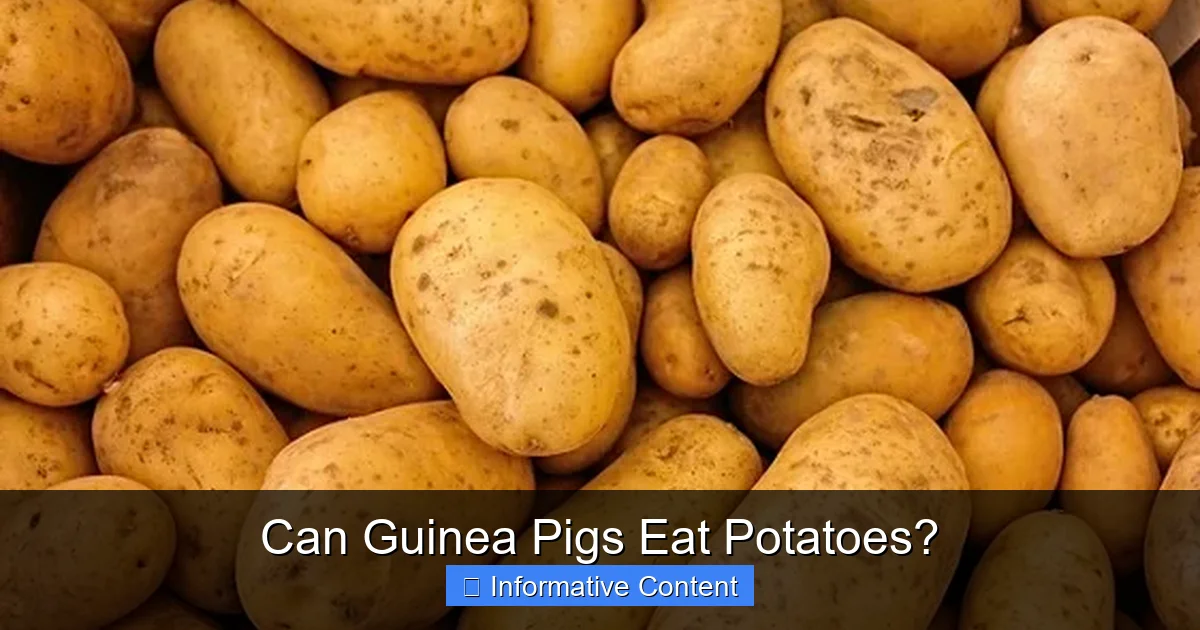
Guinea pigs should absolutely NOT eat raw potatoes, potato skins, sprouts, or leaves. These parts contain toxic compounds like solanine, which can cause severe health issues, even death, in small animals. While cooking reduces some toxicity, potatoes still offer no nutritional benefits suitable for guinea pigs and are high in starches and carbohydrates, leading to digestive upset and other health problems.
Oh, the beloved potato! It’s a staple in so many human diets, appearing in countless forms from fluffy mashed potatoes to crispy fries. It’s a versatile and comforting food for us, but when it comes to our furry little friends, the guinea pigs, the question often arises: “Can guinea pigs eat potatoes?” It’s a very common query among pet parents, and it’s a vital one to answer correctly for the health and safety of your cherished cavy.
As responsible guinea pig owners, we all want to provide the best possible diet for our pets. This often means carefully researching every new food we consider offering. With their adorable squeaks and eager appetites, it’s tempting to share a bit of whatever we’re eating. However, what’s good for us isn’t always good for them, and in the case of potatoes, the answer is a resounding “no” with very serious reasons behind it. Let’s dive deep into why potatoes, in any form, are a dangerous choice for your guinea pig.
Contents
- The Short Answer: Can Guinea Pigs Eat Potatoes? (And Why Not!)
- Raw Potatoes vs. Cooked Potatoes: Is There a Difference?
- All Parts of the Potato Are Problematic
- Symptoms of Potato Poisoning in Guinea Pigs
- What Guinea Pigs *Can* Safely Eat: A Healthy Diet Overview
- Conclusion
- Key Takeaways
- Quick Answers to Common Questions
- Frequently Asked Questions
The Short Answer: Can Guinea Pigs Eat Potatoes? (And Why Not!)
Let’s get straight to the point: **no, guinea pigs cannot eat potatoes, and they absolutely should not.** This applies to all parts of the potato – the raw flesh, the skin, sprouts, and especially the leaves and stems of the potato plant. The main reason behind this strict prohibition is the presence of toxic compounds called glycoalkaloids, with solanine being the most prominent and dangerous.
The Hidden Danger: Solanine
Solanine is a natural pesticide produced by plants in the nightshade family (Solanaceae), which includes potatoes, tomatoes, and eggplants. This compound acts as a defense mechanism for the plant, protecting it from insects and diseases. For guinea pigs, which are small, sensitive herbivores, even a small amount of solanine can be incredibly toxic. It can disrupt their nervous system and digestive system, leading to severe health complications, and in worst-case scenarios, even be fatal.
The concentration of solanine is highest in specific parts of the potato:
- Green areas of the potato (which indicate chlorophyll production, often triggered by light exposure).
- The skin, especially if it’s green.
- Potato sprouts or “eyes.”
- The leaves, stems, and flowers of the potato plant itself.
Even seemingly “normal” parts of the potato contain some solanine, though in smaller quantities. For a creature as small and delicate as a guinea pig, those smaller quantities can still be enough to cause significant harm. This is why when you ask, “Can guinea pigs eat potatoes?” the answer must always be a firm no.
Understanding Solanine Poisoning
When a guinea pig ingests solanine, it can interfere with their normal bodily functions. Symptoms can range from mild digestive upset to severe neurological issues. Because guinea pigs cannot vomit, any toxins they ingest stay in their system, making potato poisoning particularly dangerous. This is a critical point to remember when considering if guinea pigs can eat potatoes.
Raw Potatoes vs. Cooked Potatoes: Is There a Difference?
Often, pet owners wonder if cooking changes the equation. “What about cooked potatoes?” they might ask. It’s a valid question, as cooking can sometimes reduce the toxicity of certain foods. However, even cooked potatoes are not a safe or healthy option for your guinea pig.
Why Raw Potatoes are a Strict No-Go
Raw potatoes are the most dangerous form for guinea pigs due to the higher concentration of solanine. Eating raw potato can quickly lead to acute poisoning. Imagine giving your tiny pet something akin to poison; that’s essentially what feeding them raw potato could be. The risk is simply too high, and there’s no benefit to justify it. When you think “Can guinea pigs eat potatoes?”, specifically raw ones, think “absolutely not.”
What About Cooked Potatoes? Still Not Ideal
While cooking *does* break down some of the solanine, reducing its immediate toxic punch, it doesn’t eliminate it entirely. More importantly, cooking potatoes doesn’t make them suitable for a guinea pig’s diet for several other reasons:
- Lack of Beneficial Nutrients: Cooked potatoes offer very little in terms of the essential vitamins and minerals that guinea pigs need. They are not a good source of Vitamin C, which is crucial for guinea pigs as they cannot produce their own.
- High in Starch and Carbohydrates: This is a major issue. Guinea pigs have a very specialized digestive system designed to process high-fiber, low-sugar, low-starch foods. Potatoes, even cooked, are packed with starch.
So, even if the direct toxicity is somewhat lessened, the overall nutritional profile and high starch content mean that cooked potatoes are still a poor and potentially harmful choice. The question “Can guinea pigs eat potatoes, cooked or raw?” still results in a negative.
The Problem with Starch and Carbs for Guinea Pigs
Guinea pigs are hindgut fermenters, much like horses and rabbits. Their digestive system relies on a delicate balance of gut bacteria to break down fiber. A sudden influx of starch or simple carbohydrates can upset this balance, leading to:
- Gas and Bloating: Starchy foods ferment rapidly in the gut, producing excessive gas which can be incredibly painful for a guinea pig and even lead to a life-threatening condition called gastrointestinal stasis.
- Diarrhea: Digestive upset often manifests as loose stools or diarrhea, leading to dehydration and further health complications.
- Obesity and Diabetes Risk: Regular feeding of high-calorie, starchy foods like potatoes can contribute to weight gain, obesity, and potentially even diabetes over time, none of which are healthy for your pet.
This reinforces why it’s so important to be careful about what you feed your guinea pig and why potatoes are off the menu.
All Parts of the Potato Are Problematic
It’s not just the potato tuber itself that poses a risk. Every part of the potato plant needs to be considered a no-go zone for your guinea pig. This comprehensive understanding is key when you ask, “Can guinea pigs eat potatoes?”
Potato Skins: A Concentrated Risk
The skin of a potato can have an even higher concentration of solanine than the flesh, especially if it has a greenish tint. Guinea pigs might be attracted to the texture or smell, but ingesting potato skin can be particularly dangerous. Always assume the skin is toxic.
Potato Sprouts and Green Bits: Highly Toxic
Those little “eyes” or sprouts that form on old potatoes are especially high in solanine. Any green discoloration on a potato also indicates a higher concentration of this toxin. These parts are exceptionally dangerous and should never be offered to any pet, let alone a sensitive guinea pig.
Potato Leaves and Stems: Definitely Avoid
If you grow your own potatoes or have potato plants nearby, ensure your guinea pigs have no access to them. The leaves and stems of the potato plant contain the highest levels of solanine and other toxic glycoalkaloids. Ingesting these parts could lead to very rapid and severe poisoning.
Other Potato Products: Chips, Fries, Mashed Potatoes
It might seem obvious, but it’s worth stating: processed potato products are also a strict no-no. Potato chips are high in fat, salt, and sometimes artificial flavors. French fries are greasy and similarly unhealthy. Mashed potatoes, even plain ones, are starchy, often contain dairy (which guinea pigs are lactose intolerant to), and are prepared with butter or salt. None of these are appropriate for your guinea pig’s delicate digestive system or overall health. This further solidifies the answer to “Can guinea pigs eat potatoes?” in any form – it’s a definite negative.
Symptoms of Potato Poisoning in Guinea Pigs
Knowing the signs of potato poisoning is crucial for quick action. If you suspect your guinea pig has eaten any part of a potato, monitor them closely for these symptoms and be prepared to act swiftly.
What to Look Out For
Symptoms of solanine poisoning in guinea pigs can vary depending on the amount ingested and the individual guinea pig’s sensitivity, but they often include:
- Gastrointestinal Distress: Diarrhea (often severe), vomiting (though guinea pigs rarely vomit, if they do, it’s a very serious sign), abdominal pain, bloating, and loss of appetite.
- Lethargy and Weakness: Your guinea pig may become unusually quiet, listless, or unresponsive. They might move slowly or appear generally unwell.
- Neurological Symptoms: Tremors, twitching, difficulty coordinating movements, unsteady gait, or even seizures in severe cases.
- Difficulty Breathing: Rapid, shallow, or labored breathing can be a sign of systemic toxicity.
- Increased Salivation: Drooling more than usual.
- Pupil Dilation: Your guinea pig’s pupils might appear larger than normal.
These symptoms can appear anywhere from a few hours to a day after ingestion.
Immediate Action is Crucial
If you observe any of these symptoms or strongly suspect your guinea pig has eaten a potato, do not wait. **Contact your veterinarian or an emergency animal clinic immediately.** Time is of the essence in treating poisoning. Try to provide your vet with as much information as possible: what part of the potato was eaten, how much, and when. Do not try to induce vomiting or give any home remedies unless specifically instructed by a veterinarian. They may need to administer activated charcoal to absorb toxins or provide supportive care.
What Guinea Pigs *Can* Safely Eat: A Healthy Diet Overview
Now that we’ve firmly established that guinea pigs cannot eat potatoes, let’s focus on what they *can* eat to thrive. A well-balanced diet is the cornerstone of a healthy guinea pig.
The Foundation: Hay and Water
The vast majority of a guinea pig’s diet (about 80%) should consist of unlimited, high-quality timothy hay (or orchard grass for younger guinea pigs). Hay provides essential fiber for their digestive health and helps wear down their continuously growing teeth. Fresh, clean water should always be available, preferably in a sipper bottle, changed daily.
Essential Vitamin C and Fresh Veggies
Guinea pigs, like humans, cannot synthesize their own Vitamin C, making it an essential part of their diet to prevent scurvy. Offering a variety of fresh, safe vegetables daily is crucial. Aim for about one cup of fresh vegetables per day, spread between two meals. Excellent sources of Vitamin C and overall good nutrition include:
- Bell Peppers: Especially red, yellow, and orange ones (high in Vitamin C, low in calcium).
- Leafy Greens: Romaine lettuce, red leaf lettuce, green leaf lettuce, dandelion greens (in moderation). Avoid iceberg lettuce as it has little nutritional value and can cause diarrhea.
- Parsley and Cilantro: Good for variety, but high in calcium so offer sparingly.
- Cucumber: Hydrating and low in calories, good for hot weather.
- Carrots: A sweet treat in small amounts, high in sugar.
- Small amounts of other fruits: Such as apple (seeds removed), berries (strawberries, blueberries), given very sparingly as treats due to sugar content.
Always wash vegetables thoroughly before feeding them to your guinea pig. Introduce new foods slowly to avoid upsetting their stomach.
Pellets: A Supplemental Source
High-quality, plain guinea pig pellets (timothy-based) can supplement their diet. Choose pellets without seeds, dried fruit, or colorful pieces, as these are often high in sugar and unhealthy fats. Adult guinea pigs only need about 1/8 to 1/4 cup of pellets per day. Young, pregnant, or nursing guinea pigs may need more.
Treats in Moderation
While commercial guinea pig treats exist, many are high in sugar or unhealthy ingredients. Stick to small pieces of fresh fruits or safe vegetables as treats. Remember, moderation is key for any treat.
Conclusion
The question “Can guinea pigs eat potatoes?” has a clear and unequivocal answer: no. Raw potatoes are toxic due to solanine, and even cooked potatoes offer no nutritional benefits while posing risks due to their high starch content. Protecting your guinea pig means understanding their unique dietary needs and strictly avoiding foods that could cause them harm.
By sticking to a diet rich in fresh timothy hay, clean water, and a variety of approved fresh vegetables, you can ensure your guinea pig lives a long, healthy, and happy life. Always prioritize their well-being by providing safe and appropriate foods, and never be tempted to offer them human foods like potatoes, no matter how much they beg with their adorable little faces. When in doubt about feeding your guinea pig a new food, always err on the side of caution and consult your veterinarian. Your guinea pig’s health is in your hands!
Key Takeaways
- Raw Potatoes are Highly Toxic: All parts of a raw potato, including the skin, contain solanine, a glycoalkaloid that is poisonous to guinea pigs and can cause severe illness or death.
- Avoid All Potato Parts: This includes raw potato flesh, skins, sprouts, eyes, and especially the leaves and stems of the potato plant, which have even higher concentrations of solanine.
- Cooked Potatoes are Not Recommended: While cooking reduces solanine levels, potatoes remain poor in beneficial nutrients for guinea pigs and are high in starch and carbohydrates, which can lead to digestive upset, gas, bloating, and obesity.
- Symptoms of Poisoning: If your guinea pig has ingested any part of a potato, watch for symptoms like diarrhea, vomiting, lethargy, loss of appetite, difficulty breathing, or neurological signs, and seek immediate veterinary attention.
- Understanding Guinea Pig Diet: Guinea pigs are strict herbivores with sensitive digestive systems. Their diet should primarily consist of high-quality hay, fresh water, and a variety of safe, vitamin C-rich vegetables like bell peppers and leafy greens.
- No Nutritional Value for Guinea Pigs: Potatoes do not offer any essential vitamins or minerals that guinea pigs need, and their high starch content outweighs any potential, albeit minimal, benefit.
Quick Answers to Common Questions
Is any part of a potato safe for guinea pigs?
No, absolutely no part of a potato – including the raw flesh, skin, sprouts, or leaves – is safe for guinea pigs. They all contain toxic compounds that are harmful.
What is solanine, and why is it dangerous?
Solanine is a toxic glycoalkaloid found in plants of the nightshade family, including potatoes. It can disrupt a guinea pig’s nervous and digestive systems, leading to severe illness or even death.
Can guinea pigs eat cooked potatoes?
While cooking reduces some solanine, cooked potatoes are still not recommended. They are high in starch and carbohydrates, which are detrimental to a guinea pig’s sensitive digestive system and can lead to gas, bloating, and other health issues.
What are common signs of potato poisoning in guinea pigs?
Common signs include diarrhea, vomiting (rare in guinea pigs, but serious if observed), lethargy, loss of appetite, abdominal pain, difficulty breathing, and neurological symptoms like tremors or an unsteady gait.
What should I do if my guinea pig eats a potato?
If your guinea pig eats a potato, contact your veterinarian or an emergency animal clinic immediately. Do not wait for symptoms to appear, as prompt treatment is crucial for their survival.
Frequently Asked Questions
Are potato leaves or stems more toxic than the potato itself?
Yes, the leaves, stems, and flowers of the potato plant generally contain significantly higher concentrations of solanine and other toxic glycoalkaloids than the potato tuber itself. Ingesting these parts can lead to more rapid and severe poisoning.
What kind of vegetables *are* safe for guinea pigs?
Guinea pigs thrive on a variety of fresh, safe vegetables. Excellent choices include bell peppers (especially red, yellow, orange), romaine, red leaf, or green leaf lettuce, small amounts of cilantro and parsley, and cucumber. These provide essential Vitamin C and other nutrients.
My guinea pig ate a tiny bit of potato, should I worry?
Even a tiny bit can be problematic for a small animal like a guinea pig. It’s always best to be cautious. Monitor your guinea pig closely for any signs of illness (lethargy, diarrhea, loss of appetite) and contact your vet for advice, explaining the situation and the amount ingested.
Can guinea pigs eat sweet potatoes?
While not as directly toxic as regular potatoes, sweet potatoes are also not recommended for guinea pigs. They are very high in sugar and starch, which can cause significant digestive upset, gas, and imbalances in a guinea pig’s delicate gut flora.
Why is starch bad for guinea pigs?
Guinea pigs have digestive systems optimized for high-fiber, low-starch diets. Starchy foods ferment quickly in their hindgut, producing excess gas that can cause painful bloating, gastrointestinal stasis, and upset the balance of beneficial gut bacteria, leading to diarrhea and other serious health problems.
How often should I introduce new foods to my guinea pig?
Introduce new foods slowly and one at a time. This allows you to monitor your guinea pig for any adverse reactions, such as changes in stool consistency or behavior. If a food causes upset, you’ll know exactly which one it was. A small piece every few days is a good approach for new items.