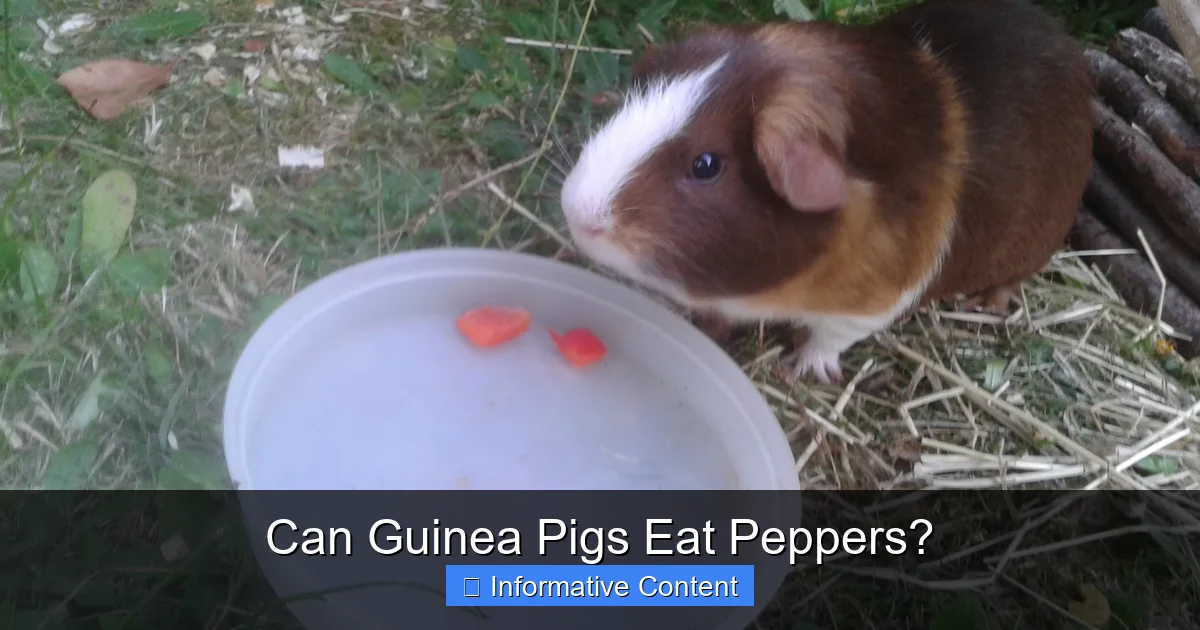
Yes, guinea pigs can eat certain types of peppers, particularly bell peppers, but always in moderation. Peppers are an excellent source of Vitamin C, vital for guinea pig health, but spicy varieties are strictly off-limits. Always prioritize proper preparation and introduce new foods slowly to avoid digestive upset.
Bringing a guinea pig into your home is an incredibly rewarding experience. These adorable, chatty little creatures quickly become beloved family members, and one of the joys of guinea pig ownership is providing them with a varied and nutritious diet. Beyond their essential hay and pellets, fresh fruits and vegetables are vital for their well-being. This often leads caring owners to wonder: “Can guinea pigs eat peppers?”
It’s a great question, and the answer, thankfully, is generally yes! However, it’s not a simple yes for all peppers. Just like with many human foods, some types of peppers are perfectly safe and even beneficial for your cavy, while others can be harmful or even toxic. Understanding the nuances of which peppers are suitable, how to prepare them, and how much to offer is crucial for keeping your little friend happy and healthy. Let’s dive into the colorful world of peppers and discover how they fit into a guinea pig’s diet.
Contents
- Key Takeaways
- Quick Answers to Common Questions
- 📑 Table of Contents
- The Nutritional Powerhouse: Why Peppers for Guinea Pigs?
- Which Peppers Are Safe for Guinea Pigs?
- The No-Go Zone: Peppers to Absolutely Avoid
- How to Safely Prepare and Serve Peppers to Your Guinea Pig
- Potential Risks and What to Watch For
- Conclusion
- Frequently Asked Questions
- What is the most important nutrient guinea pigs get from peppers?
- How much bell pepper should I give my guinea pig at one time?
- Can guinea pigs eat mini bell peppers?
- What are the signs of a guinea pig reacting negatively to peppers?
- Are organic bell peppers better for guinea pigs?
- Should I cook the peppers before giving them to my guinea pig?
Key Takeaways
- Bell Peppers are Best: Sweet bell peppers (any color) are the safest and most beneficial type of pepper for guinea pigs due to their high Vitamin C content and low sugar.
- Vitamin C is Crucial: Guinea pigs cannot produce their own Vitamin C, making external sources like peppers essential to prevent scurvy and support their immune system.
- Avoid Spicy Peppers: Hot peppers (like jalapeños, chili peppers, habaneros) contain capsaicin, which is toxic and harmful to guinea pigs, causing severe irritation and digestive issues.
- Preparation is Key: Always wash peppers thoroughly, remove all seeds, stems, and the core before offering them to your guinea pig to prevent choking hazards and ingestion of harmful compounds.
- Moderation is Essential: Peppers should be offered as a treat a few times a week, not daily, to ensure a balanced diet and prevent digestive upset or an overabundance of certain nutrients.
- Introduce Gradually: When feeding peppers for the first time, offer a very small piece and monitor your guinea pig for any signs of discomfort or adverse reactions.
- Observe for Reactions: Watch out for any changes in stool consistency, appetite, or behavior after introducing peppers. If issues arise, stop feeding peppers immediately and consult a vet.
Quick Answers to Common Questions
Can guinea pigs eat bell peppers daily?
No, bell peppers should not be given daily. They are best offered 2-3 times a week as part of a varied diet to prevent overconsumption of certain nutrients and maintain digestive health.
Are red, yellow, and green bell peppers equally safe for guinea pigs?
Yes, all colors of bell peppers are safe for guinea pigs. Red peppers tend to have the highest Vitamin C content and are sweetest, but all colors are nutritious and suitable.
What happens if a guinea pig eats a spicy pepper?
If a guinea pig eats a spicy pepper, it can cause severe pain and irritation to their mouth, throat, and digestive system, leading to discomfort, stomach upset, diarrhea, and potentially more serious health issues. Seek veterinary attention immediately if this occurs.
Do I need to remove the seeds from bell peppers before feeding them to my guinea pig?
Yes, it is crucial to remove all seeds from bell peppers. While not toxic, the seeds can be a choking hazard for guinea pigs and offer no nutritional benefit.
Can guinea pigs eat pepper leaves or stems?
No, guinea pigs should not eat pepper leaves or stems. These parts of the plant can contain compounds like solanine, which are toxic and harmful to guinea pigs.
📑 Table of Contents
The Nutritional Powerhouse: Why Peppers for Guinea Pigs?
Guinea pigs have unique dietary needs, especially concerning Vitamin C. Unlike most other animals, guinea pigs, much like humans, cannot synthesize their own Vitamin C. This means they must obtain this essential vitamin from their diet. Without sufficient Vitamin C, guinea pigs are susceptible to scurvy, a debilitating condition that can cause joint pain, lethargy, poor coat quality, loss of appetite, and ultimately, be fatal. This is where certain peppers truly shine!
Vitamin C: A Lifesaver for Cavies
Bell peppers, in particular, are an absolute powerhouse of Vitamin C. A single serving of bell pepper can provide more than a guinea pig’s daily requirement. This makes them an excellent dietary supplement to ensure your furry friend is getting enough of this vital nutrient. Regular intake of Vitamin C not only prevents scurvy but also supports a strong immune system, helping your guinea pig fight off infections and stay robust. When considering if guinea pigs can eat peppers, their Vitamin C content is a huge positive.
Other Essential Vitamins and Minerals
Beyond Vitamin C, bell peppers offer a spectrum of other beneficial nutrients that contribute to a guinea pig’s overall health:
- Vitamin A: Important for vision, immune function, and skin health. While bell peppers contain Vitamin A, it’s not in excessive amounts that would cause concern.
- Vitamin B6: Plays a role in metabolism and neurological function.
- Folate: Essential for cell growth and development.
- Potassium: Important for nerve and muscle function and fluid balance.
- Antioxidants: These compounds help protect cells from damage caused by free radicals, potentially reducing the risk of chronic diseases.
These nutrients, combined with Vitamin C, make bell peppers a highly beneficial addition to a guinea pig’s varied diet.
Hydration and Fiber
Peppers are primarily composed of water, making them a good source of hydration, especially during warmer months. The fiber content in peppers also aids in healthy digestion, promoting regular bowel movements and preventing gastrointestinal issues. A healthy digestive system is paramount for guinea pigs, whose delicate guts rely on a constant flow of high-fiber foods. So, can guinea pigs eat peppers and benefit from their water and fiber? Absolutely!
Which Peppers Are Safe for Guinea Pigs?
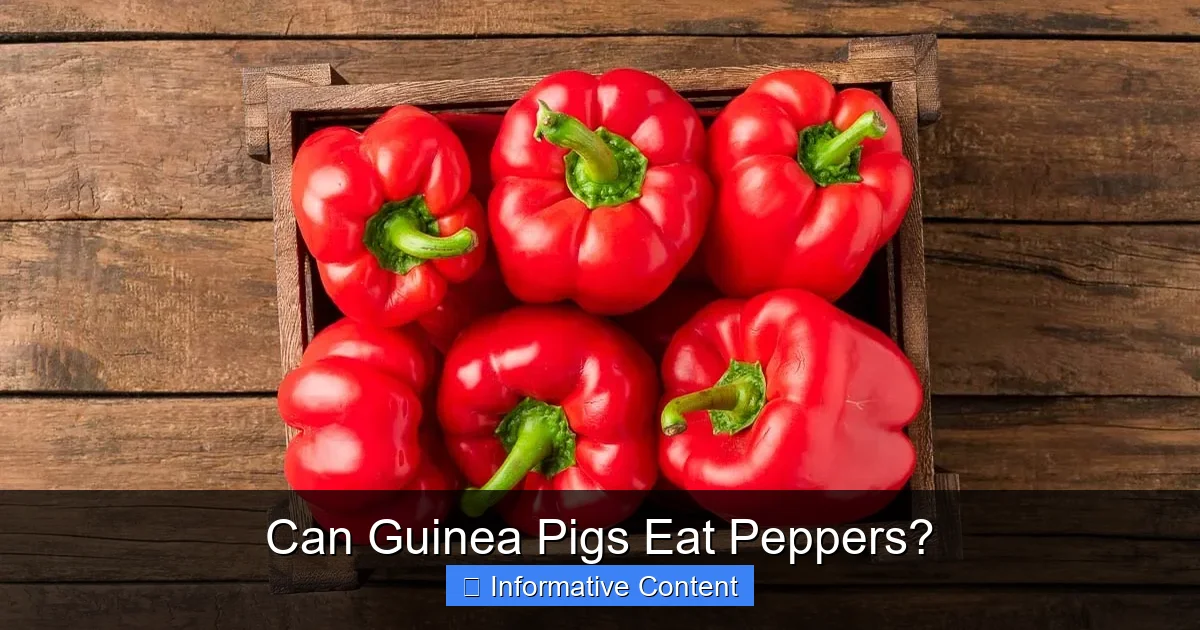
Visual guide about Can Guinea Pigs Eat Peppers?
Image source: vetexplainspets.com
When we talk about guinea pigs eating peppers, we are almost exclusively referring to one specific type: the humble bell pepper.
Bell Peppers: The Top Choice
Bell peppers (also known as sweet peppers or capsicums) are the gold standard when it comes to feeding peppers to guinea pigs. They are sweet, crunchy, and, most importantly, free from capsaicin – the compound responsible for the heat in spicy peppers.
Sweet vs. Spicy: A Clear Distinction
This distinction between sweet and spicy is the most critical factor. Bell peppers are “sweet” peppers, meaning they have zero heat. This makes them perfectly safe. All other peppers, from mild jalapeños to scorching habaneros, contain capsaicin and are therefore completely unsuitable for guinea pigs. Their digestive systems are not designed to handle the irritation and pain caused by capsaicin, which can lead to severe discomfort and health problems.
Colors Matter (A Little Bit)
Bell peppers come in a beautiful array of colors: green, red, yellow, and orange. All these colors are safe for guinea pigs, but there are slight nutritional differences:
- Green Bell Peppers: These are simply unripe bell peppers. They tend to have a slightly more bitter taste and a lower Vitamin C content compared to their ripened counterparts. They are still perfectly safe and healthy.
- Red Bell Peppers: These are fully ripened bell peppers. They have the highest Vitamin C content and are often sweeter than green peppers.
- Yellow and Orange Bell Peppers: These are also ripe peppers, falling somewhere between green and red in terms of sweetness and Vitamin C content.
Ultimately, any color of bell pepper is a fantastic choice for your guinea pig. Offering a variety of colors can also provide a broader spectrum of phytonutrients.
The No-Go Zone: Peppers to Absolutely Avoid
While bell peppers are a welcome treat, it’s vital to understand which peppers and parts of peppers are dangerous. Giving the wrong type could cause significant harm.
Spicy Peppers and Capsaicin
This cannot be stressed enough: **NEVER feed your guinea pig spicy peppers.** This includes:
- Jalapeños
- Serranos
- Cayenne peppers
- Habaneros
- Bell pepper varieties that are hybridized to be spicy
- Any chili pepper
The capsaicin in these peppers causes a burning sensation that is incredibly painful and irritating to a guinea pig’s mouth, throat, and digestive tract. It can lead to:
- Severe stomach upset
- Diarrhea
- Mouth sores
- Difficulty breathing
- And in severe cases, more serious internal damage.
If you are unsure whether a pepper is spicy, err on the side of caution and do not offer it. Stick to clearly identified bell peppers only. So, can guinea pigs eat peppers that are spicy? An emphatic no!
Unripe Peppers and Solanine
While green bell peppers are fine because they are a specific variety of sweet pepper, some other unripe nightshade vegetables can contain higher levels of solanine, a toxic glycoalkaloid. Bell peppers are generally low in solanine, but it’s always best to feed ripe vegetables to your guinea pig whenever possible, to minimize any potential risks. For this reason, always choose fresh, firm, ripe bell peppers.
Other Potentially Harmful Pepper Parts (Stems, Leaves, Seeds)
Beyond the type of pepper, you also need to be careful about which parts of the bell pepper you offer.
- Stems and Leaves: The stems and leaves of pepper plants belong to the nightshade family and can contain compounds like solanine, which are toxic to guinea pigs. Always remove these parts completely.
- Seeds: While bell pepper seeds are not inherently toxic, they can be a choking hazard for small guinea pigs. They also offer no nutritional value. It’s best practice to always remove all seeds before feeding.
- Core: The inner white membrane (core) of the bell pepper is generally safe but can sometimes be tougher and harder to digest for some guinea pigs. It’s usually best to remove it along with the seeds.
Focus on feeding only the crunchy, fleshy walls of the bell pepper.
How to Safely Prepare and Serve Peppers to Your Guinea Pig
Even with safe foods like bell peppers, proper preparation is paramount to ensure your guinea pig’s safety and enjoyment.
Washing is Crucial
Always wash any fresh produce thoroughly under cool running water before offering it to your guinea pig. This helps remove dirt, pesticides, herbicides, and any other residues that could be harmful if ingested. Organic bell peppers are ideal if available, but thoroughly washed conventional peppers are generally fine.
Removing Seeds and Core
As mentioned, bell pepper seeds can pose a choking hazard and the core can be tough. After washing, slice the pepper in half, scoop out all the seeds and the white membrane/core. You should be left with just the colorful, fleshy walls of the pepper.
The Right Portion Size
Moderation is key when introducing any new food or even regular treats. For bell peppers, a good starting portion is a small, roughly 1-inch square piece. You can gradually increase this if your guinea pig tolerates it well. A typical serving might be a quarter of a bell pepper (about 1-2 small slices) for an adult guinea pig. Remember, variety is important, so don’t overdo any single vegetable.
How Often is Too Often?
While bell peppers are healthy, they shouldn’t be an everyday staple. Offering bell peppers 2-3 times a week is a good frequency. This provides a consistent source of Vitamin C without overwhelming their diet with too much of any one nutrient or too many natural sugars. Their primary diet should always be unlimited hay, high-quality pellets, and a variety of other safe leafy greens.
Introducing New Foods Gradually
When you first introduce bell peppers to your guinea pig, start with a tiny piece – maybe half an inch square. Offer it to them and watch for their reaction. Some guinea pigs will immediately gobble it up, while others might be more hesitant. This slow introduction allows their digestive system to adjust and helps you identify any potential sensitivities or allergies. For a couple of days after introducing any new food, closely monitor their droppings and behavior.
Potential Risks and What to Watch For
Even with safe foods, there are always potential risks to be aware of. Being vigilant about your guinea pig’s health is part of being a responsible pet owner.
Digestive Upset
Any new food, even a healthy one, can potentially cause digestive upset in guinea pigs, especially if introduced too quickly or in too large a quantity. Symptoms of digestive upset can include:
- Soft stools or diarrhea
- Reduced appetite
- Bloating
- Lethargy
- Changes in behavior
If you notice any of these signs after feeding bell peppers (or any new food), stop offering the food immediately. Ensure they have access to plenty of hay and fresh water. If symptoms persist or worsen, contact your veterinarian promptly.
Allergic Reactions
While rare, guinea pigs can have allergic reactions to certain foods. Keep an eye out for signs like:
- Swelling around the mouth or face
- Excessive scratching
- Difficulty breathing
- Hives or skin irritation
If you suspect an allergic reaction, cease feeding the pepper and seek veterinary care immediately.
Overfeeding and Dietary Imbalance
While Vitamin C is vital, too much of a good thing can also be detrimental. Overfeeding bell peppers could lead to:
- Excess Calcium: Though not extremely high, an excess of calcium from too many vegetables can contribute to bladder stones in susceptible guinea pigs. Balancing calcium intake with other foods is important.
- Too Much Sugar: While bell peppers are relatively low in sugar compared to fruits, excessive consumption of any sugary vegetable can lead to weight gain and potentially other health issues.
- Digestive Issues: Too many fresh vegetables can upset the delicate balance of a guinea pig’s gut flora, leading to gas, bloating, and diarrhea.
Always remember that bell peppers are a supplement and a treat, not the foundation of their diet. Their primary diet should always be high-quality hay, supplemented with appropriate pellets and a variety of safe leafy greens. So, when asking “can guinea pigs eat peppers,” the answer always comes with a caveat of moderation.
Conclusion
So, can guinea pigs eat peppers? Yes, absolutely! Sweet bell peppers (red, yellow, orange, or green) are a fantastic, nutritious addition to your guinea pig’s diet, offering a vital boost of Vitamin C and other beneficial nutrients. They can help prevent scurvy and support a strong immune system, making them a top choice for a healthy treat.
However, the key to feeding peppers safely lies in careful selection and preparation. Always stick to bell peppers, avoid anything spicy, remove all seeds and stems, and wash them thoroughly. Introduce them gradually and offer them in moderation a few times a week. By following these guidelines, you can safely share the delicious crunch of bell peppers with your furry friend, enriching their diet and strengthening their bond with you. Enjoy watching your guinea pig munch on this vibrant and healthy treat!
Frequently Asked Questions
What is the most important nutrient guinea pigs get from peppers?
The most important nutrient guinea pigs get from peppers is Vitamin C. Guinea pigs cannot produce their own Vitamin C and must obtain it from their diet to prevent scurvy and maintain a healthy immune system.
How much bell pepper should I give my guinea pig at one time?
Start with a small, 1-inch square piece of bell pepper. If your guinea pig tolerates it well, you can offer about a quarter of a bell pepper (1-2 small slices) for an adult guinea pig a few times a week.
Can guinea pigs eat mini bell peppers?
Yes, mini bell peppers are just smaller versions of regular bell peppers and are perfectly safe for guinea pigs, provided they are sweet (not spicy) and prepared by removing seeds and stems.
What are the signs of a guinea pig reacting negatively to peppers?
Signs of a negative reaction could include soft stools, diarrhea, lethargy, reduced appetite, bloating, or any unusual behavior. If you observe these symptoms, stop feeding peppers and consult your vet.
Are organic bell peppers better for guinea pigs?
Organic bell peppers can be a good choice as they are grown without synthetic pesticides. However, thoroughly washed conventional bell peppers are generally safe and healthy for guinea pigs.
Should I cook the peppers before giving them to my guinea pig?
No, bell peppers should always be fed raw to guinea pigs. Cooking can reduce their nutritional value, especially the Vitamin C content, and prepared foods often contain added ingredients that are unsafe for cavies.