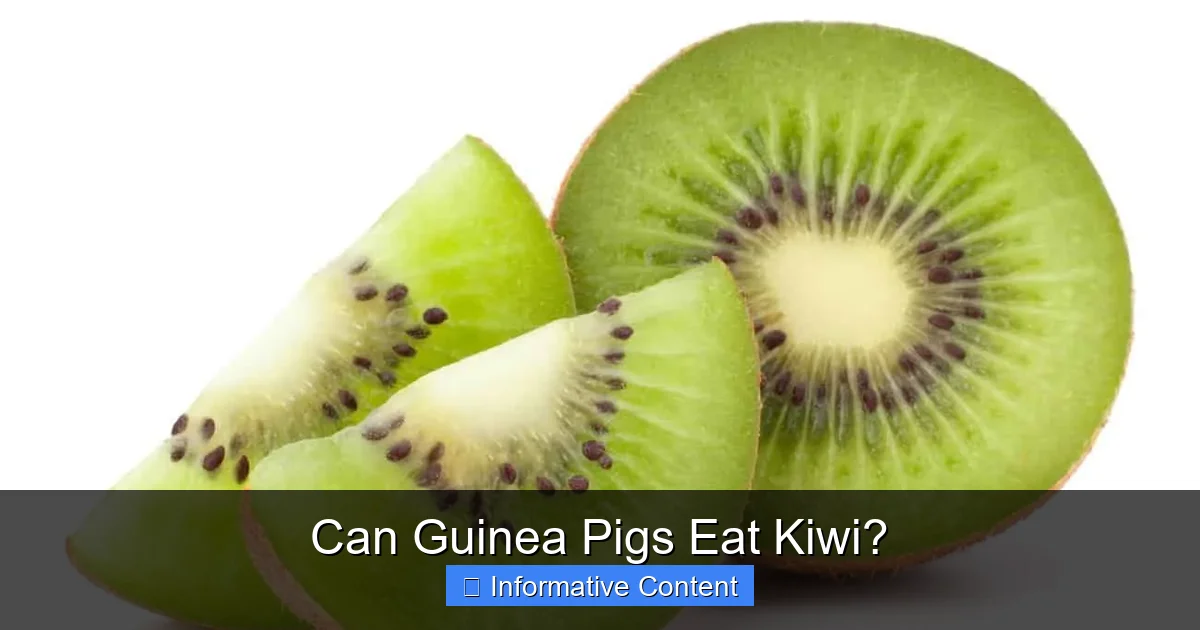
Guinea pigs can eat kiwi, but only in very small amounts and as an occasional treat. While kiwi offers beneficial Vitamin C, its high sugar content and acidity can lead to digestive upset or other health issues if fed too frequently or in large quantities. Always peel the fruit, remove seeds, and introduce it slowly to your guinea pig’s diet, prioritizing hay and fresh vegetables.
Contents
- Can Guinea Pigs Eat Kiwi?
- Key Takeaways
- Quick Answers to Common Questions
- 📑 Table of Contents
- The Nutritional Profile of Kiwi Fruit
- Can Guinea Pigs Eat Kiwi? The Short Answer and The Details
- Potential Benefits of Feeding Kiwi to Guinea Pigs
- Risks and Concerns When Feeding Kiwi
- How to Safely Offer Kiwi to Your Guinea Pig
- A Balanced Diet: Beyond Kiwi
- Conclusion
- Frequently Asked Questions
- What is the most important nutrient guinea pigs need from fruit?
- Can kiwi help with my guinea pig’s digestion?
- Are there better alternatives to kiwi for guinea pig treats?
- What should I do if my guinea pig eats too much kiwi?
- Why is peeling the kiwi important for guinea pigs?
- Should I introduce kiwi to a baby guinea pig?
Can Guinea Pigs Eat Kiwi?
As a loving guinea pig parent, you always want the best for your furry little friend. This includes providing a balanced and nutritious diet that keeps them happy, healthy, and full of life. It’s natural to wonder about adding variety to their meals, especially when you’re enjoying a delicious and healthy fruit yourself. Enter the kiwi – a vibrant, tangy, and nutrient-packed fruit. But the big question that often pops up in many guinea pig owners’ minds is: “Can guinea pigs eat kiwi?”
The world of guinea pig nutrition can sometimes feel like a puzzle. These adorable creatures have unique dietary needs, primarily centered around hay, fresh vegetables, and fortified pellets. While fruits offer vitamins and a welcome treat, not all fruits are safe, and even the safe ones come with strict rules about moderation. Understanding what treats are appropriate and how to offer them safely is a cornerstone of responsible pet ownership. Let’s peel back the layers and explore whether kiwi is a suitable snack for your beloved guinea pig.
Key Takeaways
- Moderation is Key: Guinea pigs can eat kiwi, but it should be offered as an occasional treat, not a staple, due to its sugar and acidity.
- Excellent Source of Vitamin C: Kiwi is rich in Vitamin C, which is crucial for guinea pigs as they cannot produce it themselves and require it to prevent scurvy.
- High Sugar Content: The natural sugars in kiwi can lead to weight gain, dental problems, and digestive upset if given too often or in large portions.
- Acidity Concerns: Kiwi’s acidity might cause mouth sores or irritate a guinea pig’s sensitive digestive system.
- Proper Preparation is Essential: Always wash the kiwi thoroughly, peel it, and remove all seeds before offering a small, bite-sized piece to your guinea pig.
- Introduce Slowly: When introducing kiwi or any new food, start with a tiny amount and monitor your guinea pig for any signs of discomfort or adverse reactions.
- Prioritize a Balanced Diet: Hay, fresh leafy greens, and a small amount of fortified pellets should form the core of a guinea pig’s diet, with fruits like kiwi being rare treats.
Quick Answers to Common Questions
Can guinea pigs eat kiwi skin?
No, guinea pigs should not eat kiwi skin. The skin is tough, fibrous, and can be difficult to digest, posing a choking hazard or causing digestive upset. It might also contain pesticide residues.
Are kiwi seeds safe for guinea pigs?
No, the small, black seeds in kiwi are not safe for guinea pigs. They can be a choking hazard and are generally not recommended for consumption by small pets.
How often can I give my guinea pig kiwi?
Kiwi should be given very sparingly as an occasional treat, perhaps once every few weeks to once a month at most. It should never be a daily or even weekly food due to its sugar and acidity.
How much kiwi can a guinea pig eat?
A guinea pig can eat a very small, bite-sized piece of peeled and deseeded kiwi, roughly the size of your pinky fingernail. Portion control is crucial due to the fruit’s sugar content.
What are the main risks of feeding kiwi to guinea pigs?
The main risks include digestive upset (diarrhea, gas) due to high sugar and acidity, potential mouth irritation, and weight gain if given too frequently or in large amounts.
📑 Table of Contents
The Nutritional Profile of Kiwi Fruit
Before we decide if kiwi is a good fit for your guinea pig, let’s first understand what makes this fruit so special. Kiwi, also known as kiwifruit or Chinese gooseberry, is celebrated for its unique flavor and impressive nutrient content. It’s often praised as a superfood for humans, but does this translate to benefits for our small rodent companions?
Vitamin C Powerhouse
One of the most significant features of kiwi is its exceptionally high Vitamin C content. This is a huge plus for guinea pigs because, unlike most mammals, they cannot produce their own Vitamin C. This makes them highly susceptible to scurvy if their diet lacks this vital nutrient. Scurvy in guinea pigs can lead to serious health issues, including lethargy, joint pain, poor appetite, and even death. Therefore, incorporating Vitamin C-rich foods into their diet is absolutely crucial. A single medium kiwi can pack a significant amount of Vitamin C, making it seem like an ideal candidate for a guinea pig treat.
Fiber Content
Kiwi also contains a good amount of dietary fiber. Fiber is essential for a guinea pig’s digestive health. It helps to keep their gut moving, prevents constipation, and supports overall gastrointestinal function. A healthy digestive system is paramount for guinea pigs, whose delicate systems are prone to stasis and other issues if their fiber intake isn’t adequate. While kiwi provides fiber, it’s important to remember that hay should always be their primary source of fiber.
Sugar Content: Why This is a Concern
Despite its health benefits, kiwi also contains natural sugars. While these sugars are part of a healthy diet for humans, they can be a significant concern for guinea pigs. Guinea pigs are not designed to process large amounts of sugar. Their digestive systems are very sensitive, and too much sugar can lead to a host of problems, including weight gain, obesity, and even dental issues. It can also cause painful digestive upset, such as diarrhea and gas. This high sugar content is a primary reason why fruits, including kiwi, should always be given sparingly.
Acidity
Kiwi has a somewhat tart or acidic taste. While this contributes to its refreshing flavor, the acidity can be problematic for guinea pigs. Their sensitive mouths can develop sores or irritation from acidic foods. Furthermore, an overly acidic diet can upset the delicate pH balance in their gut, potentially leading to digestive issues.
Other Vitamins and Minerals
Beyond Vitamin C, kiwi also offers other beneficial nutrients like Vitamin K, Vitamin E, potassium, and antioxidants. These components contribute to overall health, supporting blood clotting, skin health, and immune function. While these are good, the quantities in a small treat portion for a guinea pig might not be significant enough to outweigh the potential risks associated with sugar and acidity.
Can Guinea Pigs Eat Kiwi? The Short Answer and The Details

Visual guide about Can Guinea Pigs Eat Kiwi?
Image source: animalhype.com
So, after reviewing its nutritional profile, what’s the verdict? Can guinea pigs eat kiwi?
Yes, But In Moderation
The good news is, yes, guinea pigs can eat kiwi. However, and this is a big “however,” it must be offered strictly in moderation and as an occasional treat. It should never be a regular part of their daily diet. Think of it as a very special, infrequent indulgence rather than a dietary staple.
Why Moderation is Key
The reasons for this strict moderation are primarily due to the points we discussed earlier:
* High Sugar Content: This is the biggest red flag. A guinea pig’s digestive system isn’t equipped for large sugar loads. Excessive sugar can lead to rapid weight gain, diabetes (though rare, it’s a concern), and can fuel the growth of harmful bacteria in their gut, leading to diarrhea and other painful digestive issues.
* Acidity: The tartness of kiwi can be irritating. Imagine eating something very sour that leaves your tongue feeling sensitive – a guinea pig can experience similar discomfort, potentially leading to mouth sores or a general aversion to eating.
* Potential for Digestive Upset: Even without excess sugar or acidity, introducing too much of a new food, especially one with a unique composition like kiwi, can cause an upset tummy. Diarrhea is particularly dangerous for guinea pigs as it can lead to dehydration and other serious complications.
Potential Benefits of Feeding Kiwi to Guinea Pigs
Despite the need for caution, there are indeed some upsides to offering a tiny bit of kiwi to your guinea pig occasionally.
Boosts Vitamin C Intake
This is arguably the greatest benefit. As mentioned, guinea pigs are one of the few animals that cannot synthesize their own Vitamin C. Providing a small, occasional treat like kiwi can contribute to their daily Vitamin C requirements and help prevent scurvy. This is especially useful if you’re struggling to get enough Vitamin C into their diet through other vegetables. However, remember that bell peppers, kale, and parsley are generally safer and better daily sources of Vitamin C due to their lower sugar and acidity.
Hydration
Kiwi has a high water content. Offering a small piece can contribute to your guinea pig’s overall hydration, especially during warmer months. However, fresh, clean water should always be available and is the primary source of hydration.
Dietary Variety and Enrichment
Just like us, guinea pigs can appreciate a bit of variety in their diet. A new texture and flavor can be a source of mental enrichment, making their mealtimes more interesting. Occasional small treats can also help bond with your pet and make them look forward to interactions.
Risks and Concerns When Feeding Kiwi
While the benefits exist, it’s crucial to be fully aware of the potential downsides of feeding kiwi to your guinea pig. Understanding these risks will help you make informed decisions and keep your pet safe.
High Sugar Content
Again, this warrants repetition because it’s so critical. The sugars in kiwi, while natural, are concentrated. Guinea pigs on a high-sugar diet are at risk for:
* Obesity: Excess calories from sugar can quickly lead to weight gain. Obese guinea pigs are prone to other health issues, including heart problems, arthritis, and difficulty grooming.
* Dental Problems: Sugary foods can contribute to dental issues, particularly if sticky residues remain on their teeth. Guinea pigs have continuously growing teeth, and their diet needs to support natural wear.
* Digestive Imbalance: Sugar can disrupt the delicate balance of beneficial bacteria in a guinea pig’s gut, leading to an overgrowth of harmful bacteria. This can result in painful gas, bloating, and diarrhea, which can be life-threatening.
Acidity and Mouth Sores
The acidity of kiwi can irritate your guinea pig’s mouth, lips, and tongue. This irritation can manifest as redness, inflammation, or even small sores, making it painful for them to eat other foods. It can also cause discomfort in their esophagus and stomach.
Digestive Upset
Introducing any new food, especially one with a distinct nutrient profile like kiwi, carries a risk of digestive upset. Symptoms can range from mild gas and bloating to severe diarrhea. Diarrhea is a serious concern for guinea pigs, as it can quickly lead to dehydration, electrolyte imbalance, and a dangerous condition called gut stasis, where the digestive system slows down or stops.
Choking Hazard
The texture of kiwi, especially if not cut properly, could pose a choking hazard. Large chunks, or even the small seeds, could get lodged in their throat. Proper preparation is essential to mitigate this risk.
Pesticides
Unless you’re sourcing organic kiwi, conventional fruits can have pesticide residues on their skin. While you should always peel the kiwi for your guinea pig, thoroughly washing the fruit first is still important to prevent any transfer of chemicals.
How to Safely Offer Kiwi to Your Guinea Pig
If you decide that the occasional, tiny treat of kiwi is something you’d like to offer your guinea pig, follow these steps meticulously to minimize any risks.
Choosing the Right Kiwi
* Ripe but Firm: Select a kiwi that is ripe but still firm to the touch. Overripe kiwi will have a higher sugar content and a mushier texture that might be less appealing or harder to handle.
* Organic if Possible: If you can find organic kiwi, that’s often the best choice, as it reduces the risk of pesticide exposure.
Preparation is Key
* Wash Thoroughly: Even though you’re peeling it, always wash the kiwi under cool running water to remove any surface dirt or residues.
* Peel the Skin: The fuzzy skin of the kiwi is not digestible for guinea pigs and can be a choking hazard or cause digestive issues. It might also contain more pesticide residues. Always peel the kiwi completely.
* Remove Seeds: The small, black seeds found in kiwi can also be a choking hazard or difficult for your guinea pig to digest. Carefully slice the kiwi and remove all visible seeds.
* Cut into Small, Bite-Sized Pieces: This is crucial. Cut the peeled, deseeded kiwi into tiny, manageable pieces. Think of a size that your guinea pig can easily pick up and chew without struggling. A piece roughly the size of your pinky fingernail is a good starting point.
Portion Control
* How Much: Offer no more than a small, dime-sized piece, or one small, bite-sized chunk.
* How Often: This is critical. Kiwi should be an extremely infrequent treat. Think once every few weeks, or even once a month, if at all. It is certainly not something to offer daily or even weekly.
Introducing New Foods
* Start Small: When introducing kiwi for the very first time, offer an even smaller amount than recommended – perhaps half a pinky-fingernail-sized piece.
* Monitor Closely: After offering kiwi, carefully observe your guinea pig for the next 12-24 hours. Look for any signs of digestive upset like diarrhea, soft stools, lethargy, reduced appetite, or discomfort. If you notice any adverse reactions, stop feeding kiwi immediately and consult your vet.
* Only One New Food at a Time: If you’re introducing multiple new foods, do so one at a time, spaced a few days apart. This way, if your guinea pig reacts negatively, you’ll know exactly which food caused the problem.
What Parts to Avoid
To reiterate:
* Skin: Avoid completely.
* Seeds: Avoid completely.
* Leaves/Stem: Avoid completely. Only the fleshy, peeled, deseeded fruit is potentially suitable.
A Balanced Diet: Beyond Kiwi
While it’s fun to explore new treats, it’s essential to remember that treats like kiwi are just that – treats. They should never overshadow the core components of a healthy guinea pig diet.
Hay is Paramount
High-quality, fresh timothy hay (or orchard grass for younger/older guinea pigs) should make up about 80% of your guinea pig’s daily diet. They should have unlimited access to hay at all times. Hay is vital for their digestive health and helps wear down their continuously growing teeth.
Fresh Vegetables
Daily fresh vegetables are essential for providing vital nutrients, including Vitamin C. Aim for a variety of leafy greens like romaine lettuce, green leaf lettuce, red leaf lettuce, and cilantro. Bell peppers (especially yellow and orange, which are higher in Vitamin C and lower in sugar than red), parsley, and small amounts of cucumber are also excellent choices. About one cup of varied fresh vegetables per guinea pig per day is a good guideline.
Pellets
A small amount of high-quality, plain, timothy-based guinea pig pellets (about 1/8 to 1/4 cup per day for an adult guinea pig) provides fortified nutrients. Avoid pellets with added seeds, nuts, or sugary “treats,” as these are unhealthy.
Water
Fresh, clean water should always be available in a sipper bottle, changed daily.
Fruits as Treats
Fruits like kiwi fall into the “treat” category. Other safe fruits that should also be offered sparingly include small pieces of apple (no seeds), berries, and melon. Remember, all fruits are high in sugar and should be given rarely and in tiny amounts.
Conclusion
So, can guinea pigs eat kiwi? The answer is a qualified yes, but with a strong emphasis on caution and moderation. While kiwi offers a boost of essential Vitamin C, its high sugar content and acidity make it a treat that should be offered very infrequently and in extremely small portions. Always prioritize your guinea pig’s core diet of unlimited hay, fresh vegetables, and fortified pellets.
Before introducing any new food into your guinea pig’s diet, it’s always a good practice to consult with your veterinarian. They can provide personalized advice based on your pet’s individual health needs. By being mindful of portion sizes, preparation, and your guinea pig’s reactions, you can ensure that any treats you offer contribute positively to their well-being, without causing harm. Your furry friend relies on you to make the best dietary choices, so always choose wisely and with their long-term health in mind.
Frequently Asked Questions
What is the most important nutrient guinea pigs need from fruit?
The most important nutrient guinea pigs need from fruit, or any part of their diet, is Vitamin C. They cannot produce their own Vitamin C and must obtain it from their food to prevent scurvy, a debilitating and potentially fatal disease.
Can kiwi help with my guinea pig’s digestion?
While kiwi contains fiber, which is good for digestion, it also has high sugar and acidity, which can actually upset a guinea pig’s sensitive digestive system if given too much. Hay is the best and primary source of fiber for guinea pigs.
Are there better alternatives to kiwi for guinea pig treats?
Yes, there are often better and safer alternatives. Bell peppers (especially yellow and orange), kale, parsley, and cilantro are excellent daily sources of Vitamin C with lower sugar and acidity. Small pieces of apple (no seeds) or berries can be safer, less acidic fruit treats.
What should I do if my guinea pig eats too much kiwi?
If your guinea pig accidentally eats too much kiwi, monitor them closely for signs of digestive upset like diarrhea, lethargy, or loss of appetite. Offer plenty of fresh hay and water. If symptoms are severe or persist, contact your veterinarian immediately.
Why is peeling the kiwi important for guinea pigs?
Peeling the kiwi is important because its fuzzy skin is tough and indigestible for guinea pigs, potentially causing choking or digestive problems. It can also harbor pesticide residues, even after washing, which should be avoided.
Should I introduce kiwi to a baby guinea pig?
It’s generally best to wait until guinea pigs are older, typically at least 6 months old, before introducing new and potentially acidic/sugary treats like kiwi. Younger guinea pigs have even more sensitive digestive systems that are still developing.