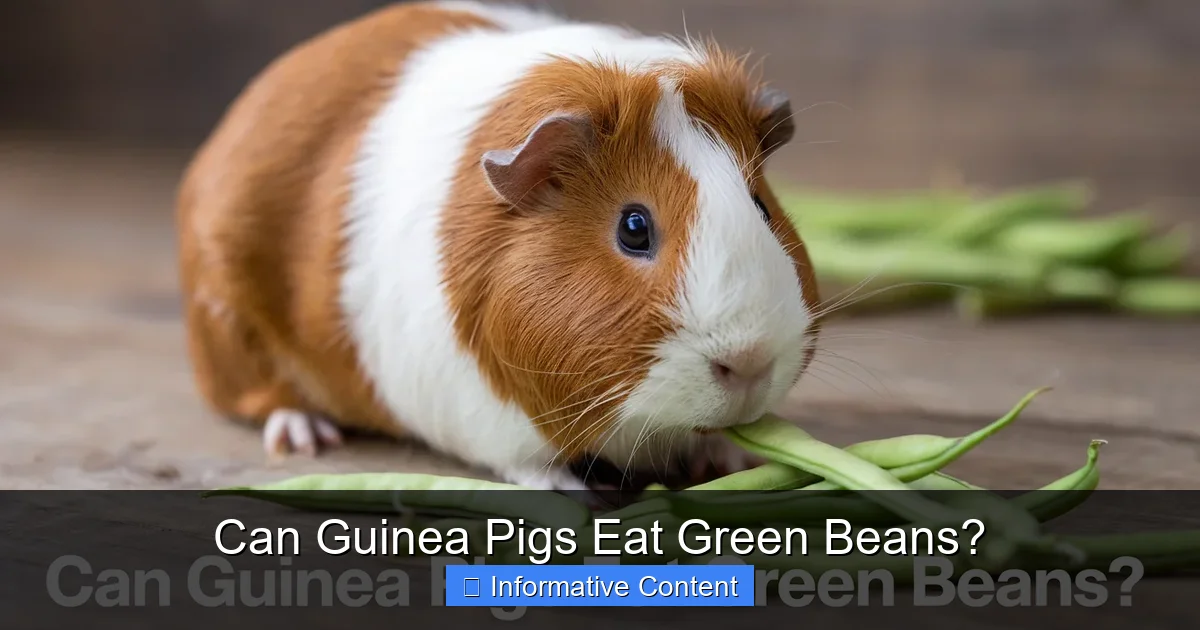
Yes, guinea pigs can eat green beans, but only in moderation and as an occasional treat. While offering beneficial vitamins like C and K, and dietary fiber, green beans also contain calcium, which needs careful management in a guinea pig’s diet to prevent health issues like bladder stones. Always serve fresh, raw, and properly prepared green beans in small portions, and introduce them slowly to observe your piggy’s reaction.
As a loving guinea pig parent, you’re always looking for ways to enrich your furry friend’s diet with delicious and nutritious treats. Fresh vegetables are a cornerstone of a healthy guinea pig diet, providing essential vitamins, minerals, and fiber. But with so many options available in the produce aisle, it’s natural to wonder about specific items. Today, we’re tackling a common question: “Can guinea pigs eat green beans?”
It’s a great question, and one that highlights the importance of understanding your guinea pig’s unique dietary needs. Unlike many other pets, guinea pigs require a specific balance of nutrients to thrive, and some foods that are perfectly fine for humans or other animals can be harmful to them. So, let’s dive deep into the world of green beans and discover whether this popular legume can safely make its way into your piggy’s snack rotation.
The short answer is yes, guinea pigs can eat green beans, but with some very important caveats. Like many other fresh veggies, green beans should be offered in moderation and as part of a varied diet. It’s crucial to understand both the benefits and potential risks before you start sharing this crunchy snack with your cavy companion. Let’s explore everything you need to know to make an informed decision and keep your guinea pig happy and healthy.
Contents
- Key Takeaways
- Quick Answers to Common Questions
- 📑 Table of Contents
- The Nutritional Profile of Green Beans: What’s Inside?
- Health Benefits of Green Beans for Guinea Pigs
- Potential Risks and Concerns When Guinea Pigs Eat Green Beans
- How to Safely Feed Green Beans to Your Guinea Pig
- The Ideal Guinea Pig Diet: A Quick Refresher
- Conclusion
- Frequently Asked Questions
- What nutrients do green beans offer to guinea pigs?
- Why is calcium a concern when feeding green beans to guinea pigs?
- Can baby guinea pigs eat green beans?
- Are yellow or purple varieties of snap beans safe for guinea pigs?
- What if my guinea pig doesn’t like green beans?
- Can I feed my guinea pig green bean sprouts or bean seedlings?
Key Takeaways
- Moderation is Key: Green beans can be an occasional treat for guinea pigs, not a daily staple.
- Nutritional Boost: They offer valuable Vitamin C, Vitamin K, and dietary fiber, essential for your guinea pig’s health.
- Calcium Concerns: Green beans contain calcium, which can contribute to bladder stone formation if fed in excess or too frequently.
- Proper Preparation: Always wash green beans thoroughly, trim the ends, and chop them into small, bite-sized pieces to prevent choking.
- Introduce Slowly: When offering green beans for the first time, provide a very small amount and monitor your guinea pig for any signs of digestive upset.
- Avoid Processed Beans: Never feed canned, cooked, frozen, or seasoned green beans; they should always be raw and fresh.
- Part of a Varied Diet: Green beans should complement a diet rich in hay, quality pellets, and a wide variety of other safe fresh vegetables.
Quick Answers to Common Questions
Can guinea pigs eat cooked green beans?
No, guinea pigs should only eat raw, fresh green beans. Cooked green beans lose nutritional value and can be harder for their sensitive digestive systems to process.
Can guinea pigs eat canned green beans?
Absolutely not. Canned green beans contain high levels of sodium, preservatives, and other additives that are harmful to guinea pigs. Always stick to fresh.
How often can I give my guinea pig green beans?
Green beans should be offered as an occasional treat, no more than once or twice a week, to manage their calcium content and prevent digestive upset.
How much green bean can I give my guinea pig at once?
A small portion of 1-2 tiny, bite-sized pieces (about 1/2 inch long) is sufficient for an adult guinea pig per serving.
Can guinea pigs eat all parts of the green bean plant?
No, only the fresh, raw green bean pods themselves are safe for consumption. Avoid feeding any other parts of the plant, such as leaves or stems, as they may be toxic or difficult to digest.
📑 Table of Contents
The Nutritional Profile of Green Beans: What’s Inside?
Before we decide if green beans are a good fit for our guinea pig friends, it’s helpful to understand what nutrients they bring to the table. Green beans, also known as snap beans, are a common vegetable packed with a surprising array of goodness. For your guinea pig, these nutrients can offer both advantages and disadvantages.
Vitamins Galore
- Vitamin C: This is perhaps the most crucial vitamin for guinea pigs, as they cannot produce their own. A deficiency leads to scurvy, a painful and potentially fatal condition. Green beans offer a moderate amount of Vitamin C, making them a helpful addition for maintaining good health.
- Vitamin K: Important for blood clotting and bone health, Vitamin K is present in green beans.
- Vitamin A (in the form of beta-carotene): Essential for vision, immune function, and skin health.
- B Vitamins: Green beans contain some B vitamins, such as folate, which play a role in energy metabolism and red blood cell formation.
Minerals and Fiber
- Fiber: Green beans are a good source of dietary fiber, which is vital for a guinea pig’s digestive system. Fiber helps promote healthy gut motility and prevents issues like stasis.
- Manganese: An essential trace mineral involved in bone development and metabolism.
- Iron: Important for oxygen transport in the blood.
- Potassium: A mineral that helps maintain fluid balance and nerve function.
- Calcium: This is where caution comes in. While calcium is necessary for strong bones and teeth, too much can be problematic for guinea pigs. We’ll delve deeper into this shortly.
Green beans are also low in calories, sugar, and fat, making them a generally healthy choice when considering human diets. For guinea pigs, these characteristics mean they won’t contribute to weight gain when given appropriately. The high water content also aids in hydration.
Health Benefits of Green Beans for Guinea Pigs
When given correctly, green beans can offer several advantages for your guinea pig’s well-being. Knowing these benefits can help you appreciate why they can be a worthy occasional snack.
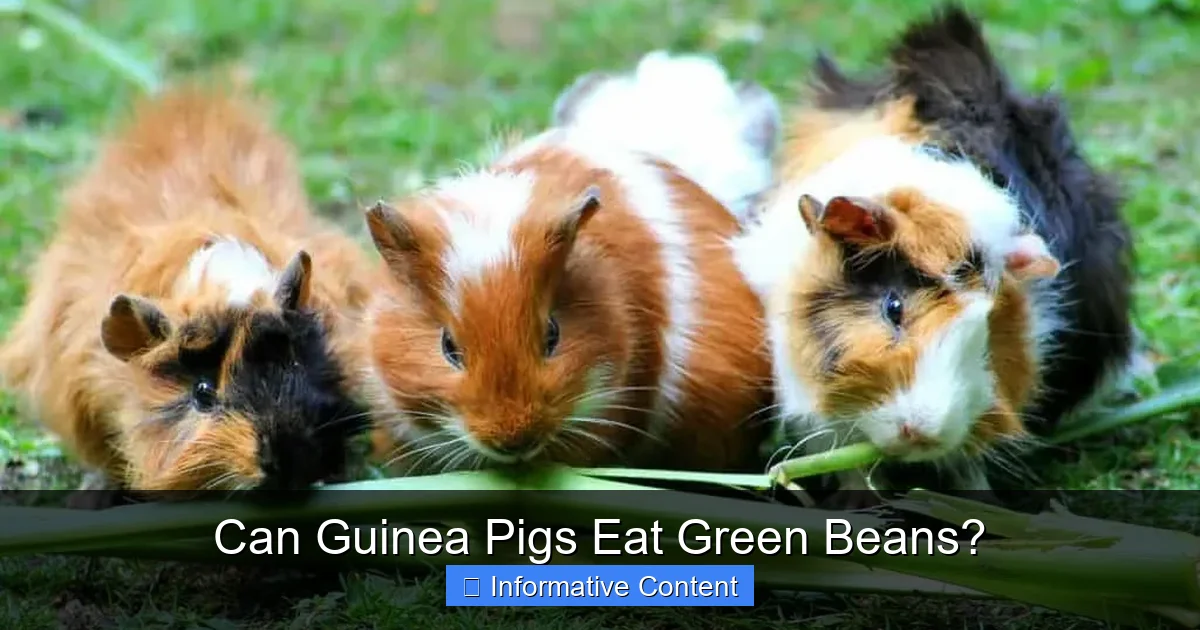
Visual guide about Can Guinea Pigs Eat Green Beans?
Image source: petskb.com
Boosting Vitamin C Intake
As mentioned, guinea pigs absolutely need a daily supply of Vitamin C. While their main source should be quality guinea pig pellets and other high-Vitamin C vegetables like bell peppers, green beans can provide a supplemental boost. Regular intake of Vitamin C helps protect against scurvy, keeps their immune system strong, and supports overall vitality. By including green beans in their varied diet, you contribute to this essential nutrient intake.
Supporting Digestive Health
The fiber content in green beans is excellent for promoting a healthy digestive system. Guinea pigs are hindgut fermenters, meaning they rely heavily on a constant flow of fiber to keep their gut moving and prevent issues like gas, bloating, and stasis. A small amount of green beans can add to their daily fiber intake, complementing the unlimited hay that forms the bulk of their diet.
Hydration and Weight Management
With their high water content, green beans contribute to your guinea pig’s hydration, which is especially beneficial during warmer months. Furthermore, because they are low in fat and calories, green beans are a guilt-free treat that won’t contribute to unhealthy weight gain, provided they are fed in appropriate portions. This makes them a much better alternative to sugary fruits or high-fat snacks.
Variety and Enrichment
Offering a variety of fresh vegetables not only ensures a broad spectrum of nutrients but also provides mental stimulation for your guinea pig. Discovering new textures and tastes is an enriching experience for them. Green beans offer a unique crunch that many guinea pigs enjoy, adding an exciting element to their daily meals and helping to prevent boredom with their food.
Potential Risks and Concerns When Guinea Pigs Eat Green Beans
While the benefits are clear, it’s equally important to be aware of the potential downsides of feeding green beans to your guinea pig. Understanding these risks will guide you in safe feeding practices.
The Calcium Conundrum: Bladder Stones
This is arguably the most significant concern when it comes to green beans and guinea pigs. Green beans, like many other vegetables, contain calcium. While calcium is essential for healthy bones and teeth, guinea pigs are prone to developing bladder stones (urolithiasis) if they consume too much calcium. Their bodies are not very efficient at processing excess calcium, which can accumulate in the urinary tract, forming painful stones.
A diet consistently high in calcium can lead to these painful stones, requiring veterinary intervention, often surgery. Therefore, while green beans do offer Vitamin C, their calcium content means they should be given sparingly, especially if your guinea pig has a history of urinary issues or is on a low-calcium diet.
Oxalates and Their Impact
Green beans also contain oxalates (oxalic acid), though in relatively low amounts compared to some other vegetables (like spinach or parsley). Oxalates can bind with calcium, potentially contributing to stone formation or interfering with mineral absorption. For guinea pigs, maintaining a balance is crucial, and foods high in oxalates should be given very infrequently.
Digestive Upset from Overfeeding
Any new food, or too much of an existing food, can cause digestive upset in guinea pigs. Their sensitive digestive systems can react to sudden changes or excessive amounts of fresh produce. Feeding too many green beans could lead to gas, bloating, soft stools, or diarrhea. It’s always best to introduce new foods slowly and in tiny quantities.
Pesticide Residue
Like all fresh produce, green beans can carry pesticide residues. It’s absolutely essential to wash them thoroughly under cold running water before offering them to your guinea pig. Consider buying organic green beans if you are particularly concerned about pesticides.
Choking Hazard
While not a primary risk, an entire green bean can be a bit long and awkward for a guinea pig to chew safely. Without proper preparation, there’s a slight risk of choking, especially if your piggy tries to swallow large pieces too quickly. This is easily mitigated by cutting the beans into small, manageable pieces.
How to Safely Feed Green Beans to Your Guinea Pig
If you’ve decided to let your guinea pig enjoy green beans, proper preparation and portion control are paramount. Follow these guidelines to ensure a safe and enjoyable experience for your little friend.
Step-by-Step Preparation
- Select Fresh, Raw Beans: Always choose fresh, crisp, green beans. Avoid any that look wilted, bruised, or discolored. Never offer canned, cooked, frozen, or seasoned green beans. Cooked green beans lose some of their nutritional value and can be harder for guinea pigs to digest, while canned varieties are often high in sodium and other additives.
- Wash Thoroughly: Rinse the green beans thoroughly under cool running water. You can even gently scrub them with a vegetable brush to remove any dirt or pesticide residue.
- Trim the Ends: Snap or cut off the stem and tail ends of the green bean, as these parts can be tough and fibrous.
- Chop into Small Pieces: This is a crucial step to prevent choking. Cut the green beans into small, bite-sized pieces, roughly the size of your guinea pig’s mouth or smaller. This makes them easy to chew and digest.
Portion Control and Frequency
When it comes to feeding green beans, less is definitely more. Remember, they are a treat, not a meal replacement. The general recommendation for giving your guinea pig green beans is:
- Portion Size: Offer 1-2 small pieces (about 1/2 inch long) per guinea pig.
- Frequency: Once or twice a week, at most. This infrequent serving helps manage calcium intake and prevents digestive upset.
Always combine green beans with other low-calcium, high-Vitamin C vegetables on the same day to ensure a balanced intake of nutrients.
Introducing New Foods
If your guinea pig has never had green beans before, introduce them slowly. Offer a single, tiny piece and observe your guinea pig for the next 24 hours. Look for any signs of digestive upset such as soft stools, diarrhea, reduced appetite, or lethargy. If your guinea pig seems fine, you can gradually increase to the recommended portion size over a few days or weeks. If you notice any adverse reactions, discontinue feeding green beans immediately.
The Ideal Guinea Pig Diet: A Quick Refresher
While we’ve focused on “can guinea pigs eat green beans,” it’s vital to remember that green beans are just a tiny part of a much larger, balanced diet. Here’s a quick reminder of what makes up the ideal diet for your beloved guinea pig:
Unlimited Timothy Hay
Hay is the most important component of a guinea pig’s diet. It should be available 24/7. Hay provides essential fiber for digestive health and helps wear down their continuously growing teeth. Timothy hay is generally preferred, but orchard grass or oat hay are also good options.
High-Quality Guinea Pig Pellets
A small amount of fortified, plain guinea pig pellets (about 1/8 to 1/4 cup per day for an adult) ensures they get all the necessary vitamins and minerals, especially Vitamin C. Choose pellets specifically formulated for guinea pigs and avoid those with seeds, nuts, or sugary treats.
Daily Fresh Vegetables
This is where variety truly shines. Your guinea pig should receive a daily serving of fresh vegetables, typically about one cup per day for an adult. Aim for a mix of high-Vitamin C, low-calcium options. Excellent choices include:
- Bell peppers (especially red and yellow, high in Vitamin C)
- Romaine lettuce (never iceberg)
- Cilantro
- Parsley (in moderation due to calcium)
- Cucumber
- Carrots (as a treat, due to sugar content)
- Zucchini
Rotating these vegetables daily helps ensure a wide range of nutrients and keeps mealtime exciting. Green beans would fit into this category as an occasional treat, alongside other low-calcium options.
Fresh Water
Always provide access to fresh, clean water in a sipper bottle, changed daily. It’s also a good idea to offer water in a heavy ceramic bowl as an alternative, as some guinea pigs prefer to drink from a bowl.
Occasional Fruits
Fruits should be given very sparingly, no more than once or twice a week, due to their high sugar content. Small pieces of apple, berries, or melon can be offered as a special treat.
Conclusion
So, can guinea pigs eat green beans? The answer is a qualified yes! Green beans can be a nutritious and enjoyable addition to your guinea pig’s diet, offering beneficial Vitamin C, Vitamin K, and fiber. However, their calcium content means they must be given in strict moderation, as an occasional treat, to mitigate the risk of bladder stones. Always prioritize proper preparation – wash them thoroughly, trim the ends, and chop them into small, safe pieces.
Remember that the cornerstone of a healthy guinea pig diet is unlimited fresh hay, a small amount of high-quality pellets, and a daily variety of fresh, guinea pig-safe vegetables. Green beans can certainly find a place in this diverse menu, but always listen to your guinea pig’s individual needs and consult with a vet if you have any concerns about their diet or health. By being a diligent and informed pet parent, you can ensure your adorable cavy enjoys a long, healthy, and happy life.
Frequently Asked Questions
What nutrients do green beans offer to guinea pigs?
Green beans are a good source of Vitamin C, which guinea pigs cannot produce themselves and need daily to prevent scurvy. They also provide Vitamin K, Vitamin A (beta-carotene), some B vitamins, and beneficial dietary fiber for digestive health.
Why is calcium a concern when feeding green beans to guinea pigs?
Guinea pigs are prone to developing bladder stones if their diet contains too much calcium. While green beans offer other nutrients, their calcium content means they should be fed in strict moderation to avoid contributing to calcium buildup in the urinary tract, which can lead to painful stones.
Can baby guinea pigs eat green beans?
It’s generally best to introduce new vegetables, including green beans, once guinea pigs are older and have a more robust digestive system, typically around 4-6 months of age. Even then, start with tiny amounts and observe carefully.
Are yellow or purple varieties of snap beans safe for guinea pigs?
Yes, yellow (wax beans) and purple varieties of snap beans have a similar nutritional profile to green beans and can be offered to guinea pigs in the same small, infrequent portions as a treat.
What if my guinea pig doesn’t like green beans?
If your guinea pig doesn’t show interest in green beans, don’t force it. There are many other safe and nutritious vegetables that guinea pigs enjoy, such as bell peppers, romaine lettuce, or cucumber. Offer a variety of other approved veggies to ensure they get the nutrients they need.
Can I feed my guinea pig green bean sprouts or bean seedlings?
No, it’s not recommended to feed green bean sprouts or seedlings. Their nutritional composition can be different from the mature pod, and some sprouts may contain compounds that are not suitable or potentially harmful to guinea pigs. Stick only to the fresh, mature green bean pods.