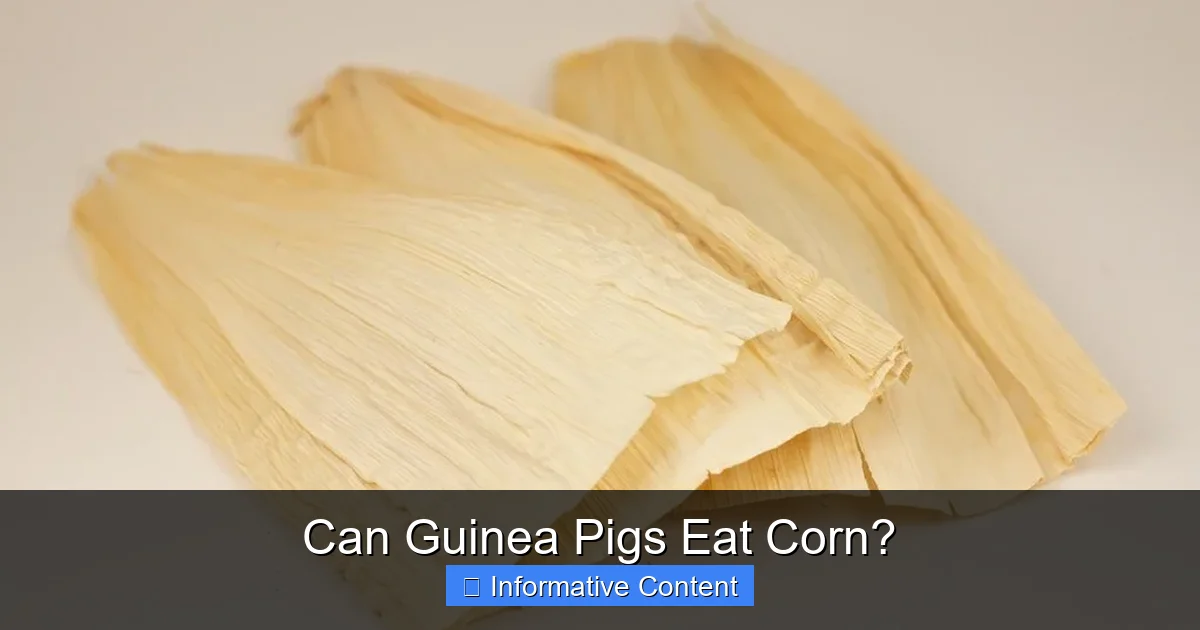
While guinea pigs can technically eat very small amounts of fresh corn kernels sparingly, it’s generally best to avoid them due to their high sugar and starch content, which can lead to digestive upset and weight gain. However, certain parts of the corn plant, like the fresh husks and silk, can be offered in moderation as a fibrous treat. Always prioritize a diet rich in hay, fresh vegetables, and guinea pig pellets for your pet’s optimal health.
Contents
- Can Guinea Pigs Eat Corn?
- Key Takeaways
- Quick Answers to Common Questions
- 📑 Table of Contents
- The Nutritional Profile of Corn and Guinea Pigs’ Needs
- Why Corn Kernels Can Be Problematic for Guinea Pigs
- The Green Parts: Corn Husks and Silk
- What About Cooked, Canned, or Processed Corn?
- Safe Alternatives and a Balanced Diet
- Conclusion
- Frequently Asked Questions
- Is corn a good source of Vitamin C for guinea pigs?
- Can baby guinea pigs eat corn?
- What should I do if my guinea pig accidentally eats corn kernels?
- How often can I give my guinea pig corn husks?
- Are there any corn products that are safe for guinea pigs?
- What are better alternatives to corn for guinea pigs?
Can Guinea Pigs Eat Corn?
As a loving guinea pig parent, you’re constantly on the lookout for ways to keep your furry friend happy and healthy. Part of that means understanding their dietary needs and knowing which foods are safe to share. It’s a common and excellent question that often pops up: “Can guinea pigs eat corn?” You might be munching on a cob of sweet corn yourself and wonder if your little piggy can have a nibble.
The short answer, like many things in pet nutrition, isn’t a simple yes or no. While some parts of the corn plant can be offered in moderation, the kernels themselves present several challenges for guinea pigs. It’s crucial to understand the nutritional breakdown of corn and how it aligns, or rather, doesn’t align, with the specific dietary requirements of these adorable cavies. Let’s dive deep into the world of corn and guinea pigs, exploring what’s safe, what’s not, and why.
Understanding your guinea pig’s diet is key to their long-term well-being. Their digestive systems are quite sensitive and designed for a very specific type of diet. Introducing foods that are too high in sugar, starch, or low in essential nutrients can quickly lead to health problems. So, before you offer that tempting kernel, let’s explore all the ins and outs of guinea pigs and corn to ensure you’re making the best choices for your cherished companion.
Key Takeaways
- Fresh Corn Kernels: High in sugar and starch, and low in essential Vitamin C, corn kernels are generally not recommended for guinea pigs. They can lead to digestive upset, weight gain, and don’t offer the balanced nutrition these small pets need.
- Corn Husks and Silk Are Safer: Unlike the kernels, the fresh, green husks and silk of a corn cob can be offered to guinea pigs in moderation. These parts are high in fiber and can provide a safe, enriching snack when properly prepared and cleaned.
- Avoid Cooked, Canned, or Processed Corn: Absolutely never feed your guinea pig cooked, canned, frozen, or any form of processed corn. These often contain added salt, sugar, preservatives, or are simply not digestible for guinea pigs.
- Choking Hazard: Whole corn kernels, especially on the cob, can pose a significant choking risk for guinea pigs due to their small mouths and difficulty breaking down hard items.
- Nutritional Imbalance: Relying on corn for nutrition can displace more beneficial foods rich in Vitamin C and fiber, leading to dietary deficiencies and health problems for your guinea pig.
- Prioritize a Balanced Diet: The cornerstone of a guinea pig’s diet should be unlimited fresh hay, high-quality guinea pig pellets, and a variety of guinea pig-safe fresh vegetables (like bell peppers, leafy greens, and carrots) daily.
- Introduce New Foods Slowly: If you decide to offer corn husks or silk, do so in very small quantities and monitor your guinea pig for any signs of digestive upset, such as diarrhea or gas.
Quick Answers to Common Questions
Can guinea pigs eat sweet corn?
Fresh sweet corn kernels are generally not recommended due to their high sugar and starch content, which can lead to digestive issues and weight gain in guinea pigs.
Are corn husks safe for guinea pigs?
Yes, fresh, clean, and plain corn husks are generally safe for guinea pigs in moderation. They offer beneficial fiber and can be a good source of enrichment.
Can guinea pigs eat corn on the cob?
No, corn on the cob is not safe for guinea pigs. The kernels pose a choking hazard, and the cob itself is too hard for them to chew safely, risking dental or digestive problems.
What parts of the corn plant can guinea pigs eat?
Guinea pigs can safely eat the fresh, green corn husks and corn silk in small, plain quantities. The kernels and cob should be avoided.
Why is corn bad for guinea pigs’ digestion?
Corn kernels are high in sugar and starch, which guinea pigs’ sensitive digestive systems struggle to process. This can lead to gas, bloating, diarrhea, and other gastrointestinal upset.
📑 Table of Contents
The Nutritional Profile of Corn and Guinea Pigs’ Needs
To truly answer the question, “Can guinea pigs eat corn?”, we first need to look at what corn offers nutritionally and what guinea pigs absolutely require to thrive. These little creatures have very particular dietary needs that differ significantly from humans or even other common pets.
What’s in Corn?
Corn, especially sweet corn kernels, is primarily composed of carbohydrates, including a significant amount of sugar and starch. It also contains some fiber, a small amount of protein, and various vitamins and minerals like Vitamin B, magnesium, and phosphorus. While it does have some beneficial components for humans, its high sugar and starch content is a major point of concern when it comes to guinea pigs. For example, a single cup of corn kernels can contain around 29 grams of carbohydrates, with about 5 grams of that being sugar.
Essential Nutrients for Guinea Pigs
Guinea pigs have a unique set of dietary requirements. They are herbivores with a digestive system designed to process large amounts of fibrous material. Here are their core nutritional needs:
- Fiber: This is paramount. Unlimited access to fresh, high-quality hay (like Timothy hay) is the most important part of a guinea pig’s diet. Fiber keeps their digestive system moving and helps wear down their continuously growing teeth.
- Vitamin C: Unlike most animals, guinea pigs cannot synthesize their own Vitamin C. This means they must get it from their diet, similar to humans. A lack of Vitamin C can lead to scurvy, a serious and often fatal condition.
- Fresh Vegetables: A daily portion of guinea pig-safe fresh vegetables provides essential vitamins, minerals, and additional fiber. Think leafy greens, bell peppers (excellent Vitamin C source!), and carrots.
- High-Quality Pellets: Specially formulated guinea pig pellets (not rabbit pellets) offer balanced nutrition and should be given in measured amounts daily.
- Water: Fresh, clean water should always be available.
When we compare the nutritional profile of corn kernels to these essential needs, we start to see where the potential problems lie. Corn simply doesn’t stack up as a primary source of what a guinea pig needs most.
Why Corn Kernels Can Be Problematic for Guinea Pigs
Given the unique digestive system and nutritional needs of guinea pigs, feeding them corn kernels isn’t ideal and can even be detrimental to their health. This section will explore the specific reasons why you should be cautious, or even avoid, offering corn kernels to your guinea pig.
High Sugar and Starch Content
The biggest issue with corn kernels for guinea pigs is their high sugar and starch content. Guinea pigs’ digestive systems are not well-equipped to handle large amounts of these simple carbohydrates. When consumed, high sugar and starch can lead to:
- Digestive Upset: This can manifest as gas, bloating, diarrhea, or even a painful condition called stasis, where the digestive system slows or stops.
- Weight Gain and Obesity: Just like in humans, excess calories from sugar and starch can lead to unhealthy weight gain. Obesity in guinea pigs can contribute to other health problems like heart issues, joint pain, and bumblefoot.
- Diabetes Risk: While not as commonly diagnosed as in humans, a diet consistently high in sugar can potentially put guinea pigs at a higher risk for developing metabolic issues, including diabetes.
Remember, guinea pigs need fiber for healthy digestion, not high concentrations of sugars and starches.
Low Vitamin C
As we discussed, Vitamin C is non-negotiable for guinea pigs. Unfortunately, fresh corn kernels are not a good source of this vital nutrient. While they contain some, it’s far from the amount guinea pigs need daily. Relying on corn means you’d be missing out on providing crucial Vitamin C, potentially leading to scurvy. Safer alternatives like bell peppers (especially red and yellow ones) are packed with Vitamin C and are much better choices.
Potential Choking Hazards
Another significant concern with feeding corn kernels, especially directly off the cob, is the choking risk. Guinea pigs have small mouths and distinct teeth that aren’t designed for gnawing on hard, round kernels or a tough cob. A whole kernel could easily get lodged in their throat, causing choking or injury. The cob itself is also too hard and fibrous, presenting a dual risk of choking and digestive impaction.
Pesticides and GMOs
Unless you’re offering organic corn that you’ve grown yourself or sourced from a trusted organic farmer, most commercially available corn has been treated with pesticides or herbicides. It’s also often genetically modified (GMO). These chemicals can be harmful to guinea pigs, even in small amounts. Always prioritize organic and thoroughly washed produce for your pets. This is another reason why it’s safer to avoid giving guinea pigs corn kernels.
The Green Parts: Corn Husks and Silk
So, while the kernels are generally a no-go, does that mean the entire corn plant is off-limits? Not necessarily! The fibrous green parts of the corn plant, specifically the husks and the silk, offer a different nutritional profile and can be a safe, enriching treat for your guinea pig in moderation.
Are Corn Husks Safe?
Yes, fresh corn husks can be a safe and enjoyable treat for your guinea pig! Unlike the kernels, corn husks are primarily fiber. This makes them much more aligned with a guinea pig’s natural diet. They provide:
- Beneficial Fiber: Helps with digestion and contributes to dental health.
- Chewing Enrichment: Gnawing on husks can provide mental stimulation and help wear down their teeth.
- Low Sugar: Unlike the kernels, the husks contain very little sugar or starch.
When offering corn husks, always ensure they are fresh, clean, and free of any pesticides or chemicals. Only offer the green, leafy outer layers, not the dry, brittle ones.
What About Corn Silk?
Corn silk, those delicate, thread-like strands found inside the husks, is also generally safe for guinea pigs. Like the husks, corn silk is fibrous and doesn’t contain the problematic sugars and starches found in the kernels. It can add a bit of variety and texture to their diet. Just ensure it’s fresh and clean, just like the husks.
Preparation and Serving Husks and Silk
If you decide to offer corn husks or silk to your guinea pig, follow these important guidelines:
- Choose Fresh and Organic: Always opt for fresh, organic corn if possible, to minimize exposure to pesticides.
- Wash Thoroughly: Even if organic, wash the husks and silk thoroughly under cool running water to remove any dirt or residual contaminants.
- Serve Plain: Never offer husks or silk that have been cooked, salted, or seasoned in any way. Plain is best.
- Moderation is Key: While safer than kernels, husks and silk should still be given as an occasional treat, not a dietary staple. A small piece of husk or a few strands of silk once or twice a week is plenty.
- Monitor Your Guinea Pig: After introducing any new food, watch your guinea pig closely for 24-48 hours for any signs of digestive upset, such as soft stools, diarrhea, or reduced appetite.
Remember, these are treats. Their main diet should still consist of unlimited hay, good quality pellets, and a variety of fresh, guinea pig-safe vegetables.
What About Cooked, Canned, or Processed Corn?
Now that we’ve covered fresh corn kernels, husks, and silk, let’s address other forms of corn you might encounter. This is a very straightforward section: these forms of corn are an absolute “no” for guinea pigs.
Cooked Corn
Even if you’re thinking about boiling or steaming corn kernels to make them softer, cooked corn is still not suitable for guinea pigs. Cooking denatures some nutrients and doesn’t reduce the problematic sugar and starch content enough. In fact, it can often make the starches more digestible, potentially exacerbating digestive issues. Stick to raw, safe veggies for your guinea pig.
Canned or Frozen Corn
This is a definite no-go. Canned corn is typically packed in water or brine that contains high levels of sodium (salt) and often preservatives. These additives are toxic to guinea pigs and can cause serious health problems, including dehydration and kidney issues. Frozen corn, while often free of added salt, is still not recommended because it has been processed and lacks the freshness of raw produce. The freezing process can also alter its texture and nutrient profile in a way that isn’t ideal for a guinea pig’s digestive system.
Popcorn, Corn Chips, and Other Processed Corn Snacks
This should be self-evident, but for the sake of thoroughness: absolutely never give your guinea pig human snacks made from corn. Popcorn (especially buttered or salted), corn chips, corn bread, tortillas, or any other processed corn product are loaded with salt, sugar, unhealthy fats, artificial flavors, and preservatives. These ingredients are extremely dangerous for guinea pigs and can cause severe illness or even be fatal. Their digestive systems simply cannot handle these types of processed foods.
Safe Alternatives and a Balanced Diet
Instead of focusing on potentially risky foods like corn kernels, it’s far better to concentrate on providing your guinea pig with a diet rich in known safe and nutritious options. A balanced diet is the cornerstone of a healthy and happy guinea pig.
The Foundation: Hay, Pellets, and Water
Always remember the bedrock of your guinea pig’s diet:
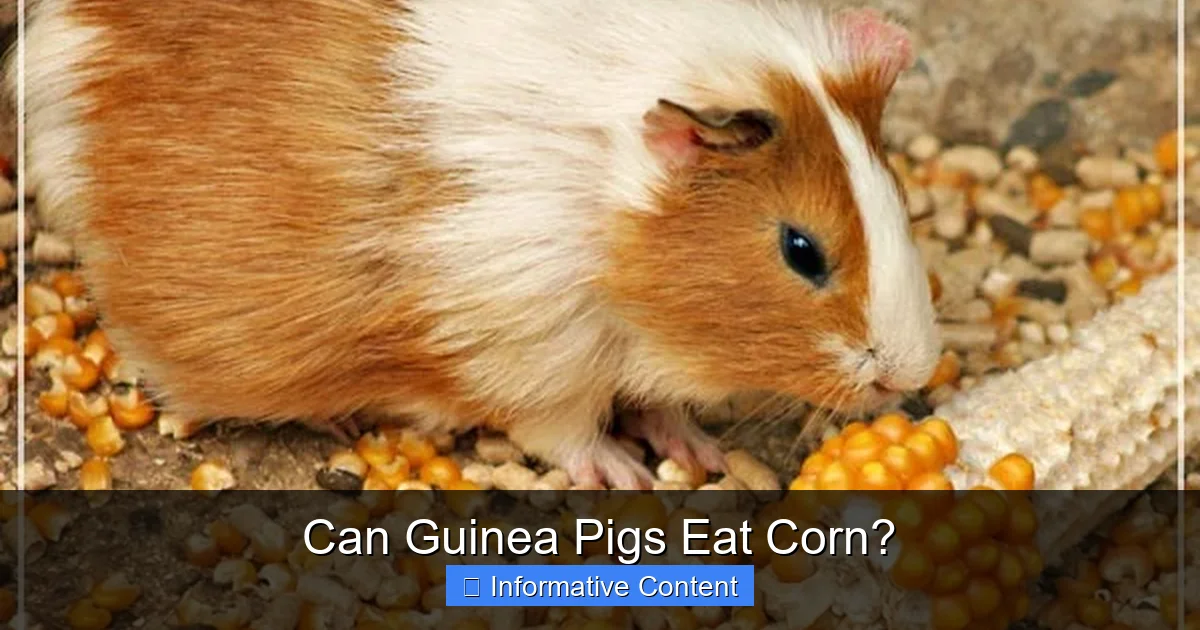
Visual guide about Can Guinea Pigs Eat Corn?
Image source: vivopets.com
- Unlimited Fresh Hay: This is the most important component. Timothy hay, orchard hay, or meadow hay should be available 24/7. It provides essential fiber for digestion and continuously grinds down their teeth.
- High-Quality Guinea Pig Pellets: Choose a brand specifically formulated for guinea pigs, high in fiber and Vitamin C, and without seeds, nuts, or sugary treats. Offer about 1/8 to 1/4 cup per adult guinea pig daily.
- Fresh, Clean Water: Always accessible in a sipper bottle or heavy ceramic bowl, changed daily.
Safe Veggies and Fruits
These are the stars when it comes to fresh foods for your guinea pig. They provide vital Vitamin C and a variety of other nutrients and hydration.
- Bell Peppers: Red, yellow, or orange bell peppers are fantastic sources of Vitamin C and can be given daily in small amounts.
- Leafy Greens: Romaine lettuce, green leaf lettuce, red leaf lettuce, and small amounts of parsley or cilantro are excellent. Avoid iceberg lettuce, which has little nutritional value and can cause diarrhea.
- Carrots: A popular treat, but offer sparingly (1-2 times a week) due to their higher sugar content.
- Cucumber: High in water, can be a refreshing treat in moderation.
- Zucchini: Another good option for hydration and nutrients.
- Broccoli Stems and Florets: In very small quantities, as too much can cause gas.
- Tomatoes: The fruit is safe, but avoid the stems and leaves as they are toxic. Offer in moderation due to acidity.
- Small Amounts of Fruit: Fruits like apple slices (no seeds!), berries, or melon can be offered as a very occasional treat (once or twice a week) due to their high sugar content.
Introducing New Foods
When introducing any new food to your guinea pig, whether it’s a new vegetable or a corn husk, always do so slowly and in very small quantities. Monitor your pet for any changes in appetite, stool consistency, or behavior. If you notice any signs of digestive upset, discontinue the food immediately. It’s always a good idea to consult with your veterinarian if you have concerns about your guinea pig’s diet or health.
Conclusion
So, can guinea pigs eat corn? The bottom line is that while fresh corn *husks* and *silk* can be offered in small, plain, and clean portions as an occasional fibrous treat, fresh corn *kernels* are best avoided due to their high sugar and starch content, low Vitamin C, and potential choking hazards. Absolutely steer clear of cooked, canned, frozen, or any processed corn products, as these are harmful and dangerous for your little friend.
Prioritizing your guinea pig’s core diet of unlimited fresh hay, high-quality pellets, and a variety of guinea pig-safe fresh vegetables is the most important step you can take for their health and happiness. By understanding their unique dietary needs and making informed choices, you’ll ensure your beloved cavy lives a long, healthy, and vibrant life. Always consult your vet if you have any lingering doubts about what to feed your precious pet. Your guinea pig relies on you to make the best dietary decisions for them!
Frequently Asked Questions
Is corn a good source of Vitamin C for guinea pigs?
No, fresh corn kernels are not a good source of Vitamin C, which is an essential nutrient guinea pigs must get from their diet to prevent scurvy. There are much better sources like bell peppers.
Can baby guinea pigs eat corn?
It is even more critical to avoid corn kernels for baby guinea pigs. Their digestive systems are more delicate, and they need to establish a healthy diet of hay and pellets without introducing problematic high-sugar, high-starch foods.
What should I do if my guinea pig accidentally eats corn kernels?
If your guinea pig accidentally eats a small amount of fresh corn kernels, monitor them closely for any signs of digestive upset like lethargy, diarrhea, or loss of appetite. If you notice any concerning symptoms, contact your veterinarian immediately.
How often can I give my guinea pig corn husks?
Corn husks should be considered an occasional treat. Offering a small piece once or twice a week is generally acceptable. Always ensure they are fresh, clean, and organic if possible.
Are there any corn products that are safe for guinea pigs?
No, aside from the fresh, plain corn husks and silk, no other corn products are safe for guinea pigs. This includes cooked corn, canned corn, frozen corn, popcorn, or any human corn-based snacks.
What are better alternatives to corn for guinea pigs?
Much better alternatives include a wide variety of fresh vegetables like bell peppers (especially red and yellow), romaine lettuce, cilantro, parsley, cucumber, zucchini, and small amounts of carrots. These offer essential nutrients and fiber.