Yes, guinea pigs can eat cabbage, but only in moderation and prepared correctly. Cabbage offers beneficial Vitamin C and fiber, but its high calcium content and potential for causing gas mean it should be given as an occasional treat, not a staple. Always introduce new foods slowly and observe your guinea pig for any adverse reactions to ensure their well-being.
Contents
- Can Guinea Pigs Eat Cabbage?
- Key Takeaways
- Quick Answers to Common Questions
- 📑 Table of Contents
- Understanding Guinea Pig Dietary Needs: The Foundation of Health
- Cabbage Varieties: What’s Safe and What to Consider?
- The Nutritional Benefits of Cabbage for Guinea Pigs
- Potential Risks and Downsides of Feeding Cabbage
- How to Safely Introduce and Feed Cabbage to Your Guinea Pig
- Cabbage in a Balanced Diet: Alternatives and Complements
- Conclusion: Cabbage as a Cautionary Treat
- Frequently Asked Questions
- Is cabbage a good source of Vitamin C for guinea pigs?
- Can cabbage cause bladder stones in guinea pigs?
- What are the signs of gas or bloating in guinea pigs?
- Should I remove the core of the cabbage before feeding it to my guinea pig?
- Are there any guinea pigs that should absolutely not eat cabbage?
- What are better alternatives to cabbage for daily greens?
Can Guinea Pigs Eat Cabbage?
Bringing a new guinea pig into your home is an exciting journey filled with adorable squeaks, popcorning antics, and endless questions about their care. One of the most common topics that often pops up for new and experienced guinea pig parents alike revolves around diet. What can these little herbivores eat to stay happy and healthy? Their diet is crucial for their well-being, and understanding which fresh vegetables are safe and beneficial is key.
You might be standing in the kitchen, preparing dinner, with a head of cabbage on the counter, and your furry friend eyeing it curiously from their cage. It’s natural to wonder, “Can guinea pigs eat cabbage?” This is a great question, as not all human foods are suitable for our small companions. The answer, like many things in pet care, isn’t a simple yes or no. It comes with important caveats, careful considerations, and strict guidelines to ensure your guinea pig’s health and happiness.
Let’s dive deep into the world of cabbage and guinea pigs. We’ll explore the nutritional aspects of cabbage, discuss the potential benefits and risks, and provide you with all the practical tips you need to safely introduce this leafy green to your piggy’s diet – or decide if it’s best to skip it altogether. Your guinea pig’s digestive system is delicate, so understanding the ins and outs of their diet is paramount.
Key Takeaways
- Moderation is Crucial: While guinea pigs can eat cabbage, it must be given in small quantities and infrequently due to its potential to cause gas and its calcium content.
- Nutritional Benefits: Cabbage is a good source of Vitamin C, an essential nutrient for guinea pigs, and also provides fiber and hydration.
- Potential Risks: The main concerns are gastrointestinal upset (gas and bloating) and, if fed excessively, an increased risk of bladder stones due to its calcium content.
- Variety Matters: Cabbage should be part of a diverse diet of fresh vegetables, never the sole source of greens, to ensure balanced nutrition and reduce risks.
- Proper Preparation: Always wash cabbage thoroughly to remove pesticides and chop it into small, manageable pieces to prevent choking.
- Introduce Slowly: When feeding cabbage for the first time, offer a very small piece and monitor your guinea pig closely for any signs of digestive discomfort or changes in behavior.
- Choose the Right Type: Green and Savoy cabbage are generally preferred over red cabbage due to potentially lower oxalate levels, but all types should be fed cautiously.
Quick Answers to Common Questions
Can baby guinea pigs eat cabbage?
It’s generally recommended to avoid feeding cabbage to baby guinea pigs. Their digestive systems are even more sensitive than adults, making them more susceptible to gas and bloating. Stick to hay, pellets, and very small amounts of easily digestible greens like romaine lettuce for young guinea pigs.
How often can guinea pigs eat cabbage?
Guinea pigs can eat cabbage very infrequently. It should be considered an occasional treat, offered no more than once or twice a week, and always in very small portions.
What type of cabbage is best for guinea pigs?
Green cabbage, Savoy cabbage, and especially Napa cabbage (Chinese cabbage) are generally preferred due to potentially lower oxalate levels and milder characteristics. Red cabbage can also be given, but all types require strict moderation due to the risk of gas.
What should I do if my guinea pig gets gas from eating cabbage?
If you suspect your guinea pig has gas from eating cabbage (e.g., distended belly, lethargy, loss of appetite), stop feeding cabbage immediately. Offer unlimited hay and ensure they are drinking water. If symptoms are severe or persist, contact your vet immediately, as gastrointestinal stasis is a medical emergency.
Can guinea pigs eat cooked cabbage?
No, guinea pigs should only eat raw vegetables. Cooked vegetables lose many of their beneficial nutrients, and the cooking process can change their structure, making them harder for a guinea pig’s digestive system to process. Stick to fresh, raw cabbage if you choose to offer it.
📑 Table of Contents
- Understanding Guinea Pig Dietary Needs: The Foundation of Health
- Cabbage Varieties: What’s Safe and What to Consider?
- The Nutritional Benefits of Cabbage for Guinea Pigs
- Potential Risks and Downsides of Feeding Cabbage
- How to Safely Introduce and Feed Cabbage to Your Guinea Pig
- Cabbage in a Balanced Diet: Alternatives and Complements
- Conclusion: Cabbage as a Cautionary Treat
Understanding Guinea Pig Dietary Needs: The Foundation of Health
Before we talk specifically about cabbage, it’s essential to grasp the fundamental dietary requirements of guinea pigs. These small rodents are herbivores with very specific needs, primarily centered around a high-fiber diet. Getting their diet right is the cornerstone of preventing many common health issues.
Hay is King: The Unquestionable Staple
The most important component of any guinea pig’s diet is an unlimited supply of fresh hay. Timothy hay, orchard hay, or similar grass hays should always be available. Hay provides the essential fiber needed for healthy digestion and also helps to wear down their continuously growing teeth, preventing painful dental problems. Without enough hay, guinea pigs can suffer from digestive stasis, dental overgrowth, and other serious health issues.
Daily Pellets: The Balanced Supplement
In addition to hay, guinea pigs should receive a small amount of high-quality, plain guinea pig pellets daily. Look for pellets that are specifically formulated for guinea pigs, high in fiber, and fortified with Vitamin C. Avoid muesli-style mixes that contain seeds, nuts, or dried fruits, as these can lead to selective eating and nutritional deficiencies. A quarter cup per adult guinea pig per day is usually sufficient.
Fresh Vegetables and Fruits: The Vitamin Boost
This is where cabbage comes into play! Fresh vegetables are vital for guinea pigs, providing essential vitamins, minerals, and hydration. They are also a primary source of Vitamin C, which guinea pigs cannot produce on their own and must obtain from their diet to prevent scurvy. A variety of safe vegetables should be offered daily. Fruits can be given in very small amounts as occasional treats due to their higher sugar content.
Fresh Water: Always Available
Last but not least, guinea pigs need constant access to fresh, clean water, preferably in a sipper bottle with a metal spout. The water should be changed daily, and the bottle cleaned regularly to prevent bacterial growth.
Cabbage Varieties: What’s Safe and What to Consider?
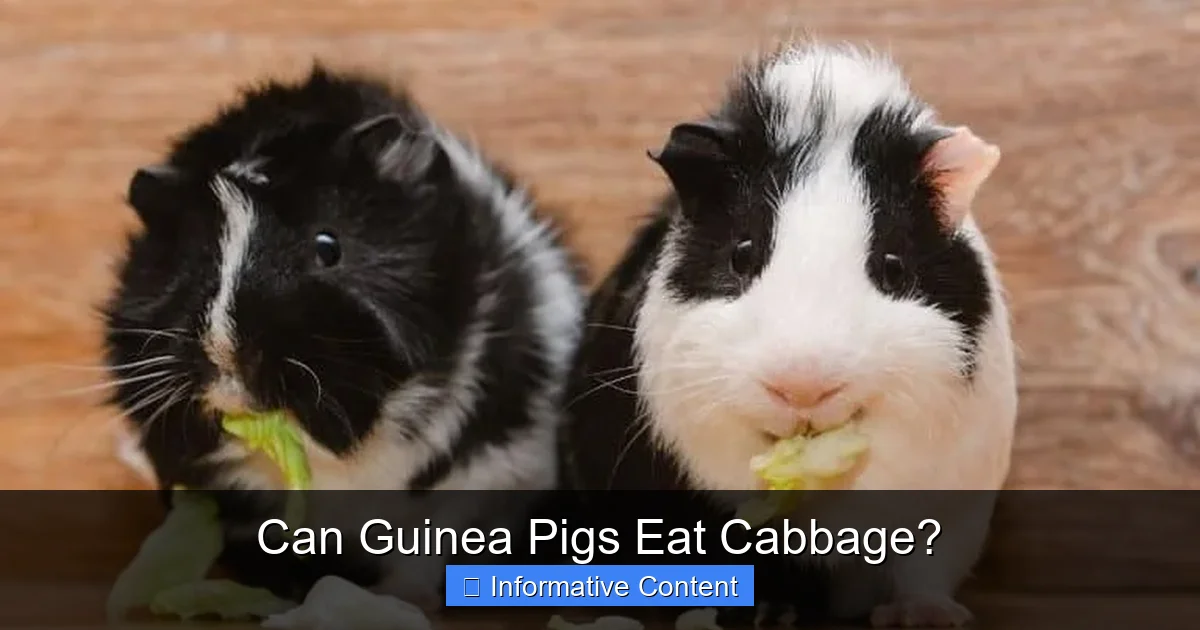
Visual guide about Can Guinea Pigs Eat Cabbage?
Image source: guineapig101.com
When we talk about cabbage, we’re actually referring to a few different varieties, each with slightly different nutritional profiles. So, “Can guinea pigs eat cabbage?” also depends on *which* cabbage you’re considering.
Green Cabbage: The Common Choice
Green cabbage is perhaps the most common type you’ll find. It’s rich in Vitamin C and fiber. When given in very small amounts, it can be a part of a guinea pig’s varied diet. However, it’s also known for its potential to cause gas, which is the primary concern for guinea pigs due to their delicate digestive systems.
Red Cabbage: Antioxidant Rich
Red cabbage shares many of the nutritional benefits of green cabbage but boasts additional antioxidants, which give it its vibrant color. It also contains Vitamin C and fiber. Like green cabbage, it can potentially cause gas and should be offered sparingly. Some sources suggest red cabbage might have slightly higher oxalate levels than green, making moderation even more important.
Savoy Cabbage: A Softer Option
Savoy cabbage has a crinkly, looser leaf structure and a milder flavor than green or red cabbage. It’s often considered a slightly softer and potentially less “gassy” option, but this isn’t a guarantee. It still contains similar nutritional components and should be introduced and fed with the same caution as other types of cabbage.
Napa Cabbage (Chinese Cabbage): Milder and Often Preferred
Napa cabbage, also known as Chinese cabbage, is often considered one of the safer cabbage varieties for guinea pigs. It has a milder flavor and a softer texture than traditional green or red cabbage. It is generally thought to be less likely to cause gas and bloating. While still needing to be fed in moderation, many owners find it to be a slightly better option if they choose to include cabbage in their guinea pig’s diet.
Regardless of the variety, the golden rule remains: moderation and observation are key when deciding if your guinea pig can eat cabbage.
The Nutritional Benefits of Cabbage for Guinea Pigs
Despite the concerns, cabbage isn’t entirely without its merits for guinea pigs. When given appropriately, it can offer some beneficial nutrients.
Vitamin C Powerhouse
As mentioned earlier, guinea pigs cannot synthesize their own Vitamin C, making it an essential dietary component. Cabbage, especially fresh, is a good source of this vital vitamin. Vitamin C is critical for immune function, collagen production (which helps maintain healthy skin, joints, and gums), and overall health. A deficiency can lead to scurvy, a serious and potentially fatal condition.
Fiber for Digestion
Like all leafy greens, cabbage contains dietary fiber. While hay is the primary source of fiber, supplementing with fibrous vegetables helps maintain a healthy digestive tract, promotes regular bowel movements, and contributes to satiety.
Hydration Boost
Cabbage has a high water content, which contributes to your guinea pig’s daily hydration. While water bottles are essential, getting additional moisture from fresh vegetables can be beneficial, especially for picky drinkers or in warmer weather.
Variety and Enrichment
Introducing a variety of safe vegetables adds interest and enrichment to your guinea pig’s diet. Different textures and flavors can stimulate their appetite and provide mental stimulation, making meal times more enjoyable.
Potential Risks and Downsides of Feeding Cabbage
While it has its benefits, the reason “Can guinea pigs eat cabbage?” is a cautious question lies in its potential downsides. These risks are why most vets and experienced owners recommend it only as an occasional treat.
Bloating and Gas: The Primary Concern
This is the biggest worry with cabbage. Cabbage, along with other cruciferous vegetables (like broccoli and cauliflower), contains compounds that can produce gas during digestion. Guinea pigs have a very sensitive digestive system and cannot easily expel gas. Excessive gas can lead to painful bloating (gastrointestinal stasis), which is a serious and potentially life-threatening condition for them. Symptoms include a distended abdomen, lethargy, loss of appetite, and difficulty breathing.
Calcium Content and Bladder Stones
Cabbage contains calcium. While calcium is necessary for strong bones and teeth, too much dietary calcium can be problematic for guinea pigs. They are prone to developing bladder stones (urolithiasis), which are painful and often require surgery. Foods high in calcium should be fed in strict moderation, especially for guinea pigs with a history of urinary issues. Compared to other greens, cabbage is not exceedingly high in calcium, but regular feeding in large quantities could contribute to the problem.
Pesticides and Contaminants
Like all fresh produce, cabbage can carry pesticide residues or other contaminants from soil and handling. It is absolutely crucial to thoroughly wash any cabbage (or other vegetable) you intend to feed your guinea pig to remove these harmful substances. Organic cabbage can reduce pesticide exposure but still needs washing.
Oxalates: A Minor Consideration
Cabbage contains oxalates, though generally not in levels as high as some other greens like spinach or parsley. In very large quantities, oxalates can bind with calcium, potentially contributing to kidney or bladder stones in susceptible individuals. However, for cabbage fed in moderation, this is usually a lesser concern than the gas and general calcium content.
How to Safely Introduce and Feed Cabbage to Your Guinea Pig
If you decide that the benefits outweigh the risks for your guinea pig and you wish to offer cabbage, here’s how to do it safely and responsibly.
Start Small and Introduce Slowly
The golden rule for any new food! Offer a tiny piece, no bigger than your thumbnail, to your guinea pig. This allows their digestive system to adjust and helps you monitor for any adverse reactions. Do not introduce other new foods at the same time.
Preparation is Key: Wash and Chop
Thoroughly wash the cabbage under cold running water to remove dirt, pesticides, and waxes. Peel off any outer leaves that look bruised or excessively dirty. Chop the cabbage into small, manageable pieces to prevent choking. Remove any tough central core or stalk, as these can be harder to digest.
Portion Control: Less is More
For an adult guinea pig, a safe portion size for cabbage is about a small, torn piece roughly the size of a postage stamp or a quarter. This is not a food that should be given in large amounts like bell peppers or romaine lettuce.
Frequency: An Occasional Treat
Cabbage should be considered an occasional treat, not a daily staple. Offering it once or twice a week, at most, is generally recommended. Always rotate it with a variety of other safe vegetables to ensure a balanced intake of nutrients and minimize risks.
Observe Your Piggy Closely
After feeding cabbage, monitor your guinea pig for the next 12-24 hours. Look for any signs of discomfort:
- Bloating or a distended abdomen
- Reduced appetite or refusing to eat
- Lethargy or reduced activity
- Changes in stool consistency (diarrhea or very small, hard poops)
- Changes in behavior, such as hunching over or teeth grinding (signs of pain)
If you notice any of these symptoms, discontinue feeding cabbage immediately and consult your veterinarian.
Cabbage in a Balanced Diet: Alternatives and Complements
Remember, the goal is always a varied and balanced diet for your guinea pig. Cabbage can be a very minor part of that, but there are many other excellent options.
Other Safe Veggies to Rotate
There’s a vast array of safe and healthy vegetables that guinea pigs can enjoy daily:
- Bell Peppers (all colors): Excellent source of Vitamin C, a daily must-have.
- Romaine Lettuce: Good base green, provides hydration and fiber. Avoid iceberg lettuce (low nutritional value).
- Cucumber: High in water, great for hydration, low in calories.
- Carrots: Small amounts as a treat due to sugar content, good source of Vitamin A.
- Celery: Cut into small pieces to avoid stringy bits, good for fiber.
- Zucchini: Another good, hydrating vegetable.
- Parsley (curly and flat-leaf): Good source of Vitamin C, but also high in calcium, so feed in moderation.
- Cilantro: Well-loved by many piggies, good source of Vitamin C.
- Dandelion Greens (from pesticide-free areas): Natural and nutritious, but high in calcium, so feed sparingly.
- Small amounts of kale or spinach: High in calcium and oxalates, very strict moderation.
Aim for at least one cup of mixed fresh vegetables per guinea pig per day, with the majority being leafy greens like romaine and a small portion of other options.
What to Avoid Entirely
Some foods are toxic or dangerous for guinea pigs and should never be offered:
- Onions, garlic, chives, leeks (alliums)
- Avocado
- Chocolate
- Rhubarb
- Iceberg lettuce (low nutritional value, can cause diarrhea)
- Potato leaves/skins
- Tomato leaves/stems (the fruit itself is okay in very small amounts, but remove seeds)
- Seeds, nuts, corn kernels, dried fruits (choking hazards, high in fat/sugar)
- Dairy products, meat products
- Any processed human foods
The Importance of a Varied Diet
A diverse diet not only ensures a broad spectrum of nutrients but also makes mealtime more exciting for your guinea pig. Rotating vegetables minimizes the risk of over-consuming any single nutrient (like calcium) and reduces the likelihood of developing a preference for only one type of food. Think of it like building a balanced meal for yourself – a little bit of everything in the right proportions.
Conclusion: Cabbage as a Cautionary Treat
So, can guinea pigs eat cabbage? The answer is a qualified “yes,” but it comes with a big emphasis on caution and moderation. While cabbage offers valuable Vitamin C and fiber, its potential to cause uncomfortable and even dangerous gas, along with its calcium content, means it should never be a staple in your guinea pig’s diet.
Think of cabbage as an occasional, tiny treat, offered perhaps once or twice a week, always well-washed and chopped, and always introduced slowly. Prioritize unlimited fresh hay, high-quality pellets, and a wide variety of guinea pig-safe, lower-risk fresh vegetables like bell peppers and romaine lettuce. Always be vigilant and observe your guinea pig for any signs of digestive upset after introducing new foods. When in doubt, it’s always better to opt for a safer, more tried-and-true vegetable option. Your guinea pig’s health and comfort should always be your top priority!
Frequently Asked Questions
Is cabbage a good source of Vitamin C for guinea pigs?
Yes, cabbage is a decent source of Vitamin C, which is crucial for guinea pigs as they cannot produce it themselves. However, due to other potential issues like gas and calcium, it’s not the primary recommended source; bell peppers are often a better daily option for Vitamin C.
Can cabbage cause bladder stones in guinea pigs?
Cabbage contains calcium, and while not excessively high, frequent or large amounts could contribute to the formation of bladder stones in susceptible guinea pigs. This is why moderation is key, especially for guinea pigs with a history of urinary issues.
What are the signs of gas or bloating in guinea pigs?
Signs of gas or bloating in guinea pigs include a hard, distended abdomen, lethargy, hunched posture, loss of appetite, difficulty breathing, and refusal to move. These are serious symptoms that require immediate veterinary attention.
Should I remove the core of the cabbage before feeding it to my guinea pig?
Yes, it’s a good practice to remove the tough central core or stalk of the cabbage. These parts can be harder for guinea pigs to chew and digest, increasing the risk of choking or digestive upset.
Are there any guinea pigs that should absolutely not eat cabbage?
Guinea pigs with a history of digestive problems, bladder stones, or those that are prone to gas should generally avoid cabbage altogether. It’s best to consult your vet if your guinea pig has any existing health conditions before introducing new foods.
What are better alternatives to cabbage for daily greens?
Much safer and more suitable daily greens include romaine lettuce, green leaf lettuce, red leaf lettuce, bell peppers (for Vitamin C), cilantro, and small amounts of parsley. These options generally pose less risk of gas or high calcium compared to cabbage.