
Yes, guinea pigs can eat apples, but only in strict moderation and as an occasional treat. While apples offer beneficial vitamins and fiber, their high sugar and acidic content can lead to digestive issues and dental problems if overfed. Always remove seeds and core, and introduce new foods slowly to ensure your guinea pig’s safety and well-being.
Contents
- Can Guinea Pigs Eat Apples?
- Key Takeaways
- Quick Answers to Common Questions
- 📑 Table of Contents
- The Nutritional Profile of Apples for Guinea Pigs
- The Benefits of Apples for Guinea Pigs (in moderation)
- Risks and Concerns: Why Moderation is Key
- How to Safely Feed Apples to Your Guinea Pig
- Alternative Fruits and Vegetables for Guinea Pigs
- Conclusion
- Frequently Asked Questions
- Are apples a good source of Vitamin C for guinea pigs?
- Can apple cause diarrhea in guinea pigs?
- Is it safe for guinea pigs to eat the apple core?
- How often can I give my guinea pig apple as a treat?
- What are some safer fruit alternatives to apples for guinea pigs?
- Should I wash apples before feeding them to my guinea pig?
Can Guinea Pigs Eat Apples?
As a loving guinea pig owner, you’re always looking for ways to spoil your tiny companion. Offering fresh fruits and vegetables is a wonderful way to enrich their diet and provide essential nutrients. But with so many options available, it’s natural to wonder about specific foods. One fruit that often sparks curiosity is the apple. We all know how good an apple can be for us humans, but can guinea pigs eat apples too?
The short answer is yes, guinea pigs can eat apples, but there’s a big caveat: they should only be given in very strict moderation and as an occasional treat. While apples offer some great nutritional benefits, they also come with a few potential downsides that make them unsuitable as a regular part of your guinea pig’s diet. Understanding the balance between the good and the not-so-good is key to keeping your beloved cavy healthy and happy. Let’s dive deeper into the world of apples for guinea pigs, exploring their nutritional value, potential risks, and the best ways to prepare and serve them safely.
Key Takeaways
- Moderation is Crucial: Apples are high in sugar and acid; feed only as an occasional treat, not a daily staple.
- Remove Seeds and Core: Apple seeds contain trace amounts of cyanide, which is toxic. The core can also be a choking hazard. Always remove them completely.
- Small Portions: Offer only a tiny slice (about a quarter-sized piece) of apple, no more than once or twice a week.
- Nutritional Benefits: Apples provide some Vitamin C, dietary fiber, and antioxidants, contributing to overall health when given sparingly.
- Monitor for Reactions: Introduce apples slowly and observe your guinea pig for any signs of digestive upset, diarrhea, or discomfort.
- Wash Thoroughly: Always wash apples meticulously under running water to remove pesticides, waxes, and any dirt before offering them to your pet.
- Variety is Best: While apples are an acceptable treat, a varied diet of hay, fresh leafy greens, and appropriate pellets remains the cornerstone of a healthy guinea pig’s diet.
Quick Answers to Common Questions
Can guinea pigs eat apple skin?
Yes, guinea pigs can eat apple skin, as it contains beneficial fiber. However, ensure it is thoroughly washed to remove any pesticides or waxes. Some owners prefer to peel apples to be extra safe.
Are apple seeds poisonous to guinea pigs?
Yes, apple seeds contain trace amounts of cyanide, which is toxic to guinea pigs. It is crucial to always remove all seeds from the apple before offering any portion to your pet.
How much apple can a guinea pig eat?
A guinea pig should only eat a very small slice of apple, roughly the size of your thumbnail or a quarter. This is considered a rare treat, given no more than once or twice a week.
Can guinea pigs eat green apples like Granny Smith?
Yes, guinea pigs can eat green apples like Granny Smith, but in the same strict moderation as other apple varieties. While they might be slightly less sweet, they are still acidic and contain sugar.
What happens if a guinea pig eats too much apple?
If a guinea pig eats too much apple, they may experience digestive upset such as gas, bloating, diarrhea, or soft stools due to the high sugar and acid content disrupting their delicate gut flora.
📑 Table of Contents
The Nutritional Profile of Apples for Guinea Pigs
Apples are a popular fruit worldwide, known for their crisp texture and sweet taste. They contain a range of vitamins and minerals that can be beneficial. However, when considering apples for guinea pigs, it’s important to look at these components through the lens of a small herbivore’s specific dietary needs.
Vitamin C Powerhouse (but not enough for daily needs)
One of the most well-known benefits of apples is their Vitamin C content. Guinea pigs, much like humans, cannot produce their own Vitamin C and must obtain it from their diet. A deficiency in Vitamin C can lead to scurvy, a serious condition for cavies. While apples do contain Vitamin C, the amount isn’t high enough to meet a guinea pig’s daily requirements. Therefore, while a small apple slice contributes, it shouldn’t be relied upon as their primary source of this vital vitamin. Fresh leafy greens like bell peppers and kale are much better daily sources.
Fiber for Digestion
Apples are a good source of dietary fiber. Fiber is crucial for a guinea pig’s digestive system, helping to keep things moving smoothly and preventing issues like constipation. The roughage in apple skin, in particular, can be beneficial. However, excessive amounts of fiber from sugary fruits can also lead to an imbalance in their delicate gut flora. Timothy hay should always be the primary source of fiber for guinea pigs, making up about 80% of their diet.
Sugars and Acids: The Double-Edged Sword
This is where the moderation warning for apples really comes into play. Apples are naturally high in sugar. While natural, sugar is still sugar, and too much can cause significant problems for guinea pigs. Their digestive systems are not designed to process large amounts of sugar. High sugar intake can lead to weight gain, diabetes, and disruptions in their gut microbiome, resulting in diarrhea or other digestive upsets. Additionally, apples are acidic. Too much acid can irritate a guinea pig’s mouth and digestive tract.
Water Content and Hydration
Apples have a high water content, which can contribute to your guinea pig’s hydration. For some cavies, particularly those who might not drink enough water, a small piece of apple can offer a little extra fluid. However, this should never replace access to fresh, clean water, which should always be available in their cage.
The Benefits of Apples for Guinea Pigs (in moderation)
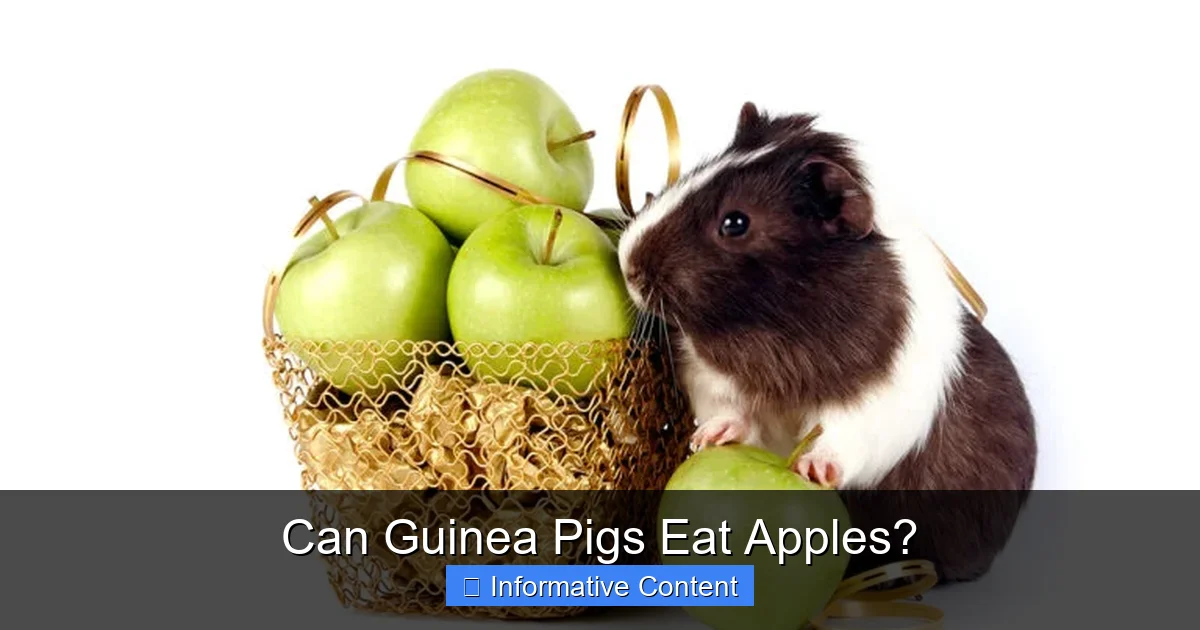
Visual guide about Can Guinea Pigs Eat Apples?
Image source: petsoid.com
Given their nutritional profile, when offered responsibly, apples can offer a few perks for your furry friend. Remember, we’re talking about a tiny treat, not a meal replacement.
A Welcome Dietary Enrichment
Imagine eating the same thing every day! Just like us, guinea pigs appreciate variety. A small slice of apple introduces new flavors and textures to their diet, making mealtime more interesting. This dietary enrichment can stimulate their minds and senses, contributing to their overall well-being. It’s a way to show them a little extra love.
Hydration Boost
As mentioned, the high water content in apples can provide a small boost in hydration. This is especially helpful during warmer weather or for guinea pigs who might be a bit finicky about drinking from their water bottle. Think of it as a small, refreshing snack.
Dental Health (Chewing)
Guinea pigs’ teeth grow continuously throughout their lives. Chewing on fibrous foods like hay is essential to wear them down and prevent painful dental problems. While a soft apple slice won’t do the job as effectively as hay, the act of chewing a crisp piece of apple does provide some minor dental exercise. However, the sugar content can be detrimental to teeth if given too often, so this benefit is minimal compared to the risks if overfed.
Antioxidants and Overall Wellness
Apples contain antioxidants, which are compounds that help protect cells from damage caused by free radicals. These can contribute to a guinea pig’s overall health and immune system function. While the amount they’d get from a tiny apple piece is small, every little bit can contribute to a healthy, happy life.
Risks and Concerns: Why Moderation is Key
Now that we’ve covered the good, let’s talk about the important reasons why apples must be given sparingly. Ignoring these risks can lead to serious health problems for your guinea pig.
High Sugar Content: A Major Concern
This is arguably the biggest reason for caution. The natural sugars in apples, though not “added sugars,” are still metabolized as sugar by your guinea pig’s body. Their digestive system is optimized for a low-sugar, high-fiber diet of mostly hay and fresh vegetables. Too much sugar can disrupt the delicate balance of beneficial bacteria in their gut, leading to painful gas, bloating, and diarrhea. Long-term, excessive sugar intake can contribute to weight gain, obesity, and even increase the risk of diabetes in cavies.
Acidity and Digestive Upset
Apples are acidic. While a little acidity is fine, too much can irritate your guinea pig’s mouth, leading to sores or discomfort. It can also upset their sensitive digestive system, contributing to loose stools or stomach pain. Always opt for less acidic varieties if possible, but even then, strict moderation is vital.
Choking Hazards: Seeds and Core
This is a critical safety point. Apple seeds contain trace amounts of cyanide, a toxic compound. While a single seed might not cause immediate harm, it’s best to avoid any risk. Always remove all seeds. The tough, fibrous core of an apple can also pose a choking hazard for small guinea pigs and is hard for them to digest. Never feed the core.
Pesticide Residue
Unless you’re sourcing organic apples, conventional apples are often treated with pesticides. These chemicals can be harmful to guinea pigs, even in small amounts. Always thoroughly wash any apple, organic or not, under running water before offering it to your pet. You might even consider peeling the apple, although the skin contains beneficial fiber. If you do peel it, make sure to still wash the fruit first.
Potential for Weight Gain and Diabetes
Due to the high sugar content, feeding apples too frequently or in large quantities can quickly lead to weight gain. Obese guinea pigs are prone to a host of health issues, including heart problems, joint pain, and reduced mobility. As with humans, consistent high sugar intake can also increase the risk of developing diabetes, a condition that is difficult to manage in small animals.
How to Safely Feed Apples to Your Guinea Pig
If you’ve decided to offer your guinea pig a tiny apple treat, follow these steps meticulously to ensure their safety and maximize the benefits while minimizing the risks.
Choosing the Right Apple
Opt for common, fresh apple varieties like Fuji, Gala, Honeycrisp, or Granny Smith. While Granny Smith apples are tarter and slightly less sugary than other types, all varieties still need to be given in moderation. Always choose firm, ripe apples without any visible signs of spoilage or mold.
Preparation is Key: Wash, Core, Seed, Slice
- Wash Thoroughly: Start by washing the entire apple under cool running water. Use your hands or a vegetable brush to scrub away any dirt, wax, or pesticide residues on the skin. This step is non-negotiable.
- Remove the Core and Seeds: Use an apple corer or a knife to carefully remove the entire core, ensuring no seeds are left behind. Apple seeds are toxic and must be completely removed.
- Slice into Small Pieces: Once cored and deseeded, cut a very small slice from the apple. We’re talking about a piece no bigger than a quarter, or even smaller for your guinea pig’s first time.
- Consider Peeling (Optional): While the skin contains fiber, some owners prefer to peel the apple to further reduce exposure to potential pesticides and make it easier for their guinea pig to chew. If you peel it, make sure to wash it first.
Portion Control: Less is More
When it comes to apples for guinea pigs, less is definitely more. A safe portion size is a very small slice, roughly the size of your thumbnail or a quarter. This tiny amount is enough to provide a taste without overwhelming their delicate digestive system.
Introduction and Monitoring
If your guinea pig has never had an apple before, introduce it slowly. Offer just a tiny sliver (even smaller than the quarter-sized piece) and observe them closely for the next 24-48 hours. Look for any signs of digestive upset, such as soft stools, diarrhea, reduced appetite, lethargy, or gas. If you notice any adverse reactions, discontinue feeding apples immediately. If they react well, you can stick to the small, occasional portion.
Frequency: An Occasional Treat
Apples should be considered an occasional treat, not a daily staple. Offering a tiny slice once or twice a week at most is a good guideline. Their primary diet should always consist of unlimited fresh timothy hay, a good quality guinea pig pellet, and a daily portion of fresh, appropriate vegetables.
Alternative Fruits and Vegetables for Guinea Pigs
While apples can be a fun treat, it’s important to remember they are just one small part of a varied and healthy diet. There are many other excellent options that can provide a wider range of nutrients with fewer risks.
Daily Veggies: The Foundation
Fresh vegetables should form a significant part of your guinea pig’s daily diet, offering essential Vitamin C and other nutrients.
- Bell Peppers (especially red, yellow, orange): Excellent source of Vitamin C.
- Leafy Greens: Romaine lettuce (not iceberg), green leaf lettuce, red leaf lettuce, small amounts of kale and parsley.
- Cucumber: High water content, good for hydration.
- Carrots: A good source of Vitamin A, but also high in sugar, so offer in moderation.
- Celery: Cut into small pieces to avoid stringy fibers becoming a choking hazard.
Other Safe Fruit Treats (also in moderation!)
Just like apples, other fruits should be given as occasional treats due to their high sugar content.
- Berries (strawberries, blueberries, raspberries): Small amounts, packed with antioxidants and Vitamin C.
- Melon (watermelon, cantaloupe, honeydew): High in water, refreshing in tiny amounts.
- Banana: Very high in sugar and calories, give only a tiny, thin slice once in a while.
What to Avoid Entirely
Some foods are toxic or very harmful to guinea pigs and should never be offered.
- Avocado: High in fat and can be toxic.
- Onions, Garlic, Leeks, Chives: Toxic and can cause blood disorders.
- Potatoes (especially green parts and sprouts): Toxic.
- Rhubarb: Toxic.
- Chocolate, Caffeine, Alcohol: Extremely toxic.
- Iceberg Lettuce: Lacks nutrients and can cause diarrhea.
- Dairy Products: Guinea pigs are lactose intolerant.
- Seeds and Pits from most fruits (e.g., cherry, peach, apricot): Contain cyanide.
Remember, always research new foods thoroughly before introducing them to your guinea pig’s diet. When in doubt, it’s always best to consult with a veterinarian experienced in exotic animals.
Conclusion
So, can guinea pigs eat apples? Yes, they can, but with careful consideration and strict adherence to safety guidelines. Apples can be a delightful and nutritious treat, offering a boost of Vitamin C, fiber, and hydration. However, their high sugar and acidic content, along with the dangers of seeds and cores, necessitate a very cautious approach.
Always remember that moderation is the golden rule. A tiny, cored, deseeded, and thoroughly washed slice of apple, offered once or twice a week, is plenty. Prioritize a diet rich in unlimited timothy hay, high-quality pellets, and a daily array of safe, fresh vegetables. By being mindful of what and how you feed your guinea pig, you can ensure they enjoy a diverse diet that supports their health and brings them joy. Your diligence in their diet contributes significantly to their long and happy life by your side!
Frequently Asked Questions
Are apples a good source of Vitamin C for guinea pigs?
While apples do contain some Vitamin C, the amount is not sufficient to meet a guinea pig’s daily requirements. Fresh bell peppers and certain leafy greens are much better and safer primary sources of this essential vitamin for cavies.
Can apple cause diarrhea in guinea pigs?
Yes, if given in too large a quantity or too frequently, the high sugar and acidic content of apples can easily upset a guinea pig’s sensitive digestive system, leading to gas, bloating, and diarrhea. This is why strict moderation is crucial.
Is it safe for guinea pigs to eat the apple core?
No, it is not safe for guinea pigs to eat the apple core. The core is fibrous and hard to digest, posing a potential choking hazard for small guinea pigs. Always remove the core along with the seeds.
How often can I give my guinea pig apple as a treat?
Apples should be considered a very occasional treat for guinea pigs. It is recommended to offer a tiny piece no more than once or twice a week, to avoid any potential digestive issues or sugar-related health problems.
What are some safer fruit alternatives to apples for guinea pigs?
Safer fruit alternatives, still given in moderation, include small pieces of strawberries, blueberries, raspberries, or melon. These also contain beneficial nutrients but should only be offered as occasional treats due to their sugar content.
Should I wash apples before feeding them to my guinea pig?
Absolutely, it is crucial to thoroughly wash apples under running water before offering them to your guinea pig. This helps remove any dirt, wax, and potentially harmful pesticide residues from the skin.