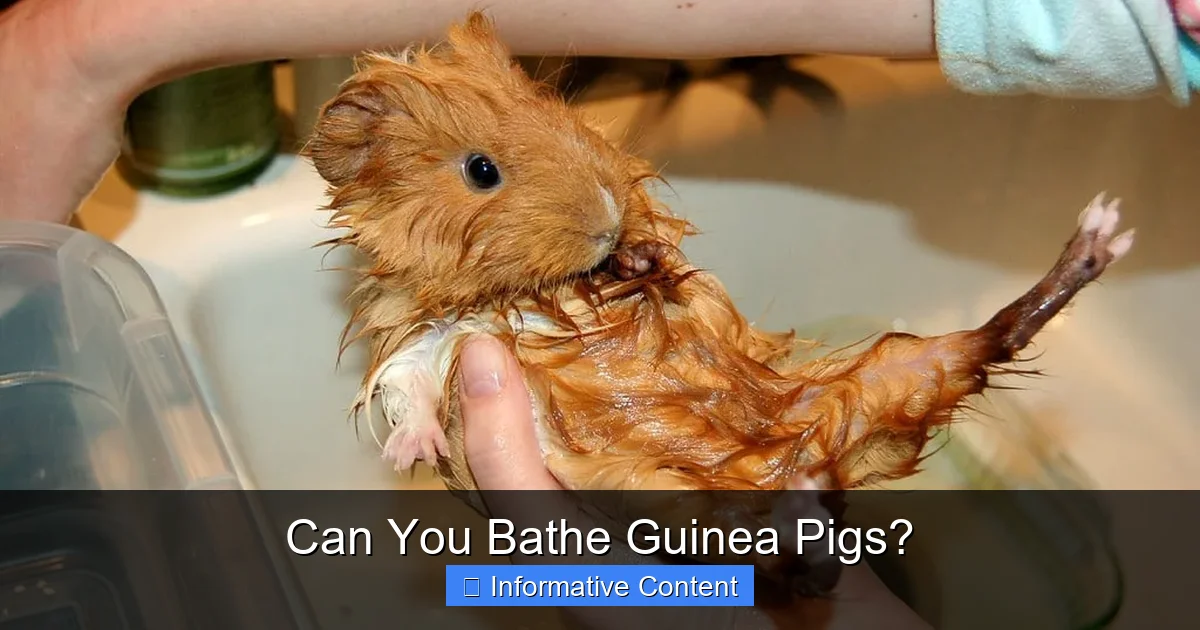
Most guinea pigs naturally keep themselves clean and do not require frequent baths. Bathing guinea pigs should generally be a rare event, reserved only for specific situations like extreme soiling or veterinarian-recommended treatments. When a bath is necessary, it’s crucial to follow specific safety guidelines to prevent stress, hypothermia, or skin issues, ensuring a gentle, quick process with the right guinea pig-specific products and thorough drying.
Contents
- Can You Bathe Guinea Pigs?
- Key Takeaways
- Quick Answers to Common Questions
- 📑 Table of Contents
- The General Rule: Less is More When It Comes to Bathing Guinea Pigs
- When a Bath IS Necessary: Specific Situations
- Preparing for Bath Time: Setting Up for Success
- The Step-by-Step Guinea Pig Bathing Process
- Post-Bath Care and Ongoing Hygiene
- Conclusion
- Frequently Asked Questions
- Do guinea pigs enjoy taking baths?
- What temperature should the bath water be for a guinea pig?
- Can I use human baby shampoo to bathe my guinea pig?
- How deep should the water be when bathing a guinea pig?
- What are the signs of a guinea pig getting too cold after a bath?
- My guinea pig is very long-haired. How often can I bathe them?
Can You Bathe Guinea Pigs?
It’s a question many new guinea pig parents ponder: “Can you bathe guinea pigs?” These adorable, vocal little companions bring so much joy into our lives, and naturally, we want to ensure they’re as clean and healthy as can be. But when it comes to bathing, the answer isn’t a simple yes or no. It’s more nuanced, hinging on understanding your guinea pig’s natural habits, their specific needs, and knowing when a bath is truly beneficial versus when it might cause more harm than good.
Unlike some pets, guinea pigs aren’t like dogs who might revel in a splash in the tub. These tiny critters are often quite sensitive to water and can become stressed very easily. Their delicate skin and fur require special consideration, and improper bathing can lead to a host of issues, from skin irritation to respiratory problems. So, while it’s possible to bathe guinea pigs, it’s something that should be done sparingly and with the utmost care. This article will guide you through everything you need to know, helping you keep your furry friend clean, safe, and happy.
Let’s dive into the world of guinea pig hygiene, exploring why most don’t need regular baths, when a bath becomes a necessity, and how to safely and gently bathe guinea pigs if the situation calls for it. We’ll cover everything from preparation to post-bath care, ensuring you’re well-equipped to make the best decisions for your beloved pet.
Key Takeaways
- Rarely Necessary: Most healthy guinea pigs are excellent self-groomers and do not need regular baths, as frequent bathing can strip their natural oils and cause stress.
- Specific Circumstances Only: Bathe guinea pigs only when absolutely necessary, such as for extreme soiling that spot cleaning can’t fix, a veterinarian’s recommendation for skin conditions, or for long-haired breeds prone to matted fur.
- Use Guinea Pig Specific Shampoo: Never use human shampoo or harsh soaps. Always opt for a mild, tearless shampoo specifically formulated for guinea pigs or small animals to protect their sensitive skin.
- Prioritize Safety and Comfort: Use shallow, lukewarm water in a secure basin. Keep the process quick and gentle, speaking in soothing tones to minimize stress for your guinea pig.
- Thorough Drying is Critical: Prevent hypothermia by carefully towel-drying your guinea pig immediately after the bath. For long-haired breeds, a low-heat hairdryer can be used cautiously, keeping it far from their skin.
- Spot Cleaning is Preferred: For minor messes, spot cleaning with a damp cloth or pet wipes is a much safer and less stressful alternative to a full bath.
- Consult a Vet: If you’re unsure whether your guinea pig needs a bath due to a health issue, or if you notice any skin problems, always consult your veterinarian first.
Quick Answers to Common Questions
How often should you bathe a guinea pig?
You should only bathe a guinea pig when absolutely necessary, which is typically very rarely. Most guinea pigs keep themselves clean through self-grooming.
What kind of shampoo should I use for a guinea pig?
Always use a mild, tearless shampoo specifically formulated for guinea pigs or other small animals. Never use human shampoo or harsh soaps.
Can guinea pigs get sick from baths?
Yes, guinea pigs can get sick from baths if they become stressed, chilled (hypothermia), or if water gets into their ears or nose, leading to ear infections or respiratory issues.
How do I dry a guinea pig after a bath?
Immediately after a bath, thoroughly towel-dry your guinea pig. For long-haired breeds, you can cautiously use a hairdryer on the lowest heat and fan setting, held far away from their body, until completely dry.
Is spot cleaning better than a full bath for guinea pigs?
Yes, spot cleaning is almost always preferred for minor messes. It’s less stressful and avoids the risks associated with a full bath for your guinea pig.
📑 Table of Contents
The General Rule: Less is More When It Comes to Bathing Guinea Pigs
Most healthy guinea pigs are incredibly clean animals. They spend a significant portion of their day meticulously grooming themselves, much like cats do. This natural instinct keeps their fur neat, their skin healthy, and generally eliminates the need for human intervention when it comes to bathing. Understanding their self-grooming habits is key to realizing why frequent baths are often unnecessary and potentially harmful.
Self-Grooming Masters: How Guinea Pigs Stay Clean
Guinea pigs have a natural knack for staying tidy. They use their front paws to comb through their fur, removing loose hairs, dirt, and debris. They even spread their natural oils, keeping their coats conditioned and waterproofed to a degree. This constant self-maintenance is usually enough to keep them pristine. They’re also social creatures, and you might often see them grooming each other, which further aids in maintaining their hygiene. Interrupting this natural process too often can actually do more harm than good.
The Risks of Frequent Bathing: Stress, Skin Issues, and Respiratory Problems
Bathing a guinea pig is not just about getting them wet; it’s an entire experience that can be quite traumatic for them. Guinea pigs are prey animals, and being handled, submerged in water, and towel-dried can trigger a strong flight-or-fight response. This stress can weaken their immune system, making them more susceptible to illness.
Beyond stress, there are physical risks. Frequent bathing can strip the natural oils from their skin and fur, leading to dry, flaky skin, irritation, or even fungal infections. If they aren’t dried thoroughly, they can quickly develop hypothermia, especially in cooler environments, which can be fatal. Water getting into their ears or nose can also lead to ear infections or respiratory problems. Therefore, the decision to bathe guinea pigs should never be taken lightly.
What About Spot Cleaning? The Preferred Alternative
For minor messes – a bit of food stuck in their fur, a smudge of urine, or a tiny bit of poop – spot cleaning is almost always the better option. You can use a damp cloth, a pet-friendly wipe, or a small amount of guinea pig-safe shampoo diluted in water applied with a cloth. Gently clean the affected area, then thoroughly dry it with a towel. This method is far less stressful for your guinea pig and avoids the risks associated with a full bath. It’s a quick, efficient, and guinea pig-approved way to address localized dirt without soaking your entire pet.
When a Bath IS Necessary: Specific Situations
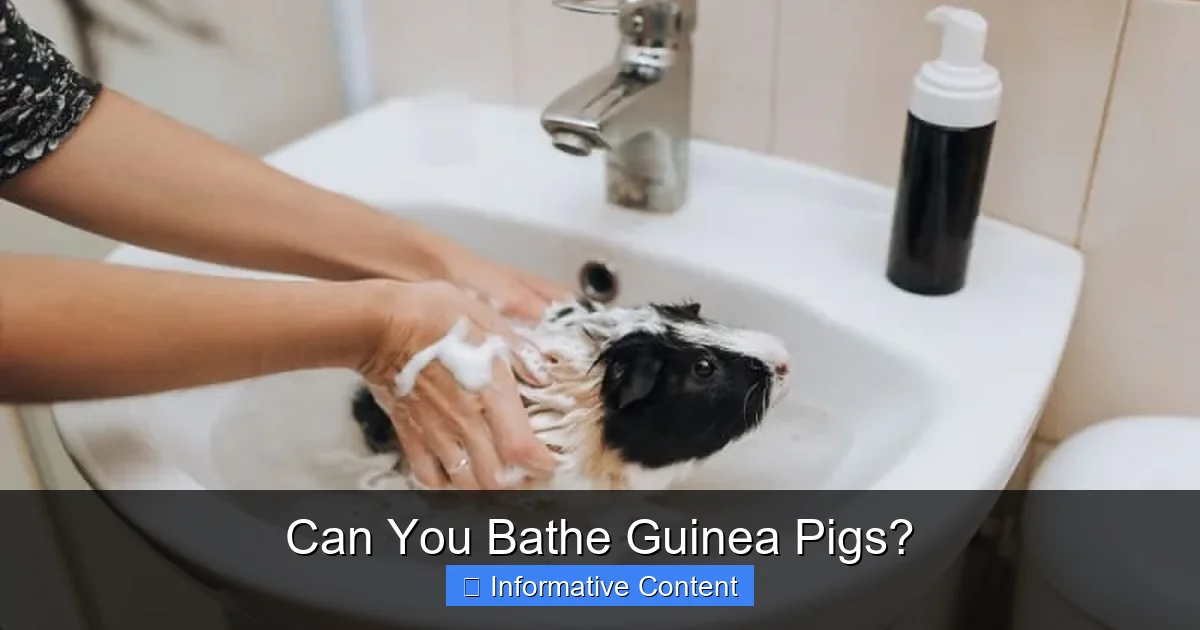
Visual guide about Can You Bathe Guinea Pigs?
Image source: other-peoples-pets.com
While we advocate for minimal bathing, there are indeed times when a bath for your guinea pig becomes essential. These situations are usually health-related or due to extreme soiling that spot cleaning simply cannot remedy. Knowing these specific circumstances is crucial for responsible guinea pig ownership.
Health Reasons: Mites, Fungi, or Post-Surgery Cleanup
Sometimes, a veterinarian might recommend bathing your guinea pig as part of a treatment plan. This could be for skin conditions like mites, ringworm (a fungal infection), or other dermatological issues where medicated shampoo is necessary. In these cases, your vet will provide specific instructions on the type of shampoo to use, how often to bathe, and the duration. Always follow veterinary advice precisely. Additionally, after certain surgeries, a guinea pig might need a gentle cleanup of the surgical area, again, under veterinary guidance.
Extreme Soiling: Poop, Urine, or Food Stuck to Fur
Despite their best efforts, sometimes guinea pigs get into a truly messy predicament. If their fur becomes heavily soiled with urine, feces, or sticky food that has dried and matted, and spot cleaning isn’t effective, a full bath might be the only way to clean them properly and prevent skin irritation or infection. This is particularly common around their bottom area, especially for older guinea pigs or those with mobility issues who might struggle with self-grooming.
Long-Haired Breeds: Special Grooming Needs
Long-haired guinea pig breeds, such as Peruvians, Silkies, and Shelties, often require more frequent grooming than their short-haired counterparts. Their long locks can easily become matted, tangled, or soiled, especially around their hindquarters. While daily brushing and regular trims are the primary solutions, some long-haired guinea pigs may occasionally need a full bath to keep their coats healthy and free from painful mats. Even then, the goal is to bathe guinea pigs of these breeds as infrequently as possible.
Older or Disabled Guinea Pigs
As guinea pigs age, or if they have certain disabilities, their ability to self-groom can diminish. Arthritis, dental problems, or other health conditions can make it difficult for them to reach all areas of their body. In these cases, owners might need to provide more assistance with hygiene, which could include occasional baths if their fur becomes persistently dirty or matted. Always handle older or disabled guinea pigs with extra gentleness and support during bathing.
Preparing for Bath Time: Setting Up for Success
If you’ve determined that bathing your guinea pig is necessary, the next step is preparation. A well-prepared environment and all your supplies at hand will make the process quicker, less stressful for your guinea pig, and easier for you. Remember, the goal is efficiency and safety.
Gathering Your Supplies: The Essential Checklist
Before you even think about getting your guinea pig wet, make sure you have everything ready. This prevents you from having to leave your guinea pig unattended, even for a second, during the bath.
- Guinea Pig-Specific Shampoo: This is non-negotiable. Do NOT use human shampoo, dish soap, or anything not formulated for small animals. A mild, tearless shampoo designed for guinea pigs or small pets is crucial.
- Two Small Towels: One for post-bath drying and another, slightly damp, to clean the basin if needed or to wrap them.
- A Small Basin or Sink: A clean plastic basin or a kitchen/utility sink with a non-slip mat (a small towel works too) at the bottom.
- Cup or Small Pitcher: For gently pouring water over your guinea pig.
- Cotton Balls: To gently plug their ears if you’re concerned about water getting in, though generally, careful pouring avoids this.
- Hairdryer (Optional, for long-haired breeds): Set to the lowest heat and fan setting, and used at a safe distance.
- Comb or Brush: For pre-bath detangling and post-bath grooming.
Choosing the Right Shampoo: Guinea Pig Specific Only!
We can’t stress this enough: only use shampoo specifically designed for guinea pigs or other small pets. Human shampoos, even “baby” ones, contain ingredients that can irritate a guinea pig’s sensitive skin, strip their natural oils, and cause dryness, itching, or allergic reactions. Pet stores or online retailers will have appropriate options. If your vet recommended a medicated shampoo, use only that one.
Creating a Safe Environment: Temperature and Location
Choose a warm, draft-free room for bathing. Guinea pigs are very susceptible to chills, so ensuring the room is comfortable is vital. The bathroom is often a good choice. Prepare the basin or sink by placing a non-slip mat or a small towel at the bottom. This provides traction for your guinea pig and helps them feel more secure. Fill the basin with just an inch or two of lukewarm water – think baby bath temperature, not hot, not cold. Too much water will overwhelm them.
The Step-by-Step Guinea Pig Bathing Process
With preparations complete, it’s time for the actual bath. Remember to stay calm and gentle throughout the process. Your demeanor will influence your guinea pig’s stress levels.
Gentle Handling and Reassurance
Before placing your guinea pig in the water, take a moment to speak to them calmly and reassuringly. Gently pick them up, supporting their body fully. It’s often helpful to have another person assist, one to hold and comfort the guinea pig, and one to do the washing.
The Shallow Water Method: Keeping it Safe
Carefully place your guinea pig into the prepared basin with the shallow, lukewarm water. Make sure their head and face stay completely out of the water. Only their body should be submerged. Some guinea pigs might try to climb out, so be ready to gently hold them in place. Continuously reassure them with your voice.
Applying and Rinsing Shampoo: A Gentle Touch
Apply a small amount of guinea pig shampoo to your hands, lather it slightly, and then gently massage it into your guinea pig’s fur, avoiding their face, eyes, and ears. Focus on the soiled areas. Use the cup or pitcher to very carefully pour water over their body to rinse the shampoo thoroughly. Make absolutely sure all shampoo is removed, as any residue can irritate their skin. Be extra cautious around their face; use a damp cloth to wipe their chin or cheeks if needed, rather than pouring water directly.
The Crucial Drying Phase: Preventing Hypothermia
Once rinsed, immediately lift your guinea pig out of the basin and wrap them snugly in one of the dry towels. Gently pat and rub them to absorb as much water as possible. This is the most critical step to prevent hypothermia. Change to the second dry towel if the first becomes too wet. For short-haired guinea pigs, thorough towel drying is usually sufficient.
For long-haired breeds, or if your guinea pig is still damp after towel drying, you can use a hairdryer set to the *lowest heat and fan setting*. Hold the hairdryer a good distance away from your guinea pig (at least 12-18 inches) and constantly move it around to avoid overheating any single spot. Continuously check the temperature with your hand to ensure it’s not too hot. Guinea pigs can overheat quickly, so caution is paramount. Continue drying until their fur is completely dry to the touch, paying special attention to areas close to their skin.
Post-Bath Care and Ongoing Hygiene
The bath doesn’t end when your guinea pig is dry. Post-bath care is just as important, and ongoing general hygiene is key to reducing the need for future baths.
Keeping Them Warm and Stress-Free
After the bath and drying, place your guinea pig back into their clean, dry cage, ensuring they have plenty of soft bedding and a warm hideaway. Offer them some fresh hay or a favorite treat to help them relax and recover from the ordeal. Monitor them closely for the next few hours to ensure they are warm, eating, and behaving normally. Any signs of shivering, lethargy, or loss of appetite warrant immediate attention.
Regular Brushing and Grooming (for all guinea pigs)
For most guinea pigs, especially long-haired breeds, regular brushing is far more important than bathing. Daily or weekly brushing helps remove loose hair, prevents mats, and keeps their coat clean and healthy. It’s also a great way to bond with your pet and allows you to check for any skin issues or parasites. For long-haired guinea pigs, consider regular trims of the fur around their hindquarters to prevent soiling.
Maintaining a Clean Cage Environment: The Best Prevention
The single most effective way to minimize the need to bathe guinea pigs is to keep their living environment meticulously clean. A clean cage means less chance of their fur becoming soiled with urine or feces. Spot clean their cage daily, removing soiled bedding and droppings. Perform a full cage clean at least once a week, washing all surfaces and replacing all bedding. Fresh, dry bedding is paramount for their health and hygiene.
Recognizing Signs of Discomfort or Illness
After a bath, or at any time, be vigilant for signs that your guinea pig might be uncomfortable or ill. These include:
- Shivering or Lethargy: Signs of hypothermia or general illness.
- Red or Irritated Skin: Could indicate sensitivity to shampoo or over-washing.
- Excessive Scratching: Might point to dry skin or a reaction.
- Changes in Breathing: Wheezing, sneezing, or difficulty breathing could indicate a respiratory infection.
If you notice any of these symptoms, contact your veterinarian immediately.
Conclusion
So, can you bathe guinea pigs? Yes, but only when absolutely necessary and always with extreme caution and care. For the vast majority of guinea pigs, a full bath is a rare event, best avoided in favor of spot cleaning and meticulous cage hygiene. Their natural grooming habits are usually sufficient to keep them clean and healthy.
When circumstances demand a bath—be it extreme soiling, a vet’s recommendation for a skin condition, or the specific needs of a long-haired breed—remember that preparation, gentleness, and thorough drying are your best tools. By understanding your guinea pig’s unique needs and prioritizing their comfort and safety, you can ensure they remain happy, healthy, and clean without unnecessary stress. When in doubt, always consult your veterinarian; they are your best resource for guiding your guinea pig’s health and hygiene decisions.
Frequently Asked Questions
Do guinea pigs enjoy taking baths?
Generally, no. Most guinea pigs find baths to be a stressful and frightening experience due to their prey animal instincts and sensitivity to water. Owners should aim to make the process as quick and gentle as possible.
What temperature should the bath water be for a guinea pig?
The bath water should be lukewarm, similar to what you would use for a baby. Test the water with your wrist to ensure it’s not too hot or too cold, as guinea pigs are sensitive to temperature changes.
Can I use human baby shampoo to bathe my guinea pig?
No, you should not use human baby shampoo. Even baby shampoos contain ingredients that can be irritating or harmful to a guinea pig’s delicate skin and strip their natural protective oils. Always use a shampoo specifically formulated for small animals.
How deep should the water be when bathing a guinea pig?
The water should be very shallow, only about 1-2 inches deep. This allows their body to get wet without submerging their head, which should always be kept above water to prevent aspiration and stress.
What are the signs of a guinea pig getting too cold after a bath?
Signs of a guinea pig getting too cold (hypothermia) include shivering, lethargy, reduced movement, or a cold body temperature. It’s crucial to dry them thoroughly and keep them warm after a bath to prevent this serious condition.
My guinea pig is very long-haired. How often can I bathe them?
Even for long-haired guinea pigs, baths should be infrequent, perhaps every few months if absolutely necessary due to matting or severe soiling that daily brushing and trimming can’t manage. Regular brushing and “butt trims” are usually more effective and less stressful than frequent full baths.