It’s a common fear, but the good news is that guinea pigs rarely, if ever, eat their babies. This myth often stems from mothers eating the afterbirth, a crucial and natural behavior for hygiene and nutrient recovery. While extreme stress or neglect *could* lead to abnormal behaviors, properly cared-for guinea pigs are generally excellent mothers who protect and nurture their young.
Welcome, fellow animal lovers! If you’re a guinea pig parent, or even just someone considering welcoming these adorable cavies into your home, you’ve likely encountered a few startling questions along the way. One of the most common, and frankly, quite unsettling, queries that pop up is: “Do guinea pigs eat their babies?” It’s a question that can send a shiver down any pet owner’s spine, conjuring images that are far from the cute, squeaky companions we know and love.
Let’s put your mind at ease right from the start. The short, reassuring answer is: *no, not typically*. True cannibalism in guinea pigs, where a mother intentionally consumes her healthy offspring, is an incredibly rare phenomenon, virtually unheard of in properly cared-for animals. This pervasive myth often arises from a misunderstanding of a completely natural, vital, and instinctual behavior that occurs immediately after birth. So, let’s dive deeper and uncover the truth behind this unsettling question, explore what actually happens during and after birth, and empower you with the knowledge to provide the best care for your furry family.
Contents
- Key Takeaways
- Quick Answers to Common Questions
- 📑 Table of Contents
- Understanding Guinea Pig Maternal Behavior: Nature’s Way
- When Things Go Wrong: Extremely Rare Exceptions
- Creating the Perfect Haven for a New Guinea Pig Mom
- Monitoring the New Family: When to Intervene
- Conclusion: Rest Easy, Guinea Pig Parents!
- Frequently Asked Questions
- Is it normal for a guinea pig mother to eat the afterbirth?
- Do guinea pig mothers abandon their babies?
- How soon after birth do guinea pig pups start eating solid food?
- Should I separate the father guinea pig from the mother after birth?
- How long do guinea pig babies stay with their mother?
- What does a healthy guinea pig pup look like after birth?
The Root of the Misconception: Eating the Afterbirth
The primary reason people might mistakenly believe that guinea pigs eat their babies stems from observing the mother immediately after giving birth. What she *does* eat is the afterbirth, also known as the placenta. This might look alarming to an unsuspecting human observer, but it’s a completely normal and necessary part of the birthing process for almost all mammal species, including guinea pigs.
When a guinea pig gives birth, each pup is delivered along with its own placenta. The mother will meticulously clean each newborn pup and, in doing so, will consume the placenta. This isn’t an act of aggression or cannibalism; it’s an instinctual behavior driven by several crucial factors.
Key Takeaways
- Myth vs. Reality: Guinea pigs almost never eat their babies. The fear often comes from observing the mother eating the afterbirth, which is normal and essential.
- Natural Maternal Behavior: Eating the afterbirth (placenta) is instinctual for guinea pig mothers. It helps clean the birthing area, prevent predators from being attracted, and replenish vital nutrients lost during labor.
- Excellent Mothers: Generally, guinea pig mothers are attentive and protective. They clean their pups immediately, help them nurse, and guide them.
- Stress Factors: Extreme stress, lack of privacy, poor nutrition, or feeling threatened can, in very rare and unusual circumstances, lead to a mother neglecting or harming her pups. However, true cannibalism is virtually unheard of.
- Creating a Safe Environment: Provide a quiet, private, clean, and spacious birthing area with plenty of food, water, and nesting material to reduce stress for the expectant mother.
- Early Intervention is Key: Monitor new mothers and pups closely but discreetly. Intervene only if there are clear signs of neglect, illness, or aggression, rather than misinterpreting natural behaviors like afterbirth consumption.
- Pups are Precocial: Guinea pig babies are born well-developed, with fur, open eyes, and the ability to run and eat solid food within hours, reducing the mother’s immediate burden.
Quick Answers to Common Questions
Do guinea pig mothers eat their babies?
No, guinea pig mothers typically do not eat their healthy babies. The common misconception arises from their natural behavior of eating the afterbirth (placenta) after delivery, which is crucial for hygiene, predator avoidance, and nutrient replenishment.
Why do guinea pig mothers eat the afterbirth?
Guinea pig mothers eat the afterbirth to clean the birthing area, which helps prevent infections and masks the scent from potential predators. It also allows the mother to recover vital nutrients lost during labor, aiding in her recovery and milk production.
Are guinea pig babies born helpless?
No, guinea pig babies are born “precocial,” meaning they are very well-developed at birth. They have fur, open eyes, can run around within hours, and can even eat solid food almost immediately, though they still nurse for several weeks.
What should I do if my guinea pig is pregnant?
If your guinea pig is pregnant, provide a quiet, private, and spacious birthing area with plenty of hidey houses, soft bedding, and a constant supply of fresh food and water. Reduce stress by minimizing disturbances and handling.
When should I worry about a new guinea pig mom and her pups?
You should worry and seek veterinary advice if the mother is neglecting her pups for extended periods, showing aggression, or appears ill herself. Also, if the pups are weak, cold, not nursing, or crying excessively, professional guidance is needed.
📑 Table of Contents
Understanding Guinea Pig Maternal Behavior: Nature’s Way
To truly understand why the answer to “Do guinea pigs eat their babies?” is generally no, we need to appreciate the natural instincts and biological design of these amazing little creatures. Guinea pigs are prey animals, and their instincts are geared towards survival and protecting their young.
Why Eating the Afterbirth is Crucial for Survival
There are several compelling reasons why guinea pig mothers eat the afterbirth, all rooted in survival:
- Hygiene and Cleanliness: Birth is a messy process. Consuming the afterbirth helps the mother clean up the birthing area, preventing the accumulation of blood and tissue. A clean environment is less likely to attract bacteria or pests, which could pose a threat to the vulnerable newborns.
- Masking Scent from Predators: In the wild, the smell of blood and afterbirth would act as a beacon for predators. By consuming these materials, the mother eliminates olfactory evidence of the birth, making it harder for predators to locate her and her defenseless pups. This is a powerful evolutionary adaptation.
- Nutrient Replenishment: Giving birth is an exhaustive process, demanding immense energy and nutrients from the mother. The placenta is rich in hormones, proteins, and other vital nutrients. Consuming it helps the mother quickly replenish some of these depleted resources, aiding in her recovery and preparing her for the demanding task of nursing and caring for her pups.
- Stimulating Bonding and Lactation: The act of cleaning the pups and consuming the afterbirth is also thought to play a role in stimulating maternal hormones, facilitating bonding with her offspring, and initiating milk production (lactation).
The Amazing Precocial Pups
Another important aspect that reduces the likelihood of mothers eating their babies is the nature of guinea pig pups themselves. Unlike many other rodent species, guinea pigs are born *precocial*. This means their babies are incredibly well-developed at birth.
- Ready for the World: Guinea pig pups are born with fur, open eyes, and fully formed teeth. They can run around within hours of birth and are even capable of eating solid food almost immediately, though they will still nurse for several weeks.
- Less Dependence: This level of development means the mother doesn’t need to devote as much energy to keeping them warm or constantly moving them. They are mini-versions of adults, reducing some of the immediate burdens on the mother compared to altricial species (like mice or hamsters) whose babies are born blind, naked, and helpless. This reduces stress on the mother, making neglect or aggression less likely.
When Things Go Wrong: Extremely Rare Exceptions
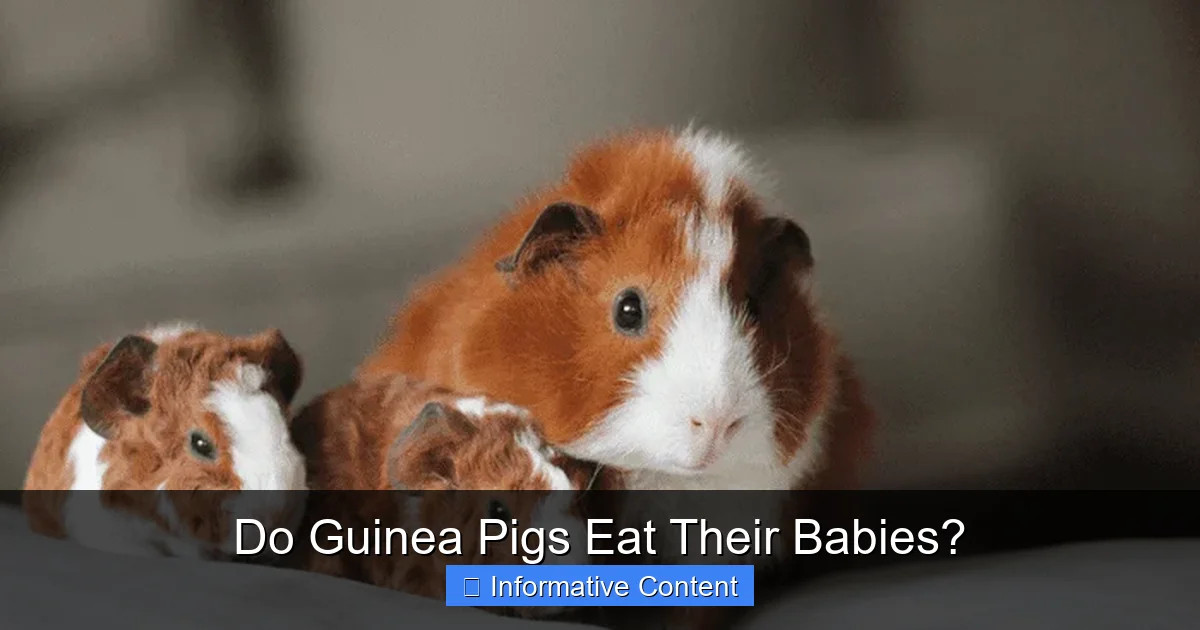
Visual guide about Do Guinea Pigs Eat Their Babies?
Image source: squeakypigs.com
While the general answer to “Do guinea pigs eat their babies?” is a resounding no, it’s important to acknowledge that in extremely rare and unfortunate circumstances, abnormal behaviors can occur. These are usually not acts of true cannibalism but rather tragic outcomes of severe stress or underlying health issues.
Factors That Can Lead to Abnormal Behavior
- Extreme Stress or Fear: A mother guinea pig experiencing overwhelming stress can behave unpredictably. This could be due to a lack of privacy during birth, constant disturbances, loud noises, or feeling threatened by other animals or even humans. In such rare cases, a mother might abandon her pups, or in very extreme, panicked situations, accidentally injure them while trying to protect them or move them. However, eating them is still not typical.
- First-Time Mothers (Especially if Too Young or Old): Very young mothers (under 6 months) or older mothers (over 1 year for a first litter) can have more difficult pregnancies and births. They may be overwhelmed, lack maternal instinct, or be physically unable to cope. This can lead to neglect, rather than cannibalism.
- Illness or Malnutrition: A mother who is severely ill, in pain, or extremely malnourished may not have the energy or capacity to care for her pups. She might reject them, or tragically, they might not survive. Again, this is a failure to thrive or a lack of care, not active consumption.
- Stillbirths or Deformities: If a pup is born stillborn or with severe deformities, the mother might consume it. This is a natural instinct to clean the nest and remove anything that could attract predators or pose a health risk to the surviving, healthy pups. This is a crucial distinction from eating healthy, living babies.
- Overcrowding or Incompatible Cage Mates: If a pregnant mother is housed with aggressive cage mates, particularly other dominant females or unneutered males, the stress and potential for conflict can be immense. This can lead to neglect or harm to the pups from other guinea pigs, not necessarily the mother eating them.
It’s vital to emphasize that these situations are highly unusual. A well-cared-for guinea pig mother in a safe environment is overwhelmingly likely to be an attentive and loving parent.
Creating the Perfect Haven for a New Guinea Pig Mom
Preventing any potential issues and ensuring a smooth birthing and rearing process revolves around providing an optimal environment. If you have a pregnant guinea pig, preparation is key.
Before the Birth: Nesting and Privacy
- Separate and Isolate (If Necessary): If your pregnant female is housed with other guinea pigs, especially males (who should be removed weeks before birth to prevent re-impregnation), consider moving her to a separate, quiet cage about 1-2 weeks before her due date. This provides her with privacy and reduces stress.
- Spacious Environment: Ensure her maternity cage is large enough for her and her eventual pups to move around comfortably.
- Plenty of Hiding Spots: Provide several hidey houses, tunnels, or cardboard boxes. These offer her places to retreat, feel secure, and build a nest away from prying eyes. Privacy is paramount for a pregnant or new mom.
- Soft Bedding: Offer ample soft, absorbent bedding material like fleece liners, hay, or paper-based bedding. This allows her to create a comfortable nest for herself and her pups.
- Nutritious Diet: Continue to provide a high-quality diet rich in Vitamin C, fresh hay, guinea pig pellets, and a variety of fresh vegetables. Adequate nutrition is essential for her health and the development of her pups. You might even want to offer a bit extra as she approaches her due date.
- Fresh Water: Always ensure a constant supply of fresh, clean water in a drip bottle.
During and After the Birth: Observe, Don’t Interfere (Unless Necessary)
- Quiet Observation: Once you suspect birth is imminent or has occurred, resist the urge to constantly check on her. Maintain a respectful distance and observe discreetly. Undue interference can cause her stress.
- Minimal Handling: Avoid handling the mother or pups for the first few days unless absolutely necessary for health checks or emergencies. Allow them time to bond.
- Keep the Environment Consistent: Avoid sudden changes in her environment, temperature, or routine.
- Monitor Health: Keep an eye on the mother’s appetite, water intake, and overall demeanor. Watch the pups for signs of nursing (full bellies), activity, and healthy development.
- Cleanliness: While the mother will clean the immediate birthing area, ensure the overall cage remains clean to prevent illness. Spot-clean as needed, but avoid a full cage clean in the first few days if possible, to avoid disrupting the new family.
Monitoring the New Family: When to Intervene
It’s a delicate balance between giving the mother space and ensuring the well-being of the pups. Knowing when to intervene is crucial.
Signs of a Healthy Mother and Pups:
- Mother is calm, eating, and drinking.
- Pups are active, moving around, and exploring.
- Pups have rounded bellies, indicating they are nursing.
- Mother allows pups to nurse and stays near them.
- Mother cleans the pups (though they are born clean, she might groom them).
When to Consider Intervention (and what to do):
- Mother Ignoring Pups: If the mother completely ignores her pups for an extended period (several hours) and they appear cold, weak, or aren’t nursing, she might be rejecting them.
- Aggression Towards Pups: While rare, if the mother is actively biting or harming her pups, immediate separation may be necessary.
- Pups Crying Excessively: Persistent, loud squealing from pups could indicate they are hungry, cold, or in distress.
- Mother Appears Ill: If the mother is lethargic, not eating, bleeding excessively, or shows any signs of illness after birth, contact your vet immediately. Her health directly impacts her ability to care for her pups.
If you need to intervene, consult with an experienced guinea pig vet or rescue organization. They can offer guidance on hand-feeding techniques, identifying potential health problems, and managing challenging situations. Remember, sometimes mother nature has her own course, and not all pups may survive, especially in large litters or if the mother is unwell.
Conclusion: Rest Easy, Guinea Pig Parents!
So, do guinea pigs eat their babies? The answer, thankfully, is almost unequivocally no. The notion is largely a misconception stemming from the mother’s essential, natural behavior of consuming the afterbirth. Guinea pigs are, for the most part, wonderful, attentive mothers who dedicate themselves to cleaning, warming, and nursing their offspring.
By providing a peaceful, clean, and well-nourished environment for your expectant mother, you are setting her up for success. Understanding their natural behaviors helps us appreciate these fascinating creatures even more and allows us to provide care that aligns with their instincts, ensuring a happy, healthy outcome for both mom and her adorable, precocial pups. Next time someone asks if guinea pigs eat their babies, you can confidently explain the true, natural wonder of guinea pig motherhood!
Frequently Asked Questions
Is it normal for a guinea pig mother to eat the afterbirth?
Yes, it is absolutely normal and a vital instinct for a guinea pig mother to eat the afterbirth (placenta) after giving birth to each pup. This behavior serves multiple important purposes for her and the litter’s survival.
Do guinea pig mothers abandon their babies?
While rare, a guinea pig mother might abandon her babies if she is extremely stressed, very young, ill, or if the environment is unsafe. Proper care and a calm environment significantly reduce this risk, as most mothers are excellent parents.
How soon after birth do guinea pig pups start eating solid food?
Guinea pig pups are incredibly precocial and can start nibbling on solid food, like hay and soft vegetables, within a few hours of birth. However, they will continue to nurse from their mother for several weeks to get essential antibodies and nutrients.
Should I separate the father guinea pig from the mother after birth?
Yes, it’s crucial to separate the father guinea pig (or any male) from the mother immediately after birth. Guinea pigs can become pregnant again almost immediately after giving birth, leading to back-to-back pregnancies that are very hard on the mother’s health.
How long do guinea pig babies stay with their mother?
Guinea pig babies should ideally stay with their mother for at least 3-4 weeks to ensure they are fully weaned and have learned essential social behaviors. Male pups should be separated from their mother and sisters at 3 weeks of age to prevent early, unwanted pregnancies.
What does a healthy guinea pig pup look like after birth?
A healthy guinea pig pup is born with fur, open eyes, and can move around actively. They should appear plump, alert, and within a few hours, you might observe them attempting to nurse or nibble on hay, indicating good health and vitality.