Guinea pigs are highly social animals that thrive on companionship and genuinely need a friend to lead a happy and healthy life. Living alone can lead to loneliness, stress, and behavioral issues for these herd animals. Providing a same-sex companion or a neutered male not only prevents solitude but also encourages natural behaviors, promotes mental stimulation, and significantly enhances their overall well-being.
Contents
- Do Guinea Pigs Need a Friend?
- Key Takeaways
- Quick Answers to Common Questions
- 📑 Table of Contents
- The Social Nature of Guinea Pigs: Why Companionship Matters
- The Health and Happiness Benefits of a Friend
- Choosing the Right Companion: Finding a Perfect Pairing
- What If I Can Only Have One Guinea Pig?
- Setting Up the Perfect Home for Multiple Guinea Pigs
- Conclusion
- Frequently Asked Questions
Do Guinea Pigs Need a Friend?
If you’re a proud guinea pig parent or thinking about welcoming these adorable little cavies into your home, you’ve probably asked yourself a very important question: “Do guinea pigs need a friend?” It’s a query that often sparks debate, but the overwhelming consensus among vets, behaviorists, and experienced guinea pig owners is a resounding “Yes!” These charming rodents are far from solitary creatures; in fact, their well-being is deeply intertwined with having companionship.
Imagine living your entire life without someone to chat with, play with, or simply exist alongside. For a guinea pig, living alone can be much like that – a quiet, often lonely existence that goes against their very nature. They are highly social animals, hardwired to live in groups, and denying them this fundamental need can have significant impacts on their health, happiness, and overall quality of life. Understanding why they thrive in pairs or groups, and how to best provide that companionship, is crucial for any responsible guinea pig owner.
So, let’s dive deep into the world of guinea pig social dynamics. We’ll explore why guinea pigs need a friend, what benefits companionship brings, how to choose the perfect pal, and what steps to take if your situation means you can only have one. Our goal is to ensure your furry friends are not just surviving, but truly thriving.
Key Takeaways
- Guinea Pigs Are Social Animals: In the wild, guinea pigs live in herds, and this innate need for companionship translates directly to their domestic lives. They are not solitary creatures.
- Companionship Prevents Loneliness and Stress: A lack of social interaction can lead to profound loneliness, stress, anxiety, and even depression in guinea pigs, manifesting as withdrawal, lack of appetite, or self-barbering.
- A Friend Boosts Well-being: Having a companion encourages natural behaviors like playing, grooming, and communicating through various chirps and purrs, leading to increased physical activity and mental stimulation.
- Choose Compatible Pairings: The best companions are typically same-sex pairs (females with females, or males with males that have been bonded from a young age) or a neutered male with one or more females. Avoid housing intact males together unless they are littermates and introduced very young, and even then, conflicts can arise.
- Space and Resources are Key for Pairs: When housing multiple guinea pigs, ensure their enclosure is large enough (at least 7.5 square feet for two, ideally more) and that there are multiple food bowls, water bottles, and hidey houses to prevent resource guarding.
- Human Interaction for Solo Piggies: If a guinea pig must live alone due to specific circumstances (e.g., aggression, health issues), human interaction becomes even more critical. Daily playtime, lap time, and enrichment are essential to try and compensate for the absence of a cavy companion.
- Introduction Requires Patience: Introducing new guinea pigs should always be done slowly and carefully in neutral territory, allowing them to acclimate at their own pace to minimize stress and ensure successful bonding.
Quick Answers to Common Questions
Do guinea pigs get lonely by themselves?
Yes, guinea pigs are highly social animals and can absolutely get lonely, stressed, and even depressed if kept by themselves. They thrive on the companionship of their own kind.
Is it cruel to keep one guinea pig?
While not necessarily cruel if given extensive human attention, most experts agree that keeping a single guinea pig goes against their natural social needs. They are happier and healthier with at least one cavy companion.
Can two male guinea pigs live together?
Two male guinea pigs can live together, especially if they are littermates bonded from a young age or introduced very young. However, it requires a very spacious cage and careful monitoring as dominance disputes can arise as they mature.
What is the best pairing for guinea pigs?
The best pairing is typically two females (sows), or a neutered male with one or more females. These combinations generally lead to the most harmonious and stable social dynamics.
Can a guinea pig be friends with a rabbit?
No, guinea pigs should not be housed with rabbits. They have different dietary needs, communication styles, and rabbits can unintentionally injure guinea pigs with their powerful kicks or transmit diseases that are harmless to rabbits but deadly to guinea pigs.
📑 Table of Contents
The Social Nature of Guinea Pigs: Why Companionship Matters
Guinea pigs, or cavies as they are often called, are not like some other small pets that prefer a solitary life. In their natural habitats, they live in close-knit groups, foraging together, communicating constantly, and relying on each other for safety and comfort. This innate social structure is deeply ingrained in their behavior, even after generations of domestication. When we bring them into our homes, we need to respect and replicate this fundamental need.
Wild Roots and Herd Instincts
Picture a bustling guinea pig village in the grasslands of South America. You’d see dozens of cavies interacting – sniffing, nudging, chasing, and vocalizing. This is their natural state. They are prey animals, and living in a herd provides safety in numbers. More eyes and ears mean better detection of predators, and a group offers comfort and security. This instinct for companionship doesn’t magically disappear when they become pets. They still crave that constant presence, that fellow cavy who understands their unique language and social cues. It’s truly a testament to their heritage that guinea pigs need a friend.
Communication Through Sounds and Body Language
One of the most compelling reasons why guinea pigs need a friend is their complex communication system. They use a wide array of sounds – chirps, purrs, wheeks, rumbling, chattering, and even squeaks – along with intricate body language to interact with each other. These include nose-touching, grooming, popcorns (happy jumps), rumblestrutting, and more. A solo guinea pig simply doesn’t have another cavy to “talk” to, to groom, or to share these natural behaviors with. They miss out on the rich social tapestry that defines their species. Think of it like trying to learn a language but having no one to practice with – it’s isolating and hinders development.
Benefits of Social Interaction for Well-being
The presence of another guinea pig provides constant stimulation and comfort. They offer each other a sense of security that a human simply cannot replicate. They can huddle together for warmth, groom each other, play chase, and simply enjoy silent companionship. This interaction is not just a nice-to-have; it’s a vital component of their emotional and psychological health. When asking, “Do guinea pigs need a friend?”, the answer is almost always tied to their overall well-being.
The Health and Happiness Benefits of a Friend
Visual guide about Do Guinea Pigs Need a Friend?
Image source: guineapigtube.com
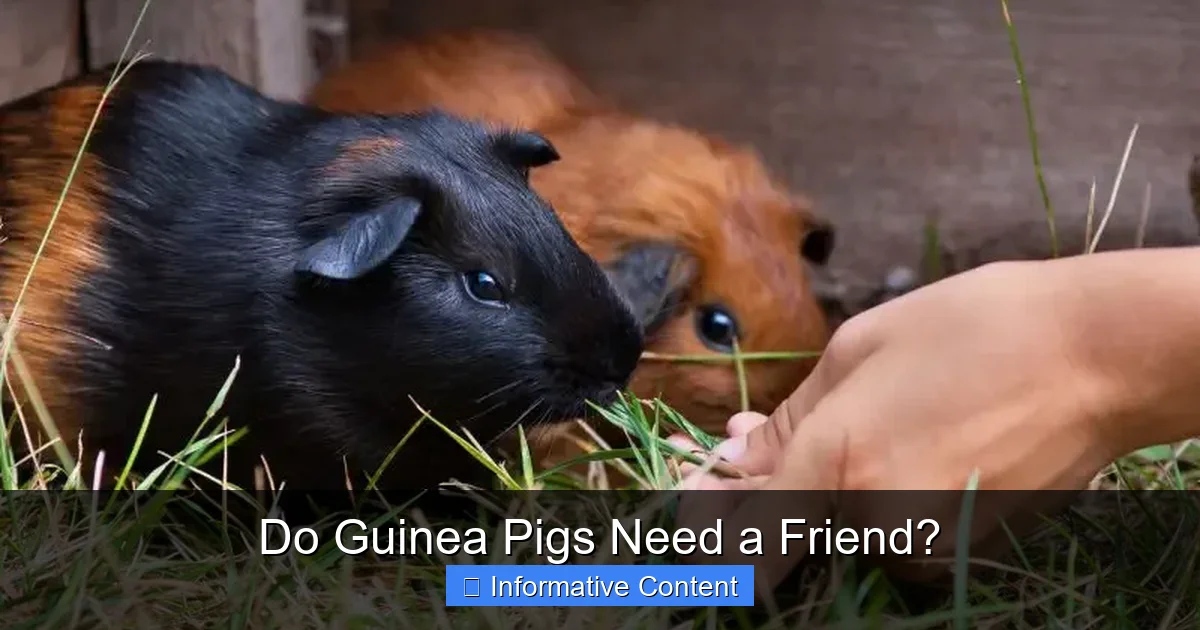
Providing your guinea pig with a companion goes far beyond just preventing loneliness. It actively contributes to a healthier, happier, and more enriched life for your furry friend. The benefits are numerous and impactful, making it clear why guinea pigs need a friend.
Reducing Loneliness and Stress
A lone guinea pig can experience chronic stress and anxiety. They may become withdrawn, lethargic, lose their appetite, or even engage in self-destructive behaviors like excessive barbering (chewing their own fur). Loneliness can suppress their immune system, making them more susceptible to illness. Conversely, a pair or group of guinea pigs provides constant reassurance. They know they’re not alone, which significantly lowers their stress levels and contributes to a stronger immune response and better overall health.
Encouraging Exercise and Play
Guinea pigs are naturally playful, but they often need another cavy to truly bring out their playful side. They’ll chase each other, engage in friendly wrestling, popcorn with excitement, and explore their environment together. This natural interaction encourages more physical activity than a solo pig might engage in, helping them stay fit and healthy. Plus, watching two guinea pigs play is incredibly entertaining and heartwarming for their human companions!
Preventing Undesirable Behaviors
Boredom and loneliness can lead to behavioral problems. A single guinea pig might become more prone to cage chewing, excessive squeaking for attention, or even aggression towards its human handlers out of frustration. With a friend, their attention is diverted to positive social interactions, reducing the likelihood of these unwanted behaviors. The presence of a peer provides an outlet for their energy and social needs, leading to a more balanced and content guinea pig.
Mental Stimulation and Enrichment
Just like us, guinea pigs need mental stimulation to stay sharp and happy. A companion provides constant mental enrichment through social cues, communication, and shared experiences. They learn from each other, develop complex social bonds, and continually adapt to their peer’s presence. This dynamic environment is far more stimulating than living in isolation, fostering a more intelligent and engaged animal. This is a huge factor in why guinea pigs need a friend.
Choosing the Right Companion: Finding a Perfect Pairing
So, you’re convinced that your guinea pig needs a friend! The next step is choosing the right companion. This isn’t just about picking another guinea pig; it’s about finding a compatible personality and making a successful introduction.
Best Pairings: Same-Sex Pups or Neutered Males
The most common and often most successful pairings are:
- Two Females (Sows): This is generally the easiest pairing. Females tend to be less territorial and often bond quickly, especially if introduced as young pups.
- Neutered Male (Boar) with One or More Females: A neutered male can live happily with one or more females without the risk of unwanted pregnancies. Neutering often calms male guinea pigs, making them excellent, gentle companions. This is often considered the ideal pairing.
- Two Males (Boars): This can work, but it requires more careful consideration. It’s generally most successful if the males are littermates who have always lived together, or if they are introduced as very young pups (8-10 weeks old) before hormones fully kick in. You’ll need a very spacious cage, multiple hideouts, and food bowls to minimize competition. Even with the best intentions, male pairings can sometimes break down as they mature, leading to fighting. Avoid pairing two intact adult males unless you have extensive experience and a very large setup.
It’s important to remember that guinea pigs are individuals, and personality plays a big role.
Age and Personality Considerations
When looking for a companion, try to match ages if possible, or introduce a younger guinea pig to an older one. A very young pup might be more readily accepted by an older, established guinea pig, who may take on a mentoring role. Conversely, two boisterous young pigs can wear each other out playfully. Observe personalities: a very shy guinea pig might do well with a calm, gentle companion, while a dominant pig might need a submissive friend. Many rescues and shelters are excellent at “speed dating” guinea pigs, allowing potential pairs to meet in a supervised environment to assess compatibility before adoption. They understand that guinea pigs need a friend, and they’re experts at making good matches.
Introducing Guinea Pigs: Slow and Steady Wins the Race
Introductions should never be rushed.
- Neutral Territory: Set up a large, neutral area that neither guinea pig considers “theirs” – like a playpen or a blanketed bathroom floor. This prevents territorial disputes.
- Lots of Distractions: Provide plenty of hay piles, veggies scattered around, and multiple hidey houses (with two openings each) to offer safe spaces.
- Bathe Together (Optional): Some owners find a brief, gentle bath together can help, as they’ll both smell the same afterwards.
- Supervise Closely: Stay with them, observing their interactions. Expect some rumblestrutting, chasing, and mounting – this is normal dominance testing. However, look out for sustained fighting, biting that draws blood, or aggressive lunges. If serious fighting occurs, separate them immediately.
- Gradual Integration: If the introduction goes well, they can move into their new, shared, extra-large cage. Make sure the cage is thoroughly cleaned to remove any previous scent marks from the resident pig.
- Patience: Bonding can take hours, days, or even weeks. Don’t get discouraged if it’s not instant friendship.
What About Other Pets? (Cats, Dogs, Rabbits)
While other household pets might seem like potential companions, they are generally not suitable. Cats and dogs are predators, and even the most gentle ones can cause immense stress to a guinea pig. Rabbits, despite also being small prey animals, have different dietary needs, communication styles, and can carry bacteria (like Pasteurella) that are harmless to them but deadly to guinea pigs. Rabbits also have very powerful hind legs that can accidentally injure a delicate guinea pig. When we say “do guinea pigs need a friend,” we specifically mean another guinea pig.
What If I Can Only Have One Guinea Pig?
While the ideal scenario is always to have at least two guinea pigs, sometimes circumstances dictate that a guinea pig must live alone. Perhaps you’ve adopted a solo rescue, or a bonded pair has lost one member. While not ideal, it’s possible to manage a solo guinea pig’s life to minimize loneliness, but it requires significant commitment from you.
The Importance of Human Interaction
If your guinea pig doesn’t have a cavy companion, YOU become their primary source of social interaction. This means daily, dedicated time for cuddles, lap time, and gentle play. You’ll need to talk to your guinea pig frequently, offer them gentle petting, and engage them with hand-feeding treats. This human connection is vital, but it’s important to understand that a human can never fully replace another guinea pig. We don’t speak their language, we don’t groom them in the same way, and we’re not always present in their cage. However, consistent and loving human interaction is the best alternative to ensure your guinea pig needs a friend less acutely.
Maximizing Enrichment for Solo Piggies
Enrichment becomes paramount for a solo guinea pig. Provide a variety of toys, chew sticks, tunnels, and hidey houses. Rotate these items regularly to keep things interesting. Engage them in foraging activities by hiding veggies and pellets around their cage. Set up a spacious playpen outside their cage daily, with new objects to explore. Consider getting them a soft toy guinea pig or a small, fleece cuddle cup they can snuggle into for comfort. The goal is to keep their minds and bodies active, reducing the chances of boredom and depression.
Considering Foster or Respite Care
In some cases, if your guinea pig thrives on companionship but cannot live with another permanently, you might explore unique options. Some guinea pig rescues offer “foster programs” for solo pigs that allow them to periodically spend time with a temporary companion in a supervised setting. This isn’t a long-term solution, but it can provide short bursts of much-needed social interaction. You might also consider finding a local guinea pig friend for playdates, if possible and safe, though this requires careful hygiene and health checks for both animals. While challenging, addressing the question “do guinea pigs need a friend” for a solo pig means a commitment to creative and consistent care.
Setting Up the Perfect Home for Multiple Guinea Pigs
Once you’ve decided to provide your guinea pig with a friend, preparing their living space is crucial for a smooth transition and long-term harmony. A well-designed habitat reduces stress, prevents squabbles, and ensures both pigs feel secure and comfortable.
Space, Space, and More Space!
This is perhaps the most critical factor. Two guinea pigs need significantly more space than one. The absolute minimum recommended cage size for two guinea pigs is 7.5 square feet, but ideally, you should aim for 10.5 square feet or more. A larger cage allows them to have their own space, run around, and get away from each other if needed. C&C cages (Cube and Coroplast) are excellent for this as they are modular and can be expanded easily. Providing ample room is essential to prevent territorial disputes and ensure both guinea pigs need a friend in a positive environment.
Double Everything: Food, Water, Hides
To minimize competition and stress, provide duplicates of essential resources.
- Two Water Bottles: Place them at opposite ends of the cage.
- Two Food Bowls: Again, place them separately. Even better, scatter some pellets and veggies around the cage for foraging, which encourages natural behavior and reduces resource guarding.
- Multiple Hidey Houses: Have at least one more hidey house than the number of guinea pigs. For two pigs, provide at least three hideouts. These should have two openings to prevent a dominant pig from trapping another inside. Having plenty of safe spaces is crucial for security.
- Hay Racks: Multiple hay racks or large piles of hay spread throughout the cage ensures constant access, which is vital for their digestive health.
This “double everything” approach ensures that even if one guinea pig is feeling a bit dominant, the other can still access food, water, and shelter without conflict.
Monitoring for Harmony
Even after a successful introduction, it’s wise to monitor your guinea pigs’ interactions, especially in the first few weeks. Watch for any signs of bullying, such as one pig consistently preventing the other from accessing food or water, or excessive chasing and teeth chattering directed at one individual. Minor squabbles are normal, but persistent aggression needs intervention. If serious fights occur, you may need to separate them temporarily and reintroduce them, or consider if the pairing is truly suitable. With proper space and resources, most guinea pig pairs live together peacefully and happily, proving that guinea pigs need a friend for a rich, fulfilling life.
Conclusion
The question “Do guinea pigs need a friend?” is unequivocally answered by their social nature, complex communication, and the myriad benefits companionship brings to their overall health and happiness. These charming creatures thrive when they have a fellow cavy to share their lives with, reducing stress, encouraging play, and providing essential mental stimulation. While a single guinea pig can survive with intensive human interaction and enrichment, it’s clear they truly flourish in the company of their own kind.
As responsible pet owners, our goal should always be to provide the best possible life for our furry companions. For guinea pigs, that often means opening our homes and hearts to a pair or more. By understanding their needs, carefully selecting compatible partners, and creating a spacious, resource-rich environment, you can foster a joyful and fulfilling life for your guinea pigs. So, if you’re planning to welcome a guinea pig into your family, consider getting two. You’ll not only be providing them with a friend, but you’ll also be treated to the delightful antics and harmonious sounds of happy, thriving cavies.
Frequently Asked Questions
How much space do two guinea pigs need?
For two guinea pigs, a cage size of at least 7.5 square feet is considered the minimum, but ideally, 10.5 square feet or more is recommended. More space reduces stress and potential territorial disputes, leading to happier pigs.
How long does it take for guinea pigs to bond?
Bonding time can vary greatly. Some guinea pigs click instantly, while others may take days or even weeks to fully acclimate to each other. Patience, neutral territory introductions, and close supervision are key.
What are signs of a happy guinea pig pair?
Signs of a happy pair include sharing hay, grooming each other, popcorning, sleeping near each other, and generally coexisting peacefully without constant chasing or fighting. They will often eat and explore together.
What if my guinea pigs start fighting after bonding?
Even bonded guinea pigs can have occasional squabbles, especially during hormonal changes or if resources are scarce. Ensure they have enough space, duplicate food/water/hides, and monitor closely. If fighting becomes severe or causes injuries, temporary separation and reintroduction might be necessary.
Can I introduce an adult guinea pig to a baby guinea pig?
Yes, introducing an adult guinea pig to a baby guinea pig can often be very successful. The older pig may take on a mentoring role, and the baby is usually less threatening, making the introduction process smoother.
Do guinea pigs mourn the loss of a companion?
Yes, guinea pigs can absolutely mourn the loss of a companion. They may exhibit signs of depression such as lethargy, loss of appetite, and withdrawal. It’s often recommended to get a new companion for a grieving guinea pig, sometimes even placing the deceased pig’s body with the survivor briefly to help with understanding.