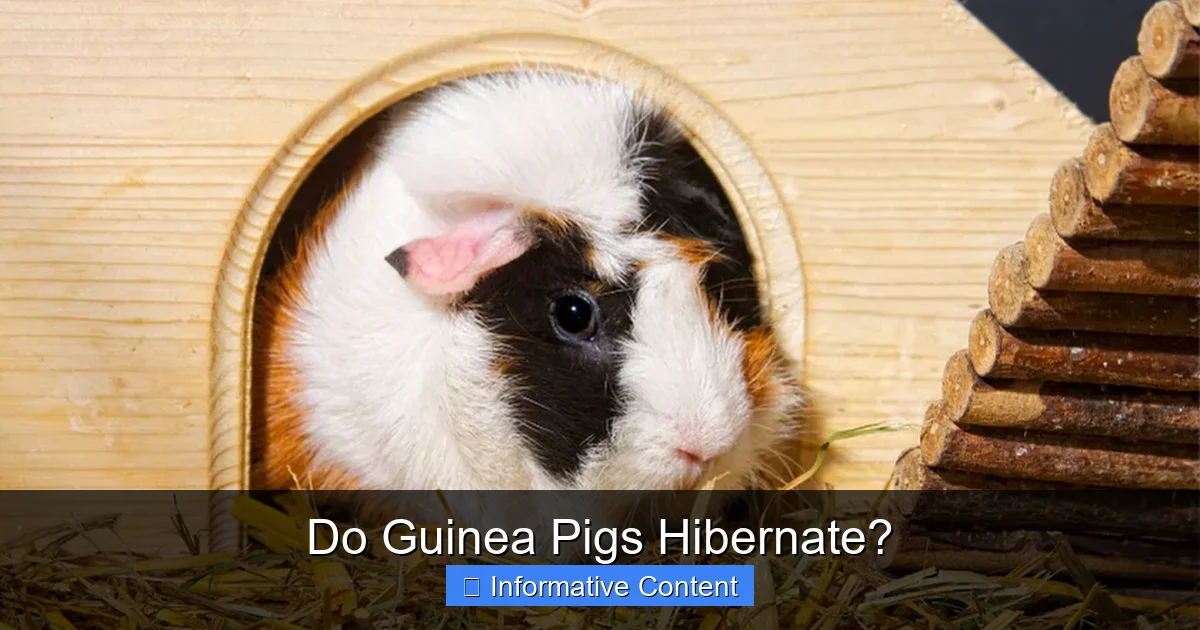
Many wonder, ‘Do guinea pigs hibernate?’ The simple and crucial answer is no. Unlike some other small mammals, guinea pigs are not equipped for true hibernation, and any state resembling it is a sign of severe illness, often hypothermia. Understanding this is vital for their well-being, as maintaining a stable, warm environment and recognizing health issues promptly are key to keeping your cavy happy and healthy.
It’s a common question that pops up in many new guinea pig owners’ minds: “Do guinea pigs hibernate?” Perhaps you’ve noticed your furry friend being a little less active during colder months, or maybe you’ve heard that some small rodents go into a long winter sleep. It’s an understandable query, especially when you compare guinea pigs to other popular pets like hamsters or certain wild animals.
However, for the sake of your beloved cavy’s health and safety, it’s absolutely crucial to understand the definitive answer. Spoiler alert: guinea pigs do not hibernate. Not even a little bit. In fact, if your guinea pig ever appears to be in a state resembling hibernation – being still, cold, and unresponsive – it’s a dire emergency that requires immediate veterinary attention, not a natural part of their life cycle. Let’s dive deep into why this misconception exists, what it means for your pet, and how to provide the best care to keep them thriving all year round.
Understanding the natural behaviors and biological needs of your guinea pig is the cornerstone of responsible pet ownership. Dispelling myths like the idea that guinea pigs hibernate is not just about factual correctness; it’s about equipping you with the knowledge to recognize genuine health threats and act swiftly to protect your tiny companion. So, let’s explore the science, the risks, and the care practices that ensure your guinea pig lives a long, happy, and healthy life, far away from any “hibernation-like” states.
Contents
- Key Takeaways
- Quick Answers to Common Questions
- 📑 Table of Contents
- The Truth About Guinea Pigs and Hibernation
- What to Do If Your Guinea Pig Seems Lethargic (Not Hibernating!)
- Optimal Environmental Conditions for Guinea Pigs
- Essential Care Practices to Prevent Health Issues
- Mimicking Hibernation: A Dangerous Misconception
- Conclusion
- Frequently Asked Questions
Key Takeaways
- Guinea Pigs Do Not Hibernate: Unlike some other small mammals, guinea pigs are not biologically designed to enter a state of true hibernation.
- Lethargy is a Red Flag: If your guinea pig seems unusually still, cold, or unresponsive, it’s a sign of a serious health problem, not hibernation, and requires immediate veterinary attention.
- Ideal Temperature is Crucial: Guinea pigs thrive in a stable environment between 65-75°F (18-24°C). Temperatures outside this range can quickly lead to health complications like hypothermia or heatstroke.
- Prevent Hypothermia: Ensure your guinea pig’s living space is warm, dry, and free from drafts. Provide plenty of soft bedding for them to burrow into.
- Recognize Illness Symptoms: Learn to identify common signs of illness, such as lack of appetite, reduced activity, shivering, or a cold body, and act quickly.
- Regular Health Checks are Essential: Daily observation of your guinea pig’s behavior, eating habits, and physical condition can help you spot issues early.
- Veterinary Care is Non-Negotiable: If you suspect your guinea pig is unwell, contact an experienced exotic vet without delay. Timely intervention can be life-saving.
Quick Answers to Common Questions
Can guinea pigs survive cold temperatures?
No, guinea pigs cannot survive cold temperatures well. They are susceptible to hypothermia if exposed to temperatures below 60°F (15.5°C) for extended periods.
What is the ideal temperature for a guinea pig?
The ideal temperature range for guinea pigs is between 65-75°F (18-24°C). They thrive in a stable, indoor environment.
What are signs of a sick guinea pig?
Signs of a sick guinea pig include lethargy, loss of appetite, cold body temperature, shivering, dull eyes, labored breathing, and a hunched posture.
Do guinea pigs slow down in winter?
Guinea pigs should not significantly slow down in winter if kept in a consistent, warm indoor environment. If they become lethargic, it’s a sign of illness, not seasonal behavior.
Is it okay for a guinea pig to be very still?
No, it is not okay for a guinea pig to be very still or unresponsive. This is a critical sign of illness or hypothermia and requires immediate veterinary attention.
📑 Table of Contents
The Truth About Guinea Pigs and Hibernation
Let’s get straight to the heart of the matter: do guinea pigs hibernate? The answer is a resounding “no.” Guinea pigs are not built for hibernation. Their physiology, their natural habitat history, and their metabolic rates simply don’t allow for it. While many small mammals, especially those in colder climates, have evolved this survival mechanism, guinea pigs have not. They are native to the grasslands of the Andes Mountains in South America, where temperatures are relatively stable throughout the year, meaning they never developed the need to enter a deep, dormant sleep to escape harsh winters.
What is Hibernation, Anyway?
Before we go further, let’s clarify what true hibernation actually entails. Hibernation is a state of minimal activity and metabolic depression in endotherms (warm-blooded animals). It’s a survival strategy used by some animals during periods of extreme cold or food scarcity. During hibernation, an animal’s body temperature drops significantly, its heart rate slows dramatically, and its breathing becomes very shallow and infrequent. They essentially put their body on “pause” to conserve energy, relying on stored fat reserves. Animals like bears, groundhogs, and some species of hamsters are true hibernators.
Why Guinea Pigs Don’t Hibernate
Guinea pigs, or cavies, are fundamentally different. They are active animals that require a continuous supply of food and warmth. Their digestive system is designed to process food constantly, meaning they need to graze throughout the day. If a guinea pig were to stop eating for an extended period, as a hibernating animal would, its digestive system would shut down, leading to serious health issues very quickly. Their bodies are not adapted to safely lower their core temperature or sustain themselves without regular intake of food and water. This is why the question “do guinea pigs hibernate?” is so important; a misunderstanding can be life-threatening.
What to Do If Your Guinea Pig Seems Lethargic (Not Hibernating!)
Given that guinea pigs don’t hibernate, if you ever find your guinea pig appearing still, cold, or unresponsive, it’s not a natural rest. It’s a critical sign of distress and indicates a severe health emergency. This could be due to extreme cold (hypothermia), shock, a serious illness, or injury. Time is of the essence in such situations.

Visual guide about Do Guinea Pigs Hibernate?
Image source: guineapals.com
Recognizing Signs of Illness
It’s vital for guinea pig owners to be vigilant and know the signs of illness. If your guinea pig is unwell, it might show a range of symptoms, including:
- Lethargy or extreme stillness: Not moving much, not reacting to your presence.
- Cold to the touch: Their ears, feet, and overall body feel unusually cool.
- Lack of appetite or thirst: Not eating hay or pellets, not drinking water.
- Shivering or trembling: An obvious sign they are too cold or in pain.
- Dull eyes or hunched posture: General signs of discomfort or pain.
- Difficulty breathing: Labored breaths, open-mouthed breathing.
These are all clear indicators that your guinea pig needs help immediately. Do not mistake these for a guinea pig trying to hibernate.
The Dangers of Low Body Temperature (Hypothermia)
Hypothermia is a grave danger for guinea pigs. Their ideal body temperature is around 99-103°F (37.2-39.4°C). If their body temperature drops too low, their organs start to shut down. This can happen quickly if they are exposed to cold drafts, low room temperatures, or if they are already sick and unable to regulate their body heat. Symptoms of hypothermia can quickly escalate from shivering to lethargy, unresponsiveness, and eventually, death. So, when you ask “do guinea pigs hibernate?” and realize the answer is no, you also understand the gravity of a cold, still guinea pig.
If you suspect hypothermia, gently wrap your guinea pig in a warm (not hot) towel, hold them close to your body, or place them in a carrier with a warm water bottle (wrapped in a cloth) nearby. Offer warm, shallow water or critical care food if they will take it, but the most important step is to contact your exotic vet immediately. This is not a situation where you can wait and see if they “wake up” from a pseudo-hibernation.
Optimal Environmental Conditions for Guinea Pigs
Since guinea pigs cannot tolerate extreme temperatures or periods of inactivity, creating a stable and comfortable environment is paramount. This directly addresses the concern of “do guinea pigs hibernate?” by showing how their needs preclude such a state.
Temperature
The ideal temperature range for guinea pigs is between 65-75°F (18-24°C). They are very sensitive to temperature fluctuations. Anything below 60°F (15.5°C) can lead to chilling and hypothermia, while temperatures above 78°F (25.5°C) can cause heatstroke, which is equally dangerous. Always keep their enclosure indoors, away from direct sunlight, drafts, and heating/cooling vents. A consistent, comfortable room temperature is vital for their health and activity levels.
Humidity and Ventilation
Beyond just temperature, humidity also plays a role. Guinea pigs do best in moderate humidity levels. Too high humidity can lead to respiratory issues or skin problems, while too low can cause dry skin or irritation. Good ventilation in their cage is also important to prevent ammonia build-up from urine, but without creating drafts that could make them cold. A well-ventilated yet draft-free cage is the sweet spot.
Lighting
Guinea pigs benefit from a regular day-night cycle, ideally matching natural daylight hours. This helps regulate their circadian rhythm and keeps them active during their waking hours. Avoid keeping them in perpetual darkness or constant artificial light, as this can be stressful and disrupt their natural behaviors. Proper lighting is part of maintaining a stable environment where the question “do guinea pigs hibernate?” never needs to be a concern for their well-being.
Essential Care Practices to Prevent Health Issues
Preventative care is always better than a cure, especially for delicate creatures like guinea pigs. By following best practices, you minimize the chances of your pet ever experiencing a health crisis that might be mistaken for hibernation.
Nutrition and Hydration
A constant supply of fresh, high-quality hay is the cornerstone of a guinea pig’s diet. It aids digestion and helps wear down their continuously growing teeth. Supplement this with a small amount of fortified guinea pig pellets and a variety of fresh, guinea pig-safe vegetables daily. Fresh water should always be available in a sipper bottle, changed daily. A proper diet provides them with the energy and nutrients they need to stay warm and active, reinforcing why they don’t hibernate.
Regular Health Checks
Make it a habit to check your guinea pig daily. Look for changes in their eating or drinking habits, their poops (should be firm and oval), and their overall demeanor. Gently feel their body for any lumps or bumps, check their eyes and nose for discharge, and ensure their fur is clean and dry. A simple daily check can help you catch potential issues early, long before they become severe enough to cause “hibernation-like” symptoms.
Stress Reduction
Guinea pigs are prey animals, so they can get stressed easily. A quiet environment, a consistent routine, and plenty of hiding spots in their cage can help them feel secure. Regular, gentle interaction with their human caregivers also builds trust and reduces stress. A stressed guinea pig is a vulnerable guinea pig, more prone to illness. Creating a calm environment helps ensure your guinea pig remains active and playful, putting to rest any thoughts like “do guinea pigs hibernate?” due to their inactivity.
Mimicking Hibernation: A Dangerous Misconception
The idea that a guinea pig might be “mimicking hibernation” is a dangerous misconception. There is no such thing for these animals. If your guinea pig is cold, unresponsive, and still, it’s not a cute act; it’s a medical emergency. This is why education about their specific needs is so vital. Understanding that “do guinea pigs hibernate?” has a firm “no” answer changes how you react to critical symptoms.
The Importance of a Consistent Environment
Consistency is key to guinea pig health. A stable temperature, a regular feeding schedule, a clean cage, and predictable interactions contribute to their well-being. Sudden changes in their environment or routine can cause stress, which can weaken their immune system and make them susceptible to illness. Maintaining a consistent, warm home prevents the conditions that might lead a guinea pig to become lethargic and cold, conditions that could be tragically mistaken for hibernation.
When to Seek Veterinary Help
If you observe any of the severe symptoms mentioned earlier – extreme lethargy, cold body temperature, unresponsiveness, difficulty breathing, or complete refusal to eat – contact an experienced exotic veterinarian immediately. Do not delay. Guinea pigs can decline very rapidly, and what might seem like a minor issue can quickly become life-threatening. Finding an exotic vet who understands guinea pig physiology before an emergency strikes is a very wise move. Keep their number handy!
Conclusion
So, to definitively answer the question, “Do guinea pigs hibernate?” The answer is a resounding and crucial “no.” Guinea pigs are not built for hibernation; it is not a natural or healthy state for them. Any signs of extreme lethargy, coldness, or unresponsiveness should be treated as a medical emergency, not a peaceful slumber.
As responsible pet owners, our job is to provide a consistent, warm, and safe environment for our furry friends. This includes maintaining an ideal temperature, offering a balanced diet, ensuring constant hydration, and performing regular health checks. By understanding their unique needs and recognizing the signs of illness, you can ensure your guinea pig remains healthy, active, and full of life, dispelling any worries about them entering a dangerous “hibernation-like” state. Your prompt and informed action can make all the difference in their well-being. Keep them warm, keep them fed, and keep them loved, and your guinea pig will thrive!
Frequently Asked Questions
Why do people think guinea pigs hibernate?
The misconception likely arises because some other popular small pets, like hamsters or certain wild rodents, do hibernate. Owners might mistakenly assume all small, furry animals share this trait, leading to the question, “Do guinea pigs hibernate?”
What should I do if my guinea pig is cold?
If your guinea pig feels cold, gently wrap them in a warm towel (not hot) and place them in a carrier with a covered warm water bottle. Contact your exotic veterinarian immediately, as a cold guinea pig is a medical emergency requiring professional help.
Can an outdoor guinea pig hibernate?
Absolutely not. Guinea pigs should never be housed outdoors, especially in cold weather. They are highly susceptible to hypothermia and illness in cold environments, and any “hibernation” in an outdoor guinea pig would be fatal.
Do guinea pigs get seasonal affective disorder?
While guinea pigs don’t get SAD in the same way humans might, a lack of consistent light or a drastically altered day-night cycle can impact their well-being and activity levels. They benefit from a regular lighting schedule that mimics natural daylight hours.
How can I ensure my guinea pig stays warm in winter?
To keep your guinea pig warm in winter, ensure their cage is indoors, away from drafts and cold windows. Maintain room temperature between 65-75°F (18-24°C) and provide plenty of soft, absorbent bedding for them to burrow into.
What’s the difference between torpor and hibernation?
Both torpor and hibernation are states of reduced metabolic activity. Torpor is typically a shorter-term state, lasting hours to a few days, often in response to temporary cold or food scarcity. Hibernation is a longer-term, deeper state that can last for weeks or months. Guinea pigs do not naturally enter either state.