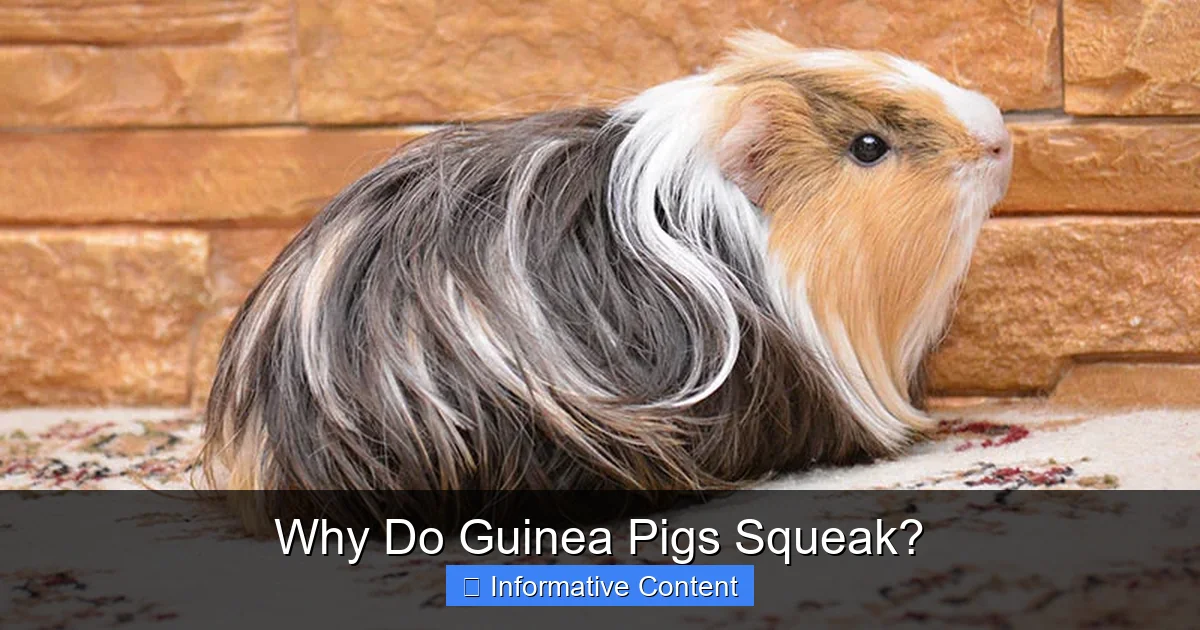
Guinea pigs communicate through a rich array of sounds, with squeaking being one of their most common and expressive vocalizations. They squeak for various reasons, primarily to demand food, seek attention, express excitement or joy, and sometimes to signal fear or discomfort. Understanding these different squeaks, alongside body language and context, helps owners bond more deeply with their beloved cavies.
Contents
- Why Do Guinea Pigs Squeak?
- Key Takeaways
- Quick Answers to Common Questions
- 📑 Table of Contents
- The Rich Language of Guinea Pigs
- Why Do Guinea Pigs Squeak? – The Hungry Piggies
- Squeaking for Attention and Affection
- Squeaking Out of Fear or Discomfort
- Other Squeaky Scenarios
- How to Interpret Your Guinea Pig’s Squeaks
- Conclusion
- Frequently Asked Questions
Why Do Guinea Pigs Squeak?
Ah, the guinea pig! These adorable, fluffy creatures have won the hearts of many with their charming personalities and, let’s be honest, their incredibly cute antics. But perhaps one of their most endearing and sometimes bewildering traits is their vocal repertoire. Guinea pigs are far from silent pets. In fact, they have a surprisingly rich and varied language of sounds, with squeaking being one of their most prominent and attention-grabbing vocalizations.
If you’re a guinea pig owner, you’ve undoubtedly experienced it: that sudden, high-pitched “wheek, wheek, wheek!” that can erupt at seemingly random times, or perhaps predictably when you open the fridge. It’s a sound that’s hard to ignore, and it often leaves new owners wondering, “What on earth are they trying to tell me?” Understanding why do guinea pigs squeak is key to a happy, healthy relationship with your furry friend. It’s like learning a secret language that unlocks a deeper bond between you and your cavy companion.
In this comprehensive guide, we’re going to dive deep into the fascinating world of guinea pig vocalizations. We’ll explore the various reasons behind their squeaks, from happy demands for food to expressions of joy, and even cries for help. By the end, you’ll be well-equipped to interpret your guinea pig’s unique language, helping you to better meet their needs and understand their charming personalities. So, let’s unravel the mystery of those delightful squeaks!
Key Takeaways
- “Wheeking” is a common food call: The most recognizable squeak is often a loud, high-pitched “wheek,” almost always signaling a demand for food, especially when they hear rustling bags or their owner approaching.
- Squeaking can be a social signal: Guinea pigs squeak to greet their owners, ask for attention, or express happiness when being petted or played with, strengthening their bond with humans.
- Excitement and joy are expressed through squeaks: Happy guinea pigs often exhibit “popcorning” – little jumps and squeaks – when they are feeling playful and content in their environment.
- Distress or fear can trigger squeaking: Sharp, high-pitched squeals or shrieks can indicate pain, fear, discomfort, or an immediate need for help, differing significantly from a food call.
- Context and body language are vital for interpretation: To truly understand why do guinea pigs squeak, observe their environment, their posture, and other sounds they make. This provides crucial clues to their emotional state.
- Squeaks vary in intensity and tone: Different types of squeaks – from soft chirps to loud demands or sharp shrieks – convey different messages, requiring owners to listen carefully to the nuances.
Quick Answers to Common Questions
What is “wheeking” in guinea pigs?
“Wheeking” is a specific, loud, high-pitched squeak guinea pigs use primarily to demand food, especially when they anticipate mealtime or hear familiar sounds like a fridge opening or a treat bag rustling.
Do guinea pigs only squeak when they’re hungry?
No, while demanding food is a very common reason why guinea pigs squeak, they also use squeaks to seek attention, express happiness (like during popcorning), or signal fear, pain, and discomfort.
How can I tell if my guinea pig is happy from its squeaks?
Happy squeaks are often softer, more contented, and may accompany playful “popcorning” jumps or relaxed body language during petting. They are distinct from urgent food demands or sharp distress signals.
What does a loud shriek or squeal mean?
A loud, sharp shriek or squeal from a guinea pig usually indicates fear, pain, or distress. It’s a clear cry for help or a reaction to being startled or hurt, and requires immediate attention to assess the situation.
Why do guinea pigs sometimes squeak and jump?
When guinea pigs squeak and jump, performing what’s known as “popcorning,” it’s a strong sign of extreme happiness, excitement, and contentment. They are expressing pure joy and playfulness.
📑 Table of Contents
The Rich Language of Guinea Pigs
Guinea pigs might not speak human languages, but they are certainly masters of communication in their own way. Their small bodies produce a surprisingly wide range of sounds, each with its own meaning and purpose. Understanding these different vocalizations is like gaining a secret insight into their world. They don’t just squeak; they purr, rumble, chirp, and more!
A Symphony of Sounds
Before we focus on why do guinea pigs squeak, let’s quickly touch upon some of the other sounds you might hear from your cavies. This helps set the context for their squeaks.
* Purring: A low, rumbling sound often indicates contentment and relaxation, especially when being petted. However, a higher-pitched purr can sometimes signal annoyance or fear, so context is key!
* Rumbling: Often deeper than a purr, rumbling is typically associated with courtship (a male “rumble-strutting” to a female) or asserting dominance within a group.
* Chirping: This is one of the rarest and most mysterious guinea pig sounds, resembling a bird’s chirp. Its exact meaning is debated, but it’s often observed when a guinea pig is in a trance-like state or during periods of stress.
* Teeth Chattering: A clear sign of aggression or irritation. If you hear this, it’s best to give your guinea pig some space.
* Growling/Hissing: These are alarm sounds, indicating fear or aggression, often a warning to another guinea pig or a perceived threat.
Beyond Just Squeaks
While these other sounds paint a picture of their emotional landscape, the “squeak” is truly the star of the guinea pig vocal show. It’s their primary way of getting your attention, expressing urgent needs, and sharing their feelings. When we talk about guinea pigs squeak, we often lump several similar-sounding vocalizations together, but each has subtle differences in context and meaning. Let’s delve into the most common reasons behind their famous squeaks.
Why Do Guinea Pigs Squeak? – The Hungry Piggies
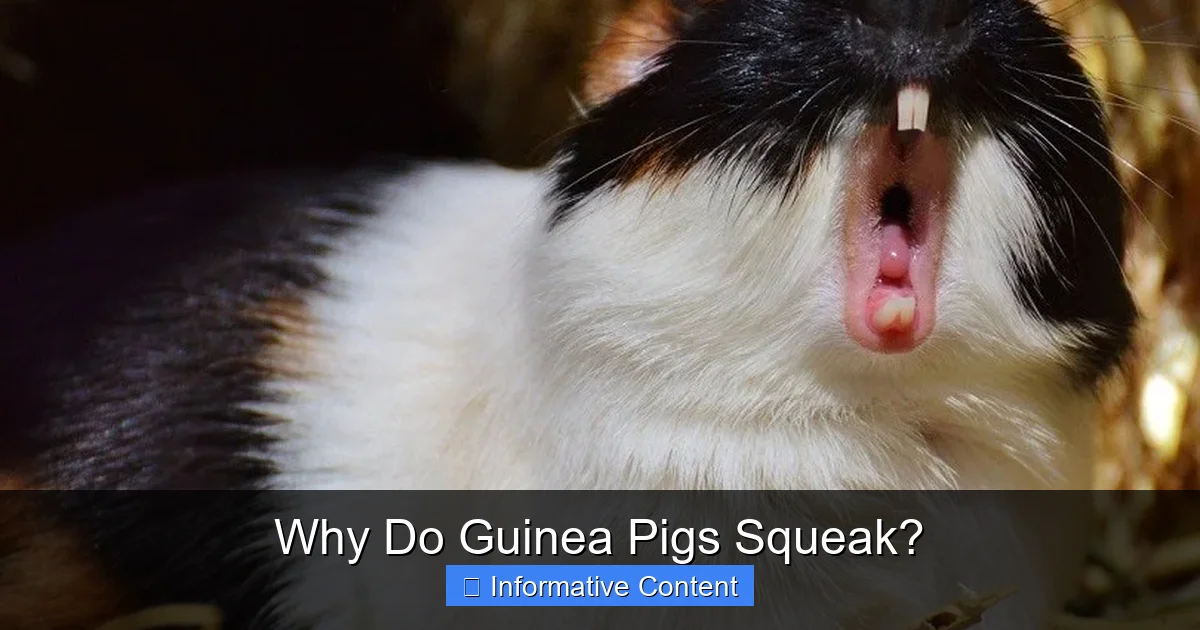
Visual guide about Why Do Guinea Pigs Squeak?
Image source: thevetdesk.com
This is, without a doubt, the most iconic and recognizable reason why do guinea pigs squeak. If you’ve ever owned a guinea pig, you’ve likely heard “the wheek.” This distinctive sound is their urgent, high-pitched demand for food. It’s often so loud and insistent that it’s hard to ignore!
The “Food, Please!” Squeak (Wheeking)
“Wheeking” is a specific type of squeak that guinea pigs use almost exclusively when they are anticipating or demanding food. It’s a loud, drawn-out, and often repetitive sound that sounds like “wheee-e-e-k!” or “wee-e-e-k!” This isn’t just a gentle request; it’s often a passionate plea!
Think of it as their dinner bell. They’ve learned that certain sounds, sights, or even smells are precursors to mealtime. Have you ever noticed your guinea pig suddenly erupt into a chorus of wheeks when you:
* Open the refrigerator door?
* Crinkle a plastic bag (which might sound like a treat bag)?
* Walk past their cage at a specific time of day?
* Talk about food in their presence?
* Simply enter the room?
They are remarkably smart and quick to associate these cues with getting food. Their wheeking is a powerful tool to remind you that it’s time for their veggies, hay, or pellets. They are literally saying, “Hey! I know you have food, and I want some NOW!” It’s a wonderful example of classic conditioning in action.
Anticipation and Excitement
The “food squeak” isn’t always about being absolutely starving, although it can be. Often, it’s about anticipation and pure excitement. Even if they’ve just eaten, the mere *possibility* of more delicious treats can trigger a symphony of squeaks. They are expressing their eagerness and joy at the prospect of tasty goodness.
This behavior highlights how social and communicative guinea pigs are. They understand routines and learn quickly how to manipulate their humans (in the most adorable way possible!) to get what they want. So, when your guinea pig squeaks loudly as you approach, it’s a good bet they’re hoping you’re bringing snacks!
Squeaking for Attention and Affection
Beyond food, another primary reason why do guinea pigs squeak is to communicate with their human companions on a social level. They are social animals, and they crave interaction and attention. Their squeaks can be a delightful way to say hello, ask for cuddles, or just let you know they’re there.
“Pay Attention to Me!”
Guinea pigs love company, and they often use squeaks to initiate interaction. You might notice a softer, perhaps less frantic, squeak when they simply want to acknowledge your presence or ask for a gentle stroke. This type of squeak might not be as loud as a food wheek, but it’s still clear and intentional.
Consider these scenarios:
* You walk into the room, and your guinea pig gives a few happy, soft squeaks from their cage. This could be their way of saying, “Hello there! I noticed you!”
* You’re sitting near their enclosure, and they start squeaking while looking directly at you, maybe even standing on their hind legs at the cage bars. They might be asking for you to pick them up, give them a head scratch, or simply acknowledge them.
* During floor time, they might follow you around, offering little squeaks as if inviting you to play or offering themselves up for pets.
These squeaks are a form of social bonding. They’re telling you that they enjoy your presence and want to engage with you. Responding to these gentle squeaks with affection helps build trust and strengthens your relationship with your guinea pig.
Greetings and Happy Squeaks
Sometimes, a guinea pig squeaks simply because they are happy and content. These happy squeaks might be accompanied by other behaviors, like “popcorning” (which we’ll discuss more later). When they’re enjoying a good cuddle, a tasty treat, or a fun playtime session, little contented squeaks can bubble up.
These can be softer, higher-pitched sounds than the urgent wheek, signifying pure joy. It’s their way of expressing satisfaction and comfort in their environment. Learning to distinguish these happy, relaxed squeaks from more demanding or distressed sounds is a sign of a truly observant guinea pig parent. Your guinea pig is sharing their happiness with you, and that’s a wonderful thing!
Squeaking Out of Fear or Discomfort
Not all squeaks are happy or demanding. Sometimes, why do guinea pigs squeak is because they are experiencing fear, pain, or significant discomfort. These distress signals are crucial for owners to recognize quickly, as they indicate a need for immediate attention and investigation.
A Cry for Help
When a guinea pig is truly frightened, in pain, or feeling threatened, their squeaks will often be sharper, higher-pitched, and more abrupt than a typical wheek. These can be described as shrieks or squeals. The intensity and suddenness of the sound are usually key indicators.
Imagine these situations:
* A loud, sudden noise spooks them, and they let out a sharp squeal before darting into their hidey house.
* They are roughly handled or dropped, resulting in a sudden, pained squeak.
* Another guinea pig in their enclosure is being aggressive, causing the receiving guinea pig to shriek.
* They might have an underlying health issue causing discomfort or pain, leading to intermittent sharp squeaks, often accompanied by other symptoms like hunched posture or reluctance to move.
These types of squeaks are not to be taken lightly. If you hear a high-pitched shriek, it’s essential to check on your guinea pig immediately. Look for any signs of injury, stress, or conflict with cage mates. Your quick response can make a huge difference in their well-being.
Unfamiliar Surroundings or Stress
Moving to a new environment, visiting the vet, or even encountering a new object in their cage can be stressful for guinea pigs. In these situations, they might vocalize their anxiety through a series of sharp, nervous squeaks. These sounds often accompany other signs of stress, such as freezing in place, hiding, or rapid breathing.
For example, during a car ride to the vet, your guinea pig might emit continuous nervous squeaks. While it’s stressful for them, it’s their way of expressing their fear and discomfort. Providing a comforting environment, like a dark carrier with familiar bedding, can help reduce these stress-induced squeaks. Understanding that a guinea pig squeaks not just for food but also for fear helps us to be more empathetic caregivers.
Other Squeaky Scenarios
While food, attention, and fear cover many of the reasons why do guinea pigs squeak, there are a couple of other interesting scenarios where you might hear these vocalizations. These often relate to expressions of extreme joy or intricate social dynamics within a group.
“Popcorning” Squeaks
If you’ve spent any time around happy guinea pigs, you’ve probably witnessed the adorable phenomenon of “popcorning.” This is when a guinea pig suddenly jumps straight up in the air, sometimes spinning around, much like a kernel of popcorn popping. It’s an unmistakable sign of extreme happiness, excitement, and contentment.
Often, “popcorning” is accompanied by little squeaks or chirps. These aren’t the loud, demanding wheeks, nor are they distressed shrieks. Instead, they are typically softer, joyful sounds that perfectly complement their bouncy acrobatics. A guinea pig who is popcorning and squeaking is telling you they are absolutely thrilled with life, their surroundings, or a recent positive event (like receiving a favorite treat or being let out for floor time). It’s truly a delight to witness!
Mating Calls and Dominance Squeaks
Within a group of guinea pigs, especially when males and females are together, or even amongst same-sex groups, squeaks can play a role in social hierarchies and mating rituals.
* Mating Calls: Unneutered males might emit specific types of squeaks, often combined with rumbling and a “rumble-strut,” to attract a female. These sounds are part of their elaborate courtship display. While not always a distinct “squeak,” they can sometimes produce sounds that fall into this vocal family, signifying their desire to mate.
* Dominance Squeaks/Squeals: In a group, a guinea pig might squeak or squeal during a dominance dispute. This could be the submissive guinea pig expressing fear or pain when being chased or nipped by a dominant cage mate. Alternatively, a more assertive squeak or even a short, sharp shriek could be used by a dominant guinea pig to warn off another. These sounds are often accompanied by teeth chattering, rumbling, or even actual physical interaction. If you observe persistent aggressive squeaking or squealing among your guinea pigs, it’s important to monitor their interactions to prevent injury.
These social squeaks highlight the complexity of guinea pig communication and their innate need to establish order and find mates within their social structures.
How to Interpret Your Guinea Pig’s Squeaks
Now that we’ve covered the main reasons why do guinea pigs squeak, the ultimate goal is to become an expert interpreter of your own pet’s language. It’s not always just about the sound itself; context, body language, and the specific nuances of their vocalization all play a part.
Listen to the Context
The single most important factor in understanding your guinea pig’s squeaks is context. What is happening in their environment when they make the sound?
* Are you holding food? (Likely a food wheek).
* Did you just open a bag of treats? (Definitely a food wheek!)
* Are you petting them? (Likely happy attention squeaks or purrs).
* Did they just get startled by a loud noise? (A distressed squeak).
* Are they jumping around playfully? (Happy popcorning squeaks).
* Is another guinea pig bothering them? (Dominance or fear squeak).
By paying close attention to the circumstances surrounding the squeak, you can almost always deduce its meaning.
Observe Body Language
Guinea pigs communicate with their entire bodies, not just their voices. Pairing their squeaks with their body language provides a much clearer picture of their emotional state.
* Wheeking for food: Often accompanied by standing up, putting paws on the cage bars, looking directly at you, or running excitedly around the cage.
* Happy squeaks/purrs: Often with a relaxed posture, perhaps stretching out, or even closing their eyes in contentment when being petted. Popcorning squeaks are obvious with their jumps.
* Distressed squeaks/shrieks: Can be accompanied by freezing, darting into a hidey house, hunched posture, raised hackles, or trying to escape. If in pain, they might be lethargic or showing signs of discomfort.
* Aggressive squeaks: May be paired with teeth chattering, lunging, chasing, or a stiff, dominant posture.
Always look for the complete picture. A squeak in isolation can be misleading; a squeak with accompanying body language is a clear message.
When to Be Concerned
While most squeaks are normal and part of their charming personalities, there are times when persistent or unusual squeaking warrants closer attention.
* Continuous distressed squeals: If your guinea pig is shrieking or squealing continuously without an obvious cause (like a sudden loud noise) and also shows other signs of illness (lethargy, refusing to eat, hunched posture, difficulty moving), it’s a strong indicator that something is wrong. They might be in pain or very sick.
* Squeaks during urination or defecation: This could indicate a urinary tract infection or other digestive issues, which require veterinary attention.
* Uncharacteristic silence: Sometimes, the absence of squeaking from a normally vocal guinea pig can also be a cause for concern, as it might signal illness or depression.
If you ever have doubts about your guinea pig’s vocalizations or observe any other concerning behaviors, it’s always best to consult with a vet experienced in small animal care. They can provide an accurate diagnosis and ensure your furry friend gets the help they need.
Conclusion
Understanding why do guinea pigs squeak is more than just curiosity; it’s a fundamental part of being a responsible and loving guinea pig owner. These little creatures communicate so much through their varied vocalizations, and their squeaks are a window into their immediate needs, desires, and emotional states. From the insistent “wheek” for a tasty treat to the contented murmur of a happy cuddle, and even the sharp shriek of fear, each sound tells a story.
By listening carefully, observing their body language, and considering the context of their environment, you can become fluent in your guinea pig’s unique language. This not only allows you to provide better care but also deepens the incredible bond you share. Your guinea pig trusts you to understand them, and by paying attention to their squeaks, you show them that you’re truly listening. So, keep listening, keep learning, and enjoy the wonderful symphony of sounds your guinea pig brings into your life!
Frequently Asked Questions
Is constant squeaking normal for a guinea pig?
Constant squeaking, especially if it’s demanding or distressed, might indicate a need that isn’t being met, such as hunger, boredom, or even discomfort. If your guinea pig is continuously vocalizing outside of normal feeding anticipation, observe their behavior and environment for clues.
Do female and male guinea pigs squeak differently?
While the basic range of squeaks (like wheeking for food) is similar for both sexes, males might incorporate certain squeak-like sounds, often combined with rumbling, during courtship displays or dominance interactions more frequently than females.
My guinea pig squeaks at night, what should I do?
Guinea pigs are not strictly nocturnal but can be active at night. Nighttime squeaking could be due to hunger (if their feeding schedule is off), loneliness, or being startled by something. Ensure they have enough hay and water, and consider a nightlight if their environment is too dark.
Can guinea pigs learn to squeak for specific things?
Yes, guinea pigs are quite intelligent and can learn to associate specific actions or objects with rewards. They often learn that squeaking brings human attention or food, and can effectively train their owners to respond to their vocalizations.
Should I respond every time my guinea pig squeaks?
While it’s good to acknowledge your guinea pig, responding to every single squeak might reinforce demanding behavior. Prioritize responding to distressed squeaks, and establish regular feeding and interaction times to manage their expectations for food and attention.
Are silent guinea pigs unhealthy?
Not necessarily. While many guinea pigs are quite vocal, some are naturally quieter than others. However, a sudden change from a vocal guinea pig becoming very silent could be a sign of illness, fear, or depression, and warrants monitoring.