
Getting a new guinea pig is exciting, but knowing where to buy guinea pigs responsibly is crucial. Your best options are reputable breeders or animal shelters/rescues, offering healthy pets and ethical practices. While pet stores can be convenient, and online listings exist, always prioritize the animal’s health and well-being, and thoroughly research your source to ensure a happy, long-lived companion.
Bringing a new pet into your home is an incredibly exciting time, especially when that pet is a charming, chatty guinea pig! These adorable cavies, with their distinctive “wheeking” sounds and gentle personalities, make wonderful companions for individuals and families alike. They’re social, relatively easy to care for, and incredibly endearing. But before you can enjoy the joy of guinea pig ownership, there’s an important first step: figuring out where to buy guinea pigs responsibly.
Choosing the right source for your new furry friend isn’t just about convenience; it’s about ensuring you bring home a healthy, well-socialized animal from an ethical background. A responsible purchase sets the foundation for a long, happy life for your guinea pig and a positive experience for you. This comprehensive guide will walk you through the various options available, highlighting the pros and cons of each, and providing crucial tips on what to look for no matter where you decide to get your new companion.
So, if you’re ready to welcome a delightful guinea pig into your life and are asking, “Where should I buy guinea pigs?” you’ve come to the right place. Let’s explore the best avenues for finding your perfect cavy companion, focusing on health, welfare, and responsible pet ownership.
Contents
- Key Takeaways
- Quick Answers to Common Questions
- 📑 Table of Contents
- Reputable Breeders: A Focus on Health and Genetics
- Animal Shelters and Rescues: Giving a Second Chance
- Pet Stores: Convenience with Caveats
- Online Marketplaces and Classifieds: Proceed with Extreme Caution
- What to Look for in a Healthy Guinea Pig, Regardless of Source
- Preparing for Your New Guinea Pig
- Conclusion: Making an Informed and Responsible Choice
- Frequently Asked Questions
Key Takeaways
- Prioritize Ethical Sources: The best places to buy guinea pigs are reputable breeders and animal shelters/rescues, as they often provide healthier animals and better support.
- Do Your Research Thoroughly: Regardless of where you decide to get your guinea pig, always investigate the source, ask questions, and observe the animals and their environment.
- Look for Signs of Health: A healthy guinea pig has bright eyes, a clean nose, a smooth coat, and is active and alert. Avoid animals that appear lethargic, have discharge, or matted fur.
- Consider Adoption First: Animal shelters and rescues are excellent places to find guinea pigs in need of a loving home, often at a lower cost, and they may come spayed/neutered and vet-checked.
- Exercise Caution with Pet Stores and Online Listings: While convenient, these sources can carry higher risks of purchasing unhealthy animals or supporting unethical breeding practices. Always inspect carefully.
- Prepare Before You Buy: Ensure you have all the necessary supplies – a suitable cage, food, water bottle, bedding, and hay – ready before bringing your new guinea pig home.
Quick Answers to Common Questions
Can I buy a single guinea pig?
No, guinea pigs are highly social animals and thrive when kept in pairs or groups. Buying just one can lead to loneliness and stress. Always aim to get at least two guinea pigs, preferably a bonded pair.
What age should a guinea pig be when I buy it?
Guinea pigs are typically ready to go to new homes between 4 to 6 weeks of age. At this age, they are weaned and independent enough to thrive without their mother, but still young enough to bond with new owners.
How much do guinea pigs cost?
The cost of a guinea pig can vary significantly. From a rescue or shelter, expect to pay around $10-$40 per guinea pig. From a pet store, they might cost $20-$60. Reputable breeders can charge $40-$80 or more, especially for specific breeds or rare colors. Remember, this is just the initial cost; ongoing care is much more significant.
Do I need to get guinea pigs of the same sex?
Yes, if you want to avoid accidental litters. Males can be housed together if introduced properly and have enough space, and females almost always get along well. If you get a male and a female, the male must be neutered to prevent breeding.
What should I prepare before bringing a guinea pig home?
Before your guinea pig arrives, you should have a large, secure cage (minimum 7.5 sq ft for two pigs), an unlimited supply of fresh hay, high-quality pellets, a water bottle, bedding, and several hidey houses. Also, research local exotic vets.
📑 Table of Contents
- Reputable Breeders: A Focus on Health and Genetics
- Animal Shelters and Rescues: Giving a Second Chance
- Pet Stores: Convenience with Caveats
- Online Marketplaces and Classifieds: Proceed with Extreme Caution
- What to Look for in a Healthy Guinea Pig, Regardless of Source
- Preparing for Your New Guinea Pig
- Conclusion: Making an Informed and Responsible Choice
Reputable Breeders: A Focus on Health and Genetics
For many discerning prospective guinea pig owners, a reputable breeder is the top choice when considering where to buy guinea pigs. Breeders often specialize in specific breeds, understand their genetics, and are dedicated to producing healthy, well-tempered animals.
The Benefits of Choosing a Breeder
- Known Health History: Reputable breeders can provide information about the parentage and health history of their guinea pigs. They often screen for common genetic conditions and prioritize the health of their breeding pairs.
- Socialization: Guinea pigs from breeders are typically handled regularly from a young age, leading to more socialized and less skittish pets.
- Breed-Specific Knowledge: Breeders are experts in their chosen breeds. They can offer invaluable advice on specific care needs, temperament, and grooming requirements for particular types of guinea pigs (e.g., Abyssinians, Peruvians, Silkies).
- Support and Guidance: A good breeder will be a resource for you throughout your guinea pig’s life, offering advice and support long after you’ve taken your new pet home.
Potential Downsides
- Higher Cost: Guinea pigs from reputable breeders typically come with a higher price tag than those from other sources, reflecting the breeder’s investment in health, genetics, and proper care.
- Waiting Lists: Popular breeders may have waiting lists, meaning you might need to wait several weeks or even months for a suitable guinea pig to become available.
- Limited Availability: You might need to travel further to find a breeder specializing in the specific breed or color you desire.
How to Find and Evaluate a Reputable Breeder
So, where to buy guinea pigs from a reputable breeder? Start by searching online for local guinea pig clubs, cavy fancier associations, or breed-specific groups. Word-of-mouth recommendations from other guinea pig owners can also be very valuable. Once you find a potential breeder, here’s what to do:
- Visit the Facility: If possible, arrange a visit to see the guinea pigs in person. Observe the living conditions: Are the cages clean and spacious? Do the animals have access to fresh food and water? Do they appear alert and healthy?
- Ask Detailed Questions: Inquire about the guinea pig’s age, diet, health history of parents, any veterinary checks, and the breeder’s return policy. Ask about their socialization practices and what age they typically send guinea pigs to new homes (usually around 4-6 weeks for males, or after they’re big enough for females to avoid accidental pregnancies).
- Check for Health Guarantees: A reputable breeder will often offer a health guarantee for a short period after purchase.
Example: A good breeder will enthusiastically share information about their guinea pigs’ lineage, diet, and daily routine. They might show you the parents and explain their breeding philosophy, emphasizing health and temperament over pure aesthetics.
Animal Shelters and Rescues: Giving a Second Chance
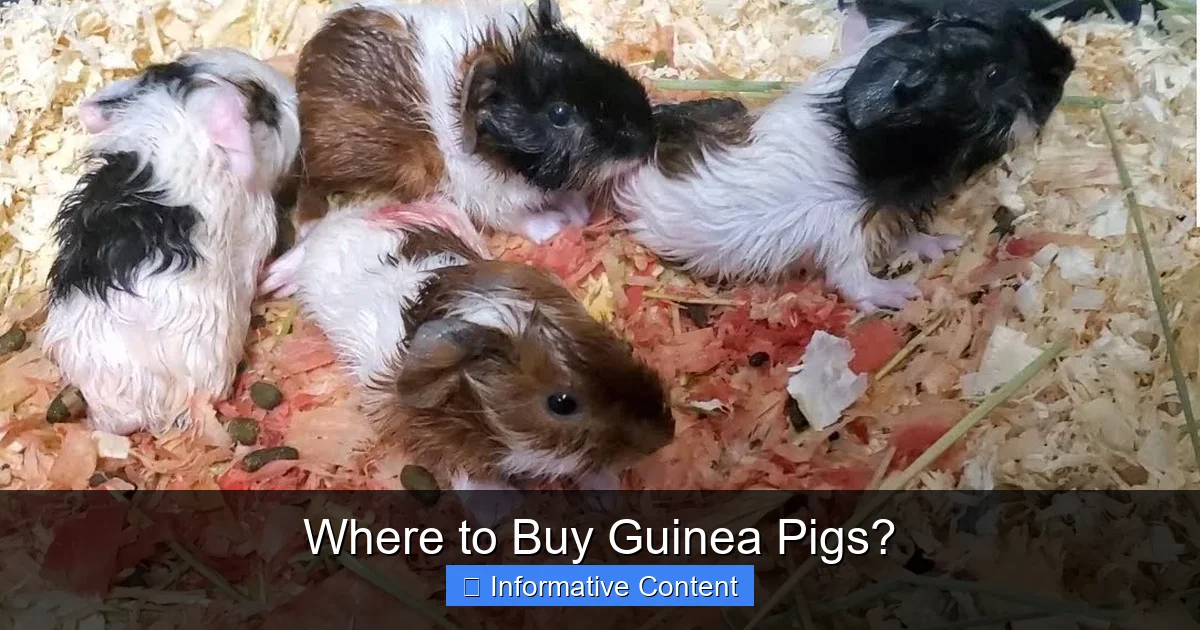
Adopting a guinea pig from an animal shelter or a dedicated guinea pig rescue organization is an incredibly rewarding option for where to buy guinea pigs. These organizations are often overflowing with wonderful animals in need of loving homes.
Visual guide about Where to Buy Guinea Pigs?
Image source: luxurypetsource.com
The Advantages of Adoption
- Saving a Life: By adopting, you’re giving a guinea pig a second chance at a happy life, often rescuing it from a difficult situation or preventing it from being euthanized.
- Lower Cost: Adoption fees are typically much lower than breeder prices, and often include initial vet checks, and sometimes even spaying or neutering.
- Known Personalities: Many shelters and rescues foster their animals, allowing them to get to know each guinea pig’s personality. They can help match you with a cavy that fits your lifestyle.
- Often Vet-Checked: Adopted guinea pigs usually come vet-checked, and staff can provide information on any known medical history or behavioral quirks.
- Adult Options: If you prefer an older, calmer guinea pig or one whose personality is already established, rescues often have plenty of adult cavies available.
Considerations for Adopting
- Limited Selection: You might not find a specific breed, color, or age of guinea pig you’re looking for, as selection depends on available animals.
- Unknown History: While shelters do their best, some guinea pigs’ backgrounds are unknown, meaning you might not have full insight into their past health or genetic history.
- Adjustment Period: Some rescue guinea pigs may require more patience and understanding as they adjust to their new environment, especially if they came from a neglectful situation.
Finding Your Rescue Guinea Pig
To find where to buy guinea pigs for adoption, search online for “guinea pig rescue near me,” check your local humane society, or look at national pet adoption websites. When you visit:
- Engage with Staff: Talk to the staff or volunteers about the guinea pigs’ personalities, health, and any known history.
- Spend Time with the Animals: Sit with the guinea pigs you’re interested in. Observe their behavior. Are they curious, shy, or social?
- Understand the Process: Be prepared for an application process, which may include home visits or interviews, as shelters want to ensure a good match.
Example: You might visit a rescue and meet an adorable bonded pair of senior guinea pigs who were surrendered when their owners moved. The rescue staff could tell you all about their favorite foods, their routines, and how much they love soft blankets, making your choice easy and fulfilling.
Pet Stores: Convenience with Caveats
Pet stores, both large chains and smaller independent shops, are a common answer to where to buy guinea pigs due to their widespread accessibility. However, the quality of care and the health of the animals can vary significantly.
The Convenience Factor
- Readily Available: Pet stores usually have guinea pigs in stock, allowing for immediate purchase.
- One-Stop Shop: You can purchase all necessary supplies – cages, food, bedding, toys – at the same time you buy your guinea pig.
- Visible Animals: You can see the guinea pigs before you buy them, unlike some online classifieds.
Potential Risks and Downsides
- Variable Health Standards: This is the biggest concern. Guinea pigs in pet stores often come from “feeder mills” or large-scale breeders where profit is prioritized over animal welfare, leading to health issues, stress, and poor socialization.
- Misidentification: Pet store staff might misgender guinea pigs, leading to accidental litters if you buy two mistakenly identified as the same sex.
- Lack of Knowledgeable Staff: Staff might not be well-versed in guinea pig care, offering incorrect advice or being unable to answer detailed questions about the animals’ origins or health.
- Stressful Environment: The constant noise, unfamiliar people, and often small, barren enclosures can be very stressful for guinea pigs, making them more susceptible to illness.
- Single Guinea Pigs: Some pet stores sell single guinea pigs, but these are highly social animals that thrive in pairs or groups. You should always aim to get at least two, or ensure your new pig will have another cavy companion.
Tips for Buying from a Pet Store (If You Must)
If a pet store is your only option for where to buy guinea pigs, proceed with extreme caution and follow these guidelines:
- Observe the Environment: Look at the cleanliness of the cages. Are they kept clean? Is there fresh food and water? Is the bedding dry?
- Inspect the Guinea Pigs: Spend time watching the guinea pigs. Look for signs of health (discussed in detail below). Avoid any store where multiple animals appear sick or lethargic.
- Ask Questions: Inquire about the guinea pigs’ age, where they came from, their diet, and any health guarantees. A good pet store will be transparent.
- Consider a Local Specialty Pet Store: These smaller, independently owned stores often have higher standards and more knowledgeable staff than large chains, though this is not always guaranteed.
Example: You might visit a pet store and see guinea pigs crowded into a small cage with stale water and leftover pellets. This is a red flag. Conversely, a good pet store will have clean, spacious enclosures, attentive staff, and lively, healthy-looking guinea pigs.
Online Marketplaces and Classifieds: Proceed with Extreme Caution
Websites like Craigslist, Facebook Marketplace, and local online classifieds might seem like a quick way to find where to buy guinea pigs. However, this option carries the highest risk and should generally be avoided unless you are highly experienced and extremely vigilant.
The Significant Risks
- Unknown Backgrounds: Animals are often from backyard breeders, impulse purchases, or owners who can no longer care for them. Their health history and living conditions are largely unknown.
- High Risk of Illness: You are more likely to encounter sick or unhealthy animals, as sellers may be trying to quickly offload pets with problems.
- Misrepresentation: Photos can be misleading. A guinea pig might look healthy online but be ill or underweight in person.
- Impulse Purchases: The ease of transaction can lead to impulse buys without proper preparation or research.
- Scams: Unfortunately, online marketplaces can be rife with scams.
When to Consider (and How to Mitigate Risk)
In rare instances, you might find a genuine individual rehoming a beloved pet due to unforeseen circumstances. If you absolutely must explore this option for where to buy guinea pigs, follow these strict precautions:
- Ask Many Questions: Inquire about the guinea pig’s age, diet, health history, reason for rehoming, and personality. Ask for recent photos and videos.
- Insist on Meeting in Person: Never agree to a transaction without seeing the guinea pig and its current living environment.
- Bring a Knowledgeable Friend: An experienced guinea pig owner or even a vet tech can help you assess the animal’s health.
- Meet in a Public Place (if unable to visit their home): If you cannot see their home environment, arrange to meet in a neutral, public location during daylight hours.
- Immediate Vet Check: Schedule a vet appointment for your new guinea pig within 24-48 hours of bringing it home.
- Beware of Red Flags: Avoid sellers who are vague, pushy, refuse to answer questions, or want to meet quickly without much interaction.
Example: Someone might be moving and genuinely need to rehome their guinea pigs. They will be open about their pets, provide photos, medical records, and usually offer to include their current cage and supplies. Conversely, someone advertising “cheap guinea pigs, no questions asked” is a major red flag.
What to Look for in a Healthy Guinea Pig, Regardless of Source
No matter where you decide to buy guinea pigs, knowing how to spot a healthy one is paramount. Spend time observing potential pets before making a decision.
Key Indicators of a Healthy Guinea Pig:
- Bright, Clear Eyes: Eyes should be open, clear, and free from discharge or crust.
- Clean Nose and Ears: No crust, discharge, or sneezing. Ears should be clean and free of mites.
- Smooth, Well-Groomed Coat: The fur should be soft, clean, and free from bald spots, matting, or parasites (fleas, mites). Long-haired breeds should still appear well-kept.
- Active and Alert: Healthy guinea pigs are curious, move around freely, and respond to sounds or gentle interaction. They shouldn’t be lethargic or hunched over.
- No Lumps, Bumps, or Sores: Gently check their body for any unusual swellings, scabs, or skin irritations.
- Clean Rear End: The area around their anus should be clean and free of fecal matter or wetness, which can indicate diarrhea.
- Good Weight and Body Condition: They should feel solid but not obese, with no visible bones or extreme thinness.
- Good Breathing: Breathing should be quiet and unlabored. Listen for any wheezing or labored breaths.
- Good Teeth: If possible to observe, their front teeth should be aligned and not overgrown.
- Eating and Drinking: Observe them eating hay or drinking water if you can.
Observe the Environment
Also, pay close attention to the environment where the guinea pigs are kept. The cage should be:
- Clean and Spacious: Large enough for the guinea pigs to move around comfortably, with fresh, dry bedding.
- Well-Equipped: Fresh water in a clean bottle, a constant supply of hay, and a dish of fresh pellets.
- Temperature Controlled: Not too hot, cold, or drafty.
- Social: If getting more than one, ensure they are housed with other guinea pigs, as they are highly social animals. Never buy a guinea pig that has been housed alone.
Preparing for Your New Guinea Pig
Before you even begin to seriously consider where to buy guinea pigs, it’s essential to have everything ready for their arrival. This reduces stress for both you and your new pets.
- Spacious Cage: Guinea pigs need a large cage (minimum 7.5 square feet for two guinea pigs). Consider a C&C cage for ample space.
- Food: High-quality guinea pig pellets, unlimited fresh hay (Timothy hay is ideal), and a daily variety of fresh vegetables.
- Water Bottle: Always provide fresh, clean water in a drip-proof bottle.
- Bedding: Absorbent and safe bedding like fleece liners, paper-based bedding, or aspen shavings. Avoid pine and cedar.
- Hidey Houses: At least one per guinea pig, so they have a safe place to retreat.
- Toys and Enrichment: Chew toys, tunnels, and things to explore.
- Veterinarian: Research exotic animal vets in your area *before* an emergency arises.
Having everything set up beforehand will make the transition smoother and less stressful, ensuring your new guinea pigs feel safe and welcome from the moment they arrive.
Conclusion: Making an Informed and Responsible Choice
Deciding where to buy guinea pigs is the first crucial step in your journey as a guinea pig owner. While convenience might draw you to pet stores or online classifieds, remember that the health, temperament, and well-being of your future pet should always be the top priority. Reputable breeders and animal shelters/rescues generally offer the most ethical and reliable avenues, providing you with healthy, well-adjusted companions and ongoing support.
Take your time, do your research, and don’t be afraid to ask plenty of questions. Observe the animals and their environment carefully. By making an informed and responsible choice, you’ll not only ensure a happier, healthier life for your new guinea pig but also contribute to ethical pet ownership. Get ready to enjoy years of delightful “wheeks” and purrs from your wonderful new cavy companions!
Frequently Asked Questions
What questions should I ask a breeder or rescue when looking to buy guinea pigs?
You should ask about the guinea pig’s age, diet, health history of parents (for breeders), any recent vet checks, and the reason for rehoming (for rescues). Also, inquire about their socialization practices, temperament, and any health guarantees they offer.
Are pet store guinea pigs always unhealthy?
Not always, but pet store guinea pigs generally come with a higher risk of health issues due to potential mass breeding practices and less-than-ideal living conditions. It’s crucial to thoroughly inspect the animal and its environment if you choose to buy from a pet store.
Can I find guinea pigs for free?
Occasionally, people will rehome guinea pigs for free on online classifieds or through word-of-mouth. While tempting, be extremely cautious, as these animals may have unknown health issues or come from problematic backgrounds. It’s often better to pay a small adoption fee to a rescue that has vet-checked the animals.
What is the ideal cage size for two guinea pigs?
For two guinea pigs, a cage should be at least 7.5 square feet (e.g., 30 inches x 36 inches). Larger is always better, as guinea pigs need plenty of space to run, play, and explore to stay happy and healthy.
What kind of food do guinea pigs eat?
Guinea pigs need a diet consisting primarily of unlimited fresh Timothy hay, a small portion of high-quality guinea pig pellets (fortified with Vitamin C), and a daily variety of fresh vegetables like bell peppers, leafy greens, and carrots.
How long do guinea pigs typically live?
With proper care, a healthy guinea pig typically lives between 5 to 7 years. Some can even live longer, up to 8 or 9 years, making them a significant long-term commitment.