
Curiosity often leads to questions like what do guinea pigs taste like? In many Andean cultures, guinea pigs, known as ‘cuy,’ are a significant culinary tradition, offering a unique flavor profile often compared to rabbit or dark chicken. Their taste is influenced by diet and preparation, presenting a rich, gamey, and slightly fatty experience for those willing to explore beyond Western pet perceptions.
Contents
- What Do Guinea Pigs Taste Like?
- Key Takeaways
- Quick Answers to Common Questions
- 📑 Table of Contents
- A Global Perspective: Guinea Pigs as Food
- The Taste Profile: Describing Cuy Meat
- Nutritional Value and Preparation Methods
- Ethical Considerations and Cultural Sensitivity
- Accessibility and Sourcing: Where to Experience Cuy
- Conclusion: A Taste of Culture and Curiosity
- Frequently Asked Questions
What Do Guinea Pigs Taste Like?
It’s a question that often sparks surprise, sometimes a bit of discomfort, but undeniably, a strong sense of curiosity: “What do guinea pigs taste like?” For many in Western cultures, the idea of eating a guinea pig is perplexing, perhaps even unsettling, given their beloved status as household pets. Yet, in various parts of the world, particularly in the Andean regions of South America, guinea pigs, or “cuy” (pronounced “koo-ee”) as they are locally known, are a cherished delicacy and a traditional staple food. This difference in perception highlights a fascinating cultural divide regarding animals and our relationship with them.
Venturing into the culinary landscape of “cuy” means stepping beyond our familiar comfort zones and embracing a world where food traditions are deeply intertwined with history, culture, and necessity. If you’ve ever wondered about the flavor, texture, and overall experience of eating guinea pig, you’re not alone. This article aims to explore this intriguing topic, offering insights into its taste, nutritional value, and the rich cultural context surrounding its consumption, all while addressing the very core question: what do guinea pigs taste like?
So, let’s embark on a culinary journey that promises to be both informative and thought-provoking. We will delve into the nuances of cuy meat, from its historical roots to its preparation, aiming to satisfy your curiosity about how guinea pigs taste, and perhaps, even broaden your understanding of global foodways.
Key Takeaways
- Cultural Significance: In Andean countries like Peru, Ecuador, and Bolivia, guinea pigs (cuy) are a traditional and esteemed food source, deeply embedded in culinary and cultural heritage, not typically viewed as pets.
- Flavor Profile: The meat is generally described as having a gamey, rich flavor, often compared to dark meat chicken, rabbit, or even a lean, slightly fatty pork, with a unique savory note.
- Texture: Cuy meat tends to be tender, but with a slightly firmer texture than typical poultry, and can have a thin layer of fat, especially when roasted.
- Influencing Factors: The taste can vary based on the guinea pig’s diet, age, and most significantly, the preparation method (e.g., fried, roasted, stewed) and accompanying seasonings.
- Nutritional Value: Guinea pig meat is a lean protein source, low in fat and cholesterol, and rich in essential vitamins and minerals, making it a healthy dietary option in regions where it’s consumed.
- Ethical Consideration: While a common food in some cultures, in Western societies, guinea pigs are primarily pets. Understanding this cultural divide with respect and open-mindedness is crucial when discussing their consumption.
- Accessibility: Outside of Andean regions, finding guinea pig meat is rare but possible in specialized ethnic markets or restaurants catering to Andean diaspora communities.
Quick Answers to Common Questions
What is the most common comparison for the taste of guinea pig meat?
The most common comparison for the taste of guinea pig meat is rabbit or dark meat chicken, often described as gamey, rich, and savory.
Are guinea pigs eaten in Western countries?
No, in Western countries, guinea pigs are primarily kept as pets and are not traditionally consumed as food due to cultural perceptions and legal restrictions.
Is guinea pig meat healthy?
Yes, guinea pig meat is considered a healthy protein source. It is known for being lean, low in fat and cholesterol, and rich in essential vitamins and minerals.
What is “cuy chactado”?
“Cuy chactado” is a traditional Andean preparation where a whole guinea pig is flattened and deep-fried until very crispy, often served with its head and feet.
Do guinea pigs taste different based on their diet?
Yes, like most meats, the taste of guinea pig can be influenced by its diet. Animals fed fresh herbs and grasses may have a more distinct or “cleaner” flavor.
📑 Table of Contents
A Global Perspective: Guinea Pigs as Food
The concept of eating guinea pigs is not a modern fad, nor is it exclusive to a tiny niche. It’s a practice deeply rooted in history and culture, particularly in the Andean highlands. Understanding this context is key before we even begin to discuss what guinea pigs taste like.
Historical and Cultural Roots in the Andes
For thousands of years, guinea pigs have been an integral part of life in the Andes, long before they ever became pets in Europe or North America. Archaeological evidence suggests that guinea pigs were domesticated as early as 5000 BC in the Andean region. They were a crucial source of protein for indigenous communities, especially given the challenging agricultural conditions at high altitudes. Beyond mere sustenance, cuy held significant cultural and ritualistic importance, often used in religious ceremonies and traditional medicine. Today, in countries like Peru, Ecuador, Bolivia, and parts of Colombia, cuy remains a highly prized dish, often reserved for special occasions, festivals, or family gatherings. It’s not just food; it’s a symbol of heritage and tradition.
The Western Pet vs. Andean Food Divide
The striking difference in how guinea pigs are viewed between cultures often causes a clash. In Western countries, guinea pigs are affectionate, gentle, and often vocal companions. Their small size, docile nature, and relatively easy care make them popular pets, especially for children. This emotional attachment makes the idea of consuming them seem abhorrent to many. However, for people in the Andes, the animals raised for food are often a distinct lineage from those kept as pets elsewhere. They are bred specifically for meat, much like chickens, pigs, or cows are in other parts of the world. This cultural context is vital to remember when asking what do guinea pigs taste like, as it frames the entire discussion. It’s a powerful reminder that our perception of food is often shaped by our own cultural lens.
The Taste Profile: Describing Cuy Meat
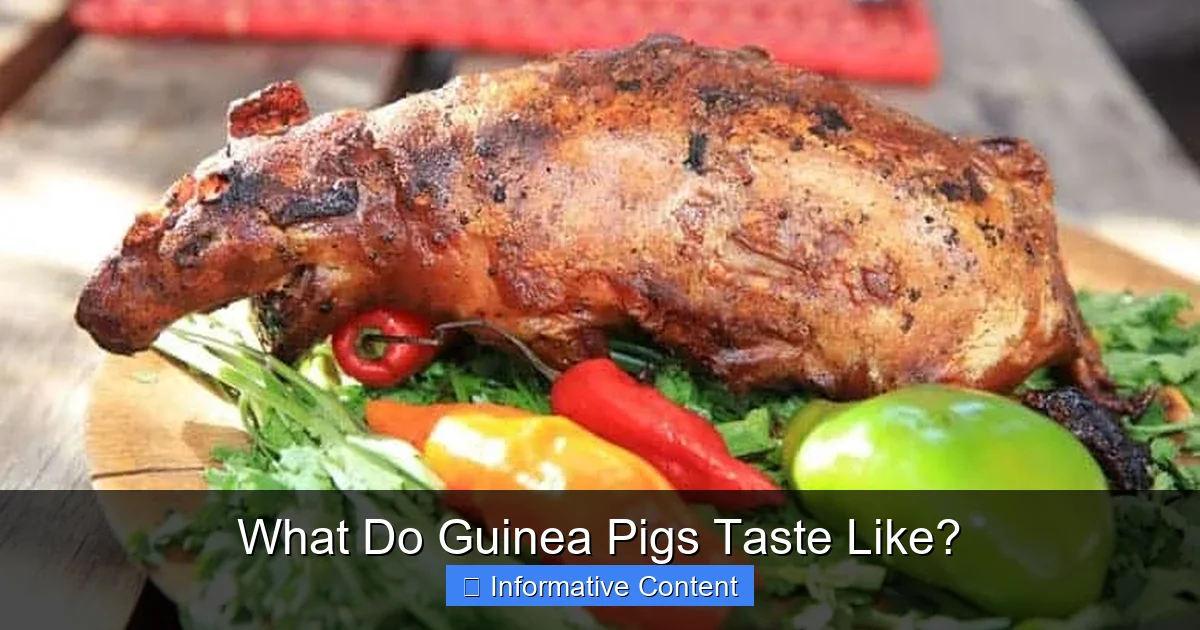
Visual guide about What Do Guinea Pigs Taste Like?
Image source: eatdelights.com
Now for the main event: describing the actual flavor and texture. If you’ve never tried it, trying to imagine what guinea pigs taste like can be quite a challenge. However, those who have sampled cuy often offer consistent descriptions.
What It’s Often Compared To
The most common comparisons for the taste of guinea pig meat are:
- Rabbit: This is perhaps the most frequent comparison. Cuy shares the lean, slightly gamey, and distinctly savory characteristics of rabbit meat. Both are often described as white meat that’s darker and richer than chicken breast.
- Dark Meat Chicken: Imagine the richer, more robust flavor of a chicken thigh or leg, but with a slightly different, more pronounced gamey note. It’s definitely not like chicken breast, which is much milder.
- Duck: Some describe a hint of duck-like richness, particularly when the cuy is roasted whole and its thin layer of fat is rendered. It has that satisfying, slightly fatty, and very flavorful quality.
- Pork (very lean): Less common, but some notes of lean pork might be detected, especially in terms of texture and a certain savory depth.
It’s important to remember that these are just comparisons. Cuy has its own unique flavor profile. It’s rich, savory, and undeniably “gamey,” but not overpoweringly so. It’s not “fishy” or “lamb-like” in the typical sense. The flavor is distinct yet approachable for adventurous eaters.
Texture and Consistency
Beyond flavor, the texture is another key aspect of what guinea pigs taste like. Cuy meat is generally quite tender, especially when prepared correctly. It’s not tough or stringy.
- Firm but Tender: The meat has a good bite to it, firmer than chicken but still yielding. It flakes easily when cooked.
- Minimal Fat: Guinea pigs are generally lean animals. There’s a thin layer of fat, especially under the skin when roasted, which adds to the flavor and juiciness. However, it’s not a heavily marbled meat like some cuts of beef or pork.
- Small Bones: Be prepared for small bones, similar to eating a small game bird or fish. Cuy are typically served whole or in large pieces, and navigating the bones is part of the experience.
Factors Influencing the Taste of Guinea Pigs
Just like any meat, several factors can influence what guinea pigs taste like:
- Diet: Guinea pigs raised on a specific diet, especially those fed fresh herbs and grasses, might have a more nuanced or “cleaner” flavor compared to those fed commercial pellets.
- Age: Younger cuy tend to have more tender meat and a milder flavor, while older animals might be slightly tougher and have a more pronounced gamey taste. Most commonly, they are harvested young.
- Preparation Method: This is perhaps the biggest factor. A deep-fried cuy (cuy chactado) will have a crispy skin and juicy interior, while a roasted cuy (cuy al horno) will be flavorful with rendered fat and tender meat. Stewed cuy will absorb the flavors of the broth and spices.
- Seasoning: Andean cuisine uses a variety of spices and herbs. Aji (chili peppers), garlic, cumin, and local herbs can significantly enhance or alter the inherent flavor of the meat, making the question of what do guinea pigs taste like also dependent on the chef’s touch.
Nutritional Value and Preparation Methods
Beyond the intriguing taste, guinea pig meat offers significant nutritional benefits and is prepared in fascinating traditional ways.
A Healthy Protein Source
Guinea pig meat is not just culturally significant; it’s also quite nutritious. It’s known for being:
- High in Protein: An excellent source of lean protein, essential for muscle growth and repair.
- Low in Fat: Compared to many other meats, cuy is relatively low in fat, making it a healthier option for those monitoring their fat intake.
- Low in Cholesterol: It boasts lower cholesterol levels than most conventional meats.
- Rich in Essential Nutrients: It provides important vitamins and minerals, including iron, calcium, phosphorus, and B vitamins.
These nutritional properties have made cuy a vital part of the diet in the Andes, contributing to the health and well-being of the communities there for centuries.
Traditional Andean Preparations
The way cuy is prepared is as diverse as the regions it’s consumed in, but a few methods stand out:
- Cuy Chactado: This is one of the most famous preparations, particularly from the Arequipa region of Peru. The guinea pig is flattened and deep-fried until incredibly crispy, often served whole with its head and feet. The crispy skin is a particular delicacy, and the meat inside is juicy and flavorful.
- Cuy al Horno: Roasted cuy is another popular method. The whole guinea pig is seasoned, often with a mix of herbs, garlic, and sometimes aji, then slow-roasted in an oven until the skin is golden brown and crispy, and the meat is falling off the bone. This method allows the subtle flavors of the meat to shine through, offering a richer taste experience.
- Pepián de Cuy: This is a stew-like preparation where pieces of cuy are cooked in a thick sauce made from ground peanuts, corn, and chili peppers. It’s a comforting and flavorful dish that allows the meat to become incredibly tender and absorb the rich flavors of the sauce.
- Cuy a la Brasa (Grilled Cuy): Similar to roasted, but cooked over an open flame, giving it a smoky flavor and a delicious char on the skin.
Regardless of the method, cuy is typically served whole, or in halves or quarters, often accompanied by potatoes, corn, rice, or a simple salad. The presentation can be striking for those unfamiliar with it, but it’s a testament to the Andean respect for the animal and its place on the plate.
Ethical Considerations and Cultural Sensitivity
Discussing what guinea pigs taste like inevitably brings up ethical considerations, especially for those who view them solely as pets. Navigating this conversation requires sensitivity and an understanding of different cultural values.
The Pet vs. Food Dilemma
For many in Western societies, the idea of eating a guinea pig is akin to eating a cat or dog, which are largely seen as companion animals. This emotional connection creates a moral opposition to their consumption. However, in Andean cultures, the animals are bred for consumption, just like chickens or pigs are in other cultures. They are viewed as livestock, fulfilling a distinct role in the food system. It’s crucial to acknowledge that ethical frameworks around animal consumption are culturally constructed. What is acceptable in one society may be taboo in another.
Respecting Diverse Foodways
Rather than imposing one’s own cultural norms, an open-minded approach involves respecting the food traditions of others. For the Andean people, cuy represents a heritage food, a source of nutrition, and a link to their ancestors. To dismiss it as “weird” or “cruel” without understanding its deep cultural significance would be a disservice. This doesn’t mean one must personally partake, but rather, one should approach the topic with an understanding of global diversity. When considering what do guinea pigs taste like, it’s also about tasting a piece of history and culture.
Sustainable and Humane Sourcing
For those interested in trying cuy or learning more, researching sustainable and humane sourcing practices is important. In the Andes, many cuy are raised in family environments, often free-ranging in small enclosures or even within homes, eating scraps and fresh vegetation. This can be a far cry from industrial farming practices. Supporting communities that raise cuy responsibly aligns with ethical consumption practices, regardless of the animal.
Accessibility and Sourcing: Where to Experience Cuy
If your curiosity about what guinea pigs taste like has been piqued, you might wonder where one could actually try this unique dish.
In Andean Countries
The easiest and most authentic way to experience cuy is by traveling to Peru, Ecuador, or Bolivia. In major cities like Cusco, Arequipa, Quito, or La Paz, you’ll find numerous restaurants, from high-end establishments to more traditional eateries, that specialize in cuy preparations. Markets are also excellent places to see cuy being prepared and sold, offering a true immersion into the local culinary scene. It’s here that the question of what do guinea pigs taste like is answered in its purest form.
In International Cities with Andean Diaspora
For those outside of South America, finding cuy can be more challenging but not impossible. Cities with large South American immigrant populations, such as certain areas in the United States (e.g., New York, Los Angeles, Miami) or Spain, might have specialty Andean restaurants or markets that occasionally offer cuy. These establishments cater to their community members who seek traditional foods from home. Availability can be sporadic, so it’s often best to call ahead.
Raising Guinea Pigs for Meat
Some individuals, even in Western countries, choose to raise guinea pigs specifically for meat consumption, much like they might raise rabbits or chickens. This is a niche practice, and it typically involves understanding local regulations regarding the keeping and processing of small livestock. For these individuals, controlling the diet and conditions under which the animals are raised directly impacts what do guinea pigs taste like.
Regulatory Aspects
The import and sale of guinea pig meat are subject to food safety regulations in different countries. In some places, it might be legally imported and sold, while in others, restrictions might be in place. This further contributes to its limited availability outside its traditional regions.
Conclusion: A Taste of Culture and Curiosity
The question, “What do guinea pigs taste like?” is far more than a simple culinary query. It opens a window into the rich tapestry of global food cultures, historical traditions, and the fascinating ways humans interact with the animal kingdom. We’ve explored that cuy meat is often described as a rich, gamey, and savory experience, with a texture similar to rabbit or dark meat chicken, influenced significantly by its diet, age, and preparation. It’s a lean and nutritious protein source, prepared with a deep sense of tradition in Andean cuisine.
While the concept may challenge Western perceptions of guinea pigs as pets, understanding the deep cultural and historical significance of cuy in the Andes fosters respect and open-mindedness. Whether you are an adventurous eater seeking new flavors or simply curious about the world’s diverse culinary practices, learning about what guinea pigs taste like is an exercise in cultural appreciation. It reminds us that what is considered food, and what is considered a companion, is often a matter of geography, heritage, and tradition. So, the next time the topic comes up, you’ll have a much more informed and nuanced answer to the intriguing question of what do guinea pigs taste like.
Frequently Asked Questions
Where are guinea pigs commonly eaten?
Guinea pigs, known as “cuy,” are commonly eaten in the Andean regions of South America, particularly in Peru, Ecuador, and Bolivia. They are a traditional and culturally significant food source in these countries.
What is the texture of guinea pig meat like?
The texture of guinea pig meat is generally described as tender but firm, similar to rabbit or dark chicken. It’s not tough or stringy and can have a thin layer of fat, especially when roasted, which contributes to its juiciness.
Is it ethical to eat guinea pigs?
The ethics of eating guinea pigs are culturally relative. While considered unethical in many Western cultures where they are pets, in Andean cultures, they are raised as livestock for food, a practice deeply embedded in their history and traditions. Understanding and respecting these cultural differences is key.
Can I buy guinea pig meat in the United States or Europe?
It is rare to find guinea pig meat for sale in mainstream markets in the United States or Europe. However, in cities with large Andean immigrant populations, you might find it in specialized ethnic markets or restaurants that cater to the diaspora, though availability can be limited and subject to local food import regulations.
How is guinea pig meat typically served?
Guinea pig meat is typically served whole or in large pieces, often accompanied by traditional side dishes such as potatoes, corn, rice, or a simple salad. Popular preparations include deep-fried (“cuy chactado”) or roasted (“cuy al horno”).
Does the age of the guinea pig affect its taste?
Yes, the age of the guinea pig can affect its taste and texture. Younger cuy tend to have more tender meat and a milder flavor, while older animals might have a slightly firmer texture and a more pronounced gamey taste.