Feeding your guinea pig the right diet is crucial for their health and longevity. Many common human foods are toxic or harmful to these delicate creatures, leading to severe illness or even death. This guide details exactly what guinea pigs cannot eat, from the highly toxic to foods that are dangerous in excess, ensuring you can make informed choices for your furry friend’s well-being.
Bringing a guinea pig into your home is an exciting and heartwarming experience. These delightful little creatures, with their charming purrs and enthusiastic wheeks, quickly become beloved family members. As responsible pet parents, one of our top priorities is ensuring their health and happiness, and a huge part of that revolves around their diet. You see, guinea pigs have very specific dietary needs and incredibly sensitive digestive systems. What might be a harmless treat for us humans, or even for other pets, could be genuinely dangerous – or even fatal – for a guinea pig.
It’s not always easy to know exactly what’s safe and what’s not. With so much information out there, it can feel a bit overwhelming trying to figure out the perfect meal plan for your furry friend. That’s why understanding “what can guinea pigs not eat?” is just as important as knowing what they can eat. This comprehensive guide is designed to clear up the confusion, highlight the most common dangerous foods, and empower you to make the best dietary choices for your cherished guinea pig. Let’s dive in and learn how to keep your little pal thriving!
Contents
- Key Takeaways
- Quick Answers to Common Questions
- 📑 Table of Contents
- The Golden Rule: If In Doubt, Leave It Out!
- Foods That Are Toxic or Harmful
- Foods That Are Dangerous in Large Quantities or Frequencies
- Common Misconceptions and What to Avoid
- The Ideal Guinea Pig Diet: A Quick Refresher
- Conclusion
- Frequently Asked Questions
Key Takeaways
- Strict Herbivores: Guinea pigs have sensitive digestive systems designed for a plant-based diet. Foods outside this spectrum, especially those high in sugar, fat, or processed ingredients, can cause serious health issues.
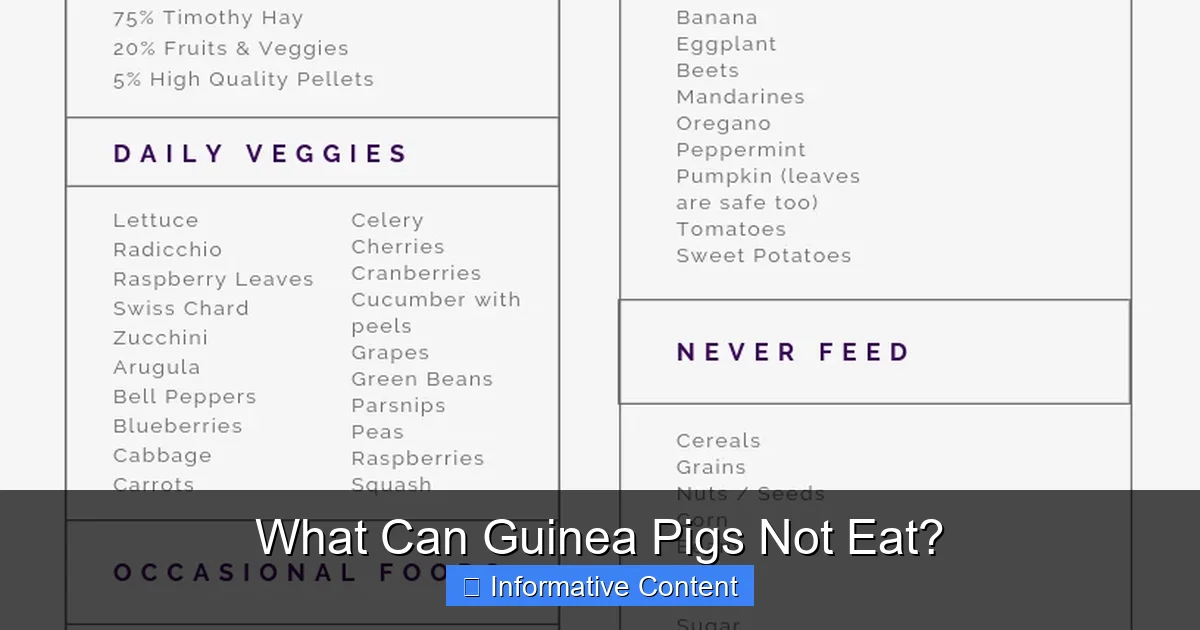
- Toxic Foods List: Avoid allium family (onions, garlic), chocolate, avocado, rhubarb, potato plants (including green potatoes), tomato leaves/stems, wild plants, and mushrooms, as these are highly toxic.
- Limit Certain Foods: Some foods like high-sugar fruits, high-calcium greens (if overfed), legumes, nuts, seeds, and dairy should be given sparingly or avoided due to potential health risks like obesity, bladder stones, or digestive upset.
- No Human “Scraps”: Never feed guinea pigs human processed foods, candies, chips, or leftovers, as they contain harmful ingredients like excessive salt, sugar, and artificial additives.
- Hay is Paramount: Unlimited access to fresh Timothy hay is the cornerstone of a guinea pig’s diet, essential for digestion and dental health, outweighing the importance of pellets or vegetables.
- Always Research First: If you are ever unsure about a food item, always err on the side of caution and research it thoroughly or consult a vet before offering it to your guinea pig.
Quick Answers to Common Questions
Can guinea pigs eat lettuce?
Yes, but only certain types. Darker, leafy greens like romaine, red leaf, or green leaf lettuce are fine in moderation. Avoid iceberg lettuce, as it has low nutritional value and can cause diarrhea.
Are grapes safe for guinea pigs?
Grapes are safe in very small quantities as an occasional treat due to their high sugar content. Too many can lead to obesity and digestive upset. Always cut them into small pieces and limit frequency.
Can guinea pigs eat bread?
No, guinea pigs should not eat bread or any other human processed grains. These foods are high in carbohydrates, low in fiber, and offer no nutritional benefit, potentially causing digestive issues.
Is spinach safe for guinea pigs?
Spinach is safe in moderation. It’s high in calcium, so it should be offered only a few times a week rather than daily to prevent potential bladder stone formation, especially in adult guinea pigs.
What is the most important food for a guinea pig?
Unlimited access to fresh Timothy hay is the most important food for a guinea pig. It’s essential for their digestive health and helps wear down their continuously growing teeth.
📑 Table of Contents
The Golden Rule: If In Doubt, Leave It Out!
When it comes to your guinea pig’s diet, caution should always be your guiding principle. Their small size and unique physiology mean they process foods very differently than larger animals or humans. A tiny amount of something toxic can have a devastating impact on their delicate systems. Think of it like this: if you’re standing in front of your guinea pig’s cage with a piece of food and you’re not absolutely 100% certain it’s safe, the safest course of action is always to withhold it. It’s far better to err on the side of caution than to risk your pet’s health.
Their digestive systems are specifically designed to process large quantities of fibrous plant material, primarily hay. Any deviation from this, especially introducing items that are high in sugar, fat, or have toxic compounds, can lead to immediate digestive upset, long-term health problems, or worse. Always do your research, consult reliable sources (like your veterinarian), and remember that a guinea pig’s health is directly linked to the careful choices you make about their food.
Foods That Are Toxic or Harmful
This is perhaps the most critical section of our guide, detailing the specific foods that are outright dangerous for guinea pigs. These items should never, under any circumstances, be offered to your pet. Understanding “what can guinea pigs not eat” starts with memorizing this list.
Allium Family (Onions, Garlic, Chives, Leeks)
The entire allium family contains compounds that are toxic to guinea pigs (and many other pets). These can cause damage to red blood cells, leading to a condition called hemolytic anemia. Symptoms might include lethargy, weakness, pale gums, and difficulty breathing. Even small amounts can be harmful.
Visual guide about What Can Guinea Pigs Not Eat?
Image source: i.pinimg.com
Chocolate and Caffeine
This is a big no-no for almost all pets, and guinea pigs are no exception. Chocolate contains theobromine, a stimulant that guinea pigs cannot metabolize effectively. It can cause heart problems, tremors, seizures, and can be fatal. Any form of caffeine is also highly toxic.
Avocado
While often seen as a healthy fat for humans, avocado is problematic for guinea pigs. It’s very high in fat, which can lead to obesity and digestive upset in guinea pigs. More importantly, avocado contains a fungicidal toxin called persin, which can be harmful to small animals, though its effects on guinea pigs specifically are not fully documented, it’s safer to avoid completely.
Rhubarb
Rhubarb leaves and stalks contain high levels of oxalic acid. This compound can bind with calcium, potentially leading to kidney damage, kidney stones, and other metabolic issues. Rhubarb can also cause severe digestive upset, including diarrhea and vomiting.
Potato Plants and Green Potatoes
Potatoes, particularly the green parts of the potato, sprouts, and the leaves/stems of the potato plant, contain solanine. Solanine is a glycoalkaloid toxin that can cause severe digestive upset, neurological problems, and is potentially lethal to guinea pigs. Even cooked potatoes are too starchy and offer no nutritional benefit, so it’s best to avoid them entirely.
Tomato Leaves and Stems
Similar to potatoes, tomato plants (leaves, stems, and unripe green tomatoes) also contain solanine and other toxic alkaloids. While ripe red tomatoes are generally safe in very small amounts as an occasional treat, the plant itself should be kept far away from your guinea pig.
Wild Plants and Flowers
Unless you are an expert botanist, never feed your guinea pig plants or flowers foraged from outside. Many common garden and wild plants are highly poisonous. Examples include foxglove, lilies, ivy, daffodils, buttercups, delphiniums, and many others. It’s simply too risky to guess.
Mushrooms
Both wild and cultivated mushrooms should be avoided. While some mushrooms might not be immediately toxic, others are deadly, and it’s almost impossible for a non-expert to distinguish between them. There’s no nutritional benefit that outweighs the significant risk.
Iceberg Lettuce
While not outright toxic, iceberg lettuce is very poor in nutritional value, containing mostly water. More importantly, it can act as a diuretic and laxative, potentially causing diarrhea and dehydration in guinea pigs due to its high water content and specific compounds. Stick to darker, more nutrient-rich leafy greens.
Human Processed Foods (Candy, Cookies, Chips, etc.)
This category encompasses a vast array of foods that are completely unsuitable for guinea pigs. Anything high in sugar, salt, artificial flavors, preservatives, or unhealthy fats should be strictly off-limits. These items can lead to obesity, dental problems, diabetes, digestive upset, and a host of other health issues.
Foods That Are Dangerous in Large Quantities or Frequencies
Some foods aren’t outright toxic but become problematic if fed too often or in too large quantities. Balance and moderation are key with these items to ensure your guinea pig’s long-term health.
High-Sugar Fruits (Grapes, Bananas, Apples, Pears)
Fruits can be a delightful treat, but they are also naturally high in sugar. While small pieces of fruit a couple of times a week are fine, overfeeding can lead to obesity, dental issues (cavities are rare, but sugar contributes to overall poor dental health), and digestive imbalances. Always remove seeds from apples and pears, as they contain cyanide compounds.
High-Calcium Foods (Alfalfa Hay, Spinach, Kale)
Calcium is an essential nutrient, but too much can be detrimental to guinea pigs. Excessive calcium intake, especially in adult guinea pigs, can contribute to the formation of bladder stones (urolithiasis), a painful and serious condition requiring veterinary intervention. While younger, growing guinea pigs can tolerate more calcium, adults should primarily eat Timothy hay (which is lower in calcium) and a variety of lower-calcium greens. Spinach and kale are fine in moderation a few times a week, but not daily staples.
Legumes (Beans, Peas)
Beans and peas can cause gas and bloat in guinea pigs due to their complex carbohydrates. While a very small, occasional piece of a green bean might not cause immediate harm, they offer little benefit and carry a risk of digestive upset. It’s generally safer to avoid them.
Nuts and Seeds
Nuts and seeds are very high in fat and can lead to obesity. They also pose a choking hazard due to their hard texture. Furthermore, some seeds (like apple seeds) contain harmful compounds. Guinea pigs are herbivores and don’t naturally consume these types of foods.
Dairy Products
Guinea pigs are lactose intolerant, meaning they lack the enzymes necessary to digest milk sugars. Feeding them dairy products like milk, cheese, or yogurt can lead to severe digestive upset, including diarrhea and gas. They have no nutritional need for dairy anyway.
Cabbage and Broccoli (Large Amounts)
While small amounts of certain brassicas like broccoli florets or cabbage leaves can be offered occasionally, large quantities can cause excessive gas and bloating. This is due to compounds they contain that ferment in the gut. Offer sparingly and monitor your guinea pig for any signs of discomfort.
Common Misconceptions and What to Avoid
Navigating a guinea pig’s diet can be tricky, and there are several common pitfalls new (and even experienced) owners might encounter. Knowing “what can guinea pigs not eat” also means understanding these subtle dangers.
“Just a Little Bit Won’t Hurt”
This is a dangerous mindset when it comes to guinea pig nutrition. Guinea pigs are small and extremely sensitive. A “little bit” of a toxic food for a human could be a significant, harmful dose for a guinea pig. Their tiny bodies cannot process toxins as efficiently, and even seemingly benign ingredients in human food (like excessive sugar or salt) can cause serious health problems over time. Always remember their unique biology.
Feeding from the Floor
It might seem harmless to let your guinea pig nibble on something that’s fallen on the floor, but this practice comes with significant risks. Floors can harbor cleaning chemicals, dust, dirt, unseen food particles from previous meals that might be spoiled, or even tiny pieces of plastic or other non-food items. Always offer food in a clean bowl or directly from your hand, ensuring it’s fresh and safe.
Feeding “Scraps”
Human meal leftovers, often referred to as “scraps,” are generally inappropriate for guinea pigs. These typically contain ingredients like oils, seasonings, sauces, and cooked components that are not only nutritionally unsuitable but can also be harmful. Guinea pigs need fresh, uncooked vegetables and specific formulated foods, not diluted versions of human meals. What’s delicious for you is not necessarily good for them.
Overfeeding Pellets
While a good quality, Vitamin C-fortified pellet is an important part of a guinea pig’s diet, it should not be the primary food source. Overfeeding pellets can lead to obesity, dental problems (as they don’t require as much chewing as hay), and can deter them from eating enough hay, which is vital for their digestion and teeth. Follow the feeding guidelines on the pellet bag and consult your vet for appropriate amounts based on your guinea pig’s age and activity level.
The Ideal Guinea Pig Diet: A Quick Refresher
After all this talk about “what can guinea pigs not eat,” it’s good to remind ourselves of the core components of a healthy guinea pig diet. This balanced approach will ensure your pet gets all the necessary nutrients to thrive.
Unlimited Timothy Hay
This is the foundation of every guinea pig’s diet. Timothy hay (or orchard grass hay) should be available 24/7. It’s crucial for their digestive health, keeping their gut moving properly, and for wearing down their continuously growing teeth, preventing painful dental issues. Hay should be fresh, clean, and dust-free.
High-Quality Pellets
Choose a good quality, plain, timothy-based pellet specifically formulated for guinea pigs and fortified with Vitamin C. Avoid colorful, “treat-filled” mixes, as these often contain unhealthy ingredients. A small portion (about 1/8 to 1/4 cup per day for an adult) is usually sufficient, but always check the manufacturer’s guidelines and consult your vet.
Fresh Vegetables
Daily fresh vegetables are essential, providing vital vitamins, minerals, and moisture. Good choices include bell peppers (especially red, yellow, orange for Vitamin C), various leafy greens (romaine lettuce, red leaf lettuce, green leaf lettuce, dandelion greens – in moderation for high calcium ones), and small amounts of cucumber or carrot. Introduce new veggies slowly and in small quantities to monitor for digestive upset.
Fresh Water
Always provide unlimited access to fresh, clean water in a sipper bottle. Change the water daily and clean the bottle thoroughly to prevent bacterial growth. Some guinea pigs may also enjoy drinking from a heavy ceramic bowl, but ensure it cannot be easily tipped over.
Conclusion
Caring for a guinea pig involves providing them with a safe, loving environment and, crucially, the right nutrition. Understanding “what can guinea pigs not eat” is a fundamental part of being a responsible pet owner. Their delicate digestive systems and specific nutritional needs mean that many foods we enjoy or even consider healthy for ourselves can be dangerous for them. By avoiding toxic items and offering potentially problematic foods only in strict moderation, you’re setting your furry friend up for a long, healthy, and happy life. Always prioritize fresh hay, quality pellets, and appropriate vegetables, and remember: when in doubt, it’s always best to leave it out! Your guinea pig will thank you for your careful choices with endless purrs and happy wheeks.
Frequently Asked Questions
Can guinea pigs eat carrots?
Yes, guinea pigs can eat carrots, but only in very small amounts as an occasional treat. Carrots are high in sugar, so overfeeding can lead to obesity and dental issues. A small slice a few times a week is sufficient.
What about bell peppers? Are they safe?
Bell peppers, especially red, yellow, and orange ones, are excellent for guinea pigs and a great source of Vitamin C. They can be given daily in moderate amounts, with green bell peppers also being safe but lower in Vitamin C.
Can guinea pigs eat bananas?
Yes, guinea pigs can have tiny pieces of banana as a very occasional treat. Bananas are quite high in sugar, so they should be offered sparingly to prevent weight gain and digestive upset.
Is celery safe for guinea pigs?
Yes, celery is safe for guinea pigs, but it should be offered in moderation and cut into small pieces. Be sure to remove any long, stringy fibers from the stalk to prevent a choking hazard or digestive issues.
What should I do if my guinea pig accidentally eats something they shouldn’t?
If your guinea pig accidentally eats something they shouldn’t, immediately try to identify what they ate and how much. Contact your veterinarian or an emergency animal clinic as soon as possible, as prompt action can be crucial for their well-being.
Why is Vitamin C so important for guinea pigs?
Guinea pigs cannot produce their own Vitamin C and must obtain it through their diet, similar to humans. A deficiency can lead to scurvy, a serious condition affecting joints, gums, and overall health. Good sources include bell peppers and fortified pellets.