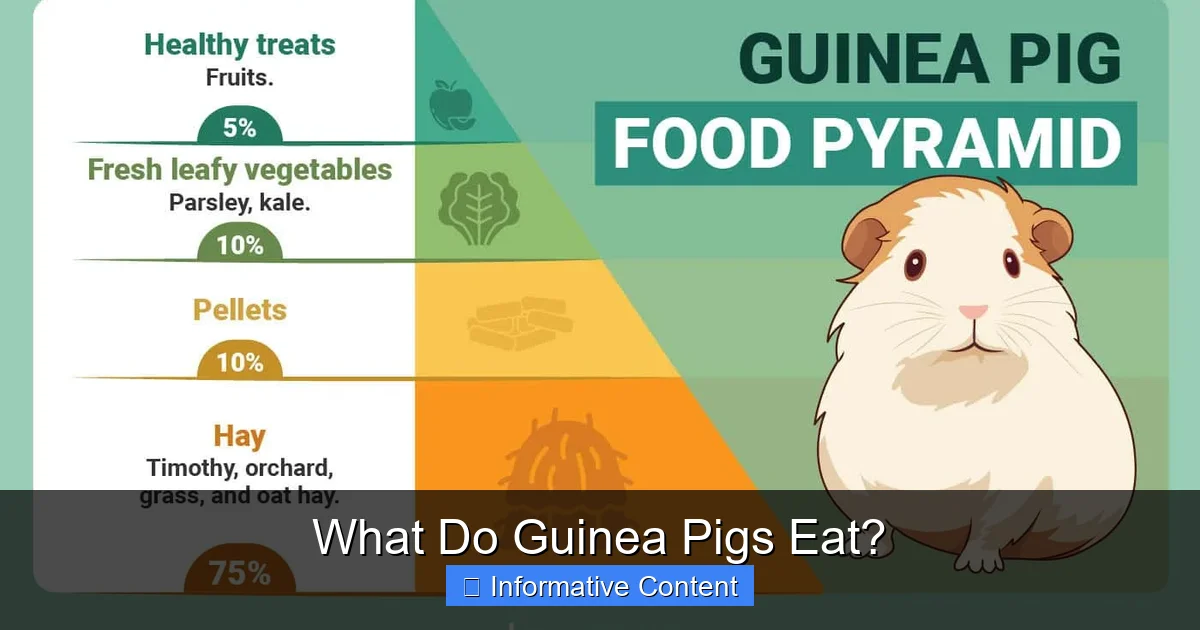
A guinea pig’s diet is fundamentally built around unlimited, high-quality hay, crucial for their digestive system and ever-growing teeth. Alongside this, they require a daily portion of fresh leafy green vegetables, a small, measured amount of fortified guinea pig pellets, and a consistent, direct source of vitamin C. Understanding what guinea pigs eat and avoiding unsuitable foods is key to their long-term health and happiness.
Contents
- What Do Guinea Pigs Eat?
- Key Takeaways
- Quick Answers to Common Questions
- 📑 Table of Contents
- The Unquestionable Foundation: Unlimited High-Quality Hay
- The Non-Negotiable Nutrient: Vitamin C
- A Rainbow of Goodness: Fresh Vegetables and Fruits
- The Supplement: Commercial Pellets
- The Unsung Hero: Fresh Water
- What NOT to Feed Your Guinea Pig: Dangerous Foods
- Feeding Schedule and Tips for a Happy Guinea Pig
- Frequently Asked Questions
What Do Guinea Pigs Eat?
Bringing a guinea pig into your home is an exciting adventure! These charming, chatty little creatures bring so much joy with their unique personalities and adorable antics. But just like with any pet, understanding their specific needs is paramount to their health and happiness. One of the most critical aspects of caring for a guinea pig is knowing exactly what they should eat. A proper diet isn’t just about satisfying hunger; it’s the cornerstone of preventing common health issues and ensuring your furry friend lives a long, vibrant life.
Many new guinea pig owners might mistakenly think these pets can eat a varied diet similar to other small animals, or even bits of human food. However, guinea pigs have very particular dietary requirements, largely due to their unique digestive system and their inability to produce their own vitamin C. Getting their diet right can seem a little overwhelming at first, but don’t worry! We’re here to break down exactly what guinea pigs eat, why these foods are important, and what to avoid to keep your little companion in tip-top shape. Let’s dive into creating the perfect menu for your beloved guinea pig!
Key Takeaways
- Unlimited High-Quality Hay is Essential: Hay, like timothy or orchard grass, must form the bulk of a guinea pig’s diet, providing vital fiber for digestion and wearing down their continuously growing teeth.
- Vitamin C is Non-Negotiable: Guinea pigs cannot produce their own vitamin C and need a daily supply from fresh vegetables, specific fruits, or fortified pellets and supplements to prevent scurvy.
- Daily Fresh Vegetables are a Must: A variety of leafy greens and some non-leafy vegetables should be offered daily, providing essential vitamins, minerals, and hydration.
- Fortified Pellets in Moderation: High-quality, plain guinea pig pellets (not muesli mixes) should be given in small, measured quantities as a supplement, not the main food source.
- Constant Access to Fresh Water: Clean, fresh water must always be available, typically in a sipper bottle, to keep them well-hydrated.
- Know What to Avoid: Many human foods are toxic or unhealthy for guinea pigs, including sugary treats, fatty foods, dairy, onions, garlic, and specific plants.
- Monitor and Adjust: Pay attention to your guinea pig’s preferences, weight, and droppings to ensure their diet is meeting their individual needs.
Quick Answers to Common Questions
Can guinea pigs eat human food?
While some human foods like certain fresh vegetables are safe for guinea pigs, most processed human foods, sugary snacks, dairy, and fatty items are unsuitable and potentially harmful. Stick to a diet specifically formulated for guinea pigs.
How much hay do guinea pigs need?
Guinea pigs need an unlimited supply of high-quality hay (like timothy or orchard grass) available at all times. Hay is crucial for their digestion and to wear down their continuously growing teeth.
What fruits can guinea pigs eat?
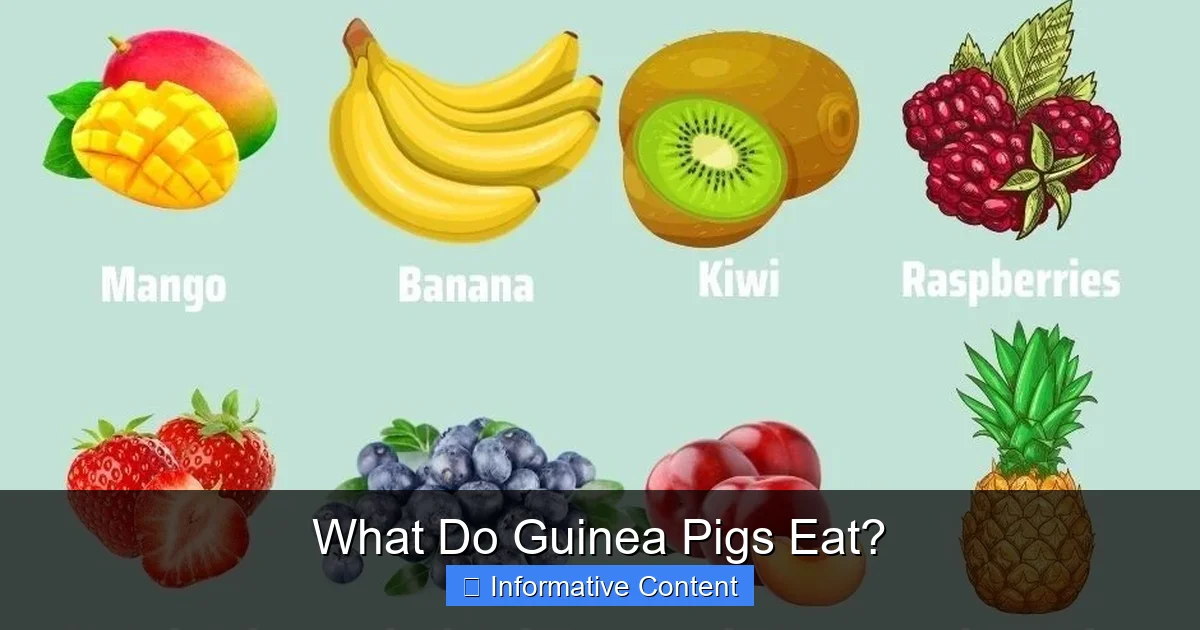
Guinea pigs can eat small amounts of fruits like apples (without seeds), berries, melon, or oranges as occasional treats. Fruits are high in sugar, so they should be given sparingly, only 2-3 times a week.
How often should I feed my guinea pig?
You should provide fresh hay constantly. Fresh vegetables are best offered twice daily, once in the morning and once in the evening. Pellets are typically given once a day, in a measured amount.
What if my guinea pig won’t eat its pellets?
If your guinea pig isn’t eating pellets, first check if they’re too old, stale, or if you’re offering too many other treats. Ensure hay and water are available. If they completely refuse pellets for an extended period, or show other signs of illness, consult a vet.
📑 Table of Contents
- The Unquestionable Foundation: Unlimited High-Quality Hay
- The Non-Negotiable Nutrient: Vitamin C
- A Rainbow of Goodness: Fresh Vegetables and Fruits
- The Supplement: Commercial Pellets
- The Unsung Hero: Fresh Water
- What NOT to Feed Your Guinea Pig: Dangerous Foods
- Feeding Schedule and Tips for a Happy Guinea Pig
The Unquestionable Foundation: Unlimited High-Quality Hay
If there’s one thing you absolutely must remember about what guinea pigs eat, it’s hay. Hay isn’t just a snack; it’s the single most important component of their diet, forming the vast majority of what guinea pigs should consume every single day. Think of it as their daily bread, their main course, and their dental floss all rolled into one. Your guinea pig should have access to an unlimited supply of fresh hay at all times.
Why is Hay So Important?
Hay serves two critical functions for guinea pigs:
- Digestive Health: Guinea pigs are hindgut fermenters, meaning they need a constant flow of high-fiber food through their digestive system to keep it healthy and functioning correctly. Hay provides this essential fiber, preventing painful and dangerous conditions like gut stasis, where the digestive system slows down or stops.
- Dental Health: A guinea pig’s teeth grow continuously throughout their life. Chewing on tough, fibrous hay helps wear down their molars and incisors naturally. Without sufficient hay, their teeth can become overgrown, leading to severe pain, inability to eat, and serious health problems that often require veterinary intervention.
What Kind of Hay Should You Offer?
The best types of hay for adult guinea pigs are:
- Timothy Hay: This is the gold standard. It’s high in fiber and relatively low in calcium, making it perfect for daily, unlimited feeding.
- Orchard Grass Hay: A good alternative or supplement to timothy hay, especially if your guinea pig is a bit picky or has allergies. It’s also high in fiber.
- Meadow Hay: Another good option, offering a mix of various grasses and sometimes wildflowers.
For very young, pregnant, or nursing guinea pigs, alfalfa hay can be offered in small amounts because it’s higher in calcium and protein, which they need. However, for most adult guinea pigs, alfalfa hay should be avoided or given very sparingly, as too much calcium can lead to bladder stones. Always ensure the hay is fresh, dry, and free of dust or mold. Good hay smells sweet and looks greenish, not brown or yellow.
The Non-Negotiable Nutrient: Vitamin C
Visual guide about What Do Guinea Pigs Eat?
Image source: moreguineapigs.com
Here’s a crucial fact about what guinea pigs eat: they cannot produce their own vitamin C. This makes them similar to humans in this regard. Without a daily supply of this vital nutrient, guinea pigs can develop scurvy, a debilitating and potentially fatal disease. Symptoms of scurvy include lethargy, joint pain, ruffled fur, loss of appetite, and difficulty moving. Therefore, ensuring a consistent intake of vitamin C is a cornerstone of their diet.
Sources of Vitamin C for Guinea Pigs
You can provide vitamin C through several avenues:
- Fresh Vegetables: This is the best and most natural way to deliver vitamin C. Many guinea pig-friendly vegetables are packed with it.
- Fortified Pellets: High-quality guinea pig pellets are typically fortified with vitamin C. However, vitamin C is unstable and can degrade over time, especially when exposed to light, air, or moisture. Always check the expiration date and buy pellets in small quantities.
- Supplements: In some cases, your vet might recommend a direct vitamin C supplement, either in liquid form (given orally) or chewable tablets. Avoid adding it to their water, as it can degrade quickly, alter the taste (leading to reduced water intake), and you can’t guarantee your guinea pig is getting the full dose.
Aim for around 10-30 mg of vitamin C per kilogram of body weight daily for an adult guinea pig, but this can vary depending on their health and life stage.
A Rainbow of Goodness: Fresh Vegetables and Fruits
After hay, fresh vegetables are the next most important part of what guinea pigs eat. They provide essential vitamins, minerals, antioxidants, and a welcome source of hydration. Offering a variety of safe vegetables daily is key to a balanced diet.
Daily Vegetable Staples
Focus on leafy green vegetables as the bulk of their daily fresh food. Offer about one cup of fresh vegetables per guinea pig per day, split into two meals. Good daily options include:
- Leafy Greens:
- Romaine lettuce (not iceberg, which has little nutritional value)
- Green leaf lettuce
- Red leaf lettuce
- Cilantro
- Parsley (in moderation, as it’s high in calcium)
- Bell peppers (especially red, yellow, and orange, which are very high in vitamin C – a small slice daily is perfect!)
- Endive
- Dandelion greens (ensure they are pesticide-free)
- Other Vegetables (in smaller amounts or less frequently):
- Cucumber slices
- Zucchini
- Carrot (small amounts, as they are high in sugar)
- Tomatoes (small amounts, remove stems and leaves)
- Celery (cut into small pieces to prevent choking on strings)
- Broccoli florets (small amounts, can cause gas)
Fruits as Occasional Treats
Fruits should be given very sparingly, perhaps 2-3 times a week, and in very small portions. They are high in sugar and can contribute to weight gain and digestive upset if given too often.
- Safe Fruit Options (small pieces):
- Apple (no seeds, which are toxic)
- Berries (strawberries, blueberries, raspberries)
- Melon (cantaloupe, watermelon – remove seeds)
- Orange (small segment, excellent for vitamin C but high in sugar)
- Kiwi
Tips for Feeding Fresh Produce
- Wash Thoroughly: Always wash all fruits and vegetables to remove pesticides and dirt.
- Introduce Slowly: When introducing new foods, do so one at a time and in small amounts to monitor for any digestive upset (like soft stools).
- Remove Uneaten Food: Fresh food can spoil quickly. Remove any uneaten vegetables or fruits after a few hours to prevent mold or bacterial growth.
- Variety is Key: Don’t stick to just one or two types of vegetables. A varied diet ensures a broader spectrum of nutrients.
The Supplement: Commercial Pellets
While hay and fresh produce form the bulk of what guinea pigs eat, a small amount of high-quality, fortified guinea pig pellets rounds out their diet. Pellets are designed to provide concentrated vitamins and minerals that might be lacking in hay and vegetables alone, especially vitamin C.
What to Look For in Guinea Pig Pellets
Not all pellets are created equal. When choosing pellets for your guinea pig, look for:
- Timothy Hay-Based: For adult guinea pigs, choose pellets that list timothy hay as the primary ingredient. Avoid alfalfa-based pellets for adults unless directed by a vet.
- Plain and Uniform: Opt for plain, green, uniform pellets. Avoid “muesli” mixes that contain seeds, nuts, dried fruits, or colorful bits. These mixes allow guinea pigs to selectively eat only the tasty (and often unhealthy) parts, leading to an unbalanced diet and potential dental problems as they don’t encourage proper chewing.
- Fortified with Vitamin C: Ensure the pellets are specifically formulated for guinea pigs and contain stabilized vitamin C.
- No Fillers or By-Products: Check the ingredient list for unnecessary fillers, corn, or animal by-products.
How Much to Feed
Pellets should be given in limited quantities. For an adult guinea pig, about 1/8 to 1/4 cup (approximately 15-30g) per day is usually sufficient. This amount should be adjusted based on their age, weight, and activity level. Young, pregnant, or nursing guinea pigs may need slightly more. The goal is for pellets to complement, not replace, hay and fresh vegetables. If your guinea pig finishes all their pellets quickly, it’s a good sign, but remember that hay should still be their main focus.
The Unsung Hero: Fresh Water
It might seem obvious, but consistently providing fresh, clean water is just as vital as providing the right food. Hydration is crucial for all bodily functions, including digestion and nutrient absorption.
How to Provide Water
The most common and effective way to offer water to guinea pigs is through a sipper bottle with a metal spout.
- Multiple Bottles: It’s a good idea to have at least two water bottles in the cage, in case one malfunctions or runs dry.
- Daily Cleaning: Water bottles should be cleaned daily with a brush to prevent algae and bacterial growth. Replace the water completely every day, even if the bottle isn’t empty.
- Check for Functionality: Ensure the spout isn’t clogged and that water is freely flowing. Tap the ball bearing a few times to test it.
- Bowl Option: Some guinea pigs prefer drinking from a heavy ceramic bowl. If using a bowl, ensure it’s shallow to prevent accidental drowning and heavy enough not to tip over easily. Bowls need to be cleaned multiple times a day as they can quickly become soiled with bedding or droppings.
What NOT to Feed Your Guinea Pig: Dangerous Foods
Knowing what guinea pigs eat is only half the battle; it’s equally important to know what they absolutely should not eat. Many common human foods are toxic, unhealthy, or simply unsuitable for guinea pigs and can cause severe health problems or even death.
Foods to Strictly Avoid:
- Toxic Plants:
- Lily of the valley, daffodils, tulips, ivy, azaleas, rhododendrons, foxglove, nightshade, hemlock, poppy, buttercups, ragwort.
- Avocado: High in fat and can be toxic.
- Potato leaves/stems: Toxic.
- Tomato leaves/stems: Toxic.
- Rhubarb: Highly toxic leaves and stalks.
- High-Sugar Foods:
- Any processed human sweets, chocolates, biscuits, cakes, fruit juices.
- Excessive amounts of sugary fruits (use sparingly).
- High-Fat Foods:
- Seeds, nuts, avocado, fatty human snacks.
- Dairy Products:
- Guinea pigs are lactose intolerant and cannot digest dairy. No milk, cheese, yogurt, etc.
- Meat and Animal Products:
- Guinea pigs are strict herbivores. Never feed them meat, eggs, or any animal products.
- Onions, Garlic, Leeks, Chives:
- These belong to the allium family and are toxic to guinea pigs, causing blood disorders.
- Iceberg Lettuce:
- While not toxic, it has very little nutritional value and can cause diarrhea. Stick to darker, leafy greens.
- Dried Fruits:
- Often have added sugar and are very concentrated in natural sugars.
- Beans and Peas:
- Can cause bloat and digestive issues.
- Cabbage:
- While not toxic, large amounts can cause gas and bloating. Offer very sparingly if at all.
- Pet Store “Treats” with Seeds/Nuts:
- Many commercial treats sold for guinea pigs are unhealthy and often contain ingredients like seeds, nuts, and added sugars. Avoid these. Stick to natural treats like small pieces of safe fruit or extra bell pepper.
When in doubt, always err on the side of caution. If you’re unsure if a food is safe, it’s best not to offer it. A quick online search or a call to your vet can provide clarity.
Feeding Schedule and Tips for a Happy Guinea Pig
Establishing a routine and understanding the nuances of what guinea pigs eat will lead to a healthier, happier pet.
Ideal Daily Feeding Schedule:
- Morning: Replenish hay supply, provide a portion of fresh vegetables, refill water bottle.
- Evening: Replenish hay supply, provide a portion of fresh vegetables, offer a small amount of pellets.
- Throughout the Day: Ensure hay and water are always accessible.
Key Feeding Tips:
- Consistency is Key: Guinea pigs thrive on routine. Try to feed them at roughly the same times each day.
- Observe Your Guinea Pig: Pay attention to their eating habits. Are they finishing their food? Are their droppings normal (firm, oval)? Changes can indicate a dietary issue or illness.
- Monitor Weight: Weigh your guinea pig regularly (once a week) to catch any significant weight loss or gain early. This is a good indicator of overall health.
- Introduce New Foods Gradually: Always introduce new vegetables or fruits one at a time, in small amounts, over several days. This allows their digestive system to adjust and helps you identify any foods that might cause upset.
- Cleanliness: Always ensure food bowls and water bottles are clean.
- Prevent Selective Eating: If your guinea pig is being picky with their pellets, you might be feeding too many treats or too much of their favorite vegetables. Reduce other foods slightly to encourage them to eat their pellets (but never restrict hay!).
In conclusion, understanding what guinea pigs eat is foundational to their care. By prioritizing unlimited fresh hay, a daily variety of vitamin C-rich vegetables, a small amount of fortified pellets, and constant access to fresh water, you’ll be setting your guinea pig up for a lifetime of health and happiness. Avoid dangerous foods, keep their environment clean, and always be observant of their eating habits. With a little knowledge and care, you can ensure your little companion thrives under your loving attention!
Frequently Asked Questions
Is it okay for guinea pigs to eat grass from the lawn?
Yes, guinea pigs can eat fresh, clean grass from your lawn, provided it hasn’t been treated with pesticides or fertilizers and is free from animal waste. Introduce it slowly, and avoid grass that’s wet or decaying.
Do guinea pigs need vitamin C supplements?
While fresh vegetables rich in vitamin C and fortified pellets are usually sufficient, some guinea pigs might benefit from supplements, especially if they are ill, stressed, or older. Always consult your veterinarian before adding any supplements to their diet.
Can guinea pigs eat carrots every day?
Carrots can be given to guinea pigs, but they are high in sugar. They should be offered as a treat in very small amounts (e.g., a few slices) a few times a week, rather than as a daily staple, to prevent weight gain and other health issues.
How do I know if my guinea pig is getting enough to eat?
A healthy guinea pig will be active, have bright eyes, and produce consistent, firm, oval droppings. Regularly weighing your guinea pig and observing their energy levels and appetite will help you determine if their diet is adequate.
My guinea pig is picky, what should I do?
Picky eaters can be frustrating! Try offering a wider variety of safe vegetables to see what they prefer, introduce new foods slowly, and ensure you’re not overfeeding pellets or sugary treats that might fill them up.
How long can a guinea pig go without food?
Guinea pigs should never go long without food, especially hay. Their digestive system needs to be constantly moving, so even a few hours without food can lead to serious digestive problems like gut stasis. If your guinea pig isn’t eating, it’s an emergency, and you should contact your vet immediately.