Guinea pigs are pregnant for a surprisingly long time, typically between 59 and 72 days, or roughly 9 to 10 weeks. This extended gestation period is due to their young being born precocial, meaning they are well-developed and active almost immediately after birth. Understanding this timeframe is crucial for proper care and preparation for the arrival of new pups.
Contents
- How Long Are Guinea Pigs Pregnant?
- Key Takeaways
- Quick Answers to Common Questions
- What is the average gestation period for guinea pigs?
- Why is guinea pig pregnancy so long compared to other rodents?
- Can a guinea pig get pregnant again immediately after giving birth?
- What are some key signs that a guinea pig is pregnant?
- When should male guinea pig pups be separated from their mother and female siblings?
- 📑 Table of Contents
- The Guinea Pig Gestation Period: A Closer Look
- Recognizing Pregnancy in Guinea Pigs
- Providing Optimal Care During Pregnancy
- Understanding the Birthing Process (Parturition)
- Post-Natal Care for Mom and Pups
- Conclusion
- Frequently Asked Questions
How Long Are Guinea Pigs Pregnant?
Bringing new life into the world is always an exciting prospect, and when it comes to our beloved guinea pigs, it’s no different! Discovering your furry friend is expecting can fill you with joy, but it also comes with a lot of questions. One of the most common and important queries pet parents have is, “How long are guinea pigs pregnant?” Understanding the gestation period is absolutely crucial for providing the best care and preparing for the arrival of adorable new pups.
Unlike some other small rodents, guinea pigs have a surprisingly long pregnancy. This unique characteristic is tied to how their babies develop. Instead of being born helpless and blind, guinea pig pups arrive into the world remarkably well-developed and ready to explore. This guide will walk you through everything you need to know about guinea pig pregnancy, from how long it lasts to how to care for your expectant mother and her future babies.
So, if you’re a proud guinea pig owner, or perhaps considering becoming one, let’s dive into the fascinating world of guinea pig gestation. Knowing the timeline will help you ensure a safe and healthy journey for your pregnant sow and give her the best possible chance to deliver strong, vibrant little ones. Get ready to learn all about this special time in a guinea pig’s life!
Key Takeaways
- Extended Gestation Period: Guinea pigs are pregnant for a significant duration, ranging from 59 to 72 days (approximately 9-10 weeks), which is quite long for a small animal.
- Precocial Pups: Their lengthy gestation means guinea pig pups are born highly developed, with fur, open eyes, and the ability to walk and eat solid food within hours of birth.
- Recognizing Pregnancy: Key signs include significant weight gain, a pear-shaped abdomen, increased appetite, and visible movement of pups in later stages. A vet visit is recommended for confirmation.
- Critical Prenatal Care: Pregnant guinea pigs require special attention to nutrition (especially Vitamin C), a stress-free environment, and gentle handling to ensure a healthy pregnancy.
- Birthing Process: Labor is usually quick, often occurring at night. Owners should be prepared for potential complications, particularly if the sow is older and breeding for the first time.
- Crucial Post-Natal Care: After birth, both the mother and pups need continued support. Monitoring the mother’s recovery and ensuring pups are thriving is essential.
- Preventing Unwanted Pregnancies: Male pups can impregnate their mother or sisters as early as 3 weeks old, making prompt separation of genders vital to avoid continuous breeding.
Quick Answers to Common Questions
What is the average gestation period for guinea pigs?
The average gestation period for guinea pigs ranges from 59 to 72 days, or roughly 9 to 10 weeks.
Why is guinea pig pregnancy so long compared to other rodents?
Guinea pigs have a longer gestation because their pups are born precocial, meaning they are born fully developed with fur, open eyes, and the ability to walk and eat solids almost immediately.
Can a guinea pig get pregnant again immediately after giving birth?
Yes, guinea pigs can become pregnant immediately after giving birth, which is why it’s crucial to separate males from the mother and female pups as soon as possible.
What are some key signs that a guinea pig is pregnant?
Key signs include significant weight gain, a pear-shaped and swollen abdomen, increased appetite, and visible movement of pups in the later stages of pregnancy.
When should male guinea pig pups be separated from their mother and female siblings?
Male guinea pig pups should be separated from their mother and any female siblings by the time they are 3 weeks old to prevent accidental pregnancies, as they can become sexually mature very early.
📑 Table of Contents
The Guinea Pig Gestation Period: A Closer Look
When asking “how long are guinea pigs pregnant?”, the answer might surprise you if you’re used to the rapid pregnancies of hamsters or mice. Guinea pigs have a much longer gestation period, which is a significant factor in their care.
The Typical Range
The standard duration for a guinea pig pregnancy is generally between 59 and 72 days. This means your expectant sow could be pregnant for anywhere from just over eight weeks to a little over ten weeks. That’s quite a stretch for a little creature! On average, most guinea pigs will deliver their pups right around the 63 to 68-day mark. It’s important to keep this timeframe in mind as you monitor your pregnant guinea pig. Knowing this range helps you predict the general due date and prepare accordingly.
Why the Variation?
You might wonder why there’s such a wide range in guinea pig pregnancy lengths. Several factors can influence exactly how long a guinea pig is pregnant for:
- Litter Size: This is one of the biggest influences. Sows carrying a smaller litter (1-2 pups) tend to have a slightly longer gestation period, sometimes stretching towards the upper end of the 72-day range. Conversely, guinea pigs pregnant with larger litters (4-6 pups) often deliver a few days earlier, closer to the 59-day mark. It’s thought that the larger number of fetuses provides stronger hormonal signals for earlier labor.
- Mother’s Age: Younger, first-time mothers might have slightly different timelines compared to experienced sows, though this factor is less significant than litter size. However, age is a critical factor for safety, as first-time mothers over 7-8 months old can face severe complications due to fused pelvic bones.
- Individual Differences: Just like humans, every guinea pig is an individual! Some sows naturally have slightly shorter or longer pregnancies without any apparent reason.
- Breed: While not a primary factor, very subtle variations might exist between different guinea pig breeds, though this is generally negligible compared to litter size.
Compared to Other Small Animals
To put the guinea pig gestation period into perspective, let’s compare it to a few other popular small pets:
- Hamsters: Syrian hamsters are pregnant for a mere 16 days! Dwarf hamsters are slightly longer, around 18-21 days.
- Rabbits: Rabbits have a gestation period of approximately 28-35 days, usually around 31 days.
- Mice: Mice are pregnant for only about 19-21 days.
As you can see, the guinea pig’s 59-72 day pregnancy stands out significantly. This longer gestation is a direct result of their unique evolutionary strategy: producing precocial young. This means the babies are born incredibly well-developed, rather than helpless.
Recognizing Pregnancy in Guinea Pigs
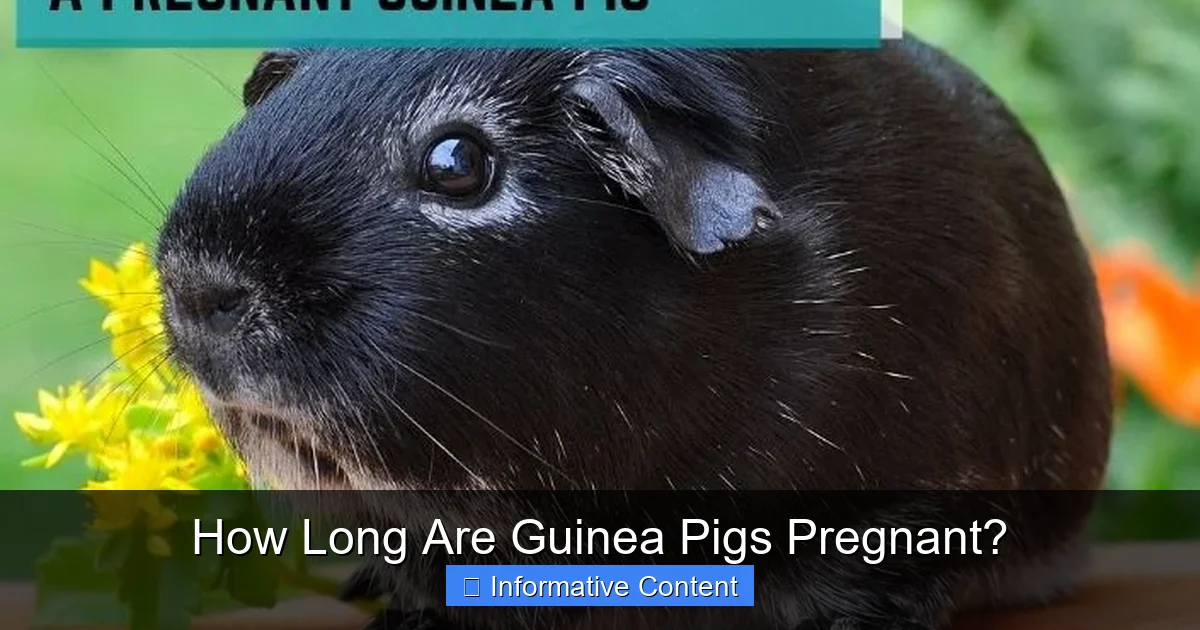
Visual guide about How Long Are Guinea Pigs Pregnant?
Image source: moreguineapigs.com
Identifying if your guinea pig is pregnant can sometimes be tricky, especially in the early stages. Guinea pigs are masters at hiding illness or changes, but there are definitely signs to look out for. Recognizing these signs early allows you to provide the best care.
Early Signs
In the initial weeks, the signs of pregnancy can be subtle:
- Weight Gain: A gradual increase in weight is often one of the first indicators. This isn’t just normal growth; it will be a more pronounced and steady gain.
- Increased Appetite and Thirst: Your guinea pig might seem hungrier and drink more water than usual. After all, she’s eating for several!
- Behavioral Changes: Some sows might become a bit more lethargic, resting more often, or seeking out quiet spots. Others might become more irritable or shy. However, these behavioral changes can also indicate illness, so it’s always good to combine them with other signs.
Later Signs
As the pregnancy progresses, usually around the 4-6 week mark, the signs become much more obvious:
- Significant Abdominal Swelling: Her belly will become noticeably rounder and firmer. It often takes on a pear-shaped appearance.
- Swaying Gait: With a heavily swollen abdomen, your guinea pig might waddle or sway when she walks.
- Visible Movement of Pups: In the final weeks, you might even be able to gently feel or sometimes even see the pups moving within her belly. This is a clear and exciting sign!
- Widened Pelvis: For experienced owners or veterinarians, gently feeling the pelvic area can reveal a loosening or widening of the bones, preparing for birth. This should only be attempted by someone very gentle and experienced, as excessive pressure can harm the pups.
The Importance of a Vet Check
While observing these signs yourself is helpful, a veterinary visit is highly recommended if you suspect your guinea pig is pregnant. A vet can:
- Confirm Pregnancy: They can gently palpate the abdomen to feel the pups or, in some cases, use an ultrasound to get a clearer picture.
- Estimate Due Date: Based on the size of the pups and the stage of development, your vet can give you a more accurate idea of how long your guinea pig is pregnant for and when to expect the babies.
- Rule Out Other Conditions: Sometimes, abdominal swelling can be due to cysts, tumors, or bloat, which require different treatment. A vet can rule these out.
- Provide Advice on Care: Your vet can offer tailored advice on nutrition, environment, and what to expect during labor.
Providing Optimal Care During Pregnancy
Once you’ve confirmed your guinea pig is pregnant, providing excellent care is paramount for her health and the healthy development of her pups. This isn’t just about knowing how long guinea pigs are pregnant; it’s about making sure she thrives during that time.
Nutritional Needs
A pregnant guinea pig’s nutritional requirements increase significantly. Good nutrition is critical for supporting the growth of her pups and maintaining her own strength.
- Unlimited High-Quality Hay: Always provide unlimited access to fresh, high-quality timothy hay. Hay is essential for digestion and overall health.
- High-Quality Pellets: Increase her daily portion of high-quality guinea pig pellets. Look for pellets specifically designed for pregnant or nursing guinea pigs, or simply provide more of her usual high-quality, plain pellets. Avoid those with seeds or sugary treats.
- Vitamin C is Crucial: Guinea pigs cannot produce their own Vitamin C, and it’s even more vital during pregnancy. Offer plenty of fresh vegetables rich in Vitamin C daily, such as bell peppers (all colors!), kale, parsley, and cilantro. You might also consider a liquid Vitamin C supplement, as advised by your vet.
- Fresh Vegetables and Fruits: Continue to offer a variety of fresh, guinea pig-safe vegetables. A small amount of fruit can be given as a treat. Ensure a steady supply of fresh, clean water.
- Avoid Calcium Overload: While calcium is important, too much can be detrimental. Avoid alfalfa hay or pellets unless specifically recommended by your vet, as it’s very high in calcium and can lead to bladder stones in some guinea pigs.
Safe Environment
A stress-free and secure environment is vital for a pregnant guinea pig.
- Quiet and Calm: Position her cage in a quiet area of your home, away from loud noises or sudden disturbances.
- Stable Temperature: Ensure the room temperature is stable and comfortable, avoiding drafts or extreme heat/cold.
- Adequate Space: Make sure her cage is spacious enough for her to move around comfortably, even with her enlarged belly. Adding a hidey house or two will give her a sense of security.
- Soft Bedding: Provide plenty of soft, absorbent bedding. This will be more comfortable for her and help prepare for the birth.
Exercise and Handling
While your guinea pig needs to remain active, her handling needs to change.
- Gentle Handling: Handle her gently and less frequently as her pregnancy advances. Always support her entire body, especially her abdomen, to avoid putting pressure on the pups.
- Monitor Activity: Encourage light activity within her cage, but don’t force her. She’ll likely be less active as the due date approaches.
- No Rough Play: Absolutely no rough play or sudden movements that could cause her to fall or injure herself.
Preparing for Delivery
As the due date approaches, you’ll want to make a few preparations.
- Nesting Area: While guinea pigs don’t build elaborate nests, providing a safe, dark, and secluded area within the cage (like an extra hidey house or a cardboard box) can offer her comfort.
- Extra Bedding: Add extra soft bedding, like fleece liners or paper-based bedding, to the nesting area.
- Separate Males: If she is housed with a male guinea pig, remove him well before her due date. Guinea pigs can become pregnant immediately after giving birth, which is highly detrimental to the mother’s health and could lead to continuous, unhealthy breeding cycles.
Understanding the Birthing Process (Parturition)
Knowing how long are guinea pigs pregnant prepares you for the big day. The birthing process itself is usually straightforward, but it’s important to be aware of what to expect and when to seek help.
Signs of Impending Labor
As her due date draws near, you might notice some subtle signs that labor is approaching, typically in the last few days:
- Restlessness: She might seem agitated, constantly shifting positions, or pacing in her cage.
- Loss of Appetite: Some sows may temporarily lose interest in food shortly before labor begins.
- Nesting Behavior: While not elaborate, she might gather bedding into a pile.
- Pelvic Relaxation: The pelvic bones will relax and widen further in preparation for the pups to pass through. An experienced owner or vet can feel this.
- Straining: You might observe her straining, similar to how she would defecate, as contractions begin.
The Birthing Event Itself
Guinea pig births are usually surprisingly quick and private affairs.
- Timing: Most births occur at night or in the early morning hours when it’s quiet.
- Speed: The entire process, from the first pup to the last, typically lasts only about 30 minutes to an hour. Each pup is usually born about 5-10 minutes apart.
- Pups are Precocial: This is the most remarkable aspect! Guinea pig pups (called ‘pups’ or ‘piglets’) are born fully developed. They have fur, their eyes are open, and they can walk, run, and even eat solid food within hours of birth. They are truly miniature versions of their parents.
- Mother’s Role: The mother will clean each pup thoroughly as it’s born, eating the placenta. This is normal and provides her with nutrients.
Potential Complications
While most guinea pig births go smoothly, complications can arise, especially if the guinea pig is a first-time mother bred at an older age (over 7-8 months).
- Dystocia (Difficult Birth): This is the most serious complication. It often occurs if a female guinea pig is bred for the first time after her pelvic bones have fused (usually around 7-8 months of age), making it impossible for pups to pass through.
- Retained Placenta: The mother might not pass all the placentas, which can lead to infection.
- Hemorrhage: Excessive bleeding is a serious concern.
- Stillbirths: Unfortunately, sometimes pups are stillborn.
When to Seek Veterinary Help
It’s crucial to know when to intervene and contact a vet:
- Prolonged Straining: If your guinea pig has been straining for more than 20-30 minutes without producing a pup, it’s an emergency.
- Signs of Distress: Excessive bleeding, extreme lethargy, prolonged labor without progress, or signs of severe pain.
- No Pups After Labor Signs: If you observe strong signs of labor but no pups appear after an hour or two.
- Mother Ignoring Pups: While rare, a mother might sometimes reject or neglect her pups, especially first-time mothers or if she is ill.
Do not try to pull the pups out yourself; always seek professional veterinary assistance.
Post-Natal Care for Mom and Pups
After the incredible journey of how long guinea pigs are pregnant, the birthing is just the beginning! The post-natal period is equally important for the health and well-being of both the mother and her new babies.
Caring for the Mother
The new mother needs plenty of support to recover and nurse her pups.
- Continued Excellent Nutrition: She will need even more high-quality food, hay, and Vitamin C-rich vegetables to produce milk and regain her strength. Maintain unlimited hay and fresh water.
- Monitor Her Health: Keep a close eye on her for any signs of illness, such as lethargy, loss of appetite, discharge, or inflammation of the mammary glands (mastitis).
- Cleanliness: Keep the cage extra clean to prevent infections, especially for the mother and her vulnerable pups.
Caring for the Pups
Guinea pig pups are incredibly cute and active from day one!
- Precocial Nature: Remember, they are born ready! They will have fur, open eyes, and be able to walk, run, and explore within hours.
- Nursing: Pups will nurse from their mother for about 3 weeks, though they will start nibbling on solid food (hay, pellets, and soft veggies) almost immediately. Ensure they have easy access to shallow water bowls.
- Weight Monitoring: Gently weigh the pups daily for the first week or two to ensure they are gaining weight and thriving. Any pup not gaining weight might need extra attention or vet consultation.
- Gender Identification: This is one of the most critical steps! Guinea pig pups can reach sexual maturity incredibly early. Male pups can impregnate their mother or sisters as early as 3 weeks of age. Therefore, it’s vital to correctly identify the sex of each pup as soon as possible. Your vet can help if you are unsure.
Separating Males and Females
This point cannot be stressed enough:
- Separate by 3 Weeks: All male pups MUST be separated from their mother and any female siblings by the time they are 3 weeks old. This prevents accidental and dangerous pregnancies.
- Housing Options: Male pups can be housed together if they are introduced young and get along. Female pups can stay with their mother or be housed with other females.
- Responsible Pet Ownership: If you are not equipped to care for more guinea pigs, or if you have accidental litters, explore ethical rehoming options through reputable rescues.
Conclusion
Understanding how long guinea pigs are pregnant, which is typically between 59 and 72 days, is just the first step in ensuring a healthy and successful pregnancy journey. This extended gestation period results in those delightful, fully-formed pups that are ready to explore the world almost immediately after birth.
From recognizing the subtle early signs of pregnancy to providing optimal nutrition and a stress-free environment, every stage requires your attentive care. While most births are smooth, being prepared for potential complications and knowing when to seek veterinary help is crucial. Post-natal care is equally vital, ensuring both the new mother and her active pups thrive, and importantly, preventing further unwanted pregnancies by separating genders in a timely manner.
Bringing new guinea pig life into your home is a truly rewarding experience. By arming yourself with knowledge about their unique pregnancy timeline and providing dedicated care, you’ll be giving your furry family the best possible start. Responsible pet ownership means being prepared for every aspect of your pet’s life, and for guinea pigs, that certainly includes understanding the amazing journey of their pregnancy.
Frequently Asked Questions
How many babies do guinea pigs usually have?
Guinea pigs typically have litters ranging from 1 to 6 pups, with an average litter size of 2 to 4 babies. The number can vary depending on the mother’s age, health, and previous litters.
Is it dangerous for an older guinea pig to be pregnant for the first time?
Yes, it can be very dangerous. If a female guinea pig is bred for the first time after 7-8 months of age, her pelvic bones may have fused, leading to severe complications during birth (dystocia) and often requiring emergency veterinary intervention.
What should I feed a pregnant guinea pig?
A pregnant guinea pig needs unlimited high-quality hay, increased portions of high-quality guinea pig pellets, and an ample supply of fresh vegetables rich in Vitamin C, such as bell peppers and dark leafy greens. Fresh water must always be available.
Can I handle a pregnant guinea pig?
You can handle a pregnant guinea pig gently and sparingly, especially as her pregnancy progresses. Always support her entire body, particularly her abdomen, and avoid any sudden movements or pressure on her belly.
What do guinea pig babies look like at birth?
Guinea pig babies are born precocial, meaning they look like miniature versions of adult guinea pigs. They are born with fur, their eyes open, and are capable of walking, running, and even nibbling on solid food within hours of their birth.
How can I prevent unwanted guinea pig pregnancies?
To prevent unwanted pregnancies, always house male and female guinea pigs in separate cages. If you wish for them to interact, ensure supervision and prevent any mating. Neutering male guinea pigs is another effective option to prevent breeding.