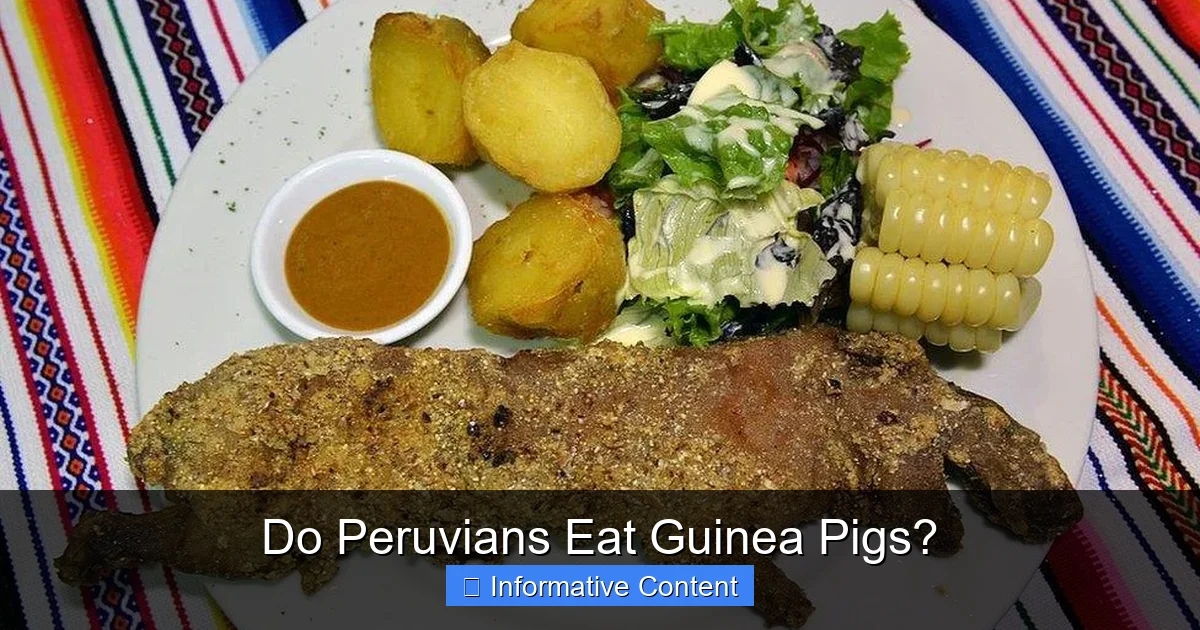
Yes, Peruvians eat guinea pigs, known locally as ‘cuy,’ and it’s a deeply rooted culinary tradition, not a pet. This ancient Andean delicacy holds significant cultural, historical, and nutritional value, prepared in various traditional ways for special occasions and daily meals across the country, showcasing a unique aspect of Peruvian heritage.
Have you ever wondered if Peruvians truly eat guinea pigs? It’s a question that often sparks surprise, confusion, and sometimes even a little bit of horror for those unfamiliar with Andean culture. For many around the world, guinea pigs are beloved household pets – cute, furry, and full of personality. The thought of them appearing on a dinner plate can be quite jarring.
However, in Peru and other parts of the Andean region, the answer is a resounding “Yes!” Eating guinea pigs, locally known as “cuy” (pronounced coo-ee), is not only common but also a deeply ingrained culinary tradition that dates back thousands of years. It’s far from being a novelty or an oddity; it’s a cherished delicacy, a significant part of the cultural fabric, and a staple protein for many families. Let’s delve into this fascinating aspect of Peruvian cuisine and explore why these small rodents hold such a prominent place on the Peruvian plate.
The difference in perspective often comes down to cultural context. What one society deems a pet, another may view as a valuable food source. Understanding this is key to appreciating the role of cuy in Peru. It’s not about eating the adorable furry creatures you might keep at home; it’s about a specific type of animal, bred for food, that has nourished Andean communities for centuries. So, let’s peel back the layers and uncover the delicious truth about why Peruvians eat guinea pigs.
Contents
- Key Takeaways
- Quick Answers to Common Questions
- 📑 Table of Contents
- A Culinary Tradition Rooted in History
- Cuy: The Delicacy, Not the Pet
- The Peruvian Palate: How Cuy is Prepared and Served
- Beyond the Plate: Nutritional Value and Economic Impact
- Addressing Misconceptions and Ethical Considerations
- Trying Cuy: Tips for the Curious Traveler
- Conclusion
- Frequently Asked Questions
- Is eating guinea pigs in Peru considered normal?
- Are the guinea pigs eaten in Peru different from pet guinea pigs?
- What is the nutritional value of guinea pig meat?
- Can tourists easily find guinea pig dishes in Peru?
- Why did Peruvians start eating guinea pigs historically?
- Is it ethical to eat guinea pigs?
Key Takeaways
- Peruvians do eat guinea pigs: Known as “cuy,” it’s a traditional and culturally significant food in Peru and other Andean nations.
- Cuy is a delicacy, not a pet: The guinea pigs raised for consumption are distinct breeds from those kept as pets and are specifically farmed for their meat.
- Ancient culinary roots: The practice of eating guinea pigs dates back thousands of years to pre-Incan civilizations, serving as a vital protein source.
- Cultural and ritualistic importance: Cuy is often served during special celebrations, festivals, and family gatherings, symbolizing prosperity and connection to heritage.
- Diverse preparation methods: Popular dishes include Cuy al Horno (roasted), Cuy Chactado (fried and pressed), and various stews, each offering a unique flavor profile.
- Nutritional benefits: Cuy meat is lean, high in protein, and low in fat and cholesterol, making it a healthy dietary option.
- Economic significance: Raising cuy provides a source of income for many rural families, contributing to local economies.
Quick Answers to Common Questions
Are guinea pigs pets or food in Peru?
In Peru, guinea pigs (cuy) are primarily a traditional food source, distinct from the pet guinea pigs found in other cultures. They are specially bred for their meat.
What does guinea pig taste like?
Many describe the taste of cuy (guinea pig) meat as similar to rabbit or a gamey dark chicken meat. It’s lean, slightly earthy, and its flavor is enhanced by traditional Peruvian seasonings.
Is it common for Peruvians to eat guinea pigs?
Yes, it is common, especially in the Andean highland regions. Cuy is a traditional delicacy often served during special occasions, festivals, and family gatherings, though it’s also consumed regularly by some families.
How is guinea pig prepared in Peru?
The most popular preparations include “Cuy al Horno” (roasted until crispy), “Cuy Chactado” (fried and pressed), and “Picante de Cuy” (a spicy stew). It’s typically seasoned with local herbs and spices.
Is eating guinea pig legal in Peru?
Yes, eating guinea pigs (cuy) is completely legal and a long-standing cultural practice in Peru. It’s a fundamental part of their culinary heritage and economy.
📑 Table of Contents
A Culinary Tradition Rooted in History
The practice of eating guinea pigs in Peru isn’t new; it’s an ancient tradition that predates even the Inca Empire. Imagine a time when protein sources were scarce in the high altitudes of the Andes. Guinea pigs, being easy to breed and quick to reproduce, became a vital part of the diet for indigenous communities.
Ancient Origins: From Andean Staple to Spanish Conquest
Archaeological evidence, including ancient pottery depicting guinea pigs and their bones found in pre-Incan burial sites, confirms their importance. These small animals were domesticated more than 5,000 years ago, long before chickens or cattle were introduced to the Americas. They were a crucial source of protein, especially in areas where larger livestock couldn’t thrive. The guinea pig was an efficient animal to raise, requiring minimal space and feeding on readily available scraps. When the Spanish arrived in the 16th century, they documented the widespread consumption of cuy, noting its integral role in the indigenous diet. Despite the introduction of new animals, the tradition of eating guinea pigs persisted, weaving itself into the modern culinary landscape.
More Than Just Food: Cultural and Ritual Significance
Beyond sustenance, cuy holds significant cultural and ritualistic importance. It’s not just an everyday meal for everyone, though many families do consume it regularly. Cuy is often reserved for special occasions, celebrations, and important family gatherings. Think of it like a holiday turkey or a festive roast for Western cultures. Serving cuy signifies honor and hospitality. You’ll find it at weddings, birthdays, village festivals, and religious holidays. In some Andean communities, cuy is even used in traditional healing practices or as offerings in rituals, underscoring its deep connection to spirituality and heritage. This rich tapestry of history and culture is why Peruvians eat guinea pigs with such reverence.
Cuy: The Delicacy, Not the Pet
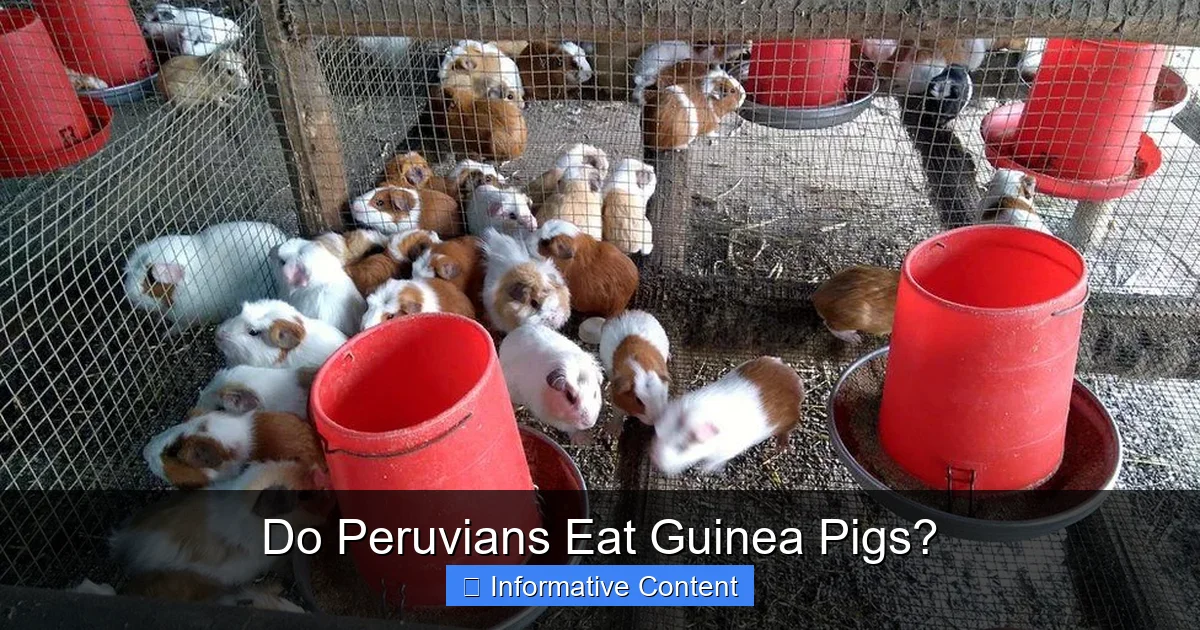
Visual guide about Do Peruvians Eat Guinea Pigs?
Image source: ichef.bbci.co.uk
One of the biggest misconceptions is equating the “cuy” on a Peruvian plate with the pet guinea pigs found in homes abroad. This is a crucial distinction. Just as there are different breeds of chickens for eggs versus meat, there are specific breeds of guinea pigs raised for consumption.
What is “Cuy”?
“Cuy” refers specifically to the guinea pig consumed as food in Peru and other Andean countries like Ecuador and Bolivia. These animals are typically larger, meatier, and have different physical characteristics than the smaller, often long-haired breeds kept as pets. They are bred for their lean, flavorful meat, which some describe as a cross between rabbit and dark chicken meat. So, when you hear that Peruvians eat guinea pigs, understand they are talking about “cuy.”
Different Breeds for Different Purposes
Peruvian farmers have developed several indigenous breeds of cuy over centuries. These breeds are typically characterized by their rapid growth, larger size, and efficient meat production. They are not selectively bred for their cuteness, their vocalizations, or their temperament as pets. Instead, the focus is on traits that make them ideal for food production, similar to how different pig breeds are raised for bacon versus ham.
How Cuy are Farmed in Peru
Cuy farming is a significant rural industry in Peru. Many families, particularly in the highlands, raise cuy in small-scale operations within their homes or small enclosures. They are fed on alfalfa, corn, and vegetable scraps, making them a very sustainable and environmentally friendly protein source. This traditional method ensures that the animals are raised locally, supporting community economies and maintaining cultural practices. While larger commercial farms exist, the vast majority of cuy production remains in the hands of small-scale farmers, reinforcing the cultural connection to how Peruvians eat guinea pigs.
The Peruvian Palate: How Cuy is Prepared and Served
If you’re curious about the taste, understanding how cuy is prepared is essential. It’s often served whole, which can be confronting for some, but it’s part of the traditional presentation.
Popular Preparations: Cuy al Horno, Cuy Chactado, and More
There are several beloved ways Peruvians eat guinea pigs:
- Cuy al Horno (Roasted Guinea Pig): This is perhaps the most iconic preparation. The cuy is seasoned with local herbs like huacatay (Peruvian black mint), garlic, and aji panca (Peruvian red pepper), then roasted in a brick oven until the skin is crispy and the meat is tender. It’s often served with potatoes (another Andean staple) and a fresh salad.
- Cuy Chactado (Fried and Pressed Guinea Pig): In this method, the cuy is flattened and deep-fried until golden brown and exceptionally crispy. It’s a specialty of the Arequipa region and offers a very different texture profile than the roasted version.
- Picante de Cuy (Spicy Cuy Stew): For those who prefer their meat deboned and in a sauce, this stew is a flavorful option. The meat is cooked with a rich, often spicy, sauce made from aji peppers, peanuts, and other spices, served with rice and potatoes.
- Pepián de Cuy: A hearty stew made with cornmeal and cuy meat, offering a comforting and traditional taste.
Each preparation highlights different aspects of the cuy’s flavor and texture, showcasing the culinary creativity involved in this ancient dish.
Where to Find Cuy: Restaurants, Markets, and Home Kitchens
You won’t typically find cuy on every street corner or in every restaurant in Peru, especially in larger, more international cities like Lima, though it is available. To experience authentic cuy, you might need to seek out traditional restaurants, particularly in the highlands, like Cusco or Arequipa. Local markets are also fantastic places to see fresh cuy being prepared, especially on weekends. And, of course, if you’re lucky enough to be invited into a Peruvian home, you might be treated to a homemade cuy meal, which is often considered the most authentic and special experience.
The Taste Experience: What to Expect
Many describe cuy meat as having a flavor similar to rabbit or gamey dark chicken meat. It’s lean, slightly earthy, and absorbs flavors from the seasonings beautifully. The texture can vary depending on the preparation; roasted cuy will have a crispy skin and tender meat, while fried cuy will be all about that satisfying crunch. If you’re adventurous, trying cuy is a unique culinary experience that connects you directly to Peru’s rich history and culture.
Beyond the Plate: Nutritional Value and Economic Impact
The practice of eating guinea pigs extends beyond mere cultural preference; it also makes sense from a nutritional and economic standpoint.
A Healthy Protein Source
Cuy meat is remarkably healthy. It’s known for being:
- High in Protein: Essential for muscle growth and repair.
- Low in Fat: Significantly leaner than many other meats.
- Low in Cholesterol: A heart-healthy option.
- Rich in Iron: Important for preventing anemia.
For communities with limited access to diverse protein sources, cuy provides a vital and accessible nutritional boost, contributing significantly to the health and well-being of the Peruvian population.
Supporting Local Economies
As mentioned, cuy farming is primarily a small-scale, family-run enterprise. This means that the income generated from raising and selling cuy directly benefits rural families and communities. It’s a sustainable form of agriculture that requires minimal land and resources compared to larger livestock. By consuming cuy, you are not just experiencing a unique dish; you are also supporting traditional farming practices and the livelihoods of many Peruvians. This economic cycle reinforces why Peruvians eat guinea pigs as part of their sustainable lifestyle.
Challenges and Sustainability
While largely sustainable, the increasing popularity of cuy, both locally and among tourists, does present some challenges. Ensuring responsible farming practices and maintaining genetic diversity within cuy breeds are important considerations for the future. Organizations are working to support farmers in adopting best practices to meet demand sustainably while preserving this cultural heritage.
Addressing Misconceptions and Ethical Considerations
The idea of eating guinea pigs can be uncomfortable for many Westerners. It’s important to approach this topic with an open mind and cultural sensitivity.
It’s Not Your Childhood Pet
Again, the crucial point is that these are not the same animals as beloved pets. They are bred and raised specifically for food, much like chickens, pigs, or cows are in other parts of the world. The emotional connection you might have to a pet guinea pig is entirely valid, but it shouldn’t overshadow the cultural context and centuries-old tradition behind eating cuy in Peru. It’s about understanding the distinction between a pet and a food source in different cultural settings.
Cultural Sensitivity and Respect
When traveling or discussing this topic, approaching it with respect for Peruvian culture is paramount. For Peruvians, cuy is a source of pride, heritage, and sustenance. Expressing disgust or judgment can be offensive and diminish the value of their traditions. Instead, seeking to understand and learn about the cultural significance behind why Peruvians eat guinea pigs can lead to a richer appreciation of their society.
Ethical Farming Practices
For those concerned about animal welfare, it’s worth noting that traditional cuy farming often involves animals raised in family environments, often with access to natural diets of fresh greens. While standards can vary, many small-scale farmers treat their cuy humanely, as their livelihood depends on healthy animals. As with any food source, consumers can look for establishments that source their cuy from reputable and responsible farms.
Trying Cuy: Tips for the Curious Traveler
If your curiosity is piqued and you’re considering trying cuy on your next trip to Peru, here are a few practical tips.
Where to Begin Your Culinary Adventure
Your best bet for a positive first experience is to visit a well-regarded traditional restaurant. Ask locals for recommendations, especially outside the main tourist hubs. In cities like Cusco, Arequipa, or even in the more traditional neighborhoods of Lima, you’ll find eateries specializing in cuy. Look for places with a steady stream of local patrons; that’s usually a good sign of authenticity and quality.
Ordering and Etiquette
When ordering, be prepared for the traditional whole presentation. If you find the visual challenging, remember the cultural context. Many Peruvians will enjoy every part of the cuy, including the head, which is considered a delicacy by some. Don’t be afraid to ask your server for suggestions on how to eat it or for help navigating the bones. It’s an experience meant to be shared and enjoyed.
What If You’re Not Ready?
It’s perfectly fine if you decide that eating guinea pigs isn’t for you. Peru offers an incredible array of other delicious dishes, from ceviche to lomo saltado, and countless vegetarian options. There’s no pressure to try cuy if you’re not comfortable. However, learning about its history and significance can still be a rewarding part of your Peruvian journey. Understanding *why* Peruvians eat guinea pigs is just as important as the act of eating it itself.
Conclusion
So, do Peruvians eat guinea pigs? Yes, absolutely. It’s a culinary practice steeped in thousands of years of history, culture, and necessity. Known as “cuy,” these animals are a cherished delicacy, a vital source of nutrition, and an integral part of Peru’s identity. From ancient rituals to modern-day celebrations, cuy represents resilience, heritage, and the resourcefulness of the Andean people.
Approaching this tradition with an open mind and respect allows us to truly appreciate the diversity of global cuisines and the rich stories behind them. The next time you encounter the question of whether Peruvians eat guinea pigs, you’ll not only know the answer but also understand the deep cultural significance that makes cuy far more than just a meal; it’s a testament to Peru’s enduring spirit and culinary legacy.
Frequently Asked Questions
Is eating guinea pigs in Peru considered normal?
Yes, absolutely. For Peruvians, especially in the Andean regions, consuming guinea pigs (cuy) is a normal and deeply traditional culinary practice. It’s a staple food for many and a celebrated delicacy for special events, reflecting centuries of history and culture.
Are the guinea pigs eaten in Peru different from pet guinea pigs?
Yes, the guinea pigs (cuy) raised for food in Peru are typically different breeds from those kept as pets. They are bred for their larger size, faster growth, and meat production, similar to how different breeds of chickens are raised for eggs versus meat.
What is the nutritional value of guinea pig meat?
Cuy meat is highly nutritious. It is known to be very lean, high in protein, low in fat, and low in cholesterol, making it a healthy and valuable source of sustenance for many Peruvian communities, particularly in the highlands.
Can tourists easily find guinea pig dishes in Peru?
Yes, tourists can find cuy dishes, especially in traditional restaurants in cities like Cusco, Arequipa, and in certain areas of Lima. It might require seeking out specific eateries known for serving authentic Peruvian cuisine, but it is certainly accessible for those curious to try it.
Why did Peruvians start eating guinea pigs historically?
Peruvians began eating guinea pigs thousands of years ago, long before the Inca Empire, because they were an abundant, easily domesticated, and sustainable source of protein in the challenging high-altitude Andean environment. They required minimal space and food, making them an ideal livestock choice.
Is it ethical to eat guinea pigs?
The ethics of eating guinea pigs are viewed differently across cultures. In Peru, it’s a deeply ingrained cultural tradition and a food source, not a pet. For those concerned, it’s helpful to understand that cuy are raised specifically for consumption, and many small-scale farmers employ traditional, often humane, farming practices.