
Do guinea pigs like to be held? The answer is nuanced and depends on the individual guinea pig and how they’ve been socialized. While naturally prey animals and often timid, many guinea pigs can learn to tolerate and even enjoy gentle handling when approached with patience, positive reinforcement, and proper technique. Building trust is key to a comfortable relationship, allowing for bonding and essential health checks.
Contents
- Do Guinea Pigs Like to Be Held?
- Key Takeaways
- Quick Answers to Common Questions
- 📑 Table of Contents
- Understanding Guinea Pig Nature: More Than Just Fluff
- The Nuance of “Liking” to Be Held
- How to Build Trust for Happy Handling
- Proper Holding Techniques for Guinea Pigs
- When Your Guinea Pig Might NOT Want to Be Held
- Benefits of Regular, Gentle Handling
- Conclusion
- Frequently Asked Questions
- Do guinea pigs like to be held and cuddled like cats or dogs?
- Is it okay for young children to hold guinea pigs?
- How often should I hold my guinea pig?
- What if my guinea pig always tries to bite when I try to pick them up?
- Can some guinea pigs never learn to enjoy being held?
- Should I wear gloves when handling a new guinea pig?
Do Guinea Pigs Like to Be Held?
So, you’ve brought home a couple of adorable, fluffy guinea pigs, and naturally, one of the first things you want to do is pick them up and give them some cuddles! It’s a common desire for any new pet parent. But then a question might pop into your mind: do guinea pigs actually like to be held? It’s a really good question, and the answer isn’t a simple yes or no.
Understanding whether your guinea pig enjoys being held is key to building a strong, trusting bond with your tiny companion. It’s about respecting their natural instincts, learning their unique personalities, and approaching them in a way that makes them feel safe and loved, rather than scared. Let’s dive into the fascinating world of guinea pig psychology and discover how to make handling a positive experience for everyone involved.
Key Takeaways
- Individual Personalities Vary: Just like people, some guinea pigs are naturally more outgoing and comfortable with handling, while others are more timid and require extra patience and time to adapt.
- Prey Animal Instincts: Guinea pigs are prey animals, so being picked up can initially feel scary. A gentle, reassuring approach is crucial to help them feel safe.
- Build Trust Gradually: Never force handling. Start with short, positive interactions, offering treats, and allowing your guinea pig to come to you, slowly increasing the duration and frequency of holding.
- Proper Holding Techniques are Essential: Always support their entire body, especially their bottom, when picking them up and holding them. This prevents injury and makes them feel secure.
- Read Their Body Language: Pay attention to your guinea pig’s cues. Wriggling, trying to escape, or vocalizing discomfort means they might need a break or a different approach. Respect their boundaries.
- Regular, Gentle Handling is Beneficial: Consistent, positive handling sessions help build a strong bond, facilitate health checks, and can reduce stress in the long run.
- Positive Reinforcement Works Wonders: Associate handling with positive experiences, like delicious treats or gentle petting, to create a happy connection between being held and a reward.
Quick Answers to Common Questions
Do guinea pigs enjoy being held from day one?
No, most guinea pigs are naturally timid prey animals and typically do not enjoy being held right away. It takes time, patience, and positive reinforcement to build trust.
What is the best way to pick up a guinea pig?
The best way is to use the “scoop method,” supporting their entire body, especially their bottom and hind legs, with one hand while gently guiding their back with the other. Keep them close to your body for security.
How can I tell if my guinea pig doesn’t want to be held?
Signs your guinea pig is uncomfortable include wriggling, trying to escape, sudden loud squeaks or yelps, tensing up, or nipping. Always respect these signals and gently return them to their cage.
Should I force my guinea pig to be held if they resist?
No, never force your guinea pig to be held. Forcing interaction will break trust, increase their fear, and make future handling much more difficult. Patience and gentle persuasion are key.
How long should a guinea pig handling session last?
Start with very short sessions, just a few minutes, especially with new or timid guinea pigs. Gradually increase the duration as they become more comfortable, always watching for signs of discomfort. 10-20 minutes is often a good duration once they are relaxed.
📑 Table of Contents
Understanding Guinea Pig Nature: More Than Just Fluff
To truly answer the question, “do guinea pigs like to be held?” we need to first understand what makes a guinea pig tick. These charming creatures are more complex than their innocent appearance suggests. They have deeply ingrained instincts that dictate much of their behavior, especially when it comes to being picked up.
Prey Animal Instincts
First and foremost, guinea pigs are prey animals. In the wild, they would be hunted by various predators, meaning they are naturally programmed to be cautious, skittish, and on high alert. Being picked up by a large hand from above can instinctively trigger their flight-or-fight response, as it mimics a predator swooping down. This is why many new guinea pigs will dart away, freeze, or even try to bite (though bites are rare and usually a last resort) when you reach for them. It’s not personal; it’s pure instinct.
Social but Shy
While guinea pigs are highly social animals, thriving in groups and enjoying companionship, they often express their social needs in ways different from a dog or a cat. They communicate through a complex array of vocalizations and body language. Their social circle is usually within their own species, and they need time and patience to extend that trust to humans. This shyness is perfectly normal and something to be respected. They need to feel safe and secure in your presence before they can truly relax and enjoy interaction, including being held.
The Nuance of “Liking” to Be Held
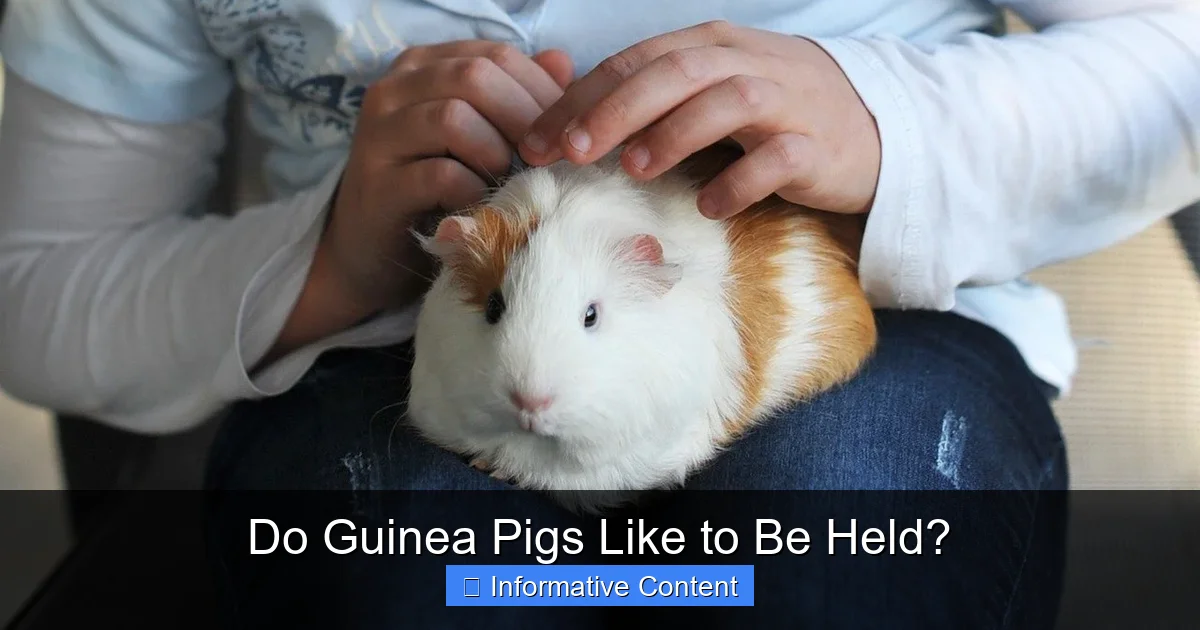
Visual guide about Do Guinea Pigs Like to Be Held?
Image source: fourpawcity.com
Given their prey animal nature, it’s rare for a guinea pig to *instinctively* love being picked up and held right from the start. However, this doesn’t mean they can’t learn to tolerate it, and in many cases, even come to enjoy it! The key here is the distinction between instinctual love and learned enjoyment based on trust and positive experiences. So, when people ask, “do guinea pigs like to be held?”, the answer is often “it depends, but they can learn to.”
Individual Personalities Matter
Just like people, guinea pigs have unique personalities. Some are naturally bolder and more curious, while others are incredibly timid and nervous. You might have one guinea pig who, after some patience, practically melts into your hands, enjoying gentle strokes and falling asleep. Another might tolerate it for short periods but always seems eager to return to their cage. There’s no one-size-fits-all answer. Observing your individual guinea pig’s behavior will tell you a lot.
The Importance of Positive Association
The goal isn’t necessarily for them to “love” the act of being lifted, but to associate being held with positive experiences. If every time they are picked up, they receive a yummy treat, gentle petting, or a warm, safe spot on your lap, they will begin to understand that being held isn’t something to fear. Over time, this positive association can transform a fearful experience into a comforting one. They might not love the initial scoop, but they might love the lap time that follows! This makes the question “do guinea pigs like to be held?” transition to “do guinea pigs like *what happens* when they are held?”.
How to Build Trust for Happy Handling
Building trust is the cornerstone of any good relationship with a guinea pig, especially when it comes to handling. It takes time, patience, and consistency. Don’t rush the process, and remember that every small step forward is a victory.
Start Slowly and Gently
Begin by simply sitting near their cage and talking to them in a soft, calm voice. Let them get used to your presence and scent. Offer treats through the bars or by placing them gently in front of them within the cage. Once they are comfortable taking treats from your hand, you can gently try petting them while they are still in their safe space.
Create a Safe Space for Interaction
Instead of immediately trying to scoop them up, try creating a “lap time” routine. Place a soft towel or blanket on your lap, and gently guide your guinea pig into it from their cage. A pet carrier or cuddle sack can be useful here – let them walk into it themselves, then lift the carrier onto your lap. This way, they feel less exposed during the transition. When thinking about “do guinea pigs like to be held?”, consider the environment first.
Positive Reinforcement (Treats!)
This is perhaps the most powerful tool in your trust-building arsenal. Every time your guinea pig allows you to pet them, or for every short moment they tolerate being held, reward them immediately with a small, high-value treat like a tiny piece of carrot, bell pepper, or a commercial guinea pig treat. This reinforces the idea that human interaction, and eventually being held, leads to good things.
Gentle Approach and Techniques
When it’s time to actually pick them up, always approach them calmly and deliberately. Avoid sudden movements or loud noises. Never chase them around the cage. If they’re hiding, try to coax them out with a treat first. When you finally go to scoop them, be confident but gentle. Hesitation can make them more nervous.
Proper Holding Techniques for Guinea Pigs
Even if you’ve built trust, an improper holding technique can quickly undo all your hard work and even cause injury. Learning how to properly pick up and hold your guinea pig is absolutely crucial for their comfort and safety. When considering “do guinea pigs like to be held?”, proper technique vastly improves the answer.
The Scoop Method
This is the safest and most secure way to pick up a guinea pig.
- Approach Calmly: Gently place one hand over their back, just behind their head, to prevent them from darting forward. Do not press down hard; it’s more of a guiding, comforting hand.
- Support Their Bottom: With your other hand, scoop under their bottom and hind legs. This is the most important part! Guinea pigs have delicate spines and need full support.
- Lift Gently and Close to Your Body: Once you have a secure grip, gently lift them, bringing them close to your chest or lap immediately. This closeness makes them feel more secure and less exposed.
Supporting Their Weight
A guinea pig’s entire body must be supported. Never pick them up by their scruff (the skin on the back of their neck), their legs, or just their mid-section. Their spine is fragile, and they can easily injure themselves if not properly supported. Think of it like carrying a tray of delicate pastries – you need to support it from underneath to keep everything stable.
Providing Security and Comfort
Once you’re holding them, keep them close to your body. You can place them on a soft towel on your lap, allowing them to burrow slightly. Gentle, reassuring strokes on their head and back can be very calming. Many guinea pigs enjoy having their chin or behind their ears rubbed. Continuously offer small treats during lap time to reinforce the positive association. Speak in a soft, soothing voice. This consistent approach makes them feel safe, which directly influences whether “do guinea pigs like to be held?” shifts to a more positive response.
When Your Guinea Pig Might NOT Want to Be Held
It’s just as important to recognize when your guinea pig is uncomfortable or stressed as it is to encourage handling. Forcing interaction can break trust and make future handling more difficult.
Body Language Cues
Guinea pigs are masters of subtle communication. Here are some signs your guinea pig might not be enjoying being held:
- Wriggling or Trying to Escape: This is the most obvious sign. If they’re constantly trying to squirm out of your hands, they want to be put down.
- Loud Squeaking or Yelp: A sharp, sudden squeal or yelp usually indicates discomfort, fear, or pain. Put them down immediately.
- Tensing Up: If they’re stiff, rigid, or seem frozen, they’re likely stressed or scared.
- Nipping or Biting: This is a rare and last-resort behavior for guinea pigs. If they nip, it means they are extremely uncomfortable and feeling threatened.
- Rapid Breathing: Can be a sign of stress or fear.
- Hiding: If they constantly try to burrow into your arm or a towel, they’re seeking security, which can indicate they feel exposed.
Respecting Their Boundaries
If you see any of these signs, gently and calmly return your guinea pig to their cage. Don’t take it personally. It simply means they’re not in the mood, or perhaps the session was too long. Respecting their boundaries builds trust. Try again later for a shorter period, or focus on interaction within their cage for a while. Remember, the answer to “do guinea pigs like to be held?” often changes daily based on their mood.
Benefits of Regular, Gentle Handling
While the initial goal is to make handling tolerable, regular, positive interaction offers significant benefits for both you and your guinea pig.
Health Checks
Regular handling allows you to routinely check your guinea pig for any signs of illness or injury. You can easily examine their eyes, ears, nose, teeth, nails, and feel for any lumps or bumps. Early detection of health issues can be life-saving for these small creatures. This is a critical reason why it’s important to train them to accept being held.
Bonding and Socialization
Consistent, gentle handling strengthens the bond between you and your guinea pig. They learn to associate your scent and touch with safety and comfort. This can lead to them becoming more outgoing, “popcorning” (their happy little jumps) when they see you, and even coming to the front of their cage to greet you. This deepens the answer to “do guinea pigs like to be held?” into a more profound connection.
Enrichment and Exercise
While not directly an exercise, lap time provides a change of scenery and tactile enrichment that they wouldn’t get just in their cage. It allows them to explore new textures (your clothes, a blanket) and enjoy different smells. For some guinea pigs, it’s a welcome break from their routine. Just be sure to provide a safe, contained space for any floor time, too.
Conclusion
So, do guinea pigs like to be held? The answer is nuanced, evolving from “initially no, due to instinct” to “potentially yes, with patience, trust, and proper technique.” Guinea pigs are sensitive, intelligent creatures who require understanding and respect for their natural predispositions.
By approaching your guinea pig with kindness, offering positive reinforcement, using correct handling methods, and crucially, listening to their body language, you can transform the act of being held from a stressful experience into a moment of comfort and connection. It’s a journey, not a destination, but the rewards of a trusting bond with your beloved guinea pig are immeasurable. Happy cuddling!
Frequently Asked Questions
Do guinea pigs like to be held and cuddled like cats or dogs?
While many guinea pigs can learn to enjoy gentle handling and lap time, it’s generally not the same kind of affectionate cuddling you’d expect from a cat or dog. They prefer to feel secure and supported, often burrowing into a soft blanket on your lap, and may tolerate petting rather than actively seek intense physical affection.
Is it okay for young children to hold guinea pigs?
Young children should always be supervised when interacting with guinea pigs. Their small size and delicate nature make them vulnerable to injury if held incorrectly. Teach children proper handling techniques and emphasize gentleness, perhaps having them sit on the floor to minimize drop risks.
How often should I hold my guinea pig?
Regular, consistent handling sessions, ideally daily or several times a week, are beneficial for building and maintaining trust. Aim for short, positive interactions rather than long, infrequent ones. Consistency helps them get used to the routine and associate it with good experiences.
What if my guinea pig always tries to bite when I try to pick them up?
If your guinea pig is consistently trying to bite, it’s a strong sign of fear and discomfort. Revert to trust-building exercises without direct handling, focusing on hand-feeding treats and gentle petting within their cage. Ensure you’re not approaching too quickly or making them feel cornered.
Can some guinea pigs never learn to enjoy being held?
Yes, some guinea pigs, due to their individual personality or past experiences, may never truly enjoy being held, even with the best efforts. In such cases, it’s important to respect their boundaries and find other ways to interact, such as talking to them, offering treats in their cage, or providing enriching floor time.
Should I wear gloves when handling a new guinea pig?
Wearing thin gloves can be a good idea if you are concerned about being nipped by a new or particularly fearful guinea pig. However, avoid thick, bulky gloves as they reduce your tactile feedback, making it harder to feel how you’re supporting the guinea pig or to sense their subtle cues.