While it’s a common question, guinea pigs rarely bite out of aggression. Instead, a bite usually signals fear, pain, stress, or improper handling from their perspective. By understanding their subtle cues and providing a safe, loving environment, you can prevent bites and enjoy a strong, positive relationship with your beloved cavy.
Contents
- Do Guinea Pigs Bite?
- Key Takeaways
- Quick Answers to Common Questions
- 📑 Table of Contents
- Understanding Guinea Pig Behavior: Are They Naturally Aggressive?
- Why Do Guinea Pigs Bite? Unpacking the Reasons
- Recognizing Warning Signs Before a Bite
- How to Prevent Bites: Best Practices for Guinea Pig Parents
- What to Do if Your Guinea Pig Bites You
- Building Trust and Strengthening Your Bond
- Conclusion
- Frequently Asked Questions
- Are guinea pigs naturally aggressive animals?
- What are the most common reasons a guinea pig might bite?
- How can I tell if my guinea pig is about to bite?
- Is it possible to train a guinea pig not to bite?
- What should I do immediately after my guinea pig bites me?
- How can I build a stronger bond with my guinea pig to prevent biting?
Do Guinea Pigs Bite?
One of the most common questions new guinea pig owners, or those considering getting one, ask is, “Do guinea pigs bite?” It’s a completely understandable concern! After all, no one wants to bring a pet into their home that might nip or chomp down unexpectedly. The good news is that, generally speaking, guinea pigs are incredibly docile, gentle, and rarely bite. They are known for their sweet nature and their adorable vocalizations, not for being aggressive.
So, while the short answer to “Do guinea pigs bite?” is “yes, they can,” it’s crucial to understand *why* they might. A bite from a guinea pig is almost always a sign that something is wrong, rather than an act of aggression. It’s their way of communicating distress, fear, pain, or discomfort when they feel they have no other option. They are prey animals, after all, and their primary instinct is to flee or hide, not to confront.
In this comprehensive guide, we’ll dive deep into the world of guinea pig behavior to explore the reasons behind a bite, how to prevent them, and what to do if it happens. By understanding their needs and signals, you can ensure a happy, bite-free relationship with your furry friend. Let’s peel back the layers and learn how to keep both you and your guinea pig safe and comfortable.
Key Takeaways
- Bites are Rare: Guinea pigs are generally docile and affectionate; bites are an unusual behavior, often a last resort.
- Underlying Causes: Most bites stem from fear, pain, stress, improper handling, or resource guarding, not inherent aggression.
- Read Their Cues: Learning guinea pig body language (freezing, teeth chattering, hissing) is crucial to prevent bites before they happen.
- Gentle Handling is Key: Always support their body fully and approach them calmly to build trust and avoid startling them.
- Environment Matters: A safe, stimulating, and clean habitat reduces stress, making your guinea pig feel more secure and less likely to bite.
- Build Trust Slowly: Patience, positive reinforcement, and consistent gentle interaction are vital for strengthening your bond and preventing defensive behaviors.
- Immediate Action: If a bite occurs, stay calm, assess the situation, and seek veterinary advice if you suspect pain or illness.
Quick Answers to Common Questions
Do guinea pigs bite hard?
Guinea pig bites can vary in intensity. Most bites are warnings or nips that may not break the skin. However, if a guinea pig is extremely scared or in pain, they can bite hard enough to break the skin and cause minor bleeding, though serious injury is rare.
Is it normal for a guinea pig to nip?
Gentle nipping or mouthing can be a normal part of a guinea pig’s communication or exploration, often not intended to cause harm. It might be a soft warning to move your hand or a way to investigate their surroundings. Persistent or harder nipping, however, indicates discomfort.
What does it mean if my guinea pig bites me?
If your guinea pig bites you, it almost always means they are feeling scared, stressed, in pain, or are uncomfortable with how they are being handled. It’s their way of communicating distress when they feel they have no other option to make a perceived threat go away.
Can a guinea pig bite cause infection?
Yes, any animal bite that breaks the skin carries a risk of infection from bacteria. It’s important to thoroughly clean the wound with soap and water immediately and monitor it for any signs of redness, swelling, or pus. If these occur, seek medical advice.
How do I stop my guinea pig from biting?
To stop a guinea pig from biting, identify the cause. Ensure gentle, supportive handling, provide a safe and stimulating environment, and rule out pain or illness with a vet visit. Building trust through slow, positive interactions and respecting their warning signs will also help.
📑 Table of Contents
- Understanding Guinea Pig Behavior: Are They Naturally Aggressive?
- Why Do Guinea Pigs Bite? Unpacking the Reasons
- Recognizing Warning Signs Before a Bite
- How to Prevent Bites: Best Practices for Guinea Pig Parents
- What to Do if Your Guinea Pig Bites You
- Building Trust and Strengthening Your Bond
- Conclusion
Understanding Guinea Pig Behavior: Are They Naturally Aggressive?
To truly answer the question, “Do guinea pigs bite?”, we first need to understand their natural instincts and temperament. These adorable creatures are not born with an aggressive streak. In fact, their evolutionary history has shaped them to be quite the opposite.
Prey Animals by Nature
Guinea pigs, or cavies, originate from the Andes Mountains in South America. In the wild, they are at the bottom of the food chain, constantly on alert for predators like eagles, foxes, and snakes. This means their survival strategy revolves around vigilance, hiding, and quick escape. They are hardwired to be cautious, easily startled, and to perceive large, fast-moving objects (like a human hand) as potential threats.
This prey animal instinct explains why they might “freeze” in place, hide, or dart away when approached too quickly. It also explains why a bite is usually a last-resort defense mechanism when they feel cornered or trapped, and can’t flee. They aren’t trying to hurt you out of malice; they’re trying to protect themselves out of fear.
The “Fight or Flight” Response
When faced with perceived danger, guinea pigs primarily exhibit a “flight” response. They will try to run and hide. If flight isn’t an option, or if they feel immense pain or stress, a “fight” response might manifest as a bite. This is not aggression in the typical sense; it’s a desperate plea for space and safety. Understanding this fundamental aspect of their psychology is key to preventing bites. A guinea pig bite is a clear signal that their flight instinct has been overridden and they feel truly threatened.
Social Creatures
Despite their timid nature, guinea pigs are highly social animals. They thrive in groups and communicate extensively with each other through various sounds and body language. They form bonds with their cage mates and, with patience and gentle handling, can form strong, loving bonds with their human companions. This social aspect further reinforces that a healthy, well-adjusted guinea pig is typically not a biting guinea pig.
Why Do Guinea Pigs Bite? Unpacking the Reasons
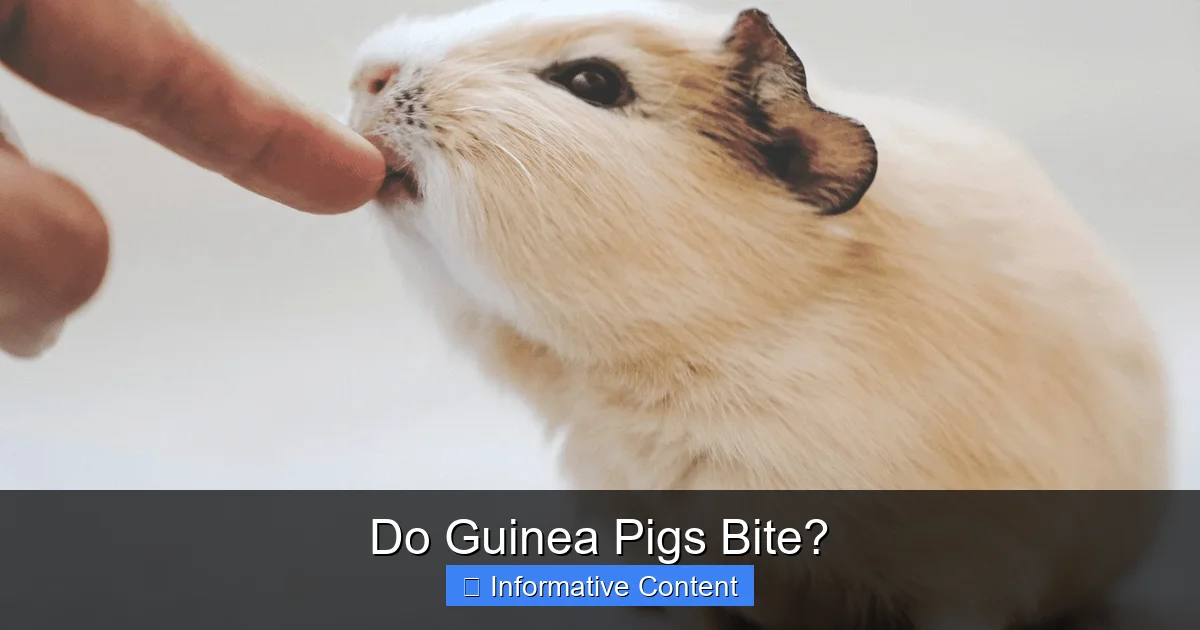
Visual guide about Do Guinea Pigs Bite?
Image source: guineapigsite.com
If you’re wondering “Do guinea pigs bite?” and want to prevent it, understanding the underlying causes is essential. A bite is a communication, and figuring out what your guinea pig is trying to tell you can help resolve the issue.
Fear or Stress
This is by far the most common reason a guinea pig might bite. If they feel threatened, scared, or overwhelmed, a bite is their desperate attempt to make the perceived threat go away.
- New Environments: A new home can be very stressful. Give them time to adjust.
- Loud Noises: Sudden loud sounds can startle and scare them.
- Unfamiliar Scents/People: New smells or unknown individuals can make them anxious.
- Rough Handling: Being picked up suddenly, dropped, or squeezed can be terrifying.
Pain or Illness
Just like humans, if a guinea pig is in pain, their temperament can change. A bite might be a reaction to being touched in a sensitive area or an indicator that they’re feeling unwell and want to be left alone.
- Injuries: A hidden wound or sore spot.
- Dental Issues: Overgrown teeth can cause immense pain when eating or even being touched near the mouth.
- Bladder Stones or UTIs: Can cause discomfort, making them irritable.
- Skin Conditions: Mites or fungal infections can cause intense itching and sensitivity.
- Arthritis: Common in older guinea pigs, making being picked up painful.
If your usually docile guinea pig suddenly starts to bite, especially without obvious provocation, a vet visit is highly recommended to rule out pain or illness.
Incorrect Handling
Many bites can be traced back to how a guinea pig is handled.
- Lack of Support: Guinea pigs need to feel secure. If they feel like they’re falling or unsupported, they might nip to try and grab onto something or protest. Always scoop them up with two hands, supporting their bottom and back.
- Picking Up Too Quickly: Approaching them from above, like a predator, can scare them. Always approach slowly, from the front or side.
- Squeezing: Never squeeze a guinea pig. This can cause pain and severe stress.
- Children: Young children, while well-meaning, may not understand how to handle a delicate guinea pig properly. Supervision is always essential.
Resource Guarding (Food, Space)
While less common, some guinea pigs may become protective of their food, water, or even a favorite sleeping spot. This is more often seen between cage mates, but a guinea pig might give a warning nip if you try to take food directly from their mouth or reach into their cage during mealtime.
Marking Behavior (Nipping, not biting)
Sometimes, a guinea pig might nip or gently mouth you without the intent to bite. This can be a form of exploration or communication. They might be “tasting” you, or perhaps trying to get your attention or move your hand if it’s in their way. This is usually a soft nip, not a painful bite.
Boredom or Lack of Stimulation
A guinea pig without enough toys, interaction, or space can become bored and restless. This might manifest as destructive chewing or, in some rare cases, nipping to get attention, even if it’s negative attention.
Hormonal Changes (Rare)
Very rarely, hormonal fluctuations, especially in unspayed females or unneutered males, might lead to temporary irritability and an increased likelihood of nipping or biting. This is typically not the primary reason for a guinea pig bite.
Recognizing Warning Signs Before a Bite
Guinea pigs are not usually “surprise biters.” They almost always give warning signals before they resort to biting. Learning to read these subtle cues is paramount to preventing a guinea pig bite and understanding your pet better.
Freezing and Hiding
This is often the first sign of fear or discomfort. If your guinea pig suddenly stops moving, goes rigid, or tries to burrow into bedding or a hidey house, it means they are feeling scared or unsure. Give them space.
Teeth Chattering
This is a loud, rapid clicking sound made by rubbing their teeth together. It’s a clear sign of agitation, anger, or feeling threatened. It’s a warning shot – “back off!” If you hear this, immediately stop what you’re doing and give them distance.
Hissing or Squealing
Similar to teeth chattering, a hiss or a sharp, loud squeal often indicates distress, fear, or a strong dislike for a situation. This is a very clear “leave me alone” signal.
Head Tossing
If your guinea pig throws their head back or tries to jerk away from your touch, it means they don’t want to be touched there, or they want you to stop.
Nipping or Nibbling (Testing Boundaries)
Sometimes, a guinea pig will give a very gentle nip that doesn’t break the skin. This can be a soft warning, a way of exploring, or testing boundaries. It’s important to differentiate this from an actual bite and respond appropriately (e.g., redirect their attention, or gently remove your hand if they’re persistent). Don’t ignore these soft warnings, as they can escalate if the guinea pig’s concerns aren’t addressed.
How to Prevent Bites: Best Practices for Guinea Pig Parents
The best way to address “Do guinea pigs bite?” is to prevent them from feeling the need to. By understanding their psychology and needs, you can create an environment where your guinea pig feels safe and loved, making a bite incredibly unlikely.
Proper Handling Techniques
This is probably the most critical aspect.
- Approach Gently: Always approach your guinea pig slowly and from the front or side, never from above. Speak softly to them as you approach.
- Scoop, Don’t Grab: Use two hands. Place one hand under their chest and behind their front legs, and the other hand under their bottom, scooping them up in a secure manner. Make sure their entire body is supported.
- Hold Securely but Gently: Hold them close to your body, making them feel safe and less likely to struggle or fall. Never squeeze them.
- Limit Handling Time: Especially when they are new or if they seem stressed, keep handling sessions short (5-10 minutes).
- Supervise Children: Always supervise children when they interact with guinea pigs to ensure gentle and correct handling.
Creating a Safe and Stimulating Environment
A secure and enriching habitat reduces stress and boredom.
- Spacious Cage: Ensure their cage is large enough for them to run, explore, and have separate areas for food, water, and sleep.
- Hidey Houses: Provide several hidey houses (tunnels, igloos) where they can retreat and feel safe. This is crucial for their sense of security.
- Plenty of Hay and Chew Toys: Unlimited hay is essential for their digestion and also provides entertainment. Chew toys prevent boredom and help keep their teeth trimmed.
- Cleanliness: A clean cage prevents illness and discomfort.
- Quiet Location: Place their cage in a quiet area of your home, away from loud noises or busy thoroughfares, but still where they can be part of the family.
Regular Health Checks
Regularly check your guinea pig for any signs of illness or injury. Gently feel for lumps, check their teeth, eyes, ears, and condition of their fur and skin. This can help you catch issues early, preventing pain that might lead to a guinea pig bite. Schedule annual vet check-ups.
Understanding Their Communication
Spend time observing your guinea pig. Learn their individual quirks, their preferred sleeping spots, and what their different vocalizations mean. The better you understand them, the more easily you can identify early signs of stress or discomfort.
Gradual Introduction and Socialization
If you have a new guinea pig, introduce them to handling slowly. Start with short petting sessions while they are in their cage, then progress to picking them up for very brief periods. Build trust step by step. If introducing new cage mates, do so slowly and in neutral territory to prevent territorial disputes that could lead to nips.
Feeding Strategies
When giving treats or fresh veggies, offer them by hand gently. Avoid taking food directly out of their mouth or reaching into their bowl while they are actively eating, especially if you have a food-motivated cavy.
What to Do if Your Guinea Pig Bites You
Even with the best intentions and care, sometimes a bite can still happen. Perhaps you startled them, or they suddenly felt a pang of pain. Knowing what to do in the moment is important.
Stay Calm and Release Safely
The first reaction might be to pull your hand away quickly, but this could injure your guinea pig if they are clinging on. Try to stay calm. If they are held, gently place them back into their cage or onto a safe surface. Do not punish or yell at them, as this will only increase their fear and damage your bond.
First Aid for Minor Bites
Guinea pig bites are usually not severe and often don’t break the skin. If it’s a minor nip that doesn’t break the skin, simply wash the area with soap and water. If the bite does break the skin:
- Wash Thoroughly: Wash the wound immediately and thoroughly with soap and warm water for several minutes.
- Apply Antiseptic: Apply an over-the-counter antiseptic cream.
- Bandage: Cover the wound with a clean bandage if necessary to keep it clean.
- Monitor: Keep an eye on the wound for any signs of infection (redness, swelling, pus, increased pain).
Guinea pig teeth are small, but like any animal bite, there’s a risk of infection. If the wound is deep, bleeding heavily, or shows signs of infection, consult a doctor.
Assess the Situation (Why did it happen?)
Once you’ve addressed the bite, take a moment to reflect. Why did your guinea pig bite?
- Were they startled?
- Was your handling technique incorrect?
- Did they show any warning signs that you missed?
- Could they be in pain or unwell?
This reflection is crucial for preventing future bites. If you suspect pain or illness, a vet visit is the next step.
When to Seek Veterinary Advice
If your guinea pig bit you due to a sudden change in behavior, or if you suspect they are in pain, showing signs of illness, or acting unusually aggressive, it’s time for a vet check-up. They might have an underlying health issue that needs attention. Don’t delay, as guinea pigs are excellent at hiding illness.
Building Trust and Strengthening Your Bond
The answer to “Do guinea pigs bite?” is largely dependent on the bond you share. A strong, trusting relationship makes bites incredibly rare.
Patience and Consistency
Building trust takes time. Be patient, especially with new or shy guinea pigs. Consistent, gentle interaction every day will gradually teach them that you are a safe and reliable presence.
Positive Reinforcement
Always associate your presence with positive experiences. Offer treats (like a small piece of carrot or bell pepper) when you interact gently with them. Use a soft voice. Never use punishment; it only breeds fear.
Daily Interaction
Spend time each day talking to your guinea pig, offering treats, and gently petting them. Floor time outside their cage, in a safe, contained area, can also be a wonderful bonding experience, allowing them to explore while you sit nearby.
Learning Their Quirks
Every guinea pig is an individual. Some are naturally bolder, others more timid. Some love to be petted, others prefer brief interactions. Observe and respect their unique personalities and preferences. This understanding will deepen your bond and make them feel more secure. A guinea pig that feels understood and respected is far less likely to resort to biting.
Conclusion
So, “Do guinea pigs bite?” The answer is yes, they can, but it is a rare and usually preventable occurrence. These delightful creatures are generally sweet-natured and timid, reserving bites as a last-resort communication tool when they feel scared, stressed, or are in pain. They are not inherently aggressive pets.
By understanding their natural instincts as prey animals, learning to recognize their warning signs, and committing to proper, gentle handling, you can significantly reduce the likelihood of a guinea pig bite. Providing a spacious, stimulating, and safe environment, coupled with consistent positive interaction, will help you build a strong foundation of trust with your furry companion. Remember, a bite is almost always a message – it’s up to us as their caregivers to listen and respond with understanding and compassion. When we do, we unlock the full joy of sharing our lives with these incredibly charming and affectionate pets.
Frequently Asked Questions
Are guinea pigs naturally aggressive animals?
No, guinea pigs are not naturally aggressive. They are prey animals whose primary instincts are to flee and hide. A bite from a guinea pig is almost always a defensive reaction born out of fear, pain, or stress, rather than an act of inherent aggression.
What are the most common reasons a guinea pig might bite?
The most common reasons a guinea pig might bite include feeling scared or threatened, being in pain due to an injury or illness, being handled improperly (e.g., squeezed or dropped), or feeling territorial about food or space. They use bites as a last resort to communicate extreme discomfort.
How can I tell if my guinea pig is about to bite?
Guinea pigs typically show warning signs before biting. Look for freezing in place, trying to hide, teeth chattering (a loud clicking sound), hissing, or sudden jerking of their head away from your hand. These are all signals that they are distressed and want to be left alone.
Is it possible to train a guinea pig not to bite?
While you can’t “train” a guinea pig in the same way you would a dog, you can certainly condition them to feel safe and comfortable around you, which virtually eliminates biting. This involves consistent gentle handling, positive reinforcement with treats, understanding their body language, and providing a secure environment.
What should I do immediately after my guinea pig bites me?
If your guinea pig bites you, remain calm. Gently place them back in their cage. Clean any broken skin thoroughly with soap and water, apply an antiseptic, and monitor for infection. Most importantly, try to understand why the bite occurred to prevent future incidents, rather than punishing your pet.
How can I build a stronger bond with my guinea pig to prevent biting?
Building a strong bond requires patience and consistency. Spend daily time interacting gently, speaking softly, and offering treats. Ensure they have a safe and stimulating habitat. Always handle them securely, support their body fully, and respect their need for personal space and quiet time. This helps them feel secure and trusting.