Yes, guinea pigs can get fleas, though it’s less common than for dogs or cats. These tiny parasites can cause significant discomfort and health issues for your furry friend. Recognizing the signs, understanding how they transmit, and applying vet-approved treatments and preventative measures are crucial to keeping your guinea pig healthy and flea-free.
Contents
- Can Guinea Pigs Get Fleas?
- Key Takeaways
- Quick Answers to Common Questions
- 📑 Table of Contents
- The Truth About Guinea Pigs and Fleas: A Definitive Answer
- How Do Guinea Pigs Get Fleas? Understanding the Transmission
- Recognizing the Signs: How to Spot Fleas on Your Guinea Pig
- Effective Treatment Options for Fleas on Guinea Pigs
- Prevention is Key: Keeping Your Guinea Pig Flea-Free
- Conclusion
- Frequently Asked Questions
- What type of fleas typically infest guinea pigs?
- Can I use natural remedies like essential oils for fleas on my guinea pig?
- How long does it take to get rid of fleas on a guinea pig and in the home?
- Is it possible for a guinea pig to have fleas but show no symptoms?
- Should I treat all my pets if only my guinea pig has fleas?
- How often should I change my guinea pig’s bedding to prevent fleas?
Can Guinea Pigs Get Fleas?
As a loving guinea pig owner, you probably spend a lot of time ensuring your little cavy is happy, healthy, and safe. You meticulously clean their cage, provide fresh veggies, and shower them with affection. But then, a sudden thought might cross your mind: what about parasites? Specifically, can guinea pigs get fleas? It’s a common worry for any pet parent, especially if you also share your home with dogs or cats who are notorious flea magnets.
The short answer is yes, guinea pigs *can* get fleas. While it might not be as common as finding fleas on a dog or cat, these tiny, bothersome pests are not exclusive to larger animals. Fleas are opportunistic parasites, and if the conditions are right, they won’t hesitate to make your guinea pig their next meal. Understanding this possibility is the first step towards protecting your furry friend from discomfort and potential health issues.
This article will dive deep into everything you need to know about guinea pigs and fleas. We’ll explore how they get them, what signs to look out for, and most importantly, how to safely treat and prevent an infestation. Remember, your guinea pig relies on you for their well-being, so being informed about parasites like fleas is a crucial part of responsible pet ownership.
Key Takeaways
- Guinea Pigs Can Get Fleas: While less common than in cats or dogs, guinea pigs are susceptible to fleas, especially if they live with other pets or have environmental exposure.
- Not All Fleas Are The Same: Guinea pigs are most commonly affected by cat fleas (Ctenocephalides felis) but can host other species, including rodent fleas.
- Spotting the Signs: Look for excessive scratching, restlessness, hair loss, skin irritation, and “flea dirt” (small black specks) on your guinea pig’s fur or bedding.
- Never Use Dog/Cat Flea Products Without Vet Guidance: Many over-the-counter flea treatments for other pets are highly toxic to guinea pigs and can be fatal. Always consult a veterinarian for safe options.
- Veterinarian Consultation is Crucial: A vet can correctly diagnose a flea infestation and prescribe safe, effective medications tailored for your guinea pig’s specific needs and weight.
- Environmental Treatment is Essential: Alongside treating your guinea pig, thoroughly clean and treat their cage, bedding, and your home environment to eliminate flea eggs, larvae, and pupae.
- Prevention is Key: Regular cage cleaning, treating other household pets, limiting outdoor exposure, and routine health checks are vital for keeping your guinea pig flea-free.
Quick Answers to Common Questions
Can guinea pig fleas spread to humans?
While cat fleas (the most common type to infest guinea pigs) can bite humans, they generally prefer their animal hosts. So, while you might get an occasional bite, fleas from your guinea pig are unlikely to establish a full infestation on you.
Are guinea pig fleas dangerous?
Yes, fleas can be dangerous for guinea pigs. They cause intense itching and discomfort, leading to skin infections and hair loss. In severe cases, significant blood loss can cause anemia, which can be life-threatening, especially for young or frail guinea pigs.
How often should I check my guinea pig for fleas?
It’s a good practice to visually inspect your guinea pig’s fur and skin a few times a week, especially if you have other pets that go outdoors. A quick check during daily cuddle time is often enough to catch early signs of fleas or flea dirt.
Can guinea pigs get other parasites besides fleas?
Yes, guinea pigs can be susceptible to other external parasites such as mites (e.g., Trixacarus caviae, Chirodiscoides caviae) and lice. Each parasite requires specific diagnosis and treatment from a veterinarian, as symptoms can sometimes overlap.
What if I find fleas on my guinea pig but can’t get to a vet immediately?
If you find fleas, try to remove them gently with a fine-tooth flea comb. You can also use tweezers to pick them off and then drown them in soapy water. Keep your guinea pig’s cage extra clean. However, this is only a temporary measure; immediate veterinary attention is crucial for safe and effective treatment of the infestation.
📑 Table of Contents
The Truth About Guinea Pigs and Fleas: A Definitive Answer
It’s a relief for many owners to hear that fleas are not an everyday occurrence for guinea pigs. However, it’s a mistake to think they are immune. Fleas are incredibly adaptable and driven by a need for blood meals. Your guinea pig, with its warm body and cozy fur, is definitely on their menu if given the chance.
Are All Fleas the Same?
When we talk about fleas, most people picture the common “cat flea” (Ctenocephalides felis). This species is actually the most common flea found on *both* cats and dogs, and surprisingly, on many other mammals too, including humans. So, if your other pets have fleas, it’s highly likely your guinea pig could also become a host for these cat fleas. There are also “dog fleas” (Ctenocephalides canis), “human fleas” (Pulex irritans), and “rodent fleas” (e.g., Xenopsylla cheopis, which transmit plague, but are less common on companion animals). While your guinea pig might theoretically encounter any of these, the cat flea is by far the most likely culprit for an infestation.
Why Fleas are Less Common in Guinea Pigs
Several factors contribute to fleas being less common on guinea pigs compared to their canine and feline counterparts:
- Indoor Lifestyle: Most guinea pigs live exclusively indoors, limiting their exposure to flea-infested outdoor environments. Dogs and cats, especially those allowed outside, are much more likely to pick up fleas from grass, bushes, or other animals.
- Grooming Habits: Guinea pigs are meticulous self-groomers. While they might not be as effective as a cat at removing every single flea, their constant nibbling and cleaning can help reduce a light infestation.
- Social Structures: Guinea pigs often live in carefully controlled, clean environments. Dogs and cats, on the other hand, might interact with many other animals, increasing their chances of picking up parasites.
- Species Specificity (to an extent): While cat fleas are generalists, they might not find guinea pig blood as ideal or accessible as cat or dog blood, making them slightly less desirable hosts, but still viable ones.
Despite these factors, it’s essential to remain vigilant. Fleas are persistent, and a slight oversight in prevention can lead to a full-blown infestation.
How Do Guinea Pigs Get Fleas? Understanding the Transmission
Knowing how fleas jump onto your guinea pig is crucial for prevention. Fleas don’t fly; they jump. Their powerful legs allow them to leap impressive distances, easily transferring from one host to another or from the environment onto a new victim.
Contact with Other Pets
This is, by far, the most common way for an indoor guinea pig to get fleas. If you have dogs, cats, or even other small mammals like rabbits that go outdoors or are not on a regular flea preventative, they can bring fleas into your home. These fleas will then reproduce, and their eggs, larvae, and pupae can spread throughout your house. Once the adult fleas emerge, your guinea pig becomes a potential target, especially if they share living spaces or play areas.
Contaminated Environment
Fleas spend only a fraction of their life cycle on an animal. The vast majority of their lives—as eggs, larvae, and pupae—are spent in the environment. This means carpets, bedding, furniture, and even cracks in the floorboards can harbor thousands of developing fleas. If you bring home a new guinea pig from a pet store or rescue that has a flea problem, or if you acquire used bedding or accessories that were not thoroughly cleaned, you could be introducing fleas into your home and directly to your guinea pig.
Exposure to Wild Rodents or Other Animals
While less common for strictly indoor guinea pigs, this is a possibility. If you keep your guinea pig hutch outdoors, even for short periods, they could be exposed to fleas carried by wild rodents (mice, rats, squirrels) or other wildlife. If wild animals find their way into your home (e.g., through an open door or a hole in the wall), they can also bring fleas with them, posing a risk to all your pets, including your guinea pig.
Recognizing the Signs: How to Spot Fleas on Your Guinea Pig
Early detection is key to a swift and effective treatment. Fleas cause immense discomfort, and a severe infestation can lead to more serious health problems for your guinea pig, such as anemia. Knowing what to look for can help you intervene quickly.
Visual Confirmation of Fleas
Fleas are small, dark brown, wingless insects, usually about 1-3 mm long. They move very quickly, making them hard to spot.
To check for fleas:
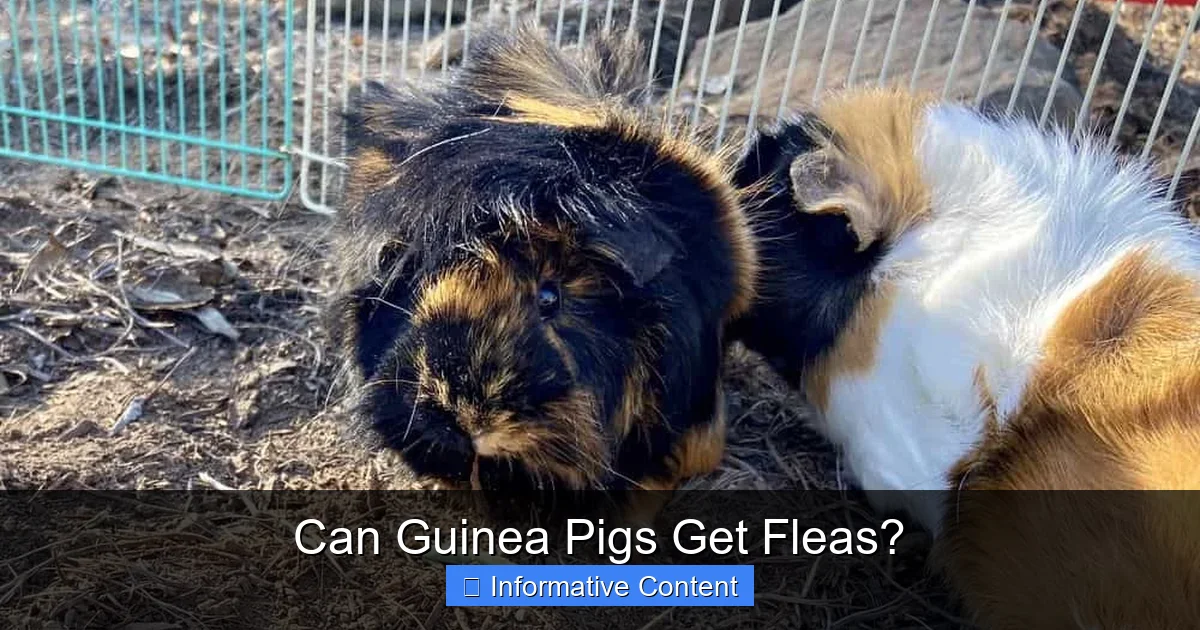
Visual guide about Can Guinea Pigs Get Fleas?
Image source: guineapighq.com
- Part the Fur: Gently part your guinea pig’s fur, especially along the back, base of the tail, and around the belly. Use a fine-tooth flea comb if you have one.
- Look for Movement: Watch for tiny, fast-moving specks. They can be tricky to see as they’ll often try to hide from the light.
- Check Underbelly: Fleas often prefer less hairy areas or places where it’s warmer, so check the underbelly carefully.
The Dreaded “Flea Dirt”
Often, you’ll see evidence of fleas before you actually spot a live one. Flea dirt is essentially flea feces—digested blood that looks like tiny black specks, similar to ground pepper.
How to identify flea dirt:
- Brush Test: Place a white paper towel or cloth under your guinea pig and brush their fur. If black specks fall off, moisten them with a drop of water. If they turn reddish-brown, it’s flea dirt.
- Visual Inspection: Look for these specks directly on your guinea pig’s skin, especially around the base of the hair shafts, or in their bedding.
Behavioral Changes and Physical Symptoms
An itchy guinea pig is an unhappy guinea pig. Look for these signs:
- Excessive Scratching, Biting, or Licking: This is the most obvious sign. Your guinea pig might be scratching much more than usual, biting at their fur, or licking specific spots repeatedly.
- Restlessness and Agitation: Constant itching can make your guinea pig restless, irritable, and unable to settle down.
- Hair Loss (Alopecia): Prolonged scratching can lead to patches of hair loss, especially around the neck, back, and hindquarters.
- Redness, Bumps, or Scabs: Flea bites cause irritation. You might see small red bumps or even scabs where your guinea pig has been scratching excessively.
- Pale Gums (Anemia): In severe infestations, especially in young, old, or sick guinea pigs, significant blood loss from fleas can lead to anemia. Check their gums; if they look pale, it’s a serious concern requiring immediate veterinary attention.
Effective Treatment Options for Fleas on Guinea Pigs
This is perhaps the most critical section. Treating fleas on guinea pigs requires extreme caution and *always* a veterinarian’s guidance. Guinea pigs are very sensitive to many chemicals that are safe for cats and dogs.
Why OTC Products for Cats/Dogs Are Dangerous
This cannot be stressed enough: never use flea products designed for cats or dogs on your guinea pig without explicit veterinary instructions. Many common flea treatments contain permethrin, fipronil, or other insecticides that are highly toxic and often fatal to guinea pigs. These products are formulated for different metabolic systems and body sizes. Using them can lead to severe neurological issues, seizures, organ damage, or death.
Vet-Prescribed Medications
The safest and most effective way to treat fleas on your guinea pig is with medications prescribed by a veterinarian experienced with exotic animals. They will consider your guinea pig’s weight, age, and overall health condition to recommend the correct product and dosage.
Commonly prescribed safe options (always vet-guided):
- Selamectin (Revolution®): This is a topical spot-on medication that is often prescribed off-label for guinea pigs. It’s applied to the skin and absorbed into the bloodstream, killing fleas and other parasites. Your vet will calculate the precise tiny dose needed.
- Imidacloprid (Advantage®): Another spot-on treatment that can be used safely in guinea pigs at specific, vet-determined doses. It works by paralyzing and killing fleas on contact.
These medications are usually applied to the skin at the base of the neck where your guinea pig cannot easily lick it off. It’s vital to follow your vet’s instructions precisely regarding dosage and frequency.
Topical Treatments and Shampoos (Vet-Recommended Only)
In some cases, a vet might recommend a very gentle, guinea pig-safe flea shampoo. However, bathing a guinea pig should generally be avoided unless absolutely necessary, as it can be very stressful and can lead to hypothermia, especially in colder environments. If bathing is recommended, ensure the water is lukewarm, use only vet-approved shampoo, rinse thoroughly, and dry your guinea pig completely and quickly to prevent chilling. This is a last resort and often not the primary treatment for fleas.
Environmental Treatment
Treating your guinea pig alone won’t solve a flea problem if the environment is still infested. Flea eggs, larvae, and pupae can survive in carpets, bedding, and cracks for months.
Steps for environmental treatment:
- Clean the Cage Thoroughly: Remove all bedding, hay, and food. Discard old bedding. Scrub the cage with hot, soapy water and a pet-safe disinfectant. Rinse thoroughly.
- Wash All Textiles: Wash all cage liners, fabric hides, and any other washable items in hot water.
- Vacuum Everything: Vacuum carpets, rugs, furniture, and any areas where your guinea pig spends time. Pay extra attention to cracks and crevices. Dispose of the vacuum bag contents immediately in an outdoor trash bin.
- Steam Clean: If possible, steam clean carpets and upholstery to kill fleas at all life stages.
- Consider a Household Flea Spray: If the infestation is severe, your vet might recommend a pet-safe household flea spray containing an insect growth regulator (IGR) to stop flea development. Always follow product instructions carefully and ensure your guinea pigs and other pets are removed from the area during treatment and until it’s safe to return.
Prevention is Key: Keeping Your Guinea Pig Flea-Free
An ounce of prevention is worth a pound of cure, especially when it comes to parasites. By implementing a few simple practices, you can significantly reduce the risk of your guinea pig getting fleas.
Regular Health Checks
Make it a routine to gently check your guinea pig’s fur and skin during your daily interactions. This could be part of their daily grooming. Look for any signs of scratching, redness, hair loss, or those tell-tale black specks of flea dirt. Early detection means less discomfort for your guinea pig and an easier infestation to manage. A fine-tooth comb designed for small pets can be very helpful for these checks.
Environmental Hygiene
A clean environment is a flea-unfriendly environment.
- Frequent Cage Cleaning: Clean your guinea pig’s cage regularly. Spot clean daily, and do a thorough deep clean at least once a week. This includes changing all bedding and washing washable items in hot water.
- Vacuuming: If your guinea pig has access to areas outside their cage (e.g., a playpen on the carpet), vacuum these areas regularly.
Treating Other Household Pets
This is often the most critical preventative measure. If you have dogs or cats, ensure they are on a year-round, vet-prescribed flea prevention program. If these pets are flea-free, the chances of your guinea pig encountering fleas drastically decrease. Discuss with your vet the best and safest flea prevention for all your household pets.
Limiting Exposure to Outdoor Areas
If your guinea pig enjoys supervised outdoor time, be mindful of where they play. Avoid areas with tall grass or bushes, which can harbor fleas from wildlife. If possible, consider a designated, contained outdoor run that is regularly checked and maintained to be pest-free. Always inspect your guinea pig thoroughly after any outdoor excursion.
Consulting Your Veterinarian
Establishing a good relationship with an exotic animal veterinarian is invaluable. They can offer tailored advice on flea prevention based on your specific living situation, the number of pets you have, and your local flea prevalence. During routine check-ups, your vet can also screen for parasites and discuss the latest safe preventative options for guinea pigs.
Conclusion
The question “can guinea pigs get fleas?” is met with a clear “yes,” but it’s important not to panic. While guinea pigs are susceptible to fleas, particularly cat fleas, it’s generally less common than with other household pets. The key takeaway is that awareness, vigilance, and appropriate action are your best tools in keeping your beloved guinea pig flea-free and comfortable.
Remember, never self-diagnose or self-treat a flea infestation on your guinea pig with products not specifically prescribed by a veterinarian. Their small size and unique physiology make them incredibly sensitive to many common flea treatments. By regularly checking your guinea pig, maintaining a clean environment, ensuring all other pets are on flea prevention, and always consulting your vet at the first sign of trouble, you can ensure your guinea pig enjoys a happy, healthy, and itch-free life. Your furry friend depends on your informed care, and being prepared for potential pests like fleas is a significant part of that responsibility.
Frequently Asked Questions
What type of fleas typically infest guinea pigs?
The most common type of flea to infest guinea pigs is the cat flea (Ctenocephalides felis). While other flea species exist, cat fleas are highly adaptable and often found on a variety of mammals, including dogs, cats, and sometimes humans, making them the primary concern for guinea pig owners.
Can I use natural remedies like essential oils for fleas on my guinea pig?
No, it is strongly advised against using essential oils or other unproven “natural remedies” for fleas on your guinea pig. Many essential oils are toxic to small animals, and even if not immediately fatal, they can cause severe skin irritation, respiratory issues, or organ damage. Always consult your veterinarian for safe and effective treatment options.
How long does it take to get rid of fleas on a guinea pig and in the home?
Eradicating a flea infestation can take several weeks to months, as you need to break the entire flea life cycle. Treating your guinea pig will kill adult fleas, but environmental treatment (thorough cleaning, vacuuming, and potentially household sprays) is crucial to eliminate eggs, larvae, and pupae. Consistency is key for complete eradication.
Is it possible for a guinea pig to have fleas but show no symptoms?
In very mild infestations, especially if your guinea pig is otherwise healthy and a diligent groomer, they might show minimal or no overt symptoms initially. However, even a few fleas can cause discomfort and will quickly reproduce, leading to a noticeable problem. Regular checks are important to catch silent infestations early.
Should I treat all my pets if only my guinea pig has fleas?
Yes, if your guinea pig has fleas, it’s highly recommended to treat all other household pets (dogs, cats, rabbits) for fleas, even if they don’t show obvious signs. Fleas can easily jump between hosts, and untreated pets will act as reservoirs, re-infesting your guinea pig and your home.
How often should I change my guinea pig’s bedding to prevent fleas?
To prevent fleas and maintain overall hygiene, you should spot clean your guinea pig’s cage daily and perform a full bedding change and cage cleaning at least once or twice a week, depending on the bedding type and number of guinea pigs. This helps remove any potential flea eggs or larvae before they can develop.