No, guinea pigs cannot eat rabbit food. Rabbit pellets lack essential Vitamin C, which guinea pigs cannot produce themselves and need daily from their diet. Feeding rabbit food can lead to severe health issues like scurvy, as well as imbalances in calcium, protein, and other vital nutrients. A species-specific diet is absolutely crucial for your guinea pig’s long-term health and well-being, ensuring they receive all the necessary vitamins and minerals in the correct proportions.
When you bring a new furry friend into your home, whether it’s a playful guinea pig or a hopping rabbit, you quickly learn that providing the right nutrition is paramount to their health and happiness. It’s only natural to wonder if their diets might overlap, especially when their commercial foods often look quite similar. You might have both a guinea pig and a rabbit, and the question crosses your mind: “Can guinea pigs eat rabbit food?” It’s a common query, and it comes from a place of wanting to do the best for your pets.
However, despite their adorable similarities as small, herbivorous rodents often kept as pets, guinea pigs and rabbits have distinctly different nutritional requirements. What might seem like a small difference in a bag of pellets can actually have a profound impact on your guinea pig’s health. The answer to whether guinea pigs can eat rabbit food is a resounding no, and understanding why is crucial for every guinea pig owner. Let’s dive deep into the specific dietary needs of both these animals and uncover why sharing food between them is a risky endeavor.
Contents
- The Unique Nutritional Needs of Guinea Pigs
- The Dietary World of Rabbits
- Comparing Rabbit Food vs. Guinea Pig Food: The Critical Differences
- Why Rabbit Food is NOT Suitable for Guinea Pigs
- What Guinea Pigs *Should* Eat: A Healthy Diet Breakdown
- What to Do If Your Guinea Pig Accidentally Ate Rabbit Food
- Conclusion: Prioritizing Species-Specific Nutrition
- Key Takeaways
- Quick Answers to Common Questions
- Frequently Asked Questions
- What is the most important part of a guinea pig’s diet?
- Why can’t guinea pigs make their own Vitamin C?
- Can I feed my guinea pig alfalfa hay instead of Timothy hay?
- What fresh vegetables are safe for guinea pigs?
- How much pellet food should I give my guinea pig?
- Can guinea pigs and rabbits live together?
The Unique Nutritional Needs of Guinea Pigs
Guinea pigs, also known as cavies, are delightful little creatures with very specific dietary demands. Unlike many other animals, including rabbits, guinea pigs cannot synthesize their own Vitamin C. This makes Vitamin C an essential nutrient that must be supplied daily through their diet, much like humans. Without enough Vitamin C, guinea pigs can develop scurvy, a debilitating and potentially fatal condition characterized by painful joints, lethargy, poor coat quality, and weakened immunity.
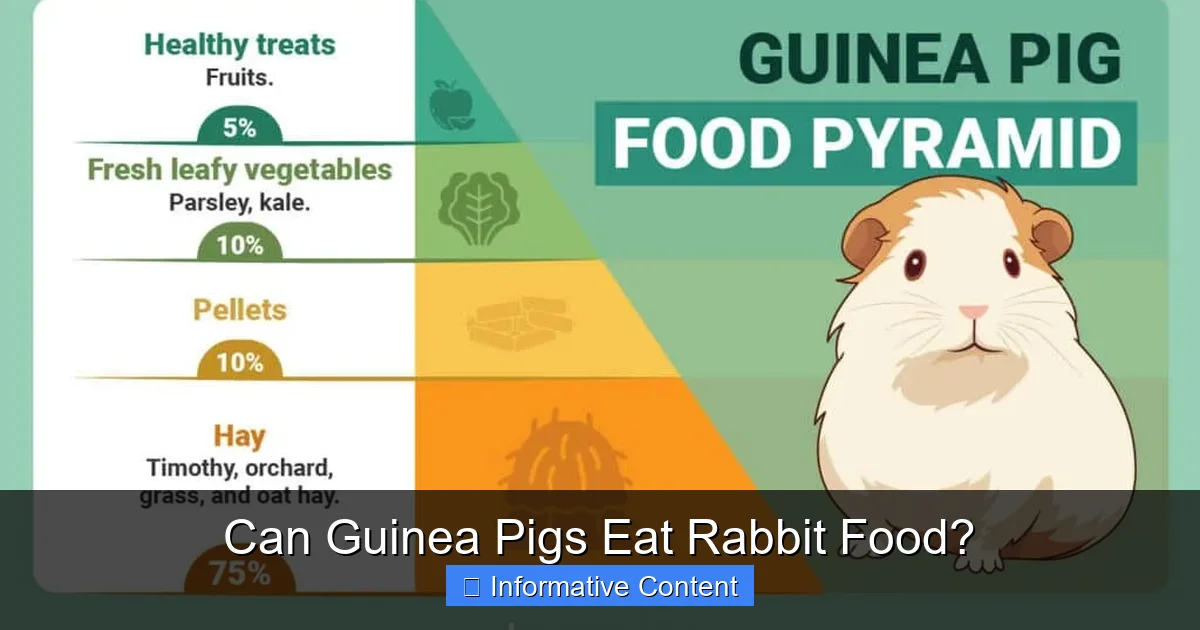
Their diet should primarily consist of high-quality Timothy hay, which provides essential fiber for their continuously growing teeth and a healthy digestive system. This hay should be available 24/7. Beyond hay, a measured amount of species-specific guinea pig pellets fortified with Vitamin C is necessary. These pellets are formulated to provide a balanced mix of vitamins, minerals, and protein suitable for their unique physiology. Finally, a daily serving of fresh vegetables, particularly those rich in Vitamin C like bell peppers, kale, and parsley, completes their diet. Occasional small amounts of fruit can be given as treats.
The Dietary World of Rabbits
Rabbits, while also herbivores with continuously growing teeth and a fiber-dependent digestive system, have different nutritional needs. Like guinea pigs, their diet should be primarily hay – usually Timothy hay – for gut health and dental wear. They also benefit from a good quality rabbit pellet. However, here’s where the crucial difference lies: rabbits, unlike guinea pigs, can produce their own Vitamin C. This means their commercial pellets are not fortified with the same high levels of Vitamin C that guinea pig pellets are.
Rabbit pellets are formulated with different ratios of protein, fiber, fat, and calcium to suit a rabbit’s metabolism. While both animals need fiber, the specific types and amounts can vary, and rabbits have a unique digestive process involving cecotrophy (re-ingesting soft fecal pellets) that influences their nutrient absorption. The calcium levels in rabbit pellets are often higher than what is safe for guinea pigs, as rabbits can generally process more calcium without developing issues like bladder stones.
Comparing Rabbit Food vs. Guinea Pig Food: The Critical Differences
At a glance, a bag of rabbit pellets and a bag of guinea pig pellets might look similar. They might both be green, extruded shapes, and perhaps even smell somewhat alike. But the devil, as they say, is in the details – specifically, the nutritional label. Understanding these differences is key to grasping why can guinea pigs eat rabbit food is such a dangerous question to answer affirmatively.
Vitamin C: The Deal Breaker
This is arguably the most significant difference. Guinea pig pellets are *always* fortified with Vitamin C. Reputable brands will clearly state this on their packaging. Rabbit pellets, on the other hand, rarely contain supplemental Vitamin C because rabbits produce their own. If a guinea pig eats rabbit food consistently, it will quickly develop a severe Vitamin C deficiency, leading to scurvy. Symptoms include lethargy, loss of appetite, swollen and painful joints, reluctance to move, rough coat, and internal bleeding.
Calcium Levels
Rabbit pellets typically contain higher levels of calcium than guinea pig pellets. While calcium is an essential mineral, an excess of it can be very harmful to guinea pigs. Guinea pigs are prone to developing calcium-based bladder stones and urinary tract issues if their diet contains too much calcium. These conditions are extremely painful and often require veterinary intervention, including surgery. A diet high in alfalfa hay or rabbit pellets can contribute significantly to this problem.
Protein, Fiber, and Fat Ratios
While both animals need fiber, protein, and fat, the ideal ratios differ. Rabbit food might have different protein levels, which could be either too high or too low for a guinea pig’s specific needs, impacting growth and muscle maintenance. The fiber content, while high in both, might consist of different types of fiber or have varying particle sizes that are not perfectly suited for a guinea pig’s digestive system. Similarly, fat levels might be different, potentially leading to weight gain or nutritional deficiencies.
Other Micronutrients
Beyond the big three (Vitamin C, calcium, fiber), there are numerous other vitamins and minerals that are balanced differently in species-specific foods. These micronutrients, though needed in smaller quantities, play crucial roles in overall health, immunity, and metabolic functions. Rabbit food simply isn’t designed to meet the complex micronutrient profile required by a guinea pig.
Why Rabbit Food is NOT Suitable for Guinea Pigs
Let’s consolidate the reasons why feeding rabbit food to your guinea pig is a very bad idea. It’s not just about one missing nutrient; it’s about a complete nutritional mismatch that can lead to a cascade of health problems. The question, “can guinea pigs eat rabbit food?” is not just about preference, but about survival.
Risk of Scurvy
As emphasized, this is the most immediate and severe risk. Without daily Vitamin C, a guinea pig’s health deteriorates rapidly. Scurvy is not a minor ailment; it causes immense pain and suffering, and if left untreated, it is fatal. It’s preventable by simply feeding the correct, fortified pellets and fresh veggies.
Urinary Tract and Bladder Stones
The higher calcium content in rabbit food significantly increases the risk of bladder and kidney stones in guinea pigs. These stones can cause blockages, pain during urination, and severe infections. Surgical removal is often necessary, which is costly, stressful for the animal, and carries surgical risks.
Digestive Upset and Imbalances
A guinea pig’s digestive system is finely tuned to process its natural diet. Introducing food with incorrect fiber types or ratios, or an imbalance of other nutrients, can disrupt the delicate balance of gut bacteria. This can lead to diarrhea, bloat, appetite loss, and other gastrointestinal issues, which can quickly become life-threatening in small animals.
Malnutrition and Weight Issues
If rabbit food replaces a significant portion of a guinea pig’s diet, they will likely suffer from malnutrition. They won’t get the correct balance of protein, fats, and other vitamins and minerals designed for their species. This can lead to poor growth in young cavies, weight loss or obesity depending on the specific formulation, and a weakened immune system making them susceptible to other illnesses.
What Guinea Pigs *Should* Eat: A Healthy Diet Breakdown
Understanding what guinea pigs *can’t* eat makes it even more important to be clear about what they *should* eat. Providing a proper diet is the single most important thing you can do for your guinea pig’s long-term health.
1. Unlimited High-Quality Hay
Timothy hay (or orchard hay, oat hay for variety) should make up about 80% of a guinea pig’s diet. It provides essential fiber for digestion and helps wear down their continuously growing teeth, preventing dental problems. Always ensure your guinea pig has access to fresh, clean hay.
2. Fortified Guinea Pig Pellets (Measured Amount)
Offer about 1/8 to 1/4 cup of high-quality, Vitamin C-fortified guinea pig pellets per adult guinea pig per day. Look for brands that use Timothy hay as the primary ingredient, not alfalfa (unless for young, pregnant, or nursing guinea pigs). Avoid “muesli” style mixes with seeds, nuts, and dried fruit, as these can lead to selective eating and dental problems.
3. Fresh Vegetables (Daily)
Provide a variety of fresh vegetables daily, equivalent to about one cup per guinea pig. Focus on leafy greens and vegetables rich in Vitamin C, such as:
- Bell peppers (especially red and yellow)
- Leafy greens like romaine lettuce, green leaf lettuce, red leaf lettuce (avoid iceberg)
- Parsley, cilantro, dill
- Kale (in moderation due to calcium)
- Cucumber, zucchini
- Small amounts of carrots or tomatoes as treats
Rotate veggies to ensure a broad spectrum of nutrients.
4. Limited Fruits and Treats (Occasionally)
Fruits can be given in very small amounts (a tablespoon or two) a few times a week as a treat due to their high sugar content. Good options include apple slices (no seeds), berries, or melon. Avoid processed human snacks entirely.
5. Fresh Water
Always provide fresh, clean water in a sipper bottle, changed daily. Clean the bottle regularly to prevent algae and bacteria buildup.
What to Do If Your Guinea Pig Accidentally Ate Rabbit Food
Accidents happen. Maybe a curious piggy snuck into a rabbit’s enclosure, or perhaps you accidentally bought the wrong bag of food. If you find your guinea pig has ingested rabbit food, don’t panic, but do act quickly.
1. **Remove all rabbit food immediately:** Ensure there is no more rabbit food accessible to your guinea pig.
2. **Assess the amount:** A small nibble or a few pellets once is less concerning than continuous access or a large quantity.
3. **Ensure access to proper food:** Make sure your guinea pig has plenty of its usual Timothy hay, guinea pig pellets, and fresh water. Offer some fresh, Vitamin C-rich vegetables.
4. **Monitor closely:** For the next 24-48 hours, keep a close eye on your guinea pig for any signs of distress. Look for changes in appetite, lethargy, diarrhea, constipation, difficulty urinating, or general discomfort.
5. **Contact your vet:** If you notice any concerning symptoms, or if your guinea pig ate a significant amount of rabbit food, contact an experienced exotic veterinarian immediately. They can advise you on the best course of action.
Generally, a single, small accidental ingestion is unlikely to cause immediate severe harm, but chronic feeding is detrimental. The key is prevention and immediate correction of the diet.
Conclusion: Prioritizing Species-Specific Nutrition
The question “can guinea pigs eat rabbit food?” often arises from a place of convenience or misunderstanding, but the answer is unequivocally no. Guinea pigs and rabbits, despite sharing some common traits as small herbivores, have distinct nutritional requirements that necessitate species-specific diets. The critical absence of Vitamin C in rabbit food, coupled with differing calcium levels and other nutrient ratios, makes it an unsuitable and dangerous food source for guinea pigs.
As responsible pet owners, our primary goal is to ensure the health and longevity of our beloved companions. Providing the correct diet, rich in high-quality hay, fortified guinea pig pellets, and fresh vegetables, is fundamental to achieving this. Always double-check food labels, store foods separately, and consult with a veterinarian specializing in exotic animals if you have any doubts about your guinea pig’s nutritional needs. Your guinea pig’s health and happiness depend on you making informed choices about what goes into their food bowl.
Key Takeaways
- Vitamin C Deficiency Risk: Guinea pigs cannot produce their own Vitamin C and require a daily dietary supply, which rabbit food critically lacks. Feeding rabbit food can quickly lead to scurvy.
- Calcium Imbalance: Rabbit food often contains higher levels of calcium than is healthy for guinea pigs, potentially leading to bladder stones and kidney problems over time.
- Incorrect Nutrient Ratios: The protein, fiber, and fat ratios in rabbit food are formulated for rabbits, not guinea pigs, which have distinct metabolic and digestive needs.
- Digestive Upset: The differing composition of rabbit food can cause digestive upset, diarrhea, or other gastrointestinal issues in guinea pigs due to unsuitable fiber types and amounts.
- Species-Specific Diet is Essential: Always provide a diet specifically formulated for guinea pigs, consisting primarily of high-quality hay, fortified guinea pig pellets, and fresh vegetables rich in Vitamin C.
- Immediate Action for Accidental Ingestion: If your guinea pig accidentally eats a small amount of rabbit food, remove it immediately, monitor them closely for any symptoms, and ensure they return to their proper diet. Consult a vet if concerns arise.
- Prevention is Key: Store guinea pig food and rabbit food separately and out of reach to prevent any accidental mix-ups or consumption.
Quick Answers to Common Questions
Can guinea pigs eat rabbit food daily?
No, guinea pigs absolutely cannot eat rabbit food daily. This will lead to severe Vitamin C deficiency (scurvy) and other nutritional imbalances that are detrimental to their health and can be fatal.
What happens if a guinea pig eats rabbit food?
If a guinea pig eats rabbit food, it risks developing scurvy due to the lack of Vitamin C, urinary tract issues from excess calcium, and digestive problems from unsuitable nutrient ratios.
Do guinea pigs need Vitamin C supplements?
Guinea pigs need Vitamin C daily. While fortified pellets and fresh vegetables provide most of what they need, some vets recommend a small amount of liquid Vitamin C supplement, especially for older or ill guinea pigs.
Can guinea pigs eat rabbit treats?
It’s best to avoid feeding guinea pigs rabbit treats. These treats are formulated for rabbits and may contain ingredients, sugars, or nutrient profiles that are inappropriate or harmful for guinea pigs.
Is guinea pig food more expensive than rabbit food?
The price of guinea pig food and rabbit food can vary by brand and quality, but generally, they are comparable. The most important factor is ensuring you buy species-specific food for each pet.
Frequently Asked Questions
What is the most important part of a guinea pig’s diet?
The most important part of a guinea pig’s diet is unlimited, high-quality Timothy hay. It provides essential fiber for digestive health and helps wear down their continuously growing teeth, preventing painful dental problems.
Why can’t guinea pigs make their own Vitamin C?
Guinea pigs, like humans and some other animals, lack the enzyme L-gulonolactone oxidase, which is necessary for the synthesis of Vitamin C within the body. Therefore, they must obtain it from external dietary sources.
Can I feed my guinea pig alfalfa hay instead of Timothy hay?
Alfalfa hay is higher in calcium and protein than Timothy hay, making it suitable only for very young, pregnant, or nursing guinea pigs who need these extra nutrients. Adult guinea pigs should primarily eat Timothy hay to prevent health issues like bladder stones.
What fresh vegetables are safe for guinea pigs?
Safe fresh vegetables for guinea pigs include bell peppers (high in Vitamin C), romaine lettuce, green leaf lettuce, parsley, cilantro, and small amounts of carrots or cucumber. Always introduce new foods slowly and in moderation.
How much pellet food should I give my guinea pig?
An adult guinea pig should typically receive about 1/8 to 1/4 cup of high-quality, Vitamin C-fortified guinea pig pellets per day. Adjust the amount based on your guinea pig’s size, age, and activity level, and always prioritize hay consumption.
Can guinea pigs and rabbits live together?
No, guinea pigs and rabbits should generally not live together. They have different social structures, communication styles, and can transmit diseases to each other. Rabbits can also accidentally injure guinea pigs due to their larger size and stronger kicks.