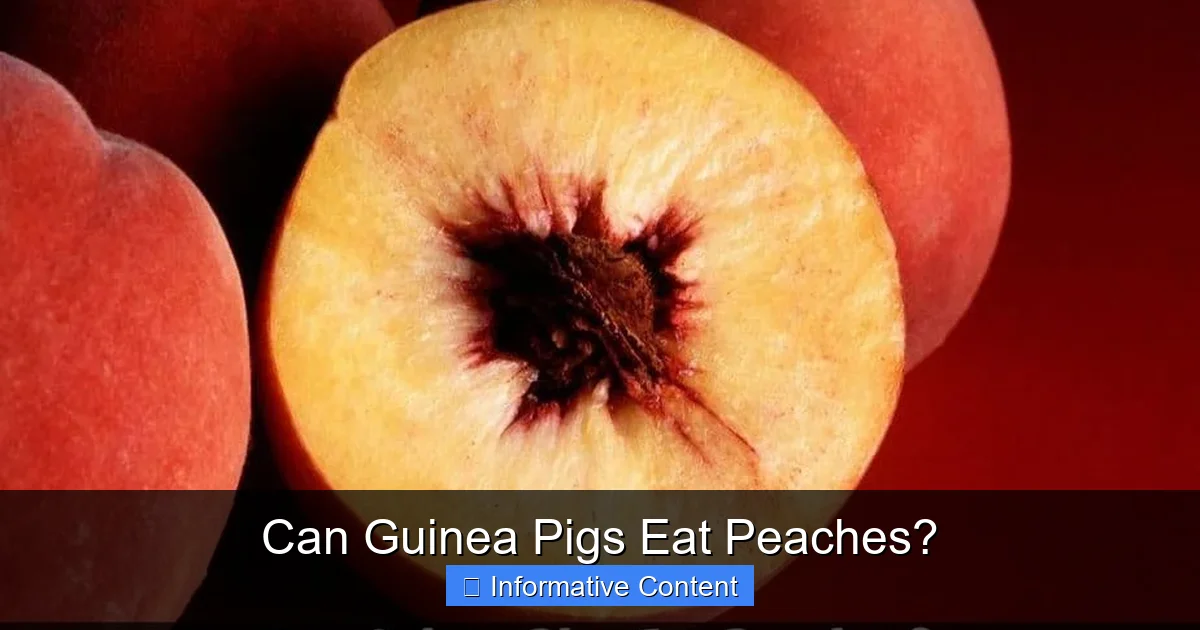
Yes, guinea pigs can eat peaches, but only in strict moderation and with careful preparation. While peaches offer beneficial vitamins and antioxidants, their high sugar and acidity content can pose health risks if overfed. Always remove the pit, stem, and leaves, and serve small, fresh pieces as an occasional treat.
Contents
- Can Guinea Pigs Eat Peaches?
- Key Takeaways
- Quick Answers to Common Questions
- 📑 Table of Contents
- The Sweet Truth: Can Guinea Pigs Eat Peaches?
- Nutritional Benefits Peaches Offer Your Guinea Pig
- Potential Risks and Why Moderation is Key
- How to Safely Prepare and Serve Peaches to Your Guinea Pig
- How Often and How Much Peach Can Guinea Pigs Eat?
- What About Other Peach Products?
- Guinea Pig Diet Essentials: A Reminder
- Final Thoughts on Peaches for Guinea Pigs
- Frequently Asked Questions
- Are peaches a good source of Vitamin C for guinea pigs?
- What are the main risks of feeding peaches to guinea pigs?
- Can guinea pigs eat canned or dried peaches?
- How should I introduce peaches to my guinea pig’s diet?
- What other fruits can guinea pigs eat as treats?
- What should I do if my guinea pig eats too much peach or a toxic part?
Can Guinea Pigs Eat Peaches?
As a loving guinea pig parent, you’re constantly on the lookout for ways to spoil your tiny companion, often wondering which human foods are safe for their delicate digestive systems. You might be enjoying a juicy, ripe peach on a warm day and think, “Can my guinea pig have a bite of this sweet treat?” It’s a common and valid question, as knowing what’s safe and what’s not is paramount to your pet’s health and happiness.
The good news is that, yes, guinea pigs *can* eat peaches! However, this comes with a very important caveat: peaches should only be offered as a rare, occasional treat and in very small quantities. While this popular stone fruit offers some wonderful nutritional benefits, it also carries potential risks due to its high sugar content and acidity. Understanding the balance between these aspects is key to safely incorporating peaches into your guinea pig’s diet.
This comprehensive guide will walk you through everything you need to know about feeding peaches to your guinea pig. We’ll explore the nutritional upsides, discuss the potential downsides, explain exactly how to prepare them safely, and help you determine the right portion sizes and frequency. By the end, you’ll feel confident in making informed decisions about whether, and how, to share this delicious fruit with your furry friend.
Key Takeaways
- Moderation is Crucial: Peaches are high in sugar and acidity, so they should only be offered as a rare, small treat to prevent digestive upset and other health issues.
- Proper Preparation is Essential: Always remove the pit, stem, and leaves of a peach before offering it to your guinea pig, as these parts contain cyanide and are toxic.
- Wash Thoroughly: Wash peaches well to remove any pesticides or chemicals that could harm your guinea pig.
- Skin or No Skin: While the skin is generally safe, it can be tough or contain residues. Many owners prefer to peel peaches, especially for smaller portions, to reduce potential choking hazards or digestive issues.
- Nutritional Benefits: Peaches offer vitamin C, vitamin A, potassium, and antioxidants, contributing to overall health when given sparingly.
- Watch for Reactions: Always introduce new foods slowly and observe your guinea pig for any signs of discomfort, diarrhea, or changes in behavior.
- Not a Staple Food: Peaches should never replace your guinea pig’s primary diet of hay, high-quality pellets, and fresh leafy greens.
Quick Answers to Common Questions
Can guinea pigs eat peach skin?
While peach skin is not toxic, it can be tough for guinea pigs to chew and digest, potentially posing a choking hazard or causing digestive upset. It’s generally recommended to peel the peach before offering it to your guinea pig for extra safety.
Are peach pits toxic to guinea pigs?
Yes, peach pits (stones) are highly toxic to guinea pigs and other animals because they contain amygdalin, which converts to cyanide when metabolized. Always remove the pit completely before offering any peach flesh.
How often can I give my guinea pig peaches?
Peaches should be given as a rare treat, no more than once or twice a week at most, due to their high sugar and acidity content. Some owners prefer to offer them even less frequently.
What is a safe portion size of peach for a guinea pig?
A safe portion size for an adult guinea pig is about a 1-inch cube, or 1-2 small, pea-sized pieces. Always cut it into tiny, manageable chunks to prevent choking.
Can baby guinea pigs eat peaches?
It’s best to avoid giving peaches to baby guinea pigs. Their digestive systems are even more sensitive than adults, and the high sugar and acidity could cause significant upset. Stick to hay, pellets, and very small amounts of safe, low-sugar greens for young cavies.
📑 Table of Contents
- The Sweet Truth: Can Guinea Pigs Eat Peaches?
- Nutritional Benefits Peaches Offer Your Guinea Pig
- Potential Risks and Why Moderation is Key
- How to Safely Prepare and Serve Peaches to Your Guinea Pig
- How Often and How Much Peach Can Guinea Pigs Eat?
- What About Other Peach Products?
- Guinea Pig Diet Essentials: A Reminder
- Final Thoughts on Peaches for Guinea Pigs
The Sweet Truth: Can Guinea Pigs Eat Peaches?
Let’s get straight to the heart of the matter: Can guinea pigs eat peaches? The answer is a conditional yes. Peaches are not toxic to guinea pigs in moderation, but they are far from being a staple food. Think of them more like a special dessert you enjoy occasionally rather than an everyday meal. Their primary diet should always consist of an unlimited supply of fresh hay, high-quality guinea pig pellets, and a variety of fresh, guinea pig-safe leafy greens.
The “why” behind this moderation lies in the peach’s nutritional profile. While a delightful fruit for humans, for a small herbivore like a guinea pig, certain components can be problematic if consumed in excess. We’ll delve deeper into these aspects shortly, but the core message is clear: proceed with caution and always prioritize safety and moderation.
Why Moderation is Key for Peaches
The main concerns with feeding too much peach to a guinea pig revolve around two primary factors: sugar content and acidity. Guinea pigs are not designed to process large amounts of sugar. Their digestive systems are very sensitive, and an overload of sugar can quickly lead to:
- Gastrointestinal Upset: Diarrhea, bloating, gas, and general stomach discomfort are common signs of too much sugar.
- Weight Gain and Obesity: Excess calories from sugar can lead to unhealthy weight gain, putting strain on their joints and organs.
- Dental Problems: Sugary foods can contribute to tooth decay, which is particularly problematic for guinea pigs whose teeth grow continuously.
- Diabetes: While rare, consistently feeding high-sugar foods can potentially increase the risk of diabetes in guinea pigs.
Acidity is another concern. Peaches, like many fruits, are acidic. Too much acid can irritate a guinea pig’s mouth and digestive tract, leading to sores or digestive upset. Therefore, balancing the occasional treat with their regular, low-sugar, low-acid diet is absolutely vital.
Nutritional Benefits Peaches Offer Your Guinea Pig
Even with the caveats, peaches aren’t entirely without merit for your guinea pig. When given in tiny amounts, they can offer some valuable nutrients that contribute to their overall health. It’s like a small bonus, not a main course!
Vitamin C Powerhouse
Perhaps the most significant benefit of peaches for guinea pigs is their Vitamin C content. Guinea pigs, like humans, cannot synthesize their own Vitamin C and must obtain it from their diet. A deficiency can lead to scurvy, a serious and potentially fatal condition. While fresh bell peppers and leafy greens are much better daily sources, a small piece of peach can contribute to their daily intake.
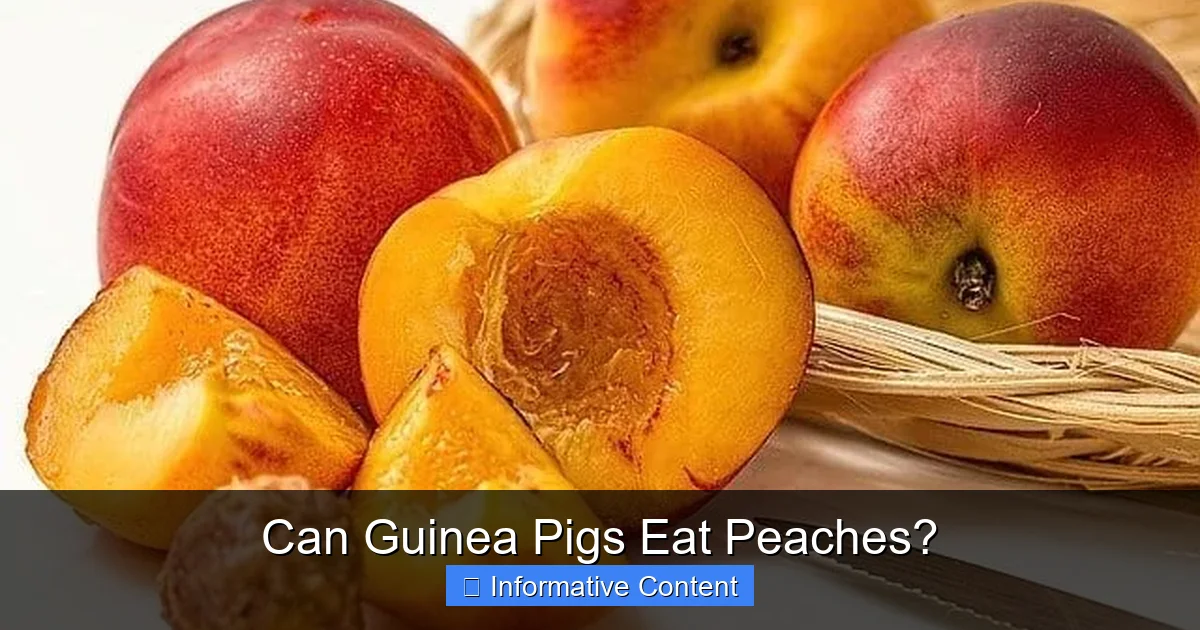
Visual guide about Can Guinea Pigs Eat Peaches?
Image source: guineapig101.com
- Immune System Support: Vitamin C is crucial for a strong immune system, helping your guinea pig fight off infections and illnesses.
- Collagen Production: It’s essential for healthy skin, gums, joints, and connective tissues.
Other Important Vitamins and Minerals
Beyond Vitamin C, peaches contain several other beneficial nutrients:
- Vitamin A: Important for good vision, healthy skin, and immune function. Peaches contain beta-carotene, which the body converts into Vitamin A.
- Potassium: An essential electrolyte that helps maintain proper fluid balance, nerve function, and muscle contractions.
- Antioxidants: Peaches are rich in antioxidants like phenolic compounds and carotenoids, which help protect cells from damage caused by free radicals, potentially reducing the risk of chronic diseases.
- Fiber: While not a primary source, peaches do contain dietary fiber, which aids in digestion and helps maintain a healthy gut. However, too much fruit fiber can also cause issues, so remember the small portions!
Potential Risks and Why Moderation is Key
We’ve touched upon sugar and acidity, but let’s dive a bit deeper into the specific risks associated with feeding peaches to your guinea pig, especially if not prepared correctly or given too frequently. Understanding these potential pitfalls is crucial for responsible pet ownership.
High Sugar Content
As mentioned, the high sugar content in peaches is the biggest concern. Guinea pigs’ digestive systems are adapted to a diet primarily composed of fibrous hay and low-sugar vegetables. A sudden influx of sugar can disrupt the delicate balance of beneficial bacteria in their gut, leading to:
- Dysbiosis: An imbalance in gut flora, resulting in digestive upset.
- Fermentation: Sugars can ferment in the gut, producing gas and leading to painful bloat.
- Diarrhea: A common symptom of digestive distress from sugary foods, which can lead to dehydration and other serious health problems if prolonged.
Acidity Concerns
Peaches are moderately acidic. While a tiny amount is usually fine, regular consumption of acidic foods can:
- Irritate the Mouth: Cause sores or irritation around the mouth and lips.
- Urinary Tract Issues: Some theories suggest that highly acidic foods might contribute to bladder stones or sludge in sensitive guinea pigs, though more research is needed on this specific link with peaches.
Choking Hazards and Toxic Parts
This is a critical area for safety when feeding peaches:
- The Peach Pit (Stone): This is the most dangerous part. Peach pits contain amygdalin, which converts into cyanide when metabolized. This is highly toxic to guinea pigs and other animals. ALWAYS remove the pit entirely.
- Stems and Leaves: Like the pit, peach stems and leaves also contain small amounts of cyanogenic glycosides and are considered toxic. Ensure no stems or leaves are present on the fruit you offer.
- Choking Hazard: Even the flesh of the peach, if given in large, improperly sized chunks, can be a choking hazard for a small guinea pig. Always cut peaches into very small, manageable pieces.
Pesticide Residues
Conventionally grown peaches can carry pesticide residues on their skin. These chemicals can be harmful to your guinea pig. Always wash peaches thoroughly, even if you plan to peel them, to minimize exposure.
How to Safely Prepare and Serve Peaches to Your Guinea Pig
If you decide to offer your guinea pig a peach treat, proper preparation is non-negotiable. Following these steps will help ensure their safety and maximize the potential benefits while minimizing risks.
Step-by-Step Preparation
- Choose Ripe, Fresh Peaches: Select a peach that is ripe but firm. Avoid overripe or bruised peaches, as they can be more acidic or prone to mold.
- Wash Thoroughly: Rinse the peach under cool running water. Gently rub the skin to remove any dirt, bacteria, or pesticide residues.
- Remove All Toxic Parts: This is the most crucial step. Carefully cut the peach in half and remove the large pit (stone). Ensure no small fragments of the pit remain. Also, remove the stem and any attached leaves.
- Peel the Skin (Optional but Recommended): While peach skin is not inherently toxic, it can sometimes be tough for guinea pigs to chew and digest, potentially leading to choking or digestive upset. It can also harbor more pesticide residues even after washing. Many owners prefer to peel the peach to be extra safe.
- Cut into Tiny, Manageable Pieces: Once peeled and pitted, cut the peach flesh into very small, bite-sized cubes or thin slices. Think about the size of a pea or smaller – something they can easily pick up and chew without struggle.
Serving Tips
- Serve Fresh: Always offer fresh peach pieces. Do not leave uneaten fruit in the cage for extended periods, as it can attract pests and spoil, leading to bacterial growth. Remove any uneaten portions within an hour or two.
- Introduce Slowly: If your guinea pig has never had peach before, start with an even smaller piece than usual and observe their reaction for the next 24-48 hours. Look for signs of digestive upset like diarrhea, lethargy, or loss of appetite.
- Combine with Veggies: Offer peach alongside their regular daily portion of leafy greens or bell peppers to ensure they are getting a balanced meal.
How Often and How Much Peach Can Guinea Pigs Eat?
This is where the “moderation” aspect truly comes into play. Given the high sugar and acidity, peaches are strictly an occasional treat, not a regular part of their diet.
Frequency
A good rule of thumb is to offer peach no more than once or twice a week, at most. Some owners prefer to give it even less frequently, perhaps once every two weeks or only on special occasions. Consistency is key here; avoid sudden changes or frequent treats.
Portion Size
For an adult guinea pig, a safe portion size is about a 1-inch cube, or 1-2 small, pea-sized pieces. For baby guinea pigs or very small individuals, even less. This small amount allows them to enjoy the flavor and benefits without overwhelming their system with sugar or acid.
Remember, this small portion should be part of their overall daily fresh produce allowance, not in addition to it. Their primary daily fresh produce should still be focused on leafy greens and vegetables like bell peppers.
What About Other Peach Products?
While fresh, raw peach is the only acceptable form, you might wonder about other peach-based products. The answer across the board for these is a resounding NO.
Canned Peaches
Absolutely avoid canned peaches. They are typically packed in sugary syrup, which is disastrous for a guinea pig’s digestive system. Even “no sugar added” varieties often contain artificial sweeteners or preservatives that are unsafe.
Dried Peaches
Dried fruits, including dried peaches, are concentrated sources of sugar. The drying process removes water, making the sugar content per gram much higher. This makes them extremely unhealthy for guinea pigs.
Peach Juice or Nectar
Never give your guinea pig peach juice or nectar. These products are packed with sugar and lack the beneficial fiber found in whole fruit. They can cause rapid digestive upset and are detrimental to their health.
Peach Baby Food
While marketed for babies, peach baby food is also unsuitable. It often contains added sugars, preservatives, or other ingredients not safe for guinea pigs. Stick to whole, fresh fruit.
Guinea Pig Diet Essentials: A Reminder
It’s easy to get excited about new treats, but it’s vital to always remember the cornerstone of a guinea pig’s healthy diet. Peaches, like other fruits, should never overshadow the importance of their core nutritional needs.
Unlimited Hay
The vast majority of a guinea pig’s diet (around 80-90%) should be high-quality, fresh timothy hay or orchard grass. Hay is crucial for their digestive health, providing essential fiber that keeps their gut moving and prevents issues like stasis. It also helps grind down their continuously growing teeth, preventing painful dental problems.
High-Quality Pellets
Offer a small amount (about 1/8 to 1/4 cup per day for an adult) of high-quality, plain guinea pig pellets. Look for pellets that are high in fiber, specifically formulated for guinea pigs, and fortified with Vitamin C. Avoid colorful, “gourmet” mixes that often contain seeds, nuts, and dried fruits, which are unhealthy.
Daily Fresh Vegetables
About 1 cup of fresh vegetables daily is ideal. Focus on leafy greens like romaine lettuce, green leaf lettuce, red leaf lettuce, and cilantro. Bell peppers (especially red and yellow) are excellent daily sources of Vitamin C. You can also offer small amounts of other guinea pig-safe vegetables like cucumber, carrot (sparingly due to sugar), and zucchini.
Fresh Water
Always ensure your guinea pig has access to fresh, clean water, preferably in a sipper bottle, changed daily.
Final Thoughts on Peaches for Guinea Pigs
In conclusion, can guinea pigs eat peaches? Yes, they can, but with significant caveats. Peaches can be a delightful, vitamin-rich treat when given correctly, but their high sugar and acidity make them risky if overfed or improperly prepared. Always remember to remove the pit, stem, and leaves, wash the fruit thoroughly, and cut it into very small pieces. Limit peach servings to once or twice a week at most, and keep the portion size minimal.
Your guinea pig’s health is in your hands, and making informed choices about their diet is one of the best ways to show your love. When in doubt, lean on the side of caution. Hay, pellets, and safe leafy greens should always be the priority, with fruits like peaches serving as a rare, special indulgence. If you ever notice any adverse reactions after feeding a new food, consult with your exotic veterinarian immediately. Happy treating, and enjoy watching your little friend savor their tiny taste of summer!
Frequently Asked Questions
Are peaches a good source of Vitamin C for guinea pigs?
While peaches do contain Vitamin C, they are not the best primary source for guinea pigs due to their high sugar content. Bell peppers and leafy greens like parsley or cilantro offer higher amounts of Vitamin C with less sugar, making them much better daily options for meeting your guinea pig’s Vitamin C needs.
What are the main risks of feeding peaches to guinea pigs?
The main risks of feeding peaches to guinea pigs are their high sugar content, which can lead to digestive upset, weight gain, and dental problems, and their acidity, which can irritate their digestive system. Additionally, the peach pit, stem, and leaves are toxic and must always be removed.
Can guinea pigs eat canned or dried peaches?
No, guinea pigs should never eat canned or dried peaches. Canned peaches are typically packed in sugary syrup, and dried peaches have a highly concentrated sugar content, both of which are very unhealthy and can cause severe digestive problems for guinea pigs.
How should I introduce peaches to my guinea pig’s diet?
When introducing peaches (or any new food), start with a tiny, pea-sized piece. Observe your guinea pig for the next 24-48 hours for any signs of digestive upset, such as diarrhea, lethargy, or changes in appetite. If they show no adverse reactions, you can occasionally offer a slightly larger, but still small, portion.
What other fruits can guinea pigs eat as treats?
Guinea pigs can enjoy a variety of other fruits as occasional treats, such as small pieces of apple (without seeds), berries like strawberries and blueberries, and melon. Like peaches, all fruits should be given in strict moderation due to their sugar content and proper preparation (e.g., removing seeds) is essential.
What should I do if my guinea pig eats too much peach or a toxic part?
If your guinea pig accidentally eats a large amount of peach or any toxic part like the pit or stem, contact your exotic veterinarian immediately. Monitor them closely for symptoms such as lethargy, diarrhea, loss of appetite, difficulty breathing, or seizures, and be prepared to provide information about what and how much they consumed.