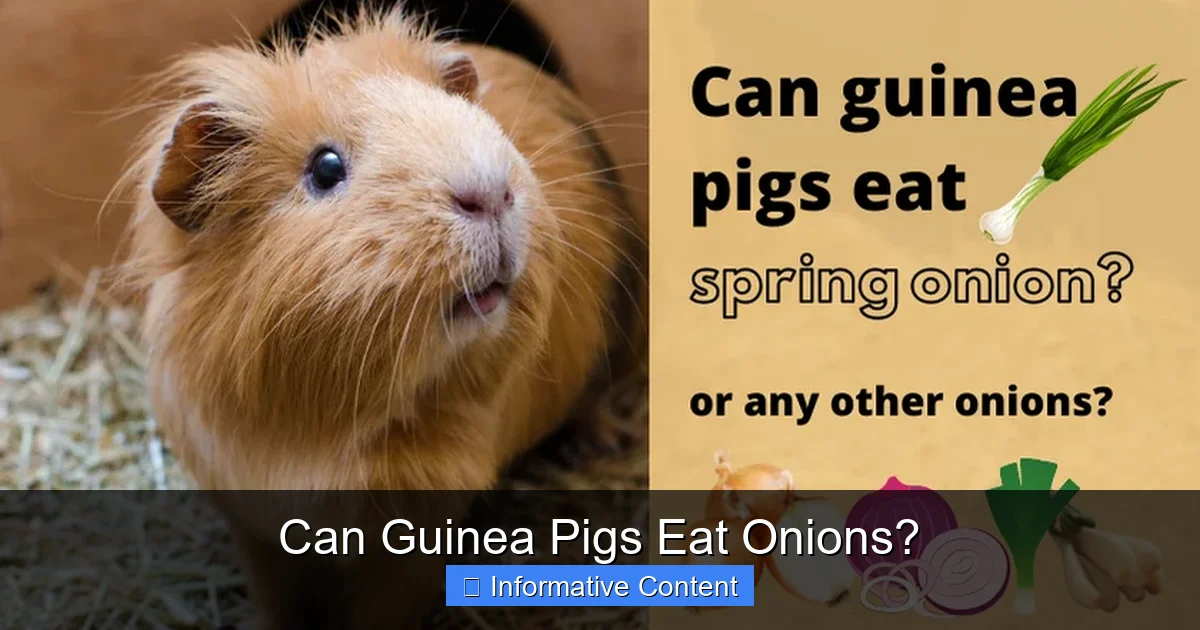
No, guinea pigs cannot eat onions under any circumstances. Onions, and other members of the allium family, contain compounds that are highly toxic to guinea pigs, causing serious health issues like hemolytic anemia. Even small amounts can lead to severe illness or even death, so it’s crucial to keep all onion products away from your furry friend.
Contents
- Can Guinea Pigs Eat Onions?
- Key Takeaways
- Quick Answers to Common Questions
- 📑 Table of Contents
- Why Onions are Dangerous for Guinea Pigs: The Toxic Truth
- Understanding the Symptoms of Onion Toxicity in Guinea Pigs
- The Dangers of Allium Family Vegetables: Beyond Onions
- What to Do if Your Guinea Pig Eats Onion
- Safe and Healthy Alternatives for Your Guinea Pig’s Diet
- Preventing Accidental Ingestion: Keeping Your Guinea Pig Safe
- Conclusion
- Frequently Asked Questions
- What makes onions so toxic to guinea pigs?
- Can any other common human foods be dangerous like onions?
- How much onion is considered a toxic dose for a guinea pig?
- What should I do if my guinea pig is showing symptoms of onion poisoning?
- Are there any natural remedies or home treatments for onion poisoning in guinea pigs?
- How can I ensure my guinea pig’s diet is balanced and safe?
Can Guinea Pigs Eat Onions?
As a loving guinea pig parent, you naturally want to provide the best possible diet for your little companion. You might find yourself wondering about various human foods and whether they are safe for your furry friend. It’s a common and important question, especially when it comes to everyday kitchen staples like onions. After all, guinea pigs love to munch, and many fresh vegetables are a wonderful part of their diet.
However, when it comes to onions, the answer is a resounding and unequivocal “no.” Guinea pigs absolutely cannot eat onions. While they might be a versatile and healthy ingredient for humans, onions and their relatives are incredibly dangerous, even toxic, for guinea pigs. Understanding why this is the case is crucial for protecting your pet’s health and ensuring they live a long, happy life. Let’s dive deep into the specific reasons why onions are off-limits and what you should do to keep your guinea pig safe.
Key Takeaways
- Onions are Highly Toxic: Guinea pigs cannot eat onions, garlic, chives, leeks, or any other allium plant due to toxic compounds.
- Risk of Hemolytic Anemia: The primary danger is N-propyl disulfide, which damages red blood cells, leading to a serious condition called hemolytic anemia.
- Symptoms to Watch For: Look out for lethargy, weakness, pale gums, loss of appetite, red or dark urine, and difficulty breathing if accidental ingestion occurs.
- No Safe Amount: Even small quantities of onion can be harmful to guinea pigs, making it crucial to avoid them entirely.
- Emergency Vet Care: If your guinea pig consumes onion, contact an exotic veterinarian immediately for advice and potential emergency treatment.
- Focus on Safe Diet: Provide a diet rich in fresh hay, high-quality pellets, and a variety of safe, fresh vegetables and fruits like bell peppers, leafy greens, and carrots.
Quick Answers to Common Questions
Can cooked onions harm guinea pigs?
Yes, cooked onions are just as harmful as raw onions for guinea pigs. The toxic compounds in onions are not destroyed by cooking and will still cause serious health issues.
What if my guinea pig ate a tiny piece of onion?
Even a tiny piece of onion can be harmful to a guinea pig due to their small size and sensitivity. Contact your veterinarian immediately for advice, as early intervention is crucial.
Are onion greens or sprouts safe for guinea pigs?
No, all parts of the onion plant, including the greens, sprouts, and even the skin, contain the same toxic compounds and are unsafe for guinea pigs to consume.
Do guinea pigs like the taste of onions?
While guinea pigs are curious and might try to nibble on an onion out of curiosity, it’s highly unlikely they would develop a liking for it due to its strong flavor and potential immediate digestive discomfort. However, curiosity is enough to cause harm.
What are the safest vegetables to feed my guinea pig?
The safest vegetables include bell peppers (especially red, yellow, orange), romaine lettuce, green leaf lettuce, carrots (in moderation), cucumber, and zucchini. Always provide unlimited fresh hay.
📑 Table of Contents
- Why Onions are Dangerous for Guinea Pigs: The Toxic Truth
- Understanding the Symptoms of Onion Toxicity in Guinea Pigs
- The Dangers of Allium Family Vegetables: Beyond Onions
- What to Do if Your Guinea Pig Eats Onion
- Safe and Healthy Alternatives for Your Guinea Pig’s Diet
- Preventing Accidental Ingestion: Keeping Your Guinea Pig Safe
- Conclusion
Why Onions are Dangerous for Guinea Pigs: The Toxic Truth
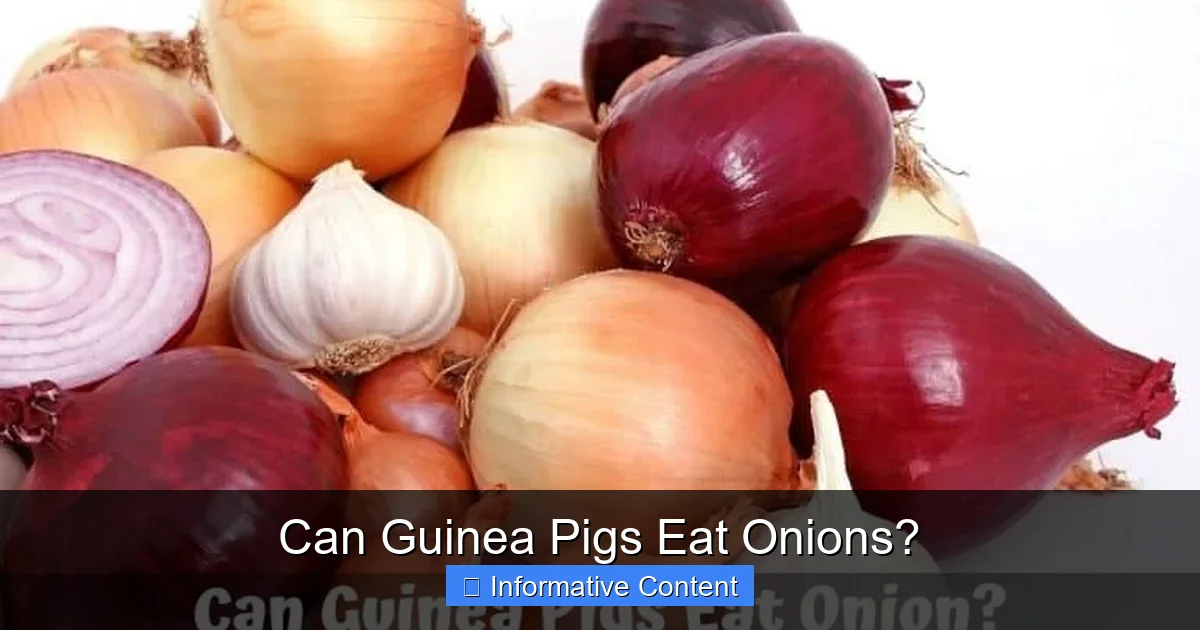
The primary reason guinea pigs cannot eat onions lies in certain chemical compounds found within them. Onions belong to the Allium family, which also includes garlic, chives, leeks, and shallots. All of these plants contain substances that are toxic to many animals, including guinea pigs.
Understanding the Toxic Compounds: N-propyl Disulfide
The main culprit in onions that poses a threat to guinea pigs is a compound called N-propyl disulfide. This sulfur-containing organic compound is what gives onions their distinctive smell and flavor. While harmless to humans in typical quantities, it’s highly problematic for small animals like guinea pigs.
When N-propyl disulfide is ingested by a guinea pig, it causes oxidative damage to their red blood cells. Red blood cells are vital for carrying oxygen throughout the body. This damage leads to a condition known as hemolytic anemia. In simple terms, their red blood cells are destroyed faster than their body can produce new ones. This means their body can’t get enough oxygen, which can quickly become a life-threatening situation.
The Severity of the Threat
It’s important to understand that there is no “safe” amount of onion for a guinea pig. Even a small piece, whether raw or cooked, can be enough to trigger a toxic reaction. Guinea pigs are small animals with delicate digestive systems, and their bodies are not equipped to process these harmful compounds. The impact can range from mild digestive upset to severe illness and, tragically, even death. This is why strict avoidance is the golden rule when it comes to onions and guinea pigs.
Understanding the Symptoms of Onion Toxicity in Guinea Pigs
Visual guide about Can Guinea Pigs Eat Onions?
Image source: guineapig101.com
Knowing the dangers is one thing, but recognizing the signs of trouble is another crucial aspect of pet care. If your guinea pig has accidentally ingested onion, even a tiny amount, it’s important to be vigilant for symptoms of toxicity. These symptoms can sometimes be subtle at first, but they will progressively worsen without intervention.
Common Signs of Onion Poisoning
The symptoms of onion toxicity are directly related to the hemolytic anemia that develops. Since red blood cells are being destroyed, the guinea pig’s body struggles to get oxygen. Here are the key signs to watch for:
- Lethargy and Weakness: Your usually active guinea pig might seem unusually tired, listless, or unwilling to move. They might sleep more than usual or have difficulty standing.
- Pale Gums and Mucous Membranes: Healthy guinea pigs have pink gums. If they appear pale, whitish, or even bluish, it’s a strong indicator of anemia and lack of oxygen. Check the inside of their eyelids too.
- Loss of Appetite (Anorexia): A sudden disinterest in food, even their favorite treats, is a serious red flag in guinea pigs. They need to eat constantly to keep their digestive system moving.
- Changes in Urine: You might notice red or dark brown urine. This is due to the breakdown products of red blood cells being excreted through the kidneys.
- Difficulty Breathing (Dyspnea): As oxygen levels drop, your guinea pig might breathe rapidly, shallowly, or with visible effort. You might see their sides heaving.
- Increased Heart Rate: In an attempt to compensate for the lack of oxygen, the heart might beat faster.
- Diarrhea or Vomiting: While guinea pigs rarely vomit, severe digestive upset can occur, leading to diarrhea or discomfort.
- Collapse: In severe cases, particularly if left untreated, the guinea pig may collapse due to extreme weakness and oxygen deprivation.
When Symptoms Appear
The onset of symptoms can vary. It might take several hours, or even a day or two, after ingestion for the signs to become noticeable. This delay can sometimes make it harder to connect the symptoms directly to onion ingestion, especially if you didn’t witness them eating it. This is why careful observation and knowing your guinea pig’s normal behavior are so important.
The Dangers of Allium Family Vegetables: Beyond Onions
It’s not just onions you need to worry about. The entire Allium family poses the same threat to your guinea pig’s health. This means you need to be just as careful with garlic, chives, leeks, and shallots.
Garlic: A Potent Threat
Garlic is often considered even more potent than onions in terms of its toxic compounds. While beneficial for humans in many ways, it’s extremely dangerous for guinea pigs. Never offer garlic or foods seasoned with garlic to your pet. Even small amounts can cause severe hemolytic anemia.
Chives: A Common Herb to Avoid
Chives, with their delicate onion-like flavor, are another member of the Allium family. People often use them as a garnish, but they are just as toxic as regular onions for guinea pigs. Make sure no chives accidentally fall into your guinea pig’s enclosure.
Leeks and Shallots: No Exceptions
Leeks and shallots might look a bit different from a typical onion, but they contain the same harmful N-propyl disulfide compounds. Whether raw, cooked, or in any form, these vegetables should never be given to guinea pigs. Their digestive systems simply cannot handle them.
In short, a good rule of thumb is to avoid anything that tastes or smells like an onion when it comes to your guinea pig’s diet. If you’re unsure about a particular vegetable, it’s always best to err on the side of caution and not offer it until you’ve confirmed its safety with a reliable source or your veterinarian.
What to Do if Your Guinea Pig Eats Onion
Accidents happen, even with the most careful pet owners. If you suspect or witness your guinea pig eating any part of an onion or another Allium plant, it’s crucial to act quickly and calmly.
Immediate Steps to Take
- Remove Any Remaining Onion: First, ensure your guinea pig cannot ingest any more of the toxic substance. Remove all traces of onion from their environment immediately.
- Contact Your Veterinarian: This is the most critical step. Call an exotic veterinarian or an emergency animal clinic right away. Do not wait for symptoms to appear. The sooner treatment begins, the better the prognosis.
- Provide Details: When you speak to the vet, be prepared to provide as much information as possible:
- What part of the onion was eaten (e.g., bulb, skin, leaf)?
- How much do you think was eaten?
- When did it happen?
- What is your guinea pig’s age, weight, and general health status?
- Are they showing any symptoms yet?
- Do Not Induce Vomiting: Unlike some other animals, it is generally not safe or effective to induce vomiting in guinea pigs at home. This should only be done under strict veterinary supervision, if at all.
- Observe Your Guinea Pig: While waiting for veterinary instructions or traveling to the clinic, closely monitor your guinea pig for any changes in behavior or appearance. Note down any symptoms you observe.
Veterinary Treatment
Your veterinarian will assess your guinea pig’s condition and determine the best course of action. Treatment for onion toxicity in guinea pigs might include:
- Supportive Care: This often involves fluid therapy to combat dehydration and support kidney function.
- Oxygen Therapy: If the guinea pig is severely anemic and struggling to breathe, supplemental oxygen may be administered.
- Blood Transfusion: In very severe cases of hemolytic anemia, a blood transfusion might be necessary to replace the damaged red blood cells.
- Medications: The vet might prescribe medications to protect the liver, reduce stomach upset, or help manage other symptoms.
Early intervention significantly increases the chances of a positive outcome. Never underestimate the seriousness of onion ingestion for a guinea pig.
Safe and Healthy Alternatives for Your Guinea Pig’s Diet
While onions are a definite no-go, there are countless safe and nutritious options that guinea pigs absolutely love! A balanced diet is key to their health and happiness.
The Foundation of a Guinea Pig’s Diet
- Unlimited Hay: This is the most important part of their diet. Timothy hay or orchard hay should be available at all times. Hay provides essential fiber for digestion and helps keep their teeth properly worn down.
- High-Quality Pellets: Provide a small amount of vitamin C-fortified guinea pig pellets daily. Choose plain pellets without seeds, nuts, or colorful “treats” mixed in.
- Fresh Water: Always have fresh, clean water available in a sipper bottle or heavy ceramic bowl.
Delicious and Safe Vegetables
Variety is key! Offer a mix of safe vegetables daily. Here are some excellent choices:
- Bell Peppers (especially red, yellow, orange): An excellent source of Vitamin C, crucial for guinea pigs.
- Leafy Greens: Romaine lettuce, green leaf lettuce, red leaf lettuce, butter lettuce (in moderation). Avoid iceberg lettuce as it has little nutritional value and can cause diarrhea.
- Dark Leafy Greens: Kale, spinach, parsley, cilantro (in moderation due to calcium content, which can contribute to bladder stones).
- Carrots: A favorite for many guinea pigs, but offer in moderation due to sugar content.
- Cucumbers: High in water content, good for hydration, but offer in moderation as they have less nutritional value.
- Zucchini: Another good option, high in water.
- Celery: Offer in small pieces and remove the long, stringy fibers to prevent choking.
- Tomatoes: The fruit is safe (no stems or leaves, which are toxic). Offer in moderation due to acidity.
Occasional Fruit Treats
Fruits are high in sugar, so offer them sparingly, a few times a week as a small treat.
- Apple: Without seeds (seeds are toxic).
- Berries: Strawberries, blueberries, raspberries.
- Melon: Watermelon, cantaloupe (in small amounts).
- Orange: A good source of Vitamin C, but acidic, so offer small pieces.
Always introduce new foods slowly and in small quantities to avoid digestive upset. Wash all fresh produce thoroughly before giving it to your guinea pig. By focusing on these safe and healthy options, you can ensure your guinea pig gets all the nutrients they need without any risk.
Preventing Accidental Ingestion: Keeping Your Guinea Pig Safe
The best defense against onion toxicity is prevention. By being mindful and taking a few simple precautions, you can ensure your guinea pig never gets access to these dangerous vegetables.
Kitchen Safety
- Secure Storage: Keep all onions, garlic, chives, and other allium family members stored securely out of reach of curious pets. This means in closed cabinets, drawers, or pantries, not just on the counter where a determined guinea pig might reach them during floor time.
- Careful Food Preparation: When you’re cooking with onions, be extra careful. Peelings, discarded pieces, or even small crumbs can be appealing to a guinea pig. Immediately dispose of any onion waste in a secure, covered trash can that your guinea pig cannot access.
- Clean Up Spills Promptly: If you drop an onion piece on the floor, clean it up immediately and thoroughly before your guinea pig has a chance to investigate.
Guinea Pig Playtime and Environment
- Supervised Floor Time: When your guinea pig is out of their cage for floor time, always supervise them closely. They are naturally curious and will explore every nook and cranny, potentially finding dropped food items.
- Designated Eating Areas: If you or your family are eating in the same room as your guinea pig, be extra vigilant. Ensure no onion-containing food falls to the floor or is accidentally offered.
- Educate Family Members: Make sure everyone in your household, especially children, understands that guinea pigs cannot eat onions or any other “human” food without checking first. Clearly explain the dangers.
Understanding the “Can Guinea Pigs Eat Onions?” Question
It’s important to remember that guinea pigs are not small humans; their digestive systems are entirely different. What’s good for us isn’t always good for them. Developing a habit of always checking the safety of a food item before offering it to your guinea pig is one of the best ways to be a responsible pet owner. When in doubt, always stick to known safe foods like hay, pellets, and vet-approved vegetables.
Conclusion
The question “Can guinea pigs eat onions?” has a clear and unequivocal answer: absolutely not. Onions, along with garlic, chives, and leeks, contain toxic compounds that can lead to severe health problems, including life-threatening hemolytic anemia, in your beloved guinea pig. There is no safe amount, and even small ingestions can cause significant harm.
As responsible guinea pig parents, our job is to protect these wonderful, sensitive creatures. This means being diligent about their diet, providing a wide variety of safe and nutritious foods, and keeping all toxic items well out of reach. If an accidental ingestion does occur, swift action and immediate veterinary attention are paramount. By understanding the dangers and focusing on a diet of unlimited hay, high-quality pellets, and approved fresh vegetables, you can ensure your guinea pig thrives, stays healthy, and enjoys a long, happy life by your side.
Frequently Asked Questions
What makes onions so toxic to guinea pigs?
Onions contain a compound called N-propyl disulfide, which is a sulfur-containing organic compound. This compound damages the red blood cells of guinea pigs, leading to a serious condition called hemolytic anemia, where their red blood cells are destroyed.
Can any other common human foods be dangerous like onions?
Yes, several other human foods are dangerous. These include garlic, chives, leeks (from the same Allium family), chocolate, avocado, iceberg lettuce, sugary treats, salty snacks, and most dairy products. Always research a food’s safety before offering it.
How much onion is considered a toxic dose for a guinea pig?
There is no known “safe” dose of onion for guinea pigs; any amount can potentially be toxic. Due to their small size and delicate systems, even a very small piece can cause a significant reaction and lead to severe health complications.
What should I do if my guinea pig is showing symptoms of onion poisoning?
If your guinea pig is showing symptoms like lethargy, pale gums, weakness, or unusual urine color after suspected onion ingestion, contact an exotic veterinarian immediately. This is an emergency, and prompt veterinary care can be life-saving.
Are there any natural remedies or home treatments for onion poisoning in guinea pigs?
No, there are no effective natural remedies or home treatments for onion poisoning in guinea pigs. This is a serious medical emergency that requires immediate professional veterinary intervention. Attempting home remedies can delay crucial treatment.
How can I ensure my guinea pig’s diet is balanced and safe?
To ensure a balanced and safe diet, provide unlimited fresh Timothy or orchard hay, a small amount of high-quality, plain guinea pig pellets, and a variety of fresh, safe vegetables daily (like bell peppers, leafy greens, carrots). Always provide fresh water and avoid any questionable foods.