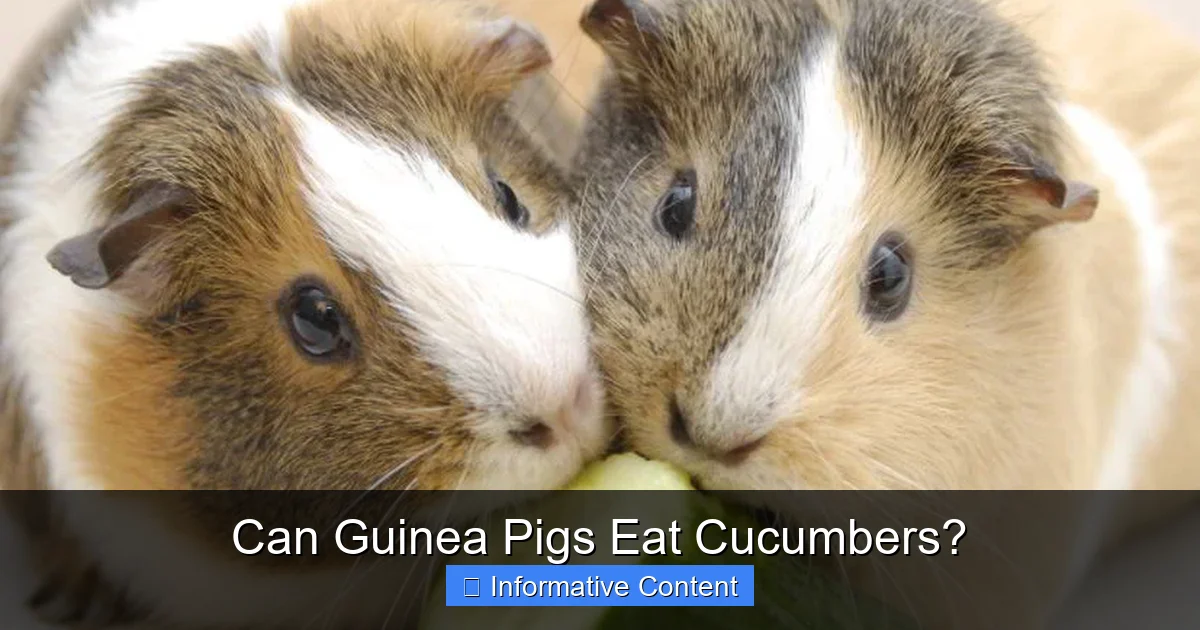
Yes, guinea pigs can eat cucumbers, but only in moderation as an occasional treat. Cucumbers offer excellent hydration and are low in sugar, making them a refreshing snack. However, their high water content and low nutritional value mean they shouldn’t be a staple, and excessive consumption can lead to digestive upset or nutritional imbalances.
Contents
- Can Guinea Pigs Eat Cucumbers?
- Key Takeaways
- Quick Answers to Common Questions
- 📑 Table of Contents
- The Nutritional Lowdown on Cucumbers
- Benefits of Feeding Cucumbers to Guinea Pigs
- Risks and Considerations When Feeding Cucumbers
- How to Safely Feed Cucumbers to Your Guinea Pig
- What About Cucumber Peels and Seeds?
- Other Safe Veggies and Fruits for Guinea Pigs
- Conclusion
- Frequently Asked Questions
- How often can I feed my guinea pig cucumber?
- Do I need to peel the cucumber before giving it to my guinea pig?
- What is the ideal portion size of cucumber for a guinea pig?
- Can guinea pigs eat other parts of the cucumber plant, like leaves or flowers?
- Why is hydration from cucumber important for guinea pigs?
- Are there any guinea pigs that should avoid cucumbers?
Can Guinea Pigs Eat Cucumbers?
As a loving guinea pig parent, you’re always looking for ways to treat your little companion and ensure they’re getting the best possible diet. Sometimes, that means sharing a healthy snack from your own plate. You might find yourself munching on a cool, refreshing cucumber and wonder, “Can my guinea pig eat cucumbers too?” It’s a common question, and thankfully, the answer is generally a positive one – with some important caveats, of course!
Providing a varied and nutritious diet is paramount for the health and happiness of your guinea pig. Their tiny bodies rely on a careful balance of vitamins, minerals, fiber, and hydration. While unlimited fresh hay and high-quality pellets form the bedrock of their diet, fresh vegetables add essential Vitamin C and other nutrients that keep them thriving. Cucumbers can certainly be part of this healthy mix, but understanding how and how much to offer is key to avoiding any tummy troubles or nutritional imbalances.
So, let’s dive deep into the world of guinea pigs and cucumbers. We’ll explore the benefits this crunchy veggie offers, discuss the potential risks, and arm you with all the practical tips you need to safely incorporate cucumbers into your guinea pig’s diet as a delightful and hydrating treat. Your furry friend will thank you for it!
Key Takeaways
- Yes, in Moderation: Guinea pigs can safely eat cucumbers as an occasional treat, not a daily staple, due to their high water content and lower nutritional density compared to other vegetables.
- Excellent Hydration: Cucumbers are mostly water, making them a great way to boost your guinea pig’s hydration, especially during warmer weather or if they are reluctant drinkers.
- Low in Sugar and Calories: This makes cucumbers a healthy choice for guinea pigs, reducing concerns about weight gain or sugar-related health issues when given appropriately.
- Potential Digestive Issues: Feeding too much cucumber can lead to diarrhea or other digestive upset due to its high water content. Introduce it slowly and observe your pet.
- Oxalate Content: While low, cucumbers do contain some oxalates. Excessive intake from a variety of sources could potentially contribute to bladder stone formation in susceptible guinea pigs, though this is generally less of a concern with cucumbers than with high-oxalate greens.
- Proper Preparation is Crucial: Always wash cucumbers thoroughly to remove pesticides. Peels and seeds are generally safe, but some owners prefer to remove them for very sensitive or young guinea pigs.
- Variety is Key: Cucumbers should complement a balanced diet of unlimited hay, high-quality pellets, and a variety of other fresh, guinea pig-safe vegetables, rather than replacing essential nutrients.
Quick Answers to Common Questions
Can I give my guinea pig cucumber every day?
No, cucumbers should not be given daily. They are best offered as an occasional treat, about 2-3 times a week, due to their high water content and lower nutritional density.
Are cucumber seeds safe for guinea pigs?
Yes, cucumber seeds are generally safe for guinea pigs to eat. They are soft and small, posing no risk.
What is the best way to prepare cucumber for guinea pigs?
Wash the cucumber thoroughly under running water, then cut it into small, bite-sized pieces or thin slices. You can leave the skin on, but ensure it’s clean.
Can baby guinea pigs eat cucumber?
Baby guinea pigs can have a tiny amount of cucumber, but it’s best to introduce it very slowly and in smaller portions than for adults, as their digestive systems are more sensitive.
What if my guinea pig gets diarrhea after eating cucumber?
If your guinea pig gets diarrhea after eating cucumber, stop feeding it immediately. Ensure they have plenty of fresh water and hay, and if symptoms persist or worsen, consult a vet.
📑 Table of Contents
The Nutritional Lowdown on Cucumbers
Before we start slicing and dicing, it’s helpful to understand what exactly cucumbers bring to the table – or, rather, to your guinea pig’s food bowl. Cucumbers are primarily known for their incredible water content, but they also contain a few other beneficial components.
High Water Content
This is the number one characteristic of cucumbers. They are composed of about 95% water! This makes them incredibly hydrating, almost like a solid form of water. For guinea pigs, who need constant hydration to support their digestion and overall bodily functions, this can be a real plus. It’s a wonderful way to supplement their water intake, especially if you notice they aren’t drinking enough from their water bottle or during warmer months.
Low Calories and Sugars
Another fantastic feature of cucumbers is their very low calorie and sugar content. Unlike many fruits which can be high in natural sugars, cucumbers are very mild. This is great news for guinea pigs, as too much sugar can lead to weight gain, digestive upset, and even more serious health issues like diabetes, though less common in cavies. This low-sugar profile means that cucumbers are a relatively safe treat when it comes to maintaining a healthy weight for your piggy.
Vitamins and Minerals
While not a powerhouse of nutrients like some leafy greens, cucumbers do offer a few vitamins and minerals. They contain small amounts of Vitamin K, which is important for blood clotting and bone health, and Vitamin C, an essential nutrient guinea pigs cannot produce on their own. They also provide tiny traces of B vitamins, potassium, and manganese. However, it’s important to remember that these amounts are quite low due to the cucumber’s high water content, meaning they shouldn’t be relied upon as a primary source of these vital nutrients.
Benefits of Feeding Cucumbers to Guinea Pigs
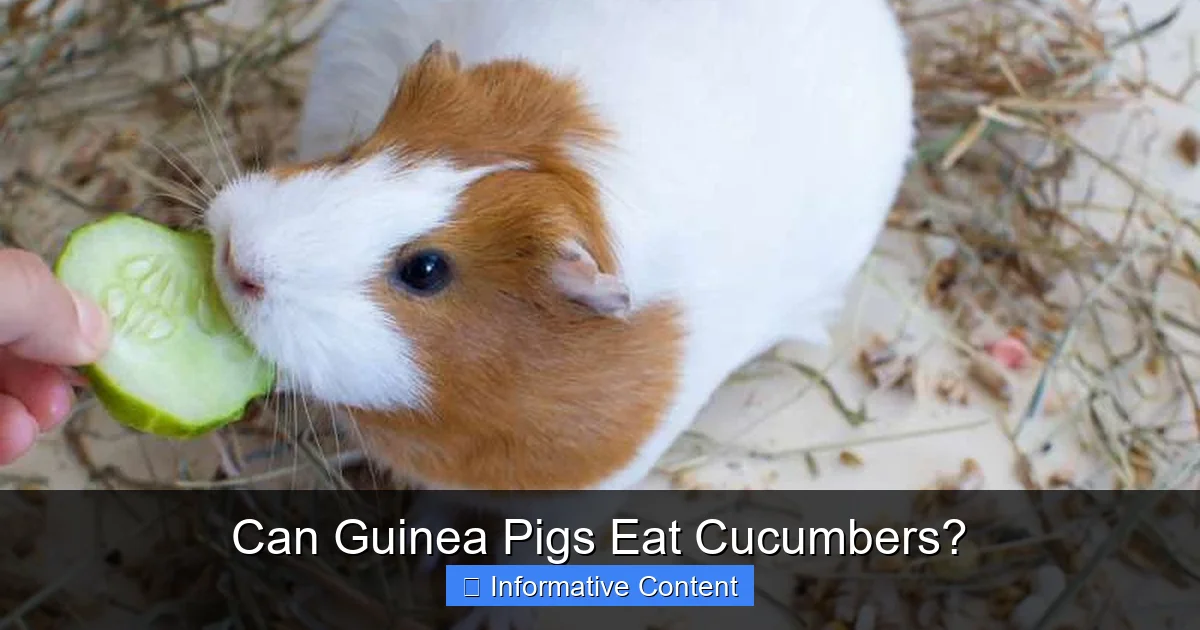
Visual guide about Can Guinea Pigs Eat Cucumbers?
Image source: petdietguide.com
Now that we know what’s inside a cucumber, let’s look at the specific advantages of offering this refreshing vegetable to your furry friend.
Excellent Hydration Source
As mentioned, the high water content of cucumbers is its biggest benefit. Guinea pigs require constant access to fresh water, and sometimes, they might not drink as much as they should. Offering a piece of cucumber can help supplement their fluid intake, keeping them well-hydrated. This is particularly useful during hot weather or if your guinea pig is recovering from an illness where hydration is crucial. Think of it as a tasty, crunchy water delivery system!
Safe Treat for Weight Management
Due to their low sugar and calorie count, cucumbers make an excellent occasional treat for guinea pigs, especially those who might need to watch their weight. Unlike sugary fruits that should be given sparingly, a small piece of cucumber offers a satisfying crunch without adding many extra calories. This allows you to offer your guinea pig a treat without guilt, contributing to their overall well-being.
Palatability and Enrichment
Many guinea pigs absolutely adore the taste and texture of cucumbers! They enjoy the crisp crunch, and it can be a great way to add variety to their diet. Providing different textures and flavors keeps your guinea pig engaged and prevents boredom. It’s a simple form of enrichment that can make mealtime more exciting for them. Observing your guinea pig happily munching on a piece of cucumber is also quite rewarding for you as a pet owner!
Risks and Considerations When Feeding Cucumbers
While cucumbers can be a wonderful treat, it’s crucial to be aware of the potential downsides if not fed properly. Every food has its pros and cons, and cucumbers are no exception.
High Water Content and Digestive Upset
Paradoxically, the cucumber’s greatest strength can also be its weakness. The very high water content, if consumed in large quantities, can easily lead to soft stools or diarrhea in guinea pigs. Their digestive systems are sensitive and designed to process fiber-rich hay. Too much watery food can disrupt the delicate balance of their gut flora, causing discomfort and potentially dehydration from fluid loss. This is why moderation is so important.
Low Nutritional Density
While cucumbers do contain some vitamins and minerals, their overall nutritional density is quite low compared to other vegetables like bell peppers, kale, or spinach. If cucumbers are fed too often or in large amounts, they might displace more nutritionally valuable foods in your guinea pig’s diet. This could lead to a deficiency in essential nutrients over time, as your guinea pig fills up on water-rich cucumber instead of more substantial items.
Oxalate Content and Bladder Stones
Cucumbers contain oxalates, though generally in low to moderate amounts compared to some other vegetables. Oxalates are natural compounds that can bind with calcium in the body. In susceptible guinea pigs, an excess of oxalates (especially combined with too much calcium) can contribute to the formation of bladder stones, a painful and serious condition. While cucumbers are not considered high-oxalate like spinach or parsley, it’s still something to be mindful of when feeding a varied diet. Balancing high-oxalate foods with lower-oxalate options is always a good practice.
Pesticide Concerns
Like all fresh produce, cucumbers can be treated with pesticides. Since guinea pigs are small and very sensitive, even tiny amounts of these chemicals can be harmful. Always make sure to wash cucumbers thoroughly under running water before offering them to your pet. Opting for organic cucumbers whenever possible can further reduce this risk.
How to Safely Feed Cucumbers to Your Guinea Pig
If you’re convinced that cucumbers are a good addition to your guinea pig’s diet, here’s how to introduce and feed them safely to ensure your pet enjoys all the benefits without any of the risks.
Choose Fresh, Organic Cucumbers
Always select fresh, firm cucumbers free from blemishes or signs of spoilage. If possible, choose organic cucumbers to minimize exposure to pesticides and herbicides. If organic isn’t an option, a thorough wash is even more critical.
Proper Washing and Preparation
Before giving any cucumber to your guinea pig, wash it meticulously under cool running water. You can even use a vegetable brush to scrub the skin gently. After washing, pat it dry.
Then, cut the cucumber into small, manageable pieces. Think bite-sized squares or thin slices that your guinea pig can easily pick up and chew. Avoid large chunks that could pose a choking hazard. For very young or older guinea pigs with sensitive teeth, you might even consider grating a small amount.
Portion Control is Key
This is perhaps the most important rule for feeding cucumbers. Remember, they are a treat, not a meal replacement. A good portion size for an adult guinea pig is typically a few thin slices or a small piece about the size of your thumbnail, 2-3 times a week. Never offer more than this, and definitely not every day. For a smaller or younger guinea pig, start with an even tinier amount.
Introduce Slowly
When introducing any new food to your guinea pig’s diet, always do so gradually. Offer a tiny piece of cucumber first and monitor your guinea pig for the next 24 hours. Look for any signs of digestive upset, such as soft stools, diarrhea, lethargy, or loss of appetite. If you notice any of these symptoms, discontinue feeding cucumbers immediately. If all goes well, you can gradually increase the portion to the recommended amount over a few days.
Observing Your Guinea Pig
Every guinea pig is an individual. What works for one might not work for another. Pay close attention to your pet’s reaction after eating cucumber. Are they happy and energetic? Are their droppings normal? If they seem to enjoy it without any ill effects, you can continue offering it within the recommended guidelines. If they show any discomfort, it’s best to remove cucumbers from their diet.
What About Cucumber Peels and Seeds?
A common question guinea pig owners have is whether the entire cucumber is safe, or if certain parts, like the skin or seeds, should be removed.
Cucumber Peels
Generally, cucumber peels are safe for guinea pigs to eat. In fact, the peel contains some fiber and a slightly higher concentration of vitamins compared to the watery flesh. However, there are a couple of considerations. Firstly, the peel is where most pesticides reside, so thorough washing is absolutely essential. Secondly, some guinea pigs might find the peel a bit tougher to chew, especially if they are very young, old, or have dental issues. If you notice your guinea pig struggling with the peel, you can always remove it. For the average, healthy guinea pig, the peel is usually fine.
Cucumber Seeds
Cucumber seeds are also generally safe for guinea pigs. They are soft, small, and pose no choking hazard in their natural state within the cucumber. Unlike the seeds of some fruits (like apples or cherries) which contain harmful compounds, cucumber seeds are harmless. There’s no need to scoop them out before offering cucumber slices to your pet.
Other Safe Veggies and Fruits for Guinea Pigs
Remember, variety is the spice of life, and that goes for your guinea pig’s diet too! While cucumbers can be a nice addition, they should not be the only fresh vegetable you offer. A diverse range of guinea pig-safe fresh produce ensures a wide spectrum of nutrients.
Daily Staples
These are vegetables that can be offered daily or most days due to their excellent nutritional profile and generally safe oxalate levels.
- Bell Peppers: Especially red, yellow, and orange varieties, as they are packed with Vitamin C and low in calcium. An absolute must-have!
- Leafy Greens: Romaine lettuce, green leaf lettuce, red leaf lettuce are great. Avoid iceberg lettuce (too watery, low nutrients) and limit darker, high-calcium greens like kale, spinach, or parsley to a few times a week.
- Carrots: A favorite for many guinea pigs, but due to their sugar content, offer small pieces a few times a week as a treat.
Occasional Treats
These are foods that should be offered sparingly, similar to cucumbers, due to higher sugar content, water content, or other factors.
- Other Fruits: Apple (no seeds!), berries (strawberries, blueberries), melon. Always in very small portions due to sugar.
- Other Vegetables: Zucchini, celery (in small amounts, can be stringy), small amounts of broccoli (can cause gas).
Always introduce new foods slowly and monitor your guinea pig for any adverse reactions. And remember, fresh, unlimited timothy hay and high-quality guinea pig pellets should always form the bulk of their diet.
Conclusion
So, can guinea pigs eat cucumbers? Yes, absolutely! Cucumbers can be a hydrating, low-sugar, and refreshing treat for your beloved guinea pig. Their high water content is beneficial for hydration, and their low calorie count makes them a guilt-free snack.
However, the key to safe feeding lies in moderation and proper preparation. Always wash cucumbers thoroughly, cut them into small pieces, and offer them as an occasional treat – a few thin slices a couple of times a week is a good guideline. Introduce them slowly and observe your guinea pig for any signs of digestive upset.
By following these simple guidelines, you can safely add cucumbers to the varied menu of fresh vegetables that keep your guinea pig healthy, happy, and well-nourished. Enjoy watching your little friend crunch away on this cool, crisp delight!
Frequently Asked Questions
How often can I feed my guinea pig cucumber?
You can offer your guinea pig cucumber as an occasional treat, typically 2-3 times a week. It’s important to keep the portions small to prevent digestive upset due to its high water content.
Do I need to peel the cucumber before giving it to my guinea pig?
Generally, you do not need to peel the cucumber. The skin contains some fiber and nutrients, but ensure it is thoroughly washed to remove any potential pesticides. If your guinea pig struggles to chew the skin, or if you prefer, you can peel it.
What is the ideal portion size of cucumber for a guinea pig?
A good portion size for an adult guinea pig is typically a few thin slices or a small piece about the size of your thumbnail. This minimal amount provides a refreshing treat without overwhelming their digestive system.
Can guinea pigs eat other parts of the cucumber plant, like leaves or flowers?
No, it’s generally best to stick to the cucumber fruit itself. While some plant parts might not be toxic, it’s safer to only offer the fleshy part of the cucumber and focus on other known safe leafy greens for their main vegetable intake.
Why is hydration from cucumber important for guinea pigs?
Hydration is crucial for guinea pigs’ overall health, especially for proper digestion and kidney function. Since cucumbers are mostly water, they can help supplement fluid intake, particularly if your guinea pig isn’t drinking enough from their water bottle or during warm weather.
Are there any guinea pigs that should avoid cucumbers?
Guinea pigs prone to bladder stones should be given cucumbers in very limited quantities, due to their oxalate content, even if low. Also, guinea pigs with sensitive digestive systems or those prone to diarrhea should have cucumbers introduced extremely cautiously, or perhaps avoided if they react poorly.