Yes, guinea pigs can eat cauliflower, but only in moderation and with careful preparation. While offering essential vitamins like C and K, its high calcium and gas-producing compounds mean it should be an occasional treat, not a staple. Always introduce new foods slowly and observe your guinea pig for any digestive upset.
Ah, the world of guinea pig nutrition! It’s a delightful journey of discovering what treats and veggies our furry friends can safely enjoy. If you’ve ever found yourself with a head of cauliflower in the fridge and a pair of hopeful guinea pig eyes staring up at you, you’ve probably wondered: “Can guinea pigs eat cauliflower?” It’s a common question among guinea pig parents, and for good reason. We all want the best for our little companions, ensuring their diet is not only tasty but also perfectly safe and nutritious.
Guinea pigs have unique dietary needs, stemming from their status as herbivores and their inability to produce their own Vitamin C. This means their diet must be carefully managed to provide all the essential nutrients without causing digestive upset or long-term health issues. While a wide variety of fresh vegetables are beneficial, some, like cauliflower, come with specific considerations. Let’s dive deep into the world of cauliflower and your guinea pig, exploring its nutritional profile, potential benefits, and, most importantly, how to offer it safely – if at all.
Contents
- Key Takeaways
- Quick Answers to Common Questions
- 📑 Table of Contents
- Understanding Guinea Pig Dietary Needs: The Foundation of Health
- The Nutritional Profile of Cauliflower: What’s Inside?
- The Good: Benefits of Cauliflower for Guinea Pigs
- The Bad: Potential Risks and Downsides
- How to Safely Feed Cauliflower to Your Guinea Pig (If You Choose To)
- Alternative Veggies and a Balanced Diet: Prioritizing Safest Options
- A Quick Word on Cauliflower Leaves and Stems
- Conclusion: To Feed or Not To Feed?
- Frequently Asked Questions
- Is cauliflower a good source of Vitamin C for guinea pigs?
- What are the signs of a guinea pig having an adverse reaction to cauliflower?
- Can baby guinea pigs eat cauliflower?
- Should I cook cauliflower before feeding it to my guinea pig?
- Are there any cauliflower varieties that are safer than others for guinea pigs?
- What are some better alternatives to cauliflower for guinea pigs?
Key Takeaways
- Moderation is Key: Cauliflower should only be given to guinea pigs as an occasional treat, not a regular part of their diet, due to its potential to cause gas and bloating.
- Nutritional Benefits: It provides valuable Vitamin C, which guinea pigs cannot synthesize on their own, along with Vitamin K and some fiber.
- Potential Risks: High calcium content can contribute to bladder stones over time, and glucosinolates can cause digestive upset and gas.
- Proper Preparation is Crucial: Always wash cauliflower thoroughly, remove tough stems and leaves (especially large ones, which can be high in calcium), and cut it into small, manageable pieces to prevent choking.
- Introduction and Observation: Introduce cauliflower slowly, starting with a tiny piece, and monitor your guinea pig for any signs of digestive discomfort, such as bloating, lethargy, or changes in droppings.
- Frequency and Portion Size: Offer a very small, thumb-sized piece of cauliflower florets (or even less for smaller pigs) no more than once or twice a week.
- Balanced Diet First: Remember that hay is the most important part of a guinea pig’s diet, followed by fresh leafy greens, and then a small amount of pellets and occasional treats like cauliflower.
Quick Answers to Common Questions
Can guinea pigs eat cauliflower florets?
Yes, guinea pigs can eat small amounts of raw cauliflower florets as an occasional treat, but it should be given sparingly due to its potential to cause gas and bloating.
Is cauliflower safe for guinea pigs?
Cauliflower is considered safe for guinea pigs in very small, infrequent amounts. However, its high calcium content and gas-producing compounds mean it carries risks if fed too often or in large quantities.
How often can guinea pigs eat cauliflower?
Guinea pigs should only eat cauliflower very occasionally, perhaps once or twice a week at most, and only a tiny, thumb-sized piece per serving, or even less for smaller pigs.
What parts of cauliflower can guinea pigs eat?
Guinea pigs should only eat the raw florets of the cauliflower. Avoid feeding the large, tough green leaves and the hard central stem, as these can be harder to digest or higher in potentially problematic compounds.
Can cauliflower make guinea pigs sick?
Yes, if fed in large amounts or too frequently, cauliflower can make guinea pigs sick, primarily by causing gas, bloating, and digestive upset. In severe cases, this can lead to life-threatening conditions like GI stasis.
📑 Table of Contents
- Understanding Guinea Pig Dietary Needs: The Foundation of Health
- The Nutritional Profile of Cauliflower: What’s Inside?
- The Good: Benefits of Cauliflower for Guinea Pigs
- The Bad: Potential Risks and Downsides
- How to Safely Feed Cauliflower to Your Guinea Pig (If You Choose To)
- Alternative Veggies and a Balanced Diet: Prioritizing Safest Options
- A Quick Word on Cauliflower Leaves and Stems
- Conclusion: To Feed or Not To Feed?
Understanding Guinea Pig Dietary Needs: The Foundation of Health
Before we talk specifically about cauliflower, it’s vital to grasp the core principles of a guinea pig’s diet. These adorable cavies are strict herbivores with sensitive digestive systems. Their diet should primarily consist of three main components:
The Hay Advantage: Fiber, Fiber, Fiber!
First and foremost, unlimited fresh hay (like timothy hay) is absolutely non-negotiable. Hay provides the essential fiber guinea pigs need for healthy digestion and helps wear down their continuously growing teeth, preventing dental problems. Think of hay as the backbone of their diet; without it, their digestive system can grind to a halt.
Greens for Good Health: Daily Fresh Veggies
Next up are fresh vegetables. A daily serving of various leafy greens is crucial for providing essential vitamins, minerals, and moisture. Good choices include romaine lettuce, bell peppers (especially red and yellow for Vitamin C!), parsley, and cilantro. These fresh additions supplement the hay and offer a broader spectrum of nutrients.
Pellets and Vitamin C: The Supporting Cast
High-quality guinea pig pellets (specifically designed for guinea pigs, not rabbits or other animals) should be offered in limited quantities. These fortified pellets ensure they get a balanced range of vitamins and minerals. Crucially, guinea pigs cannot synthesize their own Vitamin C, so it must be supplied through their diet – either via supplements, Vitamin C-rich veggies, or fortified pellets.
Water: Always Fresh and Available
Last but not least, fresh, clean water must always be available. Dehydration can lead to serious health issues, so ensure their water bottle is full and clean daily.
Understanding this foundational diet helps us evaluate how a vegetable like cauliflower fits in – or doesn’t – with their overall nutritional needs.
The Nutritional Profile of Cauliflower: What’s Inside?

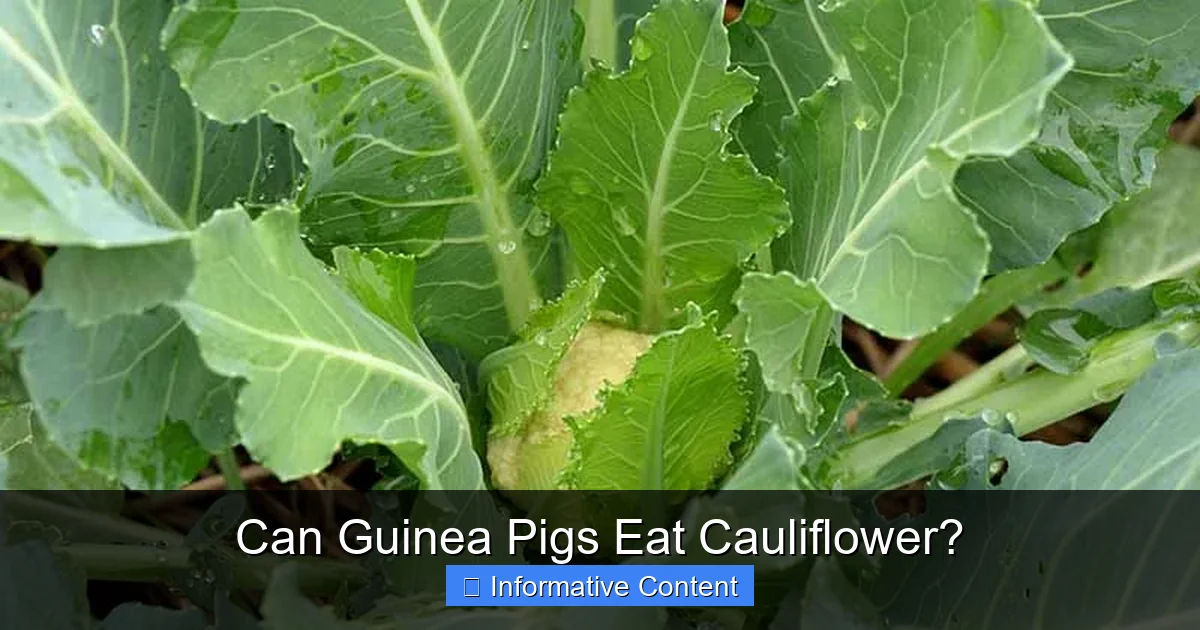
Visual guide about Can Guinea Pigs Eat Cauliflower?
Image source: guineapigtube.com
Cauliflower is a cruciferous vegetable, part of the same family as broccoli, cabbage, and Brussels sprouts. It’s often praised for its health benefits in human diets, but what does it offer a guinea pig?
Key Nutrients in Cauliflower
- Vitamin C: This is a big one for guinea pigs! As we’ve mentioned, they need a regular supply of Vitamin C to prevent scurvy, a debilitating and potentially fatal condition. Cauliflower does contain a good amount of Vitamin C.
- Vitamin K: Important for blood clotting and bone health.
- Fiber: Like most vegetables, cauliflower contains dietary fiber, which aids digestion.
- Potassium: An important electrolyte for nerve and muscle function.
- Folate: Essential for cell growth and function.
- Calcium: While necessary for bone health, too much calcium can be problematic for guinea pigs.
- Water: Cauliflower has a high water content, contributing to hydration.
Glucosinolates and Sulfur Compounds
Here’s where things get a bit tricky. Cauliflower, like other cruciferous vegetables, contains compounds called glucosinolates and sulfur compounds. While beneficial in some contexts, these are the culprits responsible for the characteristic odor of cooked cauliflower and, more importantly, can produce gas during digestion. This is a significant factor when considering it for your guinea pig.
The Good: Benefits of Cauliflower for Guinea Pigs
Despite the cautions, there are indeed some benefits to offering a small, infrequent amount of cauliflower to your guinea pig.
A Boost of Vitamin C
The most significant benefit of cauliflower for guinea pigs is its Vitamin C content. Offering a small piece can contribute to their daily Vitamin C intake, helping ward off scurvy. This is particularly useful if your guinea pig isn’t keen on other Vitamin C-rich vegetables like bell peppers.
Antioxidants and Other Vitamins
Cauliflower also contains antioxidants that can help protect cells from damage, and other vitamins like Vitamin K, which supports bone health and blood clotting. These are all good things for overall well-being.
Hydration
Its high water content can help keep your guinea pig hydrated, especially on warmer days, supplementing their regular water intake.
Variety and Enrichment
Introducing a new, safe vegetable in moderation adds variety to your guinea pig’s diet, which can be mentally stimulating and enjoyable for them. A varied diet also ensures a broader spectrum of nutrients.
The Bad: Potential Risks and Downsides
Now for the crucial part: understanding why cauliflower isn’t an everyday food for guinea pigs and the potential downsides.
Gas and Bloating
This is the number one concern. The glucosinolates and sulfur compounds in cauliflower can ferment in a guinea pig’s digestive tract, leading to gas, bloating, and discomfort. Guinea pigs cannot easily pass gas, and severe bloating can lead to a condition called GI stasis, which is life-threatening. This is why moderation is absolutely critical.
High Calcium Content
Cauliflower contains a relatively high amount of calcium. While calcium is necessary, excessive intake in guinea pigs can contribute to the formation of bladder stones or “sludgy” urine. Guinea pigs tend to excrete excess calcium through their urine, and if this process is overloaded, mineral deposits can form. This is a common and painful issue for guinea pigs.
Oxalates (in leaves and stems)
While the florets are the primary part we consider, the leaves and stems of cauliflower also contain oxalates. Oxalates, in high amounts, can interfere with calcium absorption and, in some cases, contribute to urinary tract issues. While the florets are lower in oxalates, it’s another reason to be mindful of which parts you offer and in what quantity.
Choking Hazard
Large, tough pieces of cauliflower can pose a choking risk for guinea pigs, especially the harder core or thick stems. Their small mouths and delicate digestive systems require food to be cut into tiny, manageable pieces.
Digestive Upset
Even without severe bloating, some guinea pigs might simply be sensitive to cauliflower and experience softer stools, diarrhea, or a general upset stomach. Every guinea pig is an individual, and what one tolerates well, another might not.
How to Safely Feed Cauliflower to Your Guinea Pig (If You Choose To)
Given the potential risks, if you decide to offer cauliflower to your guinea pig, it must be done with extreme caution and in very limited amounts.
Step 1: Choose Fresh and Organic
Always select fresh, crisp cauliflower. Organic is best to minimize pesticide exposure. Avoid any cauliflower that looks wilted, discolored, or has mold.
Step 2: Wash Thoroughly
Wash the cauliflower under cold running water to remove any dirt, pesticides, or other residues. This is a non-negotiable step for all fresh produce.
Step 3: Prepare the Right Parts
Focus on the florets. Remove all the large, tough green leaves and the hard central core/stem. These parts are tougher to digest and may have higher concentrations of calcium or oxalates. Small, tender green leaves directly attached to the floret can be given, but again, in moderation.
Step 4: Cut into Tiny Pieces
Chop the cauliflower florets into very small, bite-sized pieces. Think pea-sized or even smaller. This prevents choking and makes it easier for your guinea pig to digest.
Step 5: Introduce Slowly and in Moderation
This is perhaps the most crucial step.
- First time: Offer only a tiny, tiny piece – smaller than your little fingernail – to one guinea pig.
- Observe: For the next 24-48 hours, carefully monitor your guinea pig for any signs of digestive upset. Look for changes in appetite, lethargy, bloated belly, changes in droppings (soft, wet, or fewer than usual), or signs of discomfort.
- If all is well: If there are no adverse reactions, you can gradually increase the size slightly, but never more than a thumb-sized piece (for a single adult guinea pig) per serving.
- Frequency: Cauliflower should be a very occasional treat. No more than once, *maybe* twice a week, and even then, consider rotating it with other safe, low-calcium vegetables.
Step 6: Never Cooked or Seasoned
Guinea pigs should only eat raw vegetables. Cooked cauliflower loses many of its nutrients and can have a different effect on their digestive system. Never offer cauliflower that has been cooked, seasoned with salt, oil, or spices, or prepared for human consumption.
Alternative Veggies and a Balanced Diet: Prioritizing Safest Options
While cauliflower *can* be given in tiny amounts, it’s not a staple and certainly not the safest or most beneficial option compared to many other vegetables. There are plenty of other excellent choices that offer similar or superior nutrients without the same risks.
Better Daily Choices for Vitamin C
- Bell Peppers: Red, yellow, and orange bell peppers are fantastic sources of Vitamin C and are generally very safe and well-tolerated. Green bell peppers are also good but have slightly less Vitamin C.
- Parsley & Cilantro: These herbs are packed with Vitamin C and are often enjoyed by guinea pigs.
- Broccoli Stems (small amounts): While broccoli florets can also cause gas, the stems, in very small quantities, offer fiber and some Vitamin C without as much of the gas-producing compounds. Still, treat with caution.
Excellent Daily Greens (High Fiber, Lower Calcium)
- Romaine Lettuce (avoid iceberg, which has little nutritional value and can cause diarrhea)
- Green Leaf Lettuce
- Red Leaf Lettuce
Occasional Treats (Rotate Regularly)
You can offer a small variety of other vegetables as occasional treats, making sure to rotate them and keep quantities small:
- Carrots (high in sugar, very small amounts only)
- Zucchini
- Cucumber
- Asparagus (tips only, sparingly)
Remember, variety is good, but quantity and frequency are key. Always prioritize unlimited hay, a daily cup of mixed safe leafy greens, and limited pellets as the foundation of your guinea pig’s diet.
A Quick Word on Cauliflower Leaves and Stems
What about the green leaves and the thick stem of the cauliflower head? As mentioned earlier, it’s generally best to avoid feeding large amounts of these to your guinea pig.
Cauliflower Leaves
The large outer leaves of cauliflower are similar to cabbage leaves in composition. They can be high in calcium and contain more of the gas-producing compounds than the florets. While a tiny, tender inner leaf attached to a floret might be okay, it’s safer to stick to the florets and discard the larger leaves. Err on the side of caution here to avoid digestive upset and excess calcium.
Cauliflower Stems/Core
The thick, fibrous central stem or core of the cauliflower is very tough and difficult for guinea pigs to chew and digest. It’s also high in fiber, which is good, but its density makes it a choking hazard and harder on their sensitive digestive systems. It’s best to remove and discard this part completely.
Conclusion: To Feed or Not To Feed?
So, can guinea pigs eat cauliflower? The short answer is yes, they *can*, but it comes with a strong recommendation for extreme caution and very strict moderation. It should be considered an occasional, tiny treat, not a regular part of their diet. The potential for gas, bloating, and the relatively high calcium content make it a vegetable that needs careful consideration.
Always prioritize an unlimited supply of fresh hay, a daily variety of safe leafy greens (like romaine, bell peppers, parsley), and a limited amount of high-quality guinea pig pellets. If you choose to offer cauliflower, remember: wash thoroughly, cut into tiny pieces, give only florets, and introduce it slowly while carefully monitoring your guinea pig’s reaction. If you notice any signs of discomfort or changes in their health, stop feeding it immediately and consult your vet. When in doubt, it’s always safer to stick to tried-and-true guinea pig favorites that pose fewer risks. Your guinea pig’s health and happiness are always the top priority!
Frequently Asked Questions
Is cauliflower a good source of Vitamin C for guinea pigs?
Yes, cauliflower does contain Vitamin C, which is essential for guinea pigs as they cannot produce it themselves. However, due to other risks like gas and calcium content, it’s not the best primary source; bell peppers or parsley are generally safer daily options.
What are the signs of a guinea pig having an adverse reaction to cauliflower?
Signs of an adverse reaction can include lethargy, refusal to eat, a bloated or distended belly, changes in droppings (soft, runny, or fewer than usual), or signs of pain like hunched posture or grinding teeth. If you notice these, stop feeding cauliflower and consult a vet.
Can baby guinea pigs eat cauliflower?
It’s generally best to avoid giving cauliflower to baby guinea pigs. Their digestive systems are even more sensitive than adults, making them more prone to gas and bloating. Stick to unlimited hay, pellets, and very small amounts of proven safe leafy greens for young pigs.
Should I cook cauliflower before feeding it to my guinea pig?
No, you should never cook cauliflower for your guinea pig. Guinea pigs should only eat raw vegetables. Cooking can alter the nutritional profile and make it harder for their digestive system to process.
Are there any cauliflower varieties that are safer than others for guinea pigs?
All common varieties of cauliflower (white, purple, orange, green broccoflower) have similar nutritional profiles and potential risks for guinea pigs. The color doesn’t make one safer than another; the key is always moderation and proper preparation.
What are some better alternatives to cauliflower for guinea pigs?
Excellent and safer alternatives include bell peppers (especially red and yellow), romaine lettuce, green leaf lettuce, parsley, and cilantro. These provide essential nutrients, especially Vitamin C, with a much lower risk of digestive upset or calcium-related issues.