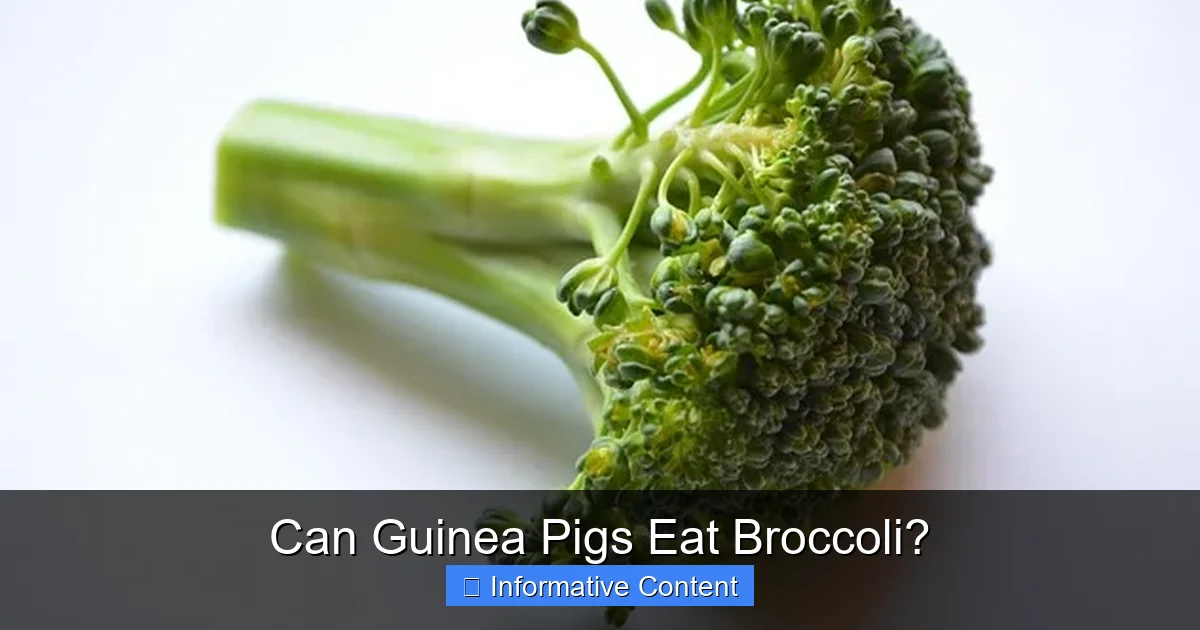
Curious whether guinea pigs can eat broccoli? Yes, they can, but only in very small, infrequent amounts as a treat. While broccoli offers beneficial Vitamin C and fiber, it also contains compounds that can cause gas and contribute to bladder stones if overfed. Always introduce new foods slowly and observe your guinea pig for any digestive upset.
As a loving guinea pig owner, you probably spend a lot of time thinking about your furry friend’s diet. It’s natural to want to offer them a variety of delicious and nutritious treats, and fresh vegetables are often at the top of that list. But with so many options available, it can be tricky to know exactly what’s safe and what’s best for your little companion. One common question that pops up in many guinea pig communities is: “Can guinea pigs eat broccoli?”
Broccoli is a nutritional powerhouse for humans, packed with vitamins, minerals, and fiber. So, it seems like a logical choice for our pets, right? However, what’s good for us isn’t always ideal for our small herbivore friends. Guinea pigs have unique digestive systems and specific dietary needs that must be carefully considered. While broccoli does offer some fantastic benefits, it also comes with potential downsides that every guinea pig parent should be aware of. Let’s dive deep into understanding if and how your guinea pig can enjoy this cruciferous crunch.
Contents
- Key Takeaways
- Quick Answers to Common Questions
- 📑 Table of Contents
- Understanding Your Guinea Pig’s Unique Dietary Needs
- The Nutritional Value of Broccoli for Guinea Pigs
- Potential Risks and Considerations When Feeding Broccoli
- Safe Practices for Feeding Broccoli to Guinea Pigs
- What Parts of Broccoli Can Guinea Pigs Eat?
- A Balanced Diet: Where Broccoli Fits In (or Doesn’t)
- Monitoring Your Guinea Pig After Introducing Broccoli
- Conclusion: Broccoli as a Treat, Not a Staple
- Frequently Asked Questions
- What are the main benefits of feeding broccoli to guinea pigs?
- Why should I be cautious about feeding broccoli to my guinea pig?
- How much broccoli is safe to give a guinea pig?
- Are there any alternatives to broccoli that are safer but still provide Vitamin C?
- What should I do if my guinea pig shows signs of illness after eating broccoli?
- Should I wash broccoli before giving it to my guinea pig?
Key Takeaways
- Yes, in moderation: Guinea pigs can eat broccoli, but it should be offered as a rare treat, not a daily staple, due to potential digestive issues and high calcium/oxalate content.
- Excellent source of Vitamin C: Broccoli is rich in Vitamin C, which is crucial for guinea pigs as they cannot produce it themselves and need it to prevent scurvy.
- Risk of gas and bloating: Like other cruciferous vegetables, broccoli contains sulfur compounds that can cause gas, discomfort, and bloating in sensitive guinea pigs.
- Potential for bladder stones: Broccoli has moderate levels of calcium and oxalates. Overfeeding can contribute to the formation of bladder stones, especially in predisposed individuals.
- Introduce slowly and observe: When first offering broccoli, start with a tiny piece and monitor your guinea pig for any signs of digestive upset like soft stools, gas, or lethargy.
- Serve raw and washed: Always offer raw, thoroughly washed broccoli to remove pesticides. Avoid cooking it, as this depletes vital nutrients.
- Small portions are key: A piece no larger than your thumbnail, once or twice a week at most, is an appropriate serving size for broccoli. Focus on the leaves and florets.
Quick Answers to Common Questions
Can baby guinea pigs eat broccoli?
No, it’s generally best to avoid giving broccoli to baby guinea pigs. Their digestive systems are more delicate and susceptible to gas and upset. Stick to very safe, common vegetables for young guinea pigs.
Is cooked broccoli safe for guinea pigs?
No, guinea pigs should only eat raw vegetables. Cooking depletes vital nutrients, especially Vitamin C, and can alter the texture in a way that is less beneficial for their digestion and dental health.
How often can I give my guinea pig broccoli?
Broccoli should be a very infrequent treat. No more than once or twice a week, and always in a tiny portion (thumbnail size).
What are the signs of gas or bloating in guinea pigs?
Signs of gas or bloating can include a distended abdomen, lethargy, loss of appetite, hunched posture, teeth grinding, and reluctance to move. These symptoms warrant immediate veterinary attention.
What part of broccoli is best for guinea pigs?
Both the florets (the green “treetops”) and the leaves are suitable. The stems can be harder to chew and digest, so if offered, cut them into very small pieces.
📑 Table of Contents
- Understanding Your Guinea Pig’s Unique Dietary Needs
- The Nutritional Value of Broccoli for Guinea Pigs
- Potential Risks and Considerations When Feeding Broccoli
- Safe Practices for Feeding Broccoli to Guinea Pigs
- What Parts of Broccoli Can Guinea Pigs Eat?
- A Balanced Diet: Where Broccoli Fits In (or Doesn’t)
- Monitoring Your Guinea Pig After Introducing Broccoli
- Conclusion: Broccoli as a Treat, Not a Staple
Understanding Your Guinea Pig’s Unique Dietary Needs
Before we explore broccoli specifically, it’s essential to grasp the fundamentals of a healthy guinea pig diet. These adorable creatures are herbivores, and their digestive systems are designed to process a continuous intake of high-fiber foods. Their diet primarily consists of three key components:
The Pillars of a Guinea Pig Diet
- Unlimited Timothy Hay: This is the absolute cornerstone of a guinea pig’s diet. Hay provides essential fiber for digestive health, helps wear down their continuously growing teeth, and keeps them occupied. It should be available 24/7.
- High-Quality Pellets: A small amount of plain, timothy-based guinea pig pellets (about 1/8 cup per day for adults) provides balanced nutrition and prevents selective eating of nutrient-rich components. Look for pellets fortified with Vitamin C.
- Fresh Vegetables: About one cup of varied fresh vegetables daily provides vital vitamins, minerals, and moisture. This is where broccoli might fit in, but it’s crucial to choose wisely.
- Fresh Water: Always available in a sipper bottle, changed daily.
The Crucial Role of Vitamin C
One non-negotiable aspect of a guinea pig’s diet is Vitamin C. Similar to humans, guinea pigs cannot synthesize their own Vitamin C and must obtain it from their diet. Without sufficient Vitamin C, they can develop scurvy, a painful and potentially fatal condition. Symptoms include lethargy, joint pain, poor coat quality, and loss of appetite. This is why many guinea pig owners look for vegetables rich in this vital nutrient, and broccoli certainly fits that bill.
The Nutritional Value of Broccoli for Guinea Pigs
Broccoli is indeed a nutrient-dense vegetable. Let’s break down what it offers and how these nutrients might impact your guinea pig.
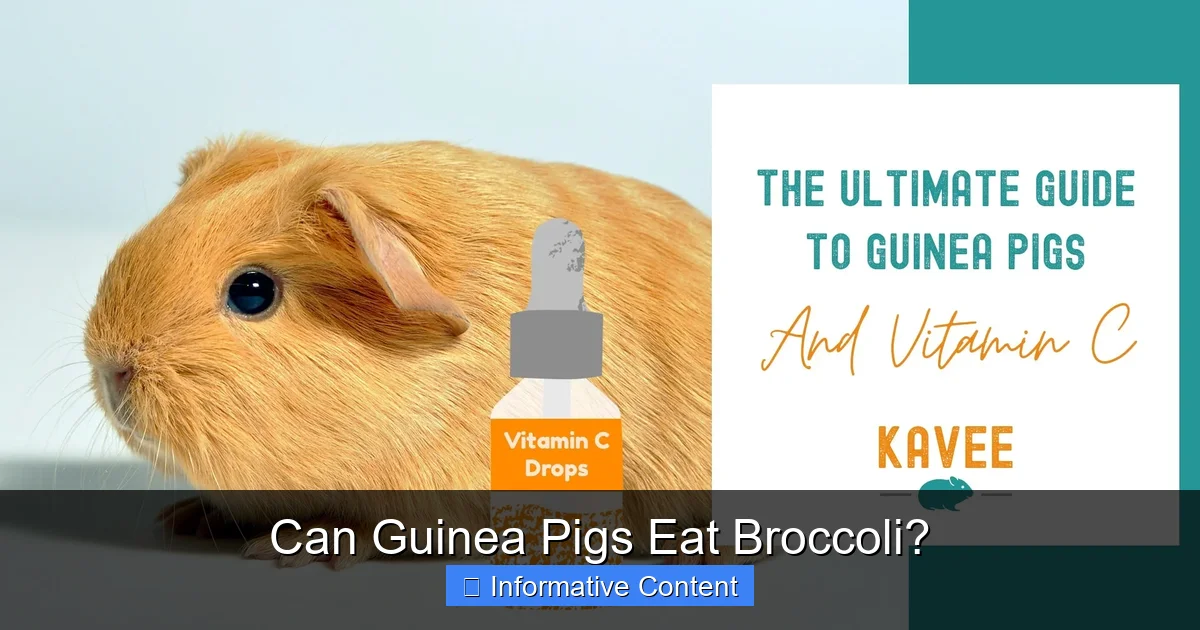
Visual guide about Can Guinea Pigs Eat Broccoli?
Image source: kaveecage.net
Key Nutrients in Broccoli
- Vitamin C: As mentioned, this is a huge plus! Broccoli is packed with Vitamin C, making it a potentially beneficial supplement to their diet for scurvy prevention.
- Fiber: Like most vegetables, broccoli contains dietary fiber, which supports healthy digestion and gut motility in guinea pigs.
- Vitamin K: Important for blood clotting and bone health.
- Folate (Vitamin B9): Essential for cell growth and function.
- Potassium: An important electrolyte that helps maintain fluid balance and nerve function.
- Various Antioxidants: These compounds help protect cells from damage.
The Double-Edged Sword: Calcium and Oxalates
While the vitamins and fiber sound great, broccoli also contains elements that require caution: calcium and oxalates. Guinea pigs are prone to developing bladder stones (urolithiasis), and a diet excessively high in calcium and oxalates can contribute to this serious health issue. Broccoli has moderate levels of both. This is why moderation is absolutely key when considering if guinea pigs can eat broccoli.
- Calcium: Guinea pigs process calcium differently than other animals. Too much calcium can lead to excess calcium being excreted in the urine, potentially forming sludge or stones in the urinary tract.
- Oxalates: Oxalic acid binds with calcium to form calcium oxalate crystals, which are a common component of bladder stones. Foods high in oxalates can increase the risk of these painful formations.
Potential Risks and Considerations When Feeding Broccoli
Beyond calcium and oxalates, there are other reasons to exercise caution when feeding broccoli to your guinea pig.
Gas and Digestive Upset
Broccoli is a cruciferous vegetable, belonging to the same family as cabbage, kale, and Brussels sprouts. These vegetables contain sulfur compounds, which are known to cause gas, bloating, and discomfort in both humans and animals. A guinea pig’s small digestive system is particularly sensitive to these effects. Too much broccoli can lead to:
- Bloating: Visible distension of the abdomen.
- Gas (flatulence): Uncomfortable and potentially painful.
- Diarrhea or soft stools: An upset stomach can manifest as changes in stool consistency.
- Lethargy and loss of appetite: If your guinea pig feels unwell, they may become withdrawn and stop eating, which is a veterinary emergency for guinea pigs.
Because guinea pigs cannot easily expel gas, severe bloating can become life-threatening. This risk is a primary reason why broccoli should only be given in tiny amounts.
Pesticide Residue
Like all fresh produce, broccoli can carry pesticide residues. It’s absolutely crucial to thoroughly wash any vegetable you plan to feed your guinea pig, even if it’s organic. Pesticides can be highly toxic to small animals. A good rinse under running water for at least 30 seconds is a must.
Safe Practices for Feeding Broccoli to Guinea Pigs
So, after weighing the pros and cons, the answer to “can guinea pigs eat broccoli?” is a cautious “yes” – but only if you follow strict guidelines. Here’s how to introduce and offer broccoli safely:
Start Small and Observe
Whenever introducing a new food, especially one with potential risks like broccoli, follow these steps:
- Tiny test portion: Offer a piece no larger than your thumbnail.
- Monitor for 24-48 hours: Watch your guinea pig closely for any signs of digestive upset, such as changes in stool (diarrhea, soft stools), decreased appetite, lethargy, or signs of discomfort (hunched posture, teeth grinding).
- If no issues: You can offer a similar small portion again in a few days.
- If issues arise: Immediately discontinue broccoli and avoid giving it again. If symptoms are severe or persist, contact your vet.
Portion Control is Paramount
This cannot be stressed enough. Broccoli should be considered a rare treat, not a regular part of their daily vegetable intake. A suitable serving size would be a small piece, roughly the size of your thumbnail, offered no more than once or twice a week. Rotate it with other safe, low-calcium, low-oxalate vegetables.
Raw and Washed is Best
Always feed broccoli raw. Cooking changes the nutritional profile and can destroy heat-sensitive vitamins like Vitamin C. Moreover, thoroughly wash the broccoli under cold running water to remove dirt, bacteria, and any pesticide residues.
What Parts of Broccoli Can Guinea Pigs Eat?
Broccoli isn’t just one uniform piece; it has florets, stems, and leaves. Can guinea pigs eat all of it?
- Florets (the green “treetops”): These are generally the most palatable and nutrient-dense part. They are fine in very small amounts.
- Stems: The main stem and smaller stalks are crunchy and fibrous. While edible, they can be harder to chew and may contribute more to gas due to their density. If offering, cut them into very small, manageable pieces.
- Leaves: The leafy parts that grow around the florets are often overlooked but are perfectly fine for guinea pigs and can be a good source of nutrients, including Vitamin C. They might even be less gas-inducing than the florets for some guinea pigs.
For first-timers, a tiny piece of floret or a small bit of leaf is the safest bet.
A Balanced Diet: Where Broccoli Fits In (or Doesn’t)
The key to a long and healthy life for your guinea pig is a balanced diet. Broccoli, with its specific risks and benefits, fits in as a very occasional supplement, not a staple. Think of it as a special surprise rather than a regular menu item.
Recommended Daily Vegetable Intake
Focus on a variety of low-calcium, high-Vitamin C vegetables daily. Here are some excellent choices for regular feeding:
- Bell Peppers (especially red, yellow, orange): Excellent source of Vitamin C and very safe.
- Leafy Greens (e.g., romaine lettuce, green leaf lettuce, red leaf lettuce): Great for fiber and hydration. Avoid iceberg lettuce, which has little nutritional value and can cause diarrhea.
- Cilantro, Parsley: Good sources of Vitamin C, but also moderate in calcium, so rotate with other greens.
- Cucumber: High in water, great for hydration, low in calories.
- Carrot Tops: More nutritious than the carrots themselves. Carrots should be given sparingly due to sugar content.
Remember, variety is the spice of life for guinea pigs too! Rotating different safe vegetables ensures a broad spectrum of nutrients and prevents overexposure to any single potentially problematic compound.
Monitoring Your Guinea Pig After Introducing Broccoli
After offering any new food, especially something like broccoli, paying close attention to your guinea pig’s behavior and health is crucial. Guinea pigs are masters at hiding illness, so subtle changes can be significant.
What to Look For:
- Changes in Stools: Are they softer, mushier, or smaller than usual? Diarrhea is a serious concern.
- Gas and Bloating: Is your guinea pig’s belly distended? Are they restless or seem uncomfortable?
- Appetite Changes: Are they eating less hay or pellets? Refusal to eat is always an emergency for guinea pigs.
- Lethargy: Are they less active, more withdrawn, or sleeping more than usual?
- Pain Signs: Teeth grinding (bruxism), hunched posture, or reluctance to move can all indicate pain.
If you notice any concerning symptoms after feeding broccoli, stop immediately and contact your veterinarian. Early intervention can make a significant difference in treating digestive issues.
Conclusion: Broccoli as a Treat, Not a Staple
So, can guinea pigs eat broccoli? Yes, they can, but with significant caveats. Broccoli is not a “bad” food for guinea pigs, but it’s certainly not a daily essential. Its high Vitamin C content is a plus, yet its potential to cause gas and contribute to bladder stone formation means it must be offered with extreme caution and in very small, infrequent amounts.
Always prioritize an unlimited supply of fresh timothy hay, high-quality pellets, and a varied selection of safe, low-calcium leafy greens and vegetables. When you do decide to offer a tiny piece of broccoli, remember to wash it thoroughly, serve it raw, and most importantly, observe your guinea pig closely for any adverse reactions. Your guinea pig’s health and happiness are paramount, and a responsible approach to their diet is one of the best ways to ensure they live a long, joyful life by your side.
Frequently Asked Questions
What are the main benefits of feeding broccoli to guinea pigs?
The primary benefit of broccoli for guinea pigs is its high Vitamin C content, which is essential for preventing scurvy as guinea pigs cannot produce it themselves. It also provides dietary fiber, important for digestive health.
Why should I be cautious about feeding broccoli to my guinea pig?
Caution is needed because broccoli, a cruciferous vegetable, contains sulfur compounds that can cause painful gas and bloating in sensitive guinea pigs. Additionally, its moderate levels of calcium and oxalates can contribute to the formation of bladder stones if fed in excess.
How much broccoli is safe to give a guinea pig?
Only a very small piece, no larger than your thumbnail, should be given. It’s crucial to treat broccoli as a rare snack, offered perhaps once or twice a week at most, rather than a daily vegetable.
Are there any alternatives to broccoli that are safer but still provide Vitamin C?
Absolutely! Bell peppers (especially red, yellow, and orange) are an excellent, safer source of Vitamin C that many guinea pigs love. Other good options include cilantro, parsley, and various leafy greens, all offered in moderation and rotation.
What should I do if my guinea pig shows signs of illness after eating broccoli?
If your guinea pig exhibits any signs of digestive upset, lethargy, changes in stool, or discomfort after eating broccoli, discontinue feeding it immediately. Observe them closely and contact your veterinarian if symptoms persist or worsen, as digestive issues can quickly become serious for guinea pigs.
Should I wash broccoli before giving it to my guinea pig?
Yes, absolutely. Always thoroughly wash all fresh produce, including broccoli, under cold running water before offering it to your guinea pig. This helps remove dirt, bacteria, and any potentially harmful pesticide residues.