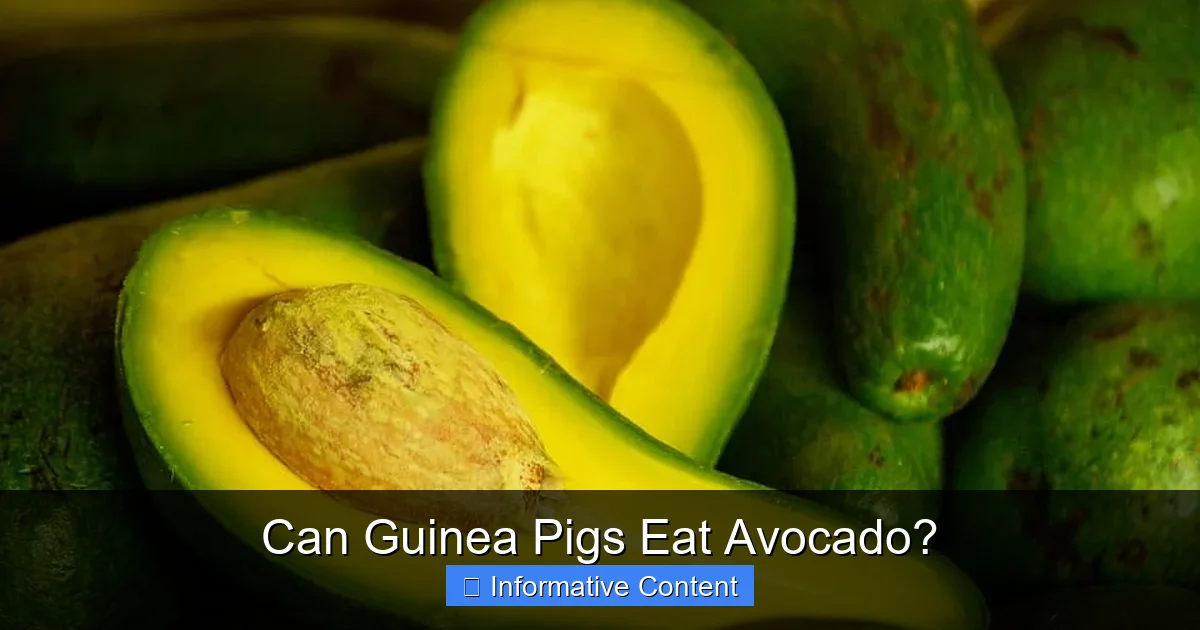
No, guinea pigs cannot eat avocado. Avocado contains a fungicidal toxin called persin, which is harmful and potentially fatal to small animals like guinea pigs. This substance, found in the fruit, skin, pit, and leaves, can cause serious health issues, including respiratory distress, fluid accumulation, and heart problems. It’s best to keep avocado entirely away from your guinea pig and opt for safe, vet-approved vegetables and fruits instead.
Hello there, fellow guinea pig parent! If you’re anything like me, you’re constantly looking for ways to spoil your little furball and ensure they’re living their best, healthiest life. This often leads to wondering what human foods are safe for our tiny companions. Today, we’re tackling a very common question that often pops up in guinea pig communities and search engines: “Can guinea pigs eat avocado?”
It’s a fantastic question to ask, and it shows you’re a responsible pet owner. We see avocados everywhere these days – in our salads, on toast, and in guacamole. They’re praised for their healthy fats and nutrients for humans. But what’s good for us isn’t always good for our pets, especially delicate creatures like guinea pigs. Let’s dive deep into why avocado should never be on your guinea pig’s menu and what safe alternatives you can offer instead.
Contents
- Key Takeaways
- Quick Answers to Common Questions
- 📑 Table of Contents
- The Short Answer: Can Guinea Pigs Eat Avocado?
- Understanding Persin: The Toxin in Avocado
- Nutritional Value of Avocado (for Humans vs. Guinea Pigs)
- Signs of Avocado Toxicity in Guinea Pigs
- Safe Alternatives and a Balanced Guinea Pig Diet
- Conclusion
- Frequently Asked Questions
Key Takeaways
- Avocado is Toxic to Guinea Pigs: The primary reason guinea pigs cannot eat avocado is the presence of a natural toxin called persin, which is highly detrimental to their health.
- Persin Affects All Parts: Persin is found in the avocado’s flesh, skin, pit, and leaves, meaning no part of the avocado is safe for your guinea pig to consume.
- Symptoms of Toxicity: Ingestion can lead to serious health problems like respiratory distress, lethargy, anorexia, and fluid retention, potentially leading to heart failure or death.
- High Fat Content: Beyond persin, avocado is very high in fat, which is unsuitable for a guinea pig’s digestive system and can lead to obesity and other health issues.
- No Nutritional Benefits Outweigh Risks: While avocados contain some beneficial nutrients for humans, these are not necessary for guinea pigs and are far outweighed by the significant health risks.
- Prioritize Safe Alternatives: Instead of avocado, offer your guinea pig a diet rich in hay, fortified pellets, and a variety of safe fresh vegetables like bell peppers, leafy greens, and carrots.
Quick Answers to Common Questions
Can guinea pigs eat avocado at all?
No, guinea pigs cannot eat avocado in any form due to the presence of persin, a toxin that is harmful to them.
What is persin, and why is it dangerous for guinea pigs?
Persin is a fungicidal toxin found in avocado plants. When ingested by guinea pigs, it can cause severe health problems, including respiratory distress, fluid accumulation, and heart damage, potentially leading to death.
Are there any parts of the avocado that are safe for guinea pigs?
No, all parts of the avocado, including the flesh, skin, pit, and leaves, contain persin and are therefore unsafe and toxic for guinea pigs.
What should I do if my guinea pig accidentally eats avocado?
If your guinea pig eats avocado, contact an exotic pet veterinarian or emergency animal clinic immediately. Do not wait for symptoms to appear, as prompt veterinary attention is crucial.
What are some safe alternatives to avocado for guinea pigs?
Safe alternatives include a variety of fresh vegetables like bell peppers, romaine lettuce, cucumber, and small amounts of carrots. Unlimited hay and fortified guinea pig pellets should form the bulk of their diet.
📑 Table of Contents
The Short Answer: Can Guinea Pigs Eat Avocado?
Let’s get straight to the point without any suspense. The unequivocal answer is: No, guinea pigs cannot eat avocado. In fact, avocado is considered toxic and potentially fatal for guinea pigs. This isn’t just a recommendation; it’s a critical safety warning that every guinea pig owner needs to understand.
Why the Caution? Unpacking the Toxicity
When we talk about foods being “toxic” to animals, it means they contain substances that can harm their bodies, sometimes severely. For guinea pigs, avocado falls squarely into this category. It’s not just a matter of an upset stomach; ingesting avocado can lead to very serious, life-threatening health complications for your beloved pet. So, if you’re ever wondering, “Can guinea pigs eat avocado?” the answer should always be a firm no, and you should act accordingly to keep them safe.
The Persin Problem: Avocado’s Harmful Toxin
The main culprit behind avocado’s toxicity to guinea pigs (and many other animals) is a natural fungicidal toxin called *persin*. Persin is a fatty acid derivative found throughout the avocado plant. While it generally doesn’t pose a risk to humans in the concentrations found in the fruit we eat, it’s highly detrimental to various animals, including birds, horses, cattle, goats, and yes, small mammals like guinea pigs. This makes it crucial to understand why guinea pigs cannot eat avocado.
Understanding Persin: The Toxin in Avocado
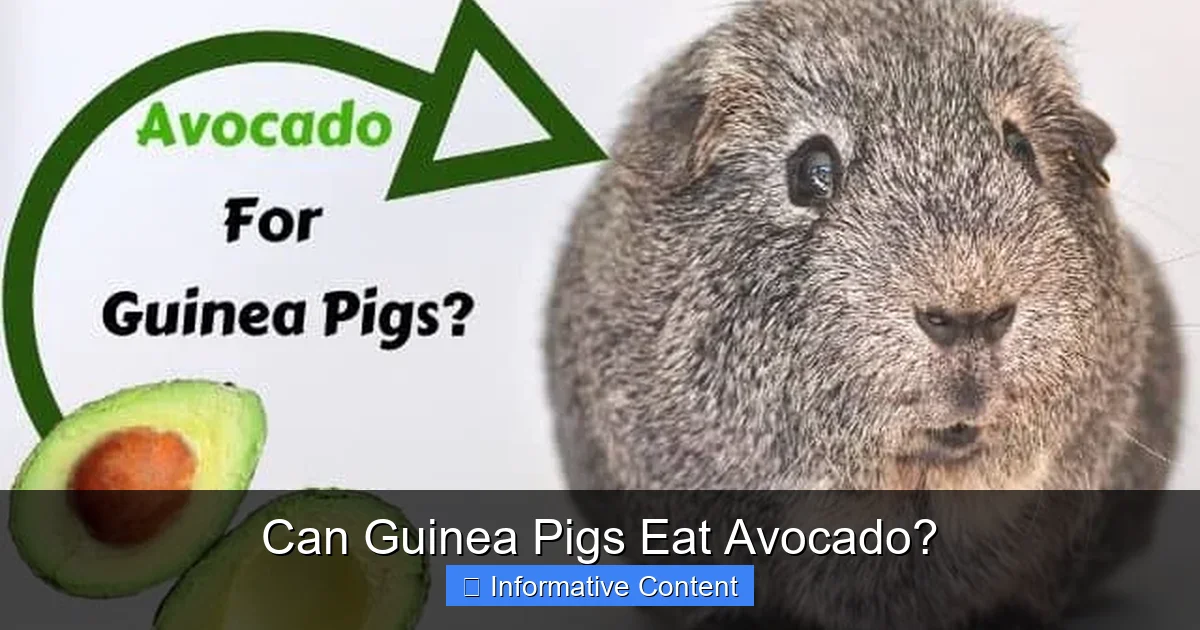
Visual guide about Can Guinea Pigs Eat Avocado?
Image source: guineapig101.com
To fully grasp why guinea pigs cannot eat avocado, it’s essential to understand what persin is and how it affects them. Knowledge is power when it comes to protecting our pets!
What is Persin?
Persin is a naturally occurring compound produced by avocado plants (Persea americana). It acts as a defense mechanism for the plant against fungal infections. Chemically, it’s an oil-soluble compound that can cause adverse reactions when ingested by susceptible animals. Different varieties of avocados may contain varying levels of persin, but for the safety of your guinea pig, it’s best to assume all avocados are equally dangerous.
How Does Persin Affect Animals? (Especially Guinea Pigs)
When small animals like guinea pigs ingest persin, it can lead to a range of severe health problems. The specific mechanisms can be complex, but the effects are clear. Persin is known to cause damage to the heart muscle, leading to fluid accumulation around the heart and in the lungs (pulmonary edema). This can quickly result in respiratory distress, making it hard for your guinea pig to breathe. Other symptoms can include lethargy, weakness, anorexia, and generalized fluid retention. In severe cases, and often due to their small size and rapid metabolism, even a small amount of persin can be fatal to guinea pigs. This is the primary reason why guinea pigs cannot eat avocado.
Different Parts, Different Risks?
It’s a common misconception that perhaps only certain parts of the avocado are dangerous. Unfortunately, persin is present throughout the entire avocado plant, including:
- The Flesh: Even the seemingly harmless green or yellow flesh contains persin. While the concentration might be highest just under the skin, it’s still present throughout.
- The Skin: The tough outer skin of an avocado is particularly high in persin.
- The Pit (Seed): The large pit in the center is also rich in persin and poses a choking hazard.
- The Leaves and Stem: If you have an avocado plant, keep it far away from your guinea pig, as the leaves and stem are also toxic.
This means there is no “safe” part of an avocado to offer your guinea pig. The risk is universal across the entire fruit and plant. This reinforces the fact that guinea pigs cannot eat avocado in any form.
Nutritional Value of Avocado (for Humans vs. Guinea Pigs)
While we humans often praise avocado for its nutritional benefits, these benefits simply do not translate safely or beneficially to a guinea pig’s diet. Understanding this difference further explains why guinea pigs cannot eat avocado.
High Fat Content: A Major Red Flag
One of the main reasons avocados are popular in human diets is their high content of healthy monounsaturated fats. For humans, these fats are beneficial for heart health and can help with nutrient absorption. However, for a guinea pig, a diet high in fat is incredibly detrimental. Guinea pigs have evolved to thrive on a diet primarily consisting of fibrous hay, small amounts of pellets, and fresh vegetables. Their digestive systems are not equipped to process high-fat foods.
Other Nutrients: Not Worth the Risk
Avocados also contain various vitamins and minerals like Vitamin K, Vitamin C, Folate, Potassium, and Vitamin B6. While guinea pigs do need many of these nutrients (especially Vitamin C, which they cannot synthesize themselves), they should obtain them from safe, guinea pig-appropriate sources. The risk associated with persin and the high fat content far outweighs any potential nutritional gain from feeding avocado. You can easily provide your guinea pig with all the necessary vitamins and minerals through a well-balanced diet of hay, fortified pellets, and safe vegetables, without ever having to consider if guinea pigs can eat avocado.
Why Fat is Bad for Guinea Pigs
A high-fat diet can lead to several severe health problems in guinea pigs:
- Obesity: Excess fat intake quickly leads to weight gain, putting a strain on their tiny bodies and increasing the risk of other health issues.
- Digestive Upset: Their delicate digestive systems can’t handle rich, fatty foods, leading to diarrhea, bloating, and discomfort.
- Liver Problems: Over time, a high-fat diet can contribute to liver disease.
- Cardiac Issues: While persin directly affects the heart, general obesity from high-fat foods can also put undue stress on the cardiovascular system.
Given these risks, even if persin weren’t an issue, the high-fat content alone would be enough to advise against feeding avocado to your guinea pig.
Signs of Avocado Toxicity in Guinea Pigs
Despite our best efforts, accidents can happen. Perhaps a small piece dropped on the floor, or a curious cavy got into something they shouldn’t have. Knowing the signs of avocado toxicity is crucial for prompt action, emphasizing again why guinea pigs cannot eat avocado.
What to Watch For
If you suspect your guinea pig has eaten avocado, even a tiny amount, you need to monitor them closely for these symptoms:
- Lethargy and Weakness: Your guinea pig might seem unusually tired, inactive, or weak.
- Anorexia: Refusal to eat or drink, which is always a serious sign in guinea pigs.
- Respiratory Distress: Difficulty breathing, rapid shallow breathing, open-mouth breathing, or wheezing. This is often due to fluid accumulation in the lungs.
- Fluid Accumulation (Edema): Swelling, especially in the abdominal area or limbs.
- Diarrhea: Loose or watery stools.
- Changes in Heart Rate: This can be difficult to detect without veterinary equipment but is an underlying issue.
- Sudden Death: In severe cases, especially with larger ingestion or in particularly sensitive individuals, death can occur rapidly.
These symptoms can appear anywhere from a few hours to a day or more after ingestion, depending on the amount consumed and the individual guinea pig’s sensitivity.
What to Do If Your Guinea Pig Eats Avocado
If you even suspect your guinea pig has eaten avocado, do not wait for symptoms to appear. This is a veterinary emergency.
- Contact Your Vet Immediately: Call your exotic pet veterinarian or an emergency animal clinic right away. Inform them what your guinea pig ate and approximately how much.
- Provide Details: Be prepared to tell your vet the type of avocado (if you know it), how much you think was ingested, and when it happened.
- Follow Vet Instructions: Your vet will provide guidance on what to do next. They may instruct you to bring your guinea pig in for examination and treatment.
- Do Not Induce Vomiting: Never try to induce vomiting in a guinea pig yourself, as this can cause further harm.
Early intervention can significantly improve the outcome, so acting quickly is paramount. This highlights the severe implications of why guinea pigs cannot eat avocado.
Prevention is Key
The best approach is always prevention. Make sure no avocado, in any form, is accessible to your guinea pig. This means:
- Keeping avocados stored securely away from their enclosure.
- Being vigilant when preparing or eating avocados, ensuring no dropped pieces are within reach.
- Educating all family members about the dangers of avocado for guinea pigs.
By taking these simple precautions, you can ensure your guinea pig never accidentally ingests this dangerous food.
Safe Alternatives and a Balanced Guinea Pig Diet
Now that we’ve firmly established why guinea pigs cannot eat avocado, let’s focus on what they *should* eat! Providing a proper, balanced diet is fundamental to your guinea pig’s health and happiness.
What *Should* Guinea Pigs Eat? The Pillars of Their Diet
A guinea pig’s diet should be simple, consistent, and rich in fiber. Here are the three main components:
- Unlimited High-Quality Hay: This is the cornerstone of a guinea pig’s diet. Timothy hay (for adults) or alfalfa hay (for young, pregnant, or nursing guinea pigs) should be available 24/7. Hay is vital for dental health (wearing down ever-growing teeth) and digestive health (providing essential fiber).
- Fortified Guinea Pig Pellets: A small amount (about 1/8 to 1/4 cup per day for an adult) of high-quality, plain, fortified guinea pig pellets is important. Choose pellets specifically designed for guinea pigs, high in fiber, and fortified with Vitamin C. Avoid muesli-style mixes with seeds and dried fruit, as these are unhealthy.
- Fresh Vegetables (Daily): About one cup of safe, fresh vegetables daily is crucial for providing essential vitamins, minerals, and fresh Vitamin C.
Understanding these basics ensures you provide a diet that supports their overall well-being, far removed from the risks of feeding something like avocado.
Healthy Treat Options: Safe Fruits and Veggies
Instead of ever wondering, “Can guinea pigs eat avocado?”, focus on the wide variety of safe and delicious treats you *can* offer. Remember, treats should always be given in moderation.
Excellent Daily Veggies:
- Bell Peppers (all colors): Excellent source of Vitamin C.
- Leafy Greens: Romaine lettuce, red leaf lettuce, green leaf lettuce, spring mix (in moderation).
- Cucumber: High in water, good for hydration.
- Carrots (small amounts): High in sugar, so offer sparingly.
- Celery (leaves are good, stalks in moderation): Ensure it’s chopped into small pieces to avoid stringy bits causing issues.
Occasional Fruit Treats (small portions, 2-3 times a week max due to sugar):
- Apple (no seeds): Always remove seeds as they contain cyanide.
- Berries (strawberries, blueberries, raspberries): Small amounts.
- Melon (cantaloupe, watermelon – no seeds): Small amounts.
- Orange (small segment): Good source of Vitamin C.
Always introduce new foods slowly and in tiny amounts to ensure your guinea pig tolerates them well. A varied diet of these safe foods will keep your guinea pig happy and healthy without ever needing to risk feeding them avocado.
The Importance of Variety and Moderation
Offering a variety of safe vegetables helps ensure your guinea pig receives a broad spectrum of nutrients. However, remember that even safe foods should be given in moderation. Too much of any single food, especially sugary fruits, can lead to digestive upset or other health issues. Balance is key. Always prioritize unlimited hay, followed by quality pellets, and then a generous portion of mixed fresh vegetables.
Conclusion
To wrap things up, let’s reiterate the most important takeaway from this entire discussion: Can guinea pigs eat avocado? Absolutely not. Avocado, containing the toxin persin and being excessively high in fat, poses a significant and potentially fatal risk to your guinea pig. As responsible pet owners, our priority is to keep our guinea pigs safe, healthy, and happy, and that means being vigilant about what we feed them.
Instead of avocado, focus on providing a diet rich in unlimited fresh hay, high-quality guinea pig pellets, and a diverse selection of safe, fresh vegetables known to be beneficial for their health. Always research any new food item before introducing it to your guinea pig’s diet, and when in doubt, consult your veterinarian. Your guinea pig relies on you to make the best dietary choices for them, ensuring they live a long, joyful life filled with safe and delicious treats!
Frequently Asked Questions
Is avocado toxic to all animals, or just guinea pigs?
Avocado containing persin is toxic to many animals, including birds, horses, cattle, goats, and certain small mammals like guinea pigs. While generally considered safe for humans, it’s crucial to be aware of its danger to pets.
What kind of hay is best for adult guinea pigs?
For adult guinea pigs, Timothy hay is the best choice. It provides the essential fiber needed for proper digestion and helps wear down their continuously growing teeth, preventing dental problems.
Do guinea pigs need Vitamin C supplements?
Guinea pigs cannot synthesize their own Vitamin C, so it’s essential to provide it through their diet. High-quality guinea pig pellets are usually fortified, and daily fresh vegetables like bell peppers are excellent natural sources. Supplemental drops can be used under vet guidance.
Can I give my guinea pig fruit as a treat?
Yes, small amounts of certain fruits can be given as occasional treats (2-3 times a week). Good options include small pieces of apple (no seeds), berries, or melon. Always remember moderation due to the sugar content.
How much fresh vegetables should my guinea pig eat daily?
An adult guinea pig should receive about one cup of safe, fresh vegetables daily. This should be a variety of different types to ensure a broad spectrum of nutrients.
What are the signs of a healthy guinea pig diet?
A guinea pig on a healthy diet will have bright eyes, a glossy coat, regular firm droppings, good energy levels, and a healthy appetite. Any changes in these indicators could suggest a dietary issue or health problem.