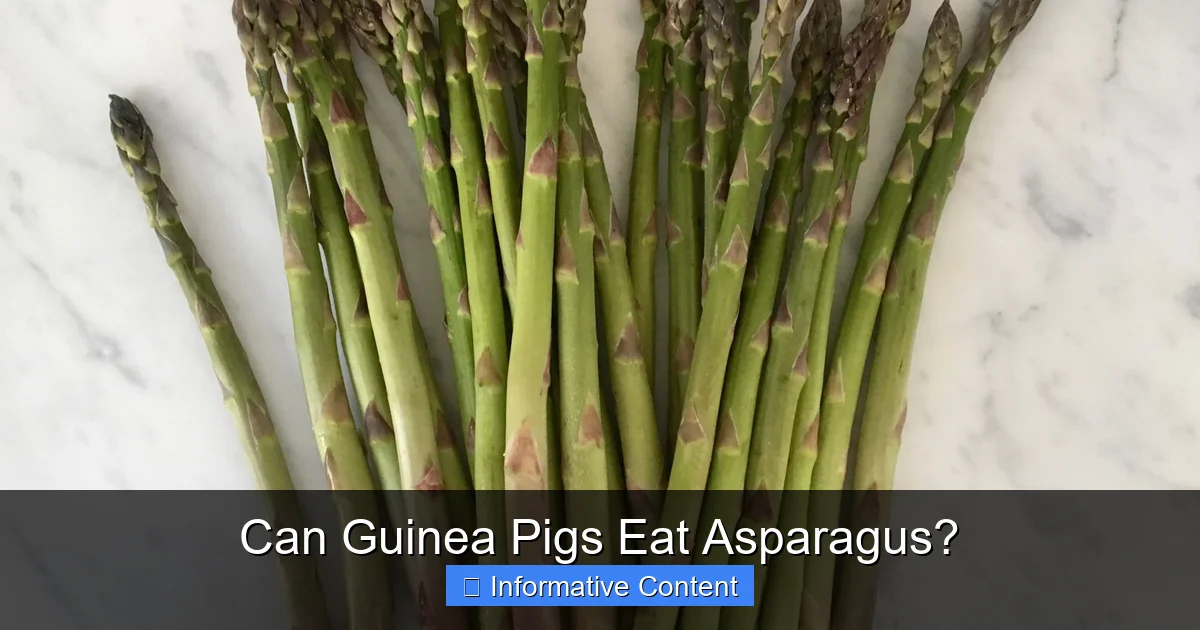
Guinea pigs can eat asparagus, but only in very small quantities and infrequently. While asparagus offers some vitamins and fiber, its high oxalate and calcium content can pose health risks like bladder stones if overfed. It should be considered a rare treat, not a staple, and always prepared correctly by washing thoroughly and offering only the tender tips.
As a loving guinea pig parent, you’re always looking for ways to enrich your furry friend’s diet with delicious and nutritious treats. It’s natural to wonder about various human foods and whether they’re safe for your little cavy companion. One vegetable that often sparks curiosity is asparagus. Its unique flavor and crisp texture might seem appealing, but can guinea pigs actually eat asparagus?
Navigating the world of guinea pig nutrition can sometimes feel like a maze, with conflicting information and many nuances. The key to a healthy guinea pig diet lies in understanding their specific needs and sensitivities. They require a diet rich in hay, fresh water, a good quality pellet, and a variety of safe, fresh vegetables to provide essential Vitamin C and other nutrients.
So, let’s dive deep into the question: “Can guinea pigs eat asparagus?” We’ll explore the nutritional aspects, potential risks, safe preparation methods, and how to introduce this vegetable—or if it’s best to skip it altogether. Our goal is to equip you with all the information you need to make informed decisions for your beloved pet’s health and happiness.
Contents
- Key Takeaways
- Quick Answers to Common Questions
- 📑 Table of Contents
- The Short Answer: Can Guinea Pigs Eat Asparagus?
- Nutritional Profile of Asparagus: What Does It Offer?
- Potential Risks and Concerns When Feeding Asparagus to Guinea Pigs
- How to Safely Prepare and Serve Asparagus to Your Guinea Pig
- Monitoring Your Guinea Pig After Asparagus Consumption
- Alternative Safe and Healthy Vegetables for Guinea Pigs
- Frequently Asked Questions
- Is asparagus toxic to guinea pigs?
- What are the benefits of asparagus for guinea pigs?
- Are there different types of asparagus guinea pigs can eat?
- Should I peel asparagus before giving it to my guinea pig?
- What’s the best way to introduce new foods like asparagus?
- What other vegetables are completely safe for guinea pigs?
Key Takeaways
- Conditional Treat: Asparagus is acceptable for guinea pigs, but only as an occasional, tiny treat, not a regular part of their diet.
- High Oxalates & Calcium: The primary concern with asparagus is its relatively high content of oxalates and calcium, which can contribute to the formation of painful bladder stones in guinea pigs.
- Nutritional Benefits (Limited Impact): While asparagus contains beneficial vitamins (K, C, A, folate) and fiber, the minimal safe portion size means these benefits are negligible compared to other staple vegetables.
- Preparation is Crucial: Always wash asparagus thoroughly to remove pesticides. Offer only small, raw, tender tips; never the woody stems or cooked asparagus.
- Portion & Frequency: A piece no larger than half an inch of the tender tip, given no more than once or twice a month, is the recommended maximum.
- Monitor Your Guinea Pig: After introducing asparagus, carefully observe your guinea pig for any signs of digestive upset, changes in appetite, or urination issues.
- Prioritize Safer Alternatives: Many other vegetables, like bell peppers, romaine lettuce, and cucumber, offer better nutritional profiles with fewer risks and should be prioritized in your guinea pig’s diet.
Quick Answers to Common Questions
Can baby guinea pigs eat asparagus?
No, it is best to avoid feeding asparagus to baby guinea pigs. Their digestive systems are even more sensitive than adults, and the risks associated with oxalates and potential digestive upset are too high for developing young cavies.
Can guinea pigs eat cooked asparagus?
No, guinea pigs should never eat cooked asparagus. Cooking changes the texture and nutritional composition, and any added seasonings, oils, or salt are extremely harmful to guinea pigs. Always offer vegetables raw.
Can guinea pigs eat asparagus stems?
No, guinea pigs should only eat the very tender, green tips of asparagus, if at all. The woody stems are too fibrous and tough for them to digest properly and can pose a choking hazard or cause digestive upset.
How often can guinea pigs eat asparagus?
Guinea pigs should eat asparagus very rarely, no more than once or twice a month at most. It is considered an occasional treat due to its potential risks, not a regular part of their diet.
What happens if a guinea pig eats too much asparagus?
If a guinea pig eats too much asparagus, they may experience digestive upset like gas or diarrhea. Over time, consuming high amounts of oxalates and calcium from asparagus and other inappropriate foods can contribute to the formation of painful bladder stones.
📑 Table of Contents
- The Short Answer: Can Guinea Pigs Eat Asparagus?
- Nutritional Profile of Asparagus: What Does It Offer?
- Potential Risks and Concerns When Feeding Asparagus to Guinea Pigs
- How to Safely Prepare and Serve Asparagus to Your Guinea Pig
- Monitoring Your Guinea Pig After Asparagus Consumption
- Alternative Safe and Healthy Vegetables for Guinea Pigs
The Short Answer: Can Guinea Pigs Eat Asparagus?
To answer directly: yes, guinea pigs can eat asparagus, but with significant caveats. It’s not a straightforward “yes” like bell peppers or romaine lettuce. Asparagus should be considered a rare, occasional treat, given in very small quantities, rather than a regular part of their daily vegetable intake. Think of it as a special surprise, not a dietary staple.
A Conditional “Yes”
The conditional “yes” means that while asparagus isn’t inherently toxic to guinea pigs, it presents certain nutritional challenges that make it unsuitable for frequent consumption. The primary concerns revolve around its mineral content and potential for digestive upset. Many vegetables are safe for guinea pigs, but their safety often depends on the quantity and frequency of feeding. Asparagus falls into the category of “proceed with caution.”
Understanding why it’s a conditional “yes” is crucial for responsible pet ownership. It’s not just about avoiding toxic foods, but also about avoiding foods that, while not immediately harmful, can lead to long-term health issues when fed incorrectly. The health of your guinea pig depends on a balanced diet, and asparagus needs to fit into that balance in a very specific, limited way.
Why Moderation is Key
The main reason for extreme moderation when your guinea pigs eat asparagus lies in its nutritional composition, particularly its levels of oxalates and calcium. Guinea pigs are prone to developing calcium oxalate bladder stones, a painful and potentially serious condition. Foods high in either oxalates or calcium, or both, can increase this risk. While asparagus isn’t the highest in these compounds compared to some other greens, its combined levels are enough to warrant caution.
Beyond the mineral content, asparagus can also be a bit fibrous and, for some sensitive cavies, may lead to digestive upset like gas or loose stools if given in too large a quantity. Their delicate digestive systems thrive on consistency and foods that are easy to process. Introducing any new food, especially one with potential downsides, must always be done slowly and carefully.
Nutritional Profile of Asparagus: What Does It Offer?
Despite the warnings about moderation, asparagus does offer some beneficial nutrients. For humans, it’s a powerhouse vegetable, and those benefits translate, to a very limited extent, to guinea pigs. Let’s look at what asparagus brings to the table, keeping in mind that the tiny portions guinea pigs can safely eat mean they won’t be getting a significant nutritional boost from it.
Visual guide about Can Guinea Pigs Eat Asparagus?
Image source: furrytips.com
Vitamins and Minerals
Asparagus is a good source of several vitamins and minerals. It contains:
- Vitamin K: Important for blood clotting and bone health.
- Vitamin C: Crucial for guinea pigs, as they cannot produce their own. However, the amount in a tiny piece of asparagus is minimal compared to bell peppers.
- Folate (Vitamin B9): Important for cell growth and function.
- Vitamin A: Beneficial for vision and immune function.
- Potassium: An electrolyte important for nerve and muscle function.
While these nutrients are vital, the quantity of asparagus a guinea pig can safely consume is so small that the contribution to their overall daily nutritional intake is minimal. They will obtain far more of these essential vitamins and minerals from their staple hay and other safer, everyday vegetables.
Fiber Content
Asparagus, like most vegetables, contains dietary fiber. Fiber is essential for a guinea pig’s digestive health, helping to keep their gut moving and preventing issues like stasis. However, the type of fiber in asparagus can be quite tough, especially in the stalk. For guinea pigs, too much of this tough fiber, particularly in larger amounts, could potentially cause digestive discomfort rather than aid it.
The majority of a guinea pig’s fiber needs should be met by an unlimited supply of high-quality hay, which is the most crucial component of their diet. Hay provides the long-strand fiber necessary for proper dental wear and digestive function.
Water Content
Asparagus has a high water content, which can contribute to hydration. For guinea pigs, staying hydrated is important, and they get a significant portion of their water from fresh vegetables. However, vegetables like cucumber or romaine lettuce offer even higher water content with fewer associated risks, making them much better choices for hydration.
So, while asparagus does offer some nutritional value, the practical reality for guinea pigs is that these benefits are largely overshadowed by the potential risks and the fact that other vegetables provide the same nutrients more safely and effectively.
Potential Risks and Concerns When Feeding Asparagus to Guinea Pigs
Understanding the risks is paramount when considering if your guinea pigs can eat asparagus. While a tiny piece occasionally might not cause immediate harm, cumulative effects or larger portions can lead to significant health problems for these sensitive creatures.
High Oxalates: A Major Concern
One of the most significant concerns with feeding asparagus to guinea pigs is its oxalic acid content. Oxalates are naturally occurring compounds found in many plants. When consumed in large amounts, especially by guinea pigs, oxalates can bind with calcium to form calcium oxalate crystals. These crystals can accumulate in the urinary tract, leading to painful and dangerous bladder stones (urolithiasis).
Guinea pigs are particularly susceptible to bladder stones, and their diet plays a massive role in prevention. Foods high in oxalates, like spinach or parsley (which are also high in calcium), need to be fed sparingly or avoided. Asparagus falls into the category of vegetables that, while not as high as spinach, still contain enough oxalates to warrant caution, especially when combined with its calcium content.
Calcium Content
While asparagus is not excessively high in calcium compared to some other greens, it does contain it. For guinea pigs, consuming too much calcium can contribute to the formation of bladder stones, particularly when combined with oxalates. Their bodies are very efficient at absorbing calcium, and excess calcium is excreted through the urine, where it can crystalize.
A balanced diet for guinea pigs aims for a moderate calcium intake, ensuring they get enough for strong bones and teeth without overdoing it. Vegetables that are very high in calcium, like kale, should be rotated with lower-calcium options. Asparagus, due to its oxalate-calcium balance, is best kept as a very rare treat to avoid upsetting this delicate balance.
Acidity and Digestive Upset
Asparagus can be somewhat acidic, and this acidity, combined with its fibrous texture, can sometimes lead to digestive upset in sensitive guinea pigs. Symptoms can include gas, bloating, diarrhea, or a general decrease in appetite. Guinea pigs have very sensitive digestive systems that rely on a healthy balance of gut bacteria. Any sudden change or introduction of challenging foods can disrupt this balance.
It’s always crucial to introduce any new food slowly and in tiny amounts, watching carefully for any adverse reactions. If your guinea pig shows any signs of discomfort after eating asparagus, it’s best to discontinue it immediately and consult your vet if symptoms persist.
Pesticide Residues
Like many conventionally grown vegetables, asparagus can carry pesticide residues. Guinea pigs are small and very sensitive to chemicals, so consuming even small amounts of pesticides can be harmful. This risk isn’t unique to asparagus but applies to all fresh produce given to your pet.
Always wash all vegetables thoroughly under running water, even if they are organic, to minimize the risk of pesticide exposure or other contaminants. Organic asparagus might be a safer choice if you’re determined to offer it, but thorough washing is still essential.
How to Safely Prepare and Serve Asparagus to Your Guinea Pig
If you’ve decided to offer your guinea pig asparagus as a very infrequent treat, proper preparation is non-negotiable. This section will guide you through the safe steps to ensure you minimize any potential risks.
Choosing the Right Asparagus
When selecting asparagus, opt for fresh, firm stalks with tightly closed tips. Avoid any asparagus that looks limp, wilted, or has discolored spots. Fresher asparagus generally has a better texture and nutritional integrity. If possible, consider choosing organic asparagus to reduce the likelihood of pesticide exposure, though thorough washing is still paramount.
Always ensure the asparagus is raw. Never feed cooked asparagus to your guinea pig. Cooking changes the nutritional composition and texture, often adding oils, salt, or seasonings that are completely unsuitable and potentially harmful for guinea pigs.
Proper Washing Techniques
Before offering any part of the asparagus to your guinea pig, it must be meticulously washed. Rinse the entire spear under cool, running water. You can gently rub the tips and stalk to ensure any dirt, bacteria, or pesticide residues are removed. There’s no need for special vegetable washes; plain water is sufficient when done thoroughly. After washing, gently pat the asparagus dry with a clean paper towel.
The Right Parts to Offer
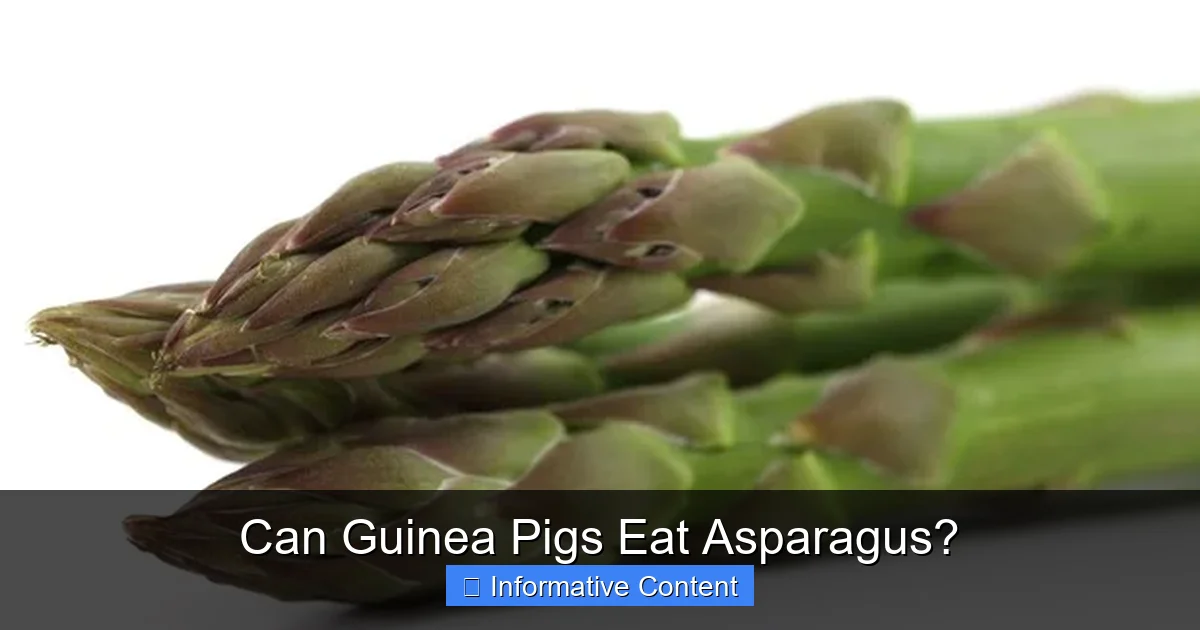
This is extremely important: only offer the tender, green tips of the asparagus. The lower, woody parts of the stalk are very fibrous and difficult for guinea pigs to digest. They can also pose a choking hazard due to their toughness. The tender tips are softer and less likely to cause digestive issues.
Cut off a small segment of the very tip of the asparagus spear. Discard the rest of the stalk, or save it for human consumption. Ensure there are no sharp edges on the piece you offer to your guinea pig.
Portion Sizes and Frequency
When it comes to portion size for guinea pigs and asparagus, think minuscule. A piece no larger than half an inch of the tender tip is sufficient. This is a treat, not a meal supplement. Providing too much can lead to the health issues discussed earlier.
As for frequency, asparagus should be offered very rarely. We’re talking once or twice a month at most. It should not be part of their weekly vegetable rotation. There are many other, safer vegetables that guinea pigs can enjoy more frequently.
For example, if you typically give your guinea pig a small piece of bell pepper or a leaf of romaine daily, asparagus should be an addition that happens only occasionally, displacing another treat, not added on top of everything else.
Introducing New Foods Gradually
Whenever you introduce a new food to your guinea pig’s diet, always do so gradually. Offer a tiny amount (even smaller than the recommended treat size initially) and observe your guinea pig for the next 24-48 hours. Look for any changes in appetite, energy levels, stool consistency (diarrhea or unusual droppings), or signs of discomfort.
If your guinea pig shows any adverse reactions, stop feeding asparagus immediately. If they seem to tolerate it well, you can stick to the recommended tiny portion and infrequent schedule. Remember, not every guinea pig will react the same way to a new food; some might be more sensitive than others.
Monitoring Your Guinea Pig After Asparagus Consumption
After offering any new or controversial food like asparagus, vigilant observation of your guinea pig is crucial. Their small size and rapid metabolisms mean that adverse reactions can manifest quickly.
What to Look For
Keep a close eye on your guinea pig for the following signs, which could indicate digestive upset or other issues:
- Changes in Droppings: Look for soft stools, diarrhea, or a complete absence of droppings. Healthy guinea pig droppings are typically firm and uniform.
- Changes in Appetite: A decrease in appetite, refusal to eat hay or pellets, or disinterest in other favorite veggies can be a warning sign.
- Lethargy or Reduced Activity: Guinea pigs are generally active and curious. If your pet seems unusually quiet, less playful, or more sedentary, something might be wrong.
- Bloating or Discomfort: Gently feel your guinea pig’s abdomen. Any hardness or signs of pain when touched could indicate gas or bloating.
- Changes in Urination: While harder to spot immediately, any straining, crying during urination, or blood in the urine could indicate bladder issues. This is a long-term risk of high oxalate/calcium foods.
If you notice any of these symptoms, particularly severe ones like persistent diarrhea or lethargy, it’s important to act quickly.
When to Contact Your Vet
If your guinea pig exhibits any severe or persistent symptoms after consuming asparagus, contact your veterinarian immediately. Persistent diarrhea can lead to dehydration very quickly in small animals. Lethargy and lack of appetite can be signs of gastrointestinal stasis, a life-threatening condition for guinea pigs. Bladder stones are extremely painful and require veterinary intervention.
Even if the symptoms seem mild, a quick call to your vet can provide peace of mind and prevent a minor issue from escalating. Always err on the side of caution when it comes to your guinea pig’s health.
Alternative Safe and Healthy Vegetables for Guinea Pigs
Given the cautious approach required for asparagus, it’s reassuring to know there are many other vegetables that are not only safe but highly beneficial for guinea pigs. Focusing on these staples will ensure your guinea pig gets the best possible nutrition without the risks associated with controversial foods.
Leafy Greens
Leafy greens should form a significant part of your guinea pig’s daily fresh vegetable intake. They provide essential Vitamin C, fiber, and various vitamins and minerals. Excellent choices include:
- Romaine Lettuce: High in water, low in calcium, and a good source of Vitamin A. Avoid iceberg lettuce, which has little nutritional value.
- Green Leaf Lettuce: Similar to romaine, it’s a safe daily option.
- Red Leaf Lettuce: Another good choice, offering variety.
- Cilantro: A favorite for many guinea pigs, good source of Vitamin K and C. Feed a small handful a few times a week.
- Parsley: While higher in calcium and oxalates than some others, a small amount a few times a week is generally fine due to its high Vitamin C content.
- Kale (in moderation): Very high in calcium, so only a small piece a few times a week, rotated with lower-calcium greens.
Root Vegetables
Root vegetables can be given as occasional treats due to their higher sugar content.
- Carrots: A popular treat, rich in Vitamin A. Offer a small slice, 2-3 times a week.
- Bell Peppers (especially green and yellow): These are fantastic! Bell peppers are an excellent source of Vitamin C and can be given daily. Red bell peppers are also good but have slightly more sugar.
Other Safe Options
Expand your guinea pig’s palette with these other safe and beneficial vegetables:
- Cucumber: High in water content, great for hydration, and low in calories. Can be given frequently.
- Celery (leaves only, small amount of stalk): The leaves are a good source of fiber, and small pieces of the stalk can be offered, ensuring it’s not stringy enough to pose a choking hazard.
- Zucchini: Another good, hydrating vegetable.
- Broccoli Stems and Florets (in moderation): Can cause gas in some guinea pigs, so introduce slowly and in small amounts if you choose to offer it.
Always introduce new foods one at a time, in small quantities, and monitor your guinea pig’s reaction. A varied diet of these safe options will keep your guinea pig happy, healthy, and full of life, making asparagus an unnecessary and potentially risky addition.
In conclusion, while your guinea pigs can eat asparagus, it should be approached with extreme caution and moderation. Its potential for contributing to bladder stones due to oxalate and calcium content, along with possible digestive upset, means it’s far from an ideal daily vegetable. If you choose to offer it, stick to a tiny piece of the raw, tender tip, very infrequently, and always monitor your pet closely. Prioritizing a diet rich in hay and a wide variety of safer, more beneficial vegetables will ensure your beloved cavy lives a long, healthy, and happy life.
Frequently Asked Questions
Is asparagus toxic to guinea pigs?
Asparagus is not considered directly toxic to guinea pigs, but it is not recommended as a regular food source. Its high oxalate and calcium content can pose significant health risks, such as bladder stone formation, when consumed in anything more than tiny, infrequent amounts.
What are the benefits of asparagus for guinea pigs?
Asparagus contains some beneficial vitamins like K, C, A, folate, and fiber. However, because guinea pigs can only safely consume minuscule portions of asparagus, the actual nutritional benefits they receive are negligible compared to other safer and more suitable vegetables.
Are there different types of asparagus guinea pigs can eat?
Green asparagus is the most common variety. While white or purple asparagus exists, it’s generally best to stick to green, if you choose to offer it, as their nutritional profiles might differ slightly and guinea pigs are typically offered green. Regardless of type, the same rules for preparation and moderation apply.
Should I peel asparagus before giving it to my guinea pig?
There’s no need to peel asparagus for your guinea pig. The tender skin of the tips is perfectly fine. The most important steps are thoroughly washing the asparagus and ensuring you only offer a very small piece of the tender tip, discarding the tougher, woody stalk.
What’s the best way to introduce new foods like asparagus?
When introducing any new food, including asparagus, offer only a tiny piece (even smaller than the recommended treat portion) and observe your guinea pig closely for 24-48 hours. Look for changes in appetite, droppings, or behavior. If there are no adverse reactions, you can slowly increase to the recommended rare treat portion.
What other vegetables are completely safe for guinea pigs?
Many other vegetables are completely safe and highly recommended for guinea pigs. Excellent choices include bell peppers (especially green), romaine lettuce, cucumber, carrots (in moderation), cilantro, and green leaf lettuce. These provide essential nutrients without the risks associated with foods like asparagus.