Guinea pigs can be wonderful pets for the right families, offering gentle companionship and unique personalities. They require a significant commitment of daily care, ample space, and a specialized diet, but reward owners with their sweet nature and entertaining antics. Understanding their needs for social interaction and consistent attention is key to providing them a happy, healthy home.
Contents
- Are Guinea Pigs Good Pets?
- Key Takeaways
- Quick Answers to Common Questions
- 📑 Table of Contents
- Understanding Guinea Pig Temperament and Personality
- The Commitment Involved: Time, Space, and Care
- Diet and Nutrition: What Your Guinea Pig Needs
- Health and Veterinary Care for Guinea Pigs
- Enrichment and Socialization: Keeping Your Guinea Pig Happy
- Are Guinea Pigs Right For Your Family?
- Frequently Asked Questions
Are Guinea Pigs Good Pets?
Thinking about bringing a new furry friend into your home? You might be wondering about guinea pigs. These charming, chatty, and often quite chunky little rodents have captured the hearts of many, but are guinea pigs good pets for everyone? It’s a fantastic question, and one that deserves a thoughtful answer. Before you dive headfirst into adorable wheeks and tiny popcorns, let’s explore what makes guinea pigs truly special, along with the responsibilities that come with them.
Guinea pigs, also known as cavies, are domesticated rodents originating from the Andes region of South America. They are not actually pigs, nor are they from Guinea! Their name likely comes from the “pig-like” squealing sounds they make and possibly from their price in Guinea, an old English coin. Whatever their name’s origin, these creatures have evolved over centuries to be excellent companions, offering unique personalities and a surprising depth of interaction for those willing to learn their ways.
So, are guinea pigs good pets? The short answer is a resounding “yes” for the right people and circumstances. They are gentle, rarely aggressive, and can be incredibly affectionate. However, they aren’t low-maintenance pets. They come with specific needs for their diet, housing, health, and social life. Understanding these needs is key to deciding if a guinea pig is the perfect addition to your family. Let’s dig deeper into what it truly means to welcome these delightful cavies into your life.
Key Takeaways
- Sociable Creatures: Guinea pigs thrive on companionship and often prefer living in pairs or small groups. They enjoy interaction with their human caregivers too.
- Daily Commitment: Owning guinea pigs requires daily attention, including fresh food and water, cage cleaning, and dedicated floor time for exercise and socialization.
- Specific Dietary Needs: Their diet is crucial, consisting primarily of unlimited hay, fresh vegetables, and a specialized guinea pig pellet fortified with Vitamin C.
- Vocal and Expressive: Guinea pigs communicate through a variety of adorable sounds, from excited ‘wheeks’ to contented ‘purrs’, making them surprisingly expressive companions.
- Gentle Temperament: Generally docile and rarely bite, they are known for their calm nature, making them suitable pets for families with older children who can handle them gently.
- Require Ample Space: Despite their small size, guinea pigs need a spacious cage (minimum 7.5 square feet for two) to run, play, and explore, plus regular supervised out-of-cage time.
- Lifespan and Health: With proper care, guinea pigs can live 5-7 years, necessitating a long-term commitment. Regular health checks and understanding common ailments are important.
Quick Answers to Common Questions
Do guinea pigs like to be held?
Yes, many guinea pigs enjoy being held, especially if they are accustomed to it from a young age. They appreciate gentle handling and feeling secure, often settling down for a cuddle once they feel safe.
How often do guinea pig cages need to be cleaned?
Guinea pig cages require daily spot cleaning to remove soiled bedding and uneaten fresh food. A full deep clean, including changing all bedding and wiping down surfaces, should be performed at least once or twice a week.
Can guinea pigs live alone?
While a guinea pig can technically survive alone, they are highly social animals and thrive with companionship. It is strongly recommended to keep guinea pigs in pairs or small groups of the same sex to ensure their emotional well-being.
What is “popcorning” in guinea pigs?
“Popcorning” is when a guinea pig suddenly jumps straight up in the air, often twisting and kicking their legs, much like a kernel of popcorn popping. It’s a clear and adorable sign of a happy, playful, and excited guinea pig.
What is the most important part of a guinea pig’s diet?
The most important part of a guinea pig’s diet is unlimited access to fresh, high-quality hay (like Timothy hay for adults). Hay provides essential fiber for their digestion and helps wear down their continuously growing teeth.
📑 Table of Contents
Understanding Guinea Pig Temperament and Personality
One of the most appealing aspects of guinea pigs as pets is their wonderful temperament. They are known for being docile and sweet-natured, which makes them quite appealing, especially for families. But what exactly makes their personalities shine?
Their Gentle Nature and Social Skills
Guinea pigs are generally very gentle creatures. They are not prone to biting, especially if handled regularly and correctly from a young age. This makes them excellent pets for those who want a small animal they can interact with safely. They rarely use aggression, preferring to flee or hide if they feel threatened. This gentle disposition is a major reason why many people consider guinea pigs good pets.
Beyond their gentle touch, guinea pigs are also incredibly social. In the wild, they live in herds, and this instinct translates directly into their domestic lives. They thrive on companionship, both with other guinea pigs and with their human families. A lone guinea pig can become lonely and depressed, which is why it’s almost always recommended to keep them in pairs or small groups of the same sex to prevent unwanted pregnancies. Watching them interact, groom each other, and cuddle together is a joy in itself.
Vocalizations: The Language of a Cavy
If you’ve never owned a guinea pig, you might be surprised by how vocal they can be! They communicate through a rich repertoire of sounds, each with its own meaning. Learning their language is part of the fun of having them as pets.
* “Wheeking”: This is perhaps their most famous sound – a high-pitched whistle, often heard when they are excited about food, human interaction, or anticipation. If you walk into the room with a bag that rustles like a veggie bag, be prepared for a chorus of wheeks!
* “Purring”: A low rumble that can indicate contentment when being petted, or sometimes slight annoyance depending on its context and pitch.
* “Rumbling”: A deeper purr, often associated with dominance or mating behavior.
* “Chutting” and “Whining”: These softer sounds often express curiosity or mild displeasure.
* “Popcorning”: While not a vocalization, this is an adorable display of joy! A guinea pig will suddenly jump straight up in the air, often twisting and kicking their legs, much like a kernel of popcorn popping. It’s a clear sign of a happy, playful guinea pig.
These sounds and behaviors add so much character, proving that guinea pigs are good pets for those who enjoy observing and interacting with their animals.
The Commitment Involved: Time, Space, and Care
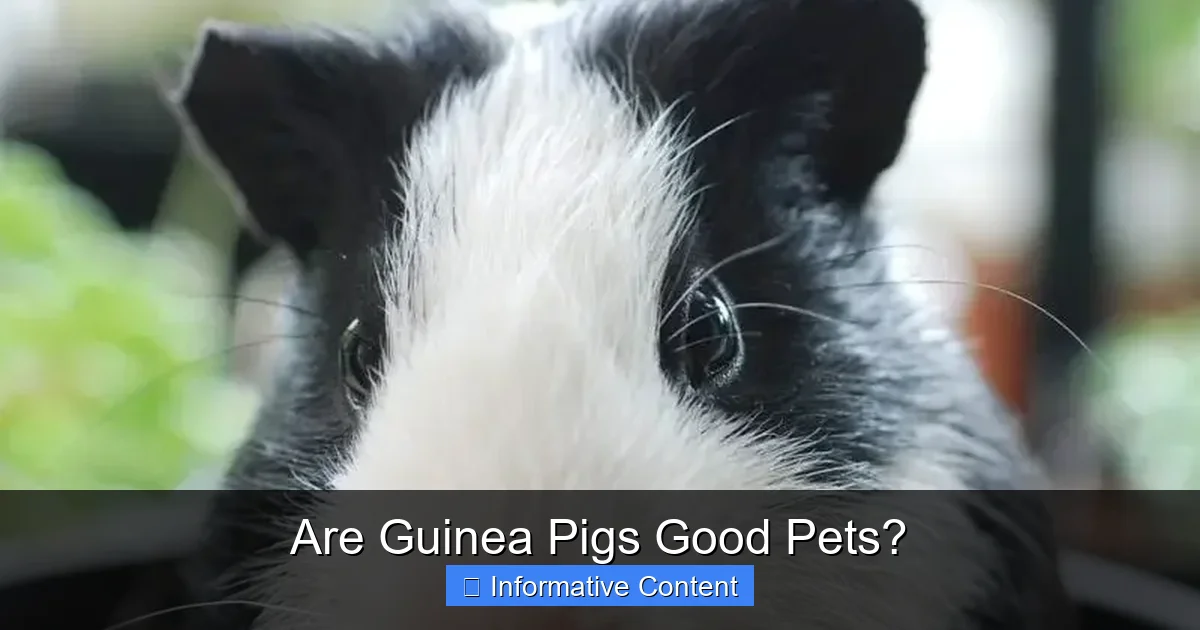
Visual guide about Are Guinea Pigs Good Pets?
Image source: guineapigcritter.com
Deciding if guinea pigs are good pets for you also means honestly assessing your ability to provide for their daily needs. These are not “set it and forget it” pets. They require consistent, dedicated care.
Daily Care Routines
Guinea pigs need daily attention. This includes providing fresh water and replenishing their hay and pellets. Fresh vegetables should be offered once or twice a day. Beyond food, daily interaction is crucial. This could be supervised floor time, gentle handling, or simply talking to them. They thrive on routine and social interaction.
Housing: More Than Just a Cage
When considering guinea pigs as good pets, their living space is a prime concern. Many commercial cages sold in pet stores are far too small for adult guinea pigs, especially for a pair. A single guinea pig needs at least 7.5 square feet of uninterrupted floor space, and a pair needs even more, ideally 10.5 square feet or larger.
Choosing the Right Cage
Look for C&C cages (Cube & Coroplast) or large, multi-level cages designed specifically for guinea pigs. C&C cages are popular because they are customizable, easy to clean, and provide ample space for cavies to run and play. The cage should be placed in a quiet, draft-free area of your home, away from direct sunlight, and in a location where they can be part of the family action without being constantly disturbed.
Cage Maintenance and Cleaning
A clean cage is vital for a guinea pig’s health. Spot cleaning should be done daily, removing soiled bedding and uneaten fresh food. A full cage cleaning, including changing all bedding and wiping down surfaces, should be performed at least once or twice a week, depending on the type of bedding used. This commitment to cleanliness is non-negotiable for their well-being, making it an important factor in deciding if guinea pigs are good pets for you.
Lifespan: A Long-Term Friend
Guinea pigs typically live for 5 to 7 years, and sometimes even longer with excellent care. This is a significant commitment, comparable to owning a small dog or cat. You’ll need to be prepared for the long haul, ensuring they have consistent care throughout their entire lives. This long lifespan means they become truly integrated members of the family, developing strong bonds with their owners.
Diet and Nutrition: What Your Guinea Pig Needs
A healthy diet is the cornerstone of a guinea pig’s well-being. Their digestive system is unique, requiring a continuous supply of fiber to function correctly. Without the right diet, they can quickly develop serious health problems. Understanding their nutritional needs is fundamental to realizing if guinea pigs are good pets for you.
The Three Pillars of a Guinea Pig Diet
1. Unlimited Hay: This is the most crucial part of their diet. Timothy hay (for adults) or alfalfa hay (for young, pregnant, or nursing guinea pigs) should be available 24/7. Hay provides essential fiber for their digestive system and helps wear down their continuously growing teeth. Think of hay as their main course, snack, and dental care all in one!
2. Fresh Vegetables: About one cup of fresh, leafy green vegetables per guinea pig daily is ideal. Good options include romaine lettuce, bell peppers (especially red and yellow for Vitamin C), cilantro, parsley, and small amounts of kale or spinach. Always introduce new vegetables slowly to avoid digestive upset.
3. High-Quality Pellets: A small amount (about 1/8 to 1/4 cup per day) of a plain, high-quality guinea pig pellet fortified with Vitamin C is necessary. Avoid pellets with seeds, nuts, or colorful “treats,” as these are often unhealthy fillers. Oxbow Essentials, Sherwood Pet Health, and Small Pet Select are reputable brands.
The Importance of Vitamin C
Unlike most other animals, guinea pigs cannot produce their own Vitamin C and must obtain it from their diet. This makes foods rich in Vitamin C, like bell peppers, crucial. Some owners also provide Vitamin C supplements, either in tablet form (which can be hidden in food) or drops, though tablets are generally preferred as water supplements can lose potency quickly and alter water taste, leading to dehydration. A deficiency in Vitamin C can lead to scurvy, a painful and often fatal condition.
Treats and What to Avoid
Occasional small treats like a slice of apple or carrot can be given sparingly. However, many commercial guinea pig treats are high in sugar or unhealthy ingredients and should be avoided. Never give guinea pigs chocolate, avocado, iceberg lettuce, potato, onion, garlic, or human processed foods. Always research new foods before offering them.
Health and Veterinary Care for Guinea Pigs
Just like any other pet, guinea pigs can get sick. Being prepared for potential health issues and knowing when to seek veterinary care is a critical part of being a responsible owner and confirms if guinea pigs are good pets for you.
Common Health Issues
* Dental Problems: Due to their continuously growing teeth, malocclusion (misalignment) is common. Symptoms include difficulty eating, drooling, and weight loss. Regular hay consumption helps, but sometimes veterinary intervention (tooth trimming) is necessary.
* Respiratory Infections: These are serious and can quickly become fatal. Symptoms include sneezing, wheezing, discharge from the nose or eyes, and lethargy. They require immediate veterinary attention.
* Scurvy: As mentioned, Vitamin C deficiency leads to scurvy, causing painful joints, lethargy, poor appetite, and rough coat.
* Urinary Tract Issues: Bladder stones are common, especially in males. Symptoms include blood in urine, straining to urinate, or discomfort.
* Skin Conditions: Mites, lice, and fungal infections can cause scratching, hair loss, and scabs.
* Pododermatitis (Bumblefoot): Sores on the bottom of their feet, often caused by wire cages or dirty bedding. This is painful and can become infected.
Finding a Vet and Regular Check-ups
Not all veterinarians are experienced with “exotic” pets like guinea pigs. It’s essential to find a vet in your area who specializes in or has extensive experience with small animals. Even if your guinea pig seems healthy, annual check-ups are recommended to catch any potential issues early. Knowing you have access to good veterinary care is a significant factor in whether guinea pigs are good pets for your lifestyle.
Enrichment and Socialization: Keeping Your Guinea Pig Happy
A happy guinea pig is a healthy guinea pig. Providing mental and physical stimulation, along with positive social interactions, is vital for their overall well-being. This is where the fun of being a guinea pig parent truly shines!
Floor Time and Exercise
Beyond their cage, guinea pigs need supervised “floor time” outside their enclosure daily. This allows them to stretch their legs, explore a larger area, and burn off energy. A guinea pig-proofed room or a playpen area is perfect. Make sure the area is safe, free from electrical cords, toxic plants, and other household hazards. During floor time, you can set up tunnels, hidey-houses, and toys for them to explore. This enrichment is crucial for their physical health and mental stimulation, demonstrating why guinea pigs are good pets for those who enjoy interactive playtime.
Toys and Stimulation
Guinea pigs love to chew, explore, and hide. Providing a variety of safe toys can keep them entertained.
* Chew Toys: Untreated wooden blocks, cardboard tubes from toilet paper rolls, and hay-based chews are great for their teeth and provide mental stimulation.
* Tunnels and Hidey-Houses: These satisfy their natural instinct to hide and feel secure. Cardboard boxes, fleece tunnels, and igloos are perfect. They should always have at least one hidey-house per guinea pig in their cage and play area.
* Foraging Toys: Hiding small amounts of treats or veggies in hay or inside puzzle toys encourages natural foraging behavior.
Building a Bond Through Interaction
Regular, gentle handling is key to building trust and a strong bond with your guinea pig. Start with short sessions and gradually increase the time. Speak softly to them, offer treats by hand, and stroke them gently. They often enjoy being held close, especially when they feel secure and supported. Consistent positive interactions will turn your guinea pig into a loving, trusting companion. The more you put into building this bond, the more you’ll find that guinea pigs are good pets because of the unique connection you form.
Are Guinea Pigs Right For Your Family?
So, after all this information, are guinea pigs good pets for *your* family? Let’s sum up the pros and cons to help you make an informed decision.
The Upsides: Why Guinea Pigs Make Wonderful Companions
* Gentle and Affectionate: Their docile nature makes them excellent pets, especially for children who are taught how to handle them properly. They rarely bite and enjoy gentle petting.
* Social and Responsive: They form bonds with their owners and other guinea pigs, responding to voices and enjoying interaction. Their vocalizations are incredibly endearing.
* Clean and Odorless (with proper care): While they need regular cage cleaning, guinea pigs themselves are relatively clean animals with minimal odor.
* Entertaining: Watching their “popcorning,” listening to their wheeks, and observing their social dynamics can provide hours of amusement.
* Manageable Size: They are small enough to be housed indoors but large enough to be easily handled by most people.
The Downsides: What to Consider Carefully
* Significant Time Commitment: Daily feeding, water changes, spot cleaning, and weekly deep cleans take time. Factor in floor time and social interaction too.
* Space Requirements: They need much larger cages than many people realize, which can take up considerable space in your home.
* Specific Dietary Needs: Unlimited hay, fresh veggies, and Vitamin C-fortified pellets are non-negotiable and must be consistently provided.
* Long Lifespan: A 5-7 year commitment means you need to be prepared for the long term.
* Veterinary Costs: Finding an exotic vet and being prepared for potential health issues and costs is important.
* Not for Very Young Children: While gentle, young children might not understand how to handle them carefully, potentially causing injury to the guinea pig or themselves. Older, responsible children often do very well with guinea pigs.
* Need for Companionship: Keeping a single guinea pig is not recommended; this means doubling up on cage space, food, and vet bills.
In conclusion, guinea pigs are indeed good pets for individuals and families who are prepared to offer them a loving, clean, spacious, and stimulating environment. They are not low-maintenance “starter pets,” but rather engaging and rewarding companions who will bring joy and warmth into your home for many years. If you’re ready for the commitment, the delightful world of guinea pigs awaits!
Frequently Asked Questions
How long do guinea pigs typically live?
With proper care, a healthy diet, and a suitable environment, guinea pigs typically live for about 5 to 7 years. Some guinea pigs can even live longer, making them a significant long-term commitment for pet owners.
Do guinea pigs smell bad?
Guinea pigs themselves are quite clean animals and do not have a strong body odor. However, their cage can develop an odor if not cleaned regularly. Daily spot cleaning and weekly deep cleaning are essential to keep their living environment fresh and odor-free.
Are guinea pigs good pets for children?
Guinea pigs can be good pets for children, especially older ones who can understand the responsibility and gentle handling required. Their docile nature makes them less likely to bite, but younger children need close supervision to ensure both the child and the guinea pig remain safe and happy.
What kind of bedding is best for guinea pigs?
The best bedding for guinea pigs is soft, absorbent, and dust-free. Popular choices include fleece liners (which are reusable and reduce waste), paper-based bedding, or kiln-dried pine shavings. Avoid cedar or untreated pine shavings, as their oils can be harmful to a guinea pig’s respiratory system.
How much space do guinea pigs need?
Guinea pigs need a surprising amount of space to thrive. For a single guinea pig, a minimum of 7.5 square feet of uninterrupted floor space is recommended. For a pair, aim for at least 10.5 square feet, plus daily supervised floor time outside the cage.
Can guinea pigs be litter trained?
While guinea pigs cannot be fully litter trained like cats, they can often be taught to mostly “go” in a designated potty area within their cage. By observing where they usually relieve themselves and placing a litter pan (filled with hay or paper bedding) in that spot, you can encourage this behavior, which helps with cage cleanliness.